Types Of STDs: 8 Key Infections, Symptoms, Prevention
Explore the most common sexually transmitted diseases (STDs), their symptoms, transmission methods, treatments, and prevention strategies for better sexual health.
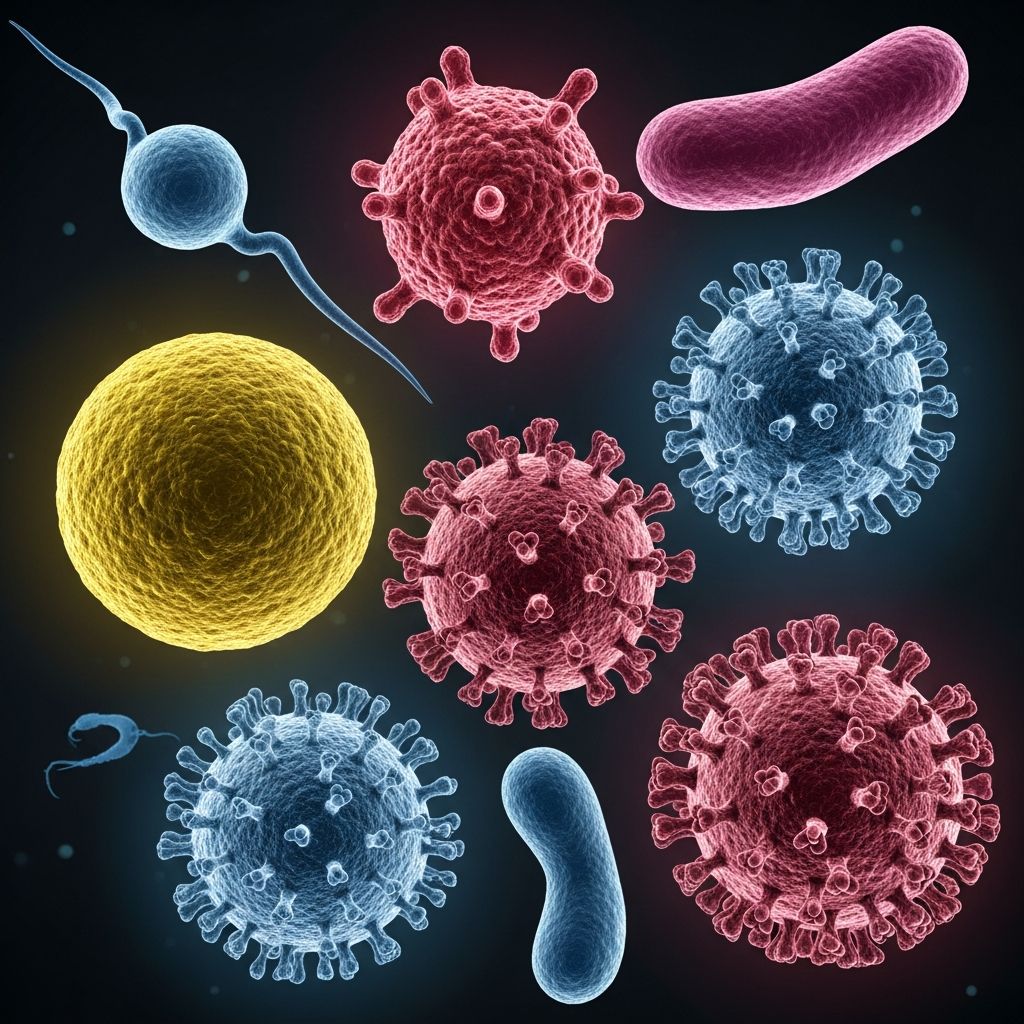
Sexually transmitted diseases (STDs), also known as sexually transmitted infections (STIs), are infections primarily spread through sexual contact, including vaginal, anal, and oral sex. Over 30 pathogens, including bacteria, viruses, and parasites, cause STDs, affecting millions worldwide annually. More than 1 million STIs are acquired every day globally, with eight key pathogens—syphilis, gonorrhea, chlamydia, trichomoniasis, hepatitis B, herpes simplex virus (HSV), HIV, and human papillomavirus (HPV)—responsible for the highest burden. Many STDs are asymptomatic, leading to delayed diagnosis and complications like infertility, increased HIV risk, pelvic inflammatory disease (PID), and cancers. Early detection through screening and treatment is crucial, especially for high-risk groups such as sex workers, men who have sex with men, adolescents, and pregnant women.
What Are STDs?
STDs are infections passed from person to person via sexual activity. They can be caused by bacteria (e.g., chlamydia, gonorrhea, syphilis), viruses (e.g., HPV, HSV, HIV, hepatitis B), or parasites (e.g., trichomoniasis). Unlike diseases, infections may not always cause immediate symptoms, but untreated STIs can progress to serious STDs impacting reproductive health, increasing HIV transmission risk, and causing long-term damage. STDs spread through bodily fluids, skin-to-skin contact, or from mother to child during pregnancy, birth, or breastfeeding. In 2024, U.S. cases of chlamydia, gonorrhea, and syphilis declined 9% from 2023, but rates remain high.
Common Types of STDs
STDs vary by pathogen type, with curable bacterial and parasitic infections contrasting lifelong viral ones. Below is an overview of the most prevalent types, grouped by category.
Bacterial STDs
- Chlamydia: Caused by Chlamydia trachomatis, it’s one of the most common STDs, often asymptomatic. Symptoms, if present, include penile or vaginal discharge, burning during urination, and pelvic pain. In women, untreated chlamydia leads to PID and infertility; in men, epididymitis. It increases HIV risk and is curable with antibiotics like azithromycin.
- Gonorrhea: Caused by Neisseria gonorrhoeae, affects genitals, rectum, throat. Symptoms: thick discharge, painful urination, sore throat. Asymptomatic cases common, especially in women, risking PID, infertility, and disseminated infection. Antibiotic-resistant strains are rising; treated with ceftriaxone.
- Syphilis: Progresses in stages from Treponema pallidum. Primary: painless chancre. Secondary: rash, fever. Latent: asymptomatic. Tertiary: organ damage, paralysis, death. Highly contagious early; curable with penicillin at any stage if caught early.
Viral STDs
- Herpes Simplex Virus (HSV): HSV-1 (oral) and HSV-2 (genital) cause painful blisters/sores on mouth, genitals, anus. Spread by skin contact; condoms reduce but don’t eliminate risk. No cure; antivirals like acyclovir manage outbreaks and reduce transmission.
- Human Papillomavirus (HPV): Over 200 types; high-risk cause cervical/other cancers, low-risk genital warts. Most common STI; 80% sexually active people get it. Vaccine prevents major strains; warts treated topically, precancer monitored.
- HIV: Attacks immune system, leading to AIDS if untreated. Transmitted sexually, blood, mother-to-child. Symptoms: flu-like initially, then asymptomatic until advanced. Antiretrovirals control to undetectable levels, preventing transmission (U=U).
- Hepatitis B: Liver infection via blood/fluids. Acute: fatigue, jaundice; chronic: cirrhosis, cancer. Vaccine prevents; antivirals manage chronic cases.
Parasitic and Other STDs
- Trichomoniasis: Parasite Trichomonas vaginalis; frothy discharge, itching, odor in women; mild in men. Risks: preterm birth, HIV. Curable with metronidazole.
- Pubic Lice (Crabs): Insects causing itching; treated with permethrin.
- Scabies: Mites burrow skin; intense itch, rash. Topical scabicides cure.
- Molluscum Contagiosum: Poxvirus; small bumps. Self-resolve or cryotherapy.
- Chancroid: Bacterial (Haemophilus ducreyi); painful genital ulcers. Antibiotics cure.
Symptoms of STDs
Many STDs are “silent,” with 50-80% asymptomatic cases, particularly chlamydia, gonorrhea, HPV, herpes. When present:
- Genital symptoms: Sores, warts, discharge, itching, pain during sex/urination.
- Systemic: Fever, rash, swollen glands, flu-like illness (HIV, syphilis).
- Women-specific: Abnormal bleeding, PID pain.
- Men-specific: Testicular pain, penile discharge.
Related Stories



Symptoms mimic UTIs/yeast infections; testing is essential.
How STDs Spread
Primary via vaginal, anal, oral sex; skin-to-skin (HPV, herpes). Also: shared needles, perinatal, blood transfusion (rare). Non-penetrative contact possible. Asymptomatic shedding spreads infections.
Diagnosis and Testing
Lab tests: urine, swabs, blood. CDC recommends annual screening for sexually active under 25, high-risk adults. Pregnant women screened for syphilis, HIV, hepatitis B, chlamydia, gonorrhea.
| STD | Test Type |
|---|---|
| Chlamydia/Gonorrhea | NAAT (urine/swab) |
| Syphilis | Blood (RPR/VDRL) |
| HSV | Swab/PCR/blood |
| HIV | Antigen/antibody blood/oral |
| HPV | Pap smear/DNA test |
Treatment for STDs
Curable: Antibiotics/antiparasitics (chlamydia, gonorrhea, syphilis, trich). Viral: Symptom management, antiretrovirals (HIV), no cure but vaccines for HPV/hepatitis B. Partners treated to prevent reinfection (expedited partner therapy).
Prevention of STDs
- Condoms/dental dams: Reduce risk 70-90% for bacterial; less for skin-contact.
- Vaccines: HPV (Gardasil), hepatitis B.
- PrEP/PEP: For HIV.
- Monogamy/screening: Regular testing, limit partners.
- Dental hygiene: Avoid oral with sores.
Complications of Untreated STDs
Infertility (chlamydia/gonorrhea PID), ectopic pregnancy, cervical cancer (HPV), neurological damage (syphilis), liver failure (hepatitis B), AIDS (HIV), preterm birth (trich).
Frequently Asked Questions (FAQs)
What is the difference between an STI and an STD?
STI is the infection; STD is when it causes disease/symptoms. All STDs start as STIs.
Can you have an STD without symptoms?
Yes, most common with chlamydia, gonorrhea, HPV—screening key.
Are STDs curable?
Bacterial/parasitic yes (antibiotics); viral managed, not cured except via vaccines.
Do condoms prevent all STDs?
No, not skin-to-skin like herpes/HPV; best for fluid-borne.
Should I get tested after unprotected sex?
Yes, wait 1-2 weeks for incubation; annual if active.
Can STDs affect pregnancy?
Yes, risks preterm birth, congenital syphilis, HIV transmission.
References
- Sexually transmitted infections (STIs): 12 types — Medical News Today. 2023. https://www.medicalnewstoday.com/articles/sexually-transmitted-diseases
- Sexually transmitted infections (STIs) — World Health Organization (WHO). 2024-11-21. https://www.who.int/news-room/fact-sheets/detail/sexually-transmitted-infections-(stis)
- Sexually Transmitted Infections — HIV.gov. 2024. https://www.hiv.gov/hiv-basics/staying-in-hiv-care/other-related-health-issues/sexually-transmitted-diseases
- Sexually Transmitted Infections Surveillance, 2024 (Provisional) — Centers for Disease Control and Prevention (CDC). 2025. https://www.cdc.gov/sti-statistics/annual/index.html
- Sexually transmitted infections and female reproductive health — PMC (NCBI). 2022-08-01. https://pmc.ncbi.nlm.nih.gov/articles/PMC9362696/
- Sexually transmitted diseases (STDs) – Symptoms and causes — Mayo Clinic. 2024. https://www.mayoclinic.org/diseases-conditions/sexually-transmitted-diseases-stds/symptoms-causes/syc-20351240
- Sexually Transmitted Infections | STIs | Venereal Disease — MedlinePlus (NIH). 2024. https://medlineplus.gov/sexuallytransmittedinfections.html
Similar Articles








Read full bio of medha deb