Types Of Testicular Cancer: 10 Key Variants To Understand
Comprehensive guide to testicular cancer types, classifications, and treatment options.
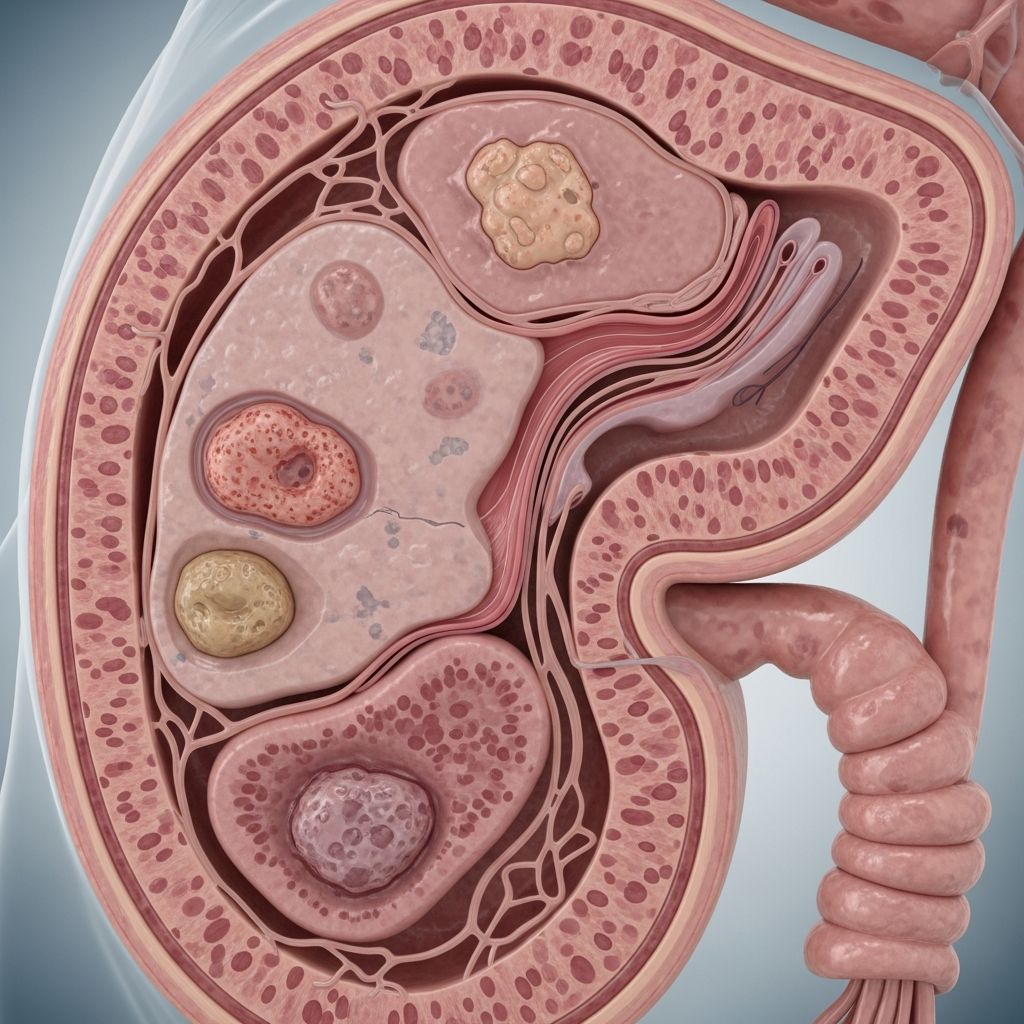
Testicular cancer is a relatively uncommon condition, accounting for less than 1% of all male cancers. However, it represents the most common solid tumor diagnosed in men between the ages of 20 and 35, with an average age at diagnosis of 33 years.1 When cancer cells accumulate in the testicles, they form tumors that can be classified into several distinct types based on their cellular origin and behavior. Understanding these different classifications is crucial for diagnosis, treatment planning, and prognosis. The American Cancer Society estimates that approximately 9,200 people assigned male at birth will receive a testicular cancer diagnosis annually.2
The testicles are egg-shaped glands located in the scrotum that serve two primary functions: producing male sex hormones, including testosterone, which contribute to masculine characteristics such as facial hair and muscle mass, and generating sperm cells necessary for reproduction. When abnormal cells develop in these organs, they can lead to various types of testicular cancer, each with unique characteristics, growth patterns, and treatment considerations.
Understanding Germ Cell Tumors
Approximately 90% of testicular cancers originate in germ cells, which are the cells responsible for producing sperm in males.2 Germ cell tumors (GCTs) are classified into two main categories: seminomas and non-seminomas. These classifications are essential because they behave differently, grow at different rates, and require distinct treatment approaches.
Seminomas
Seminomas are a type of germ cell tumor that typically grow slowly compared to other testicular cancers. These tumors are generally diagnosed in men who are in their 40s or 50s, making them more common in older age groups compared to non-seminomatous tumors.2 Seminomas tend to spread in an orderly fashion, initially affecting nearby lymph nodes before potentially spreading to other areas of the body. The relatively slow growth pattern and predictable spread of seminomas generally result in a more favorable prognosis when detected early. Approximately 40-50% of testicular cancers are seminomas, and they are highly responsive to treatment with radiation therapy and chemotherapy.
The orderly progression of seminomas makes them more predictable in their behavior, which allows physicians to develop more standardized treatment protocols. Most seminomas remain localized to the testicle and lymph nodes, with distant spread being less common at the time of diagnosis compared to non-seminomatous germ cell tumors.
Non-Seminomas
Non-seminomatous germ cell tumors (NSGCTs) grow more rapidly than seminomas and typically affect younger men, particularly those in their teens, 20s, and 30s.2 These tumors are more aggressive and tend to spread more quickly to other parts of the body. Non-seminomas account for approximately 50-60% of testicular cancers and are further subdivided into four distinct histological types.
Embryonal Carcinomas
Embryonal carcinomas are particularly aggressive forms of non-seminomatous germ cell tumors that spread quickly to surrounding tissues and distant organs.2 These tumors are characterized by rapid growth and early metastasis, often requiring prompt and intensive treatment. Embryonal carcinomas often occur as part of a mixed germ cell tumor composition rather than in pure form, and their presence in a tumor typically necessitates more aggressive chemotherapy regimens.
Yolk Sac Carcinomas
Yolk sac carcinomas, also known as endodermal sinus tumors, are the most common type of testicular cancer found in children.2 These tumors produce alpha-fetoprotein (AFP), a tumor marker that can be detected in blood tests, making it useful for diagnosis and monitoring treatment response. While yolk sac carcinomas are common in pediatric patients, they can also occur in adults, particularly as a component of mixed germ cell tumors. The identification of yolk sac elements in a tumor is significant because it influences treatment decisions and prognosis.
Related Stories



Choriocarcinomas
Choriocarcinomas are rare but highly aggressive forms of testicular cancer that produce human chorionic gonadotropin (hCG), another important tumor marker.2 These tumors spread rapidly and frequently metastasize to distant organs, including the brain and lungs, even when diagnosed at early stages. Choriocarcinomas are rarely found in pure form and usually occur as a component of mixed germ cell tumors. The presence of choriocarcinomatous elements typically indicates a more aggressive disease course requiring intensive multimodal treatment.
Teratomas
Teratomas are unique tumors that may contain tissue types not typically found in the testicles, such as hair, bone, muscle, or other differentiated tissues.2 These tumors result from errors in cell differentiation during development. In children, teratomas are often benign, but in adults, teratomas with somatic-type malignancy can be highly aggressive. The presence of teratomatous elements in a tumor affects treatment planning, as some chemotherapy regimens are less effective against teratomas, sometimes requiring surgical removal of residual masses.
Stromal Tumors
Stromal tumors form in the supportive tissue of the testicle rather than in germ cells, accounting for less than 5% of all testicular cancers.2 These tumors arise from the specialized cells that support and regulate germ cell function. Stromal tumors include Leydig cell tumors and Sertoli cell tumors, each with distinct characteristics and clinical presentations.
Leydig Cell Tumors
Leydig cell tumors develop from the cells responsible for producing testosterone. These tumors often cause hormonal imbalances, leading to elevated testosterone levels and associated symptoms. Leydig cell tumors are generally considered low-grade malignancies, though some can be more aggressive. They may present with symptoms such as breast enlargement (gynecomastia), sexual dysfunction, or precocious puberty in children.
Sertoli Cell Tumors
Sertoli cell tumors arise from cells that provide nutritional support to developing sperm cells. Unlike Leydig cell tumors, Sertoli cell tumors are usually not cancerous and generally have a benign course. However, when malignant transformation occurs, these tumors can be aggressive and require treatment. Sertoli cell tumors represent a small fraction of stromal tumors.
Carcinoma In Situ
Carcinoma in situ (CIS), also referred to as intratubular germ cell neoplasia (IGCN) or germ cell neoplasia in situ (GCNIS), represents abnormal cells that form within the seminiferous tubules of the testicle but have not yet invaded surrounding tissues.2 These precancerous cells are not themselves cancerous but have the potential to develop into invasive testicular cancer if left untreated. GCNIS is found in approximately 5% of testicular cancer patients and in about 1% of men with infertility issues.
The presence of carcinoma in situ in a testicle indicates an increased risk for developing invasive cancer in that testicle or the contralateral testicle. Some physicians recommend surveillance or preventive treatment, such as low-dose radiation therapy, for patients with GCNIS to prevent progression to invasive cancer.
Secondary Testicular Cancer
Secondary testicular cancers are malignancies that originate in other organs and metastasize to the testicles. These are distinct from primary testicular cancers that originate within the testicle itself. Secondary testicular cancers can arise from lymphomas, leukemias, or solid tumors from other sites. The distinction between primary and secondary testicular cancer is important for treatment planning and prognosis determination.
Mixed Germ Cell Tumors
It is important to note that men can have different types of tumors present simultaneously within a single testicle or across both testicles.2 These mixed germ cell tumors are common and are classified according to their histological composition. The presence of multiple tumor types within a single lesion influences treatment decisions, as the most aggressive component typically determines the treatment regimen. Patients with mixed tumors often receive more intensive chemotherapy compared to those with pure tumor types.
Staging and Classification
Testicular cancer is staged based on the extent of disease spread. Stage I cancer is confined to the testicle without involvement of lymph nodes or distant organs. Stage II cancer involves spread to nearby lymph nodes but remains localized to the retroperitoneal region. Stage III cancer has spread beyond the nearby lymph nodes and may involve distant organs such as the lungs, liver, or brain.2 Accurate staging is essential for determining prognosis and selecting appropriate treatment approaches.
Risk Factors and Predisposition
Several factors increase the risk of developing testicular cancer. Race and ethnicity play a role, with testicular cancer being more common in non-Hispanic white men compared to other racial and ethnic groups.2 A personal history of testicular cancer significantly increases the risk of developing cancer in the contralateral testicle. Germ cell neoplasia in situ (GCNIS) predisposes to invasive cancer development. Men who had undescended testicles (cryptorchidism) during childhood face increased testicular cancer risk throughout their lives.2 Additionally, men with Klinefelter syndrome, a genetic condition involving an extra X chromosome, have small testicles and elevated testicular cancer risk.2
Treatment Considerations
Treatment decisions for testicular cancer depend on multiple factors, including the patient’s overall health status, cancer stage, and specific tumor types present.2 For localized disease, surgical removal of the affected testicle through radical inguinal orchiectomy is typically performed. During this procedure, the testicle is removed through an incision in the groin, along with the spermatic cord containing nerves, blood vessels, lymph vessels, and the vas deferens.2 Some patients choose to have a testicular prosthesis implanted to maintain natural appearance.
For advanced disease, chemotherapy is employed to treat cancer cells that have spread beyond the testicle.2 Chemotherapy drugs may be administered orally or intravenously and circulate through the bloodstream to eliminate cancer cells throughout the body. Chemotherapy is often used following surgery to reduce recurrence risk. Radiation therapy may be appropriate for certain seminoma patients.
Frequently Asked Questions
Q: What percentage of testicular cancer cases are germ cell tumors?
A: Approximately 90% of testicular cancers originate in germ cells, making germ cell tumors the predominant form of testicular cancer. These are further classified into seminomas and non-seminomas based on their growth patterns and behavior.
Q: At what age is seminoma typically diagnosed?
A: Seminomas typically develop in men in their 40s or 50s, making them more common in older age groups compared to non-seminomatous tumors, which more frequently affect younger men in their teens, 20s, and 30s.
Q: Which type of testicular cancer is most common in children?
A: Yolk sac carcinoma (endodermal sinus tumor) is the most common type of testicular cancer found in children. These tumors produce alpha-fetoprotein (AFP), which serves as a useful tumor marker for diagnosis and treatment monitoring.
Q: What is the difference between primary and secondary testicular cancer?
A: Primary testicular cancer originates within the testicle itself, while secondary testicular cancer originates in another organ and spreads to the testicles. Primary testicular cancers, particularly germ cell tumors, are far more common than secondary testicular cancers.
Q: Can men have multiple types of testicular cancer at the same time?
A: Yes, men can develop mixed germ cell tumors containing multiple histological types simultaneously. The presence of multiple tumor types typically results in more aggressive treatment because the most aggressive component determines the treatment regimen.
Q: What are the main treatment options for testicular cancer?
A: Primary treatment involves radical inguinal orchiectomy to remove the affected testicle. For advanced disease, chemotherapy is used to target cancer cells that have spread. Radiation therapy may be appropriate for certain seminoma cases. Treatment decisions depend on cancer stage, type, and patient health status.
References
- Testicular Cancer, Version 2.2020 — Johns Hopkins University. 2020. https://pure.johnshopkins.edu/en/publications/testicular-cancer-version-22020/
- Testicular Cancer: Types, Causes, and Treatment — Hossein Sadeghi-Nejad, M.D., F.A.C.S. 2024. https://www.hsadeghi.com/patient-education/testicular-cancer/
- What is Testicular Cancer? — Testicular Cancer Awareness Foundation. https://www.testicularcancerawarenessfoundation.org/what-is-testicular-cancer
Similar Articles








Read full bio of Sneha Tete