Types Of Warts: 6 Common Types And Best Treatments
Discover the different types of warts, their causes, symptoms, treatments, and prevention strategies for common skin growths.
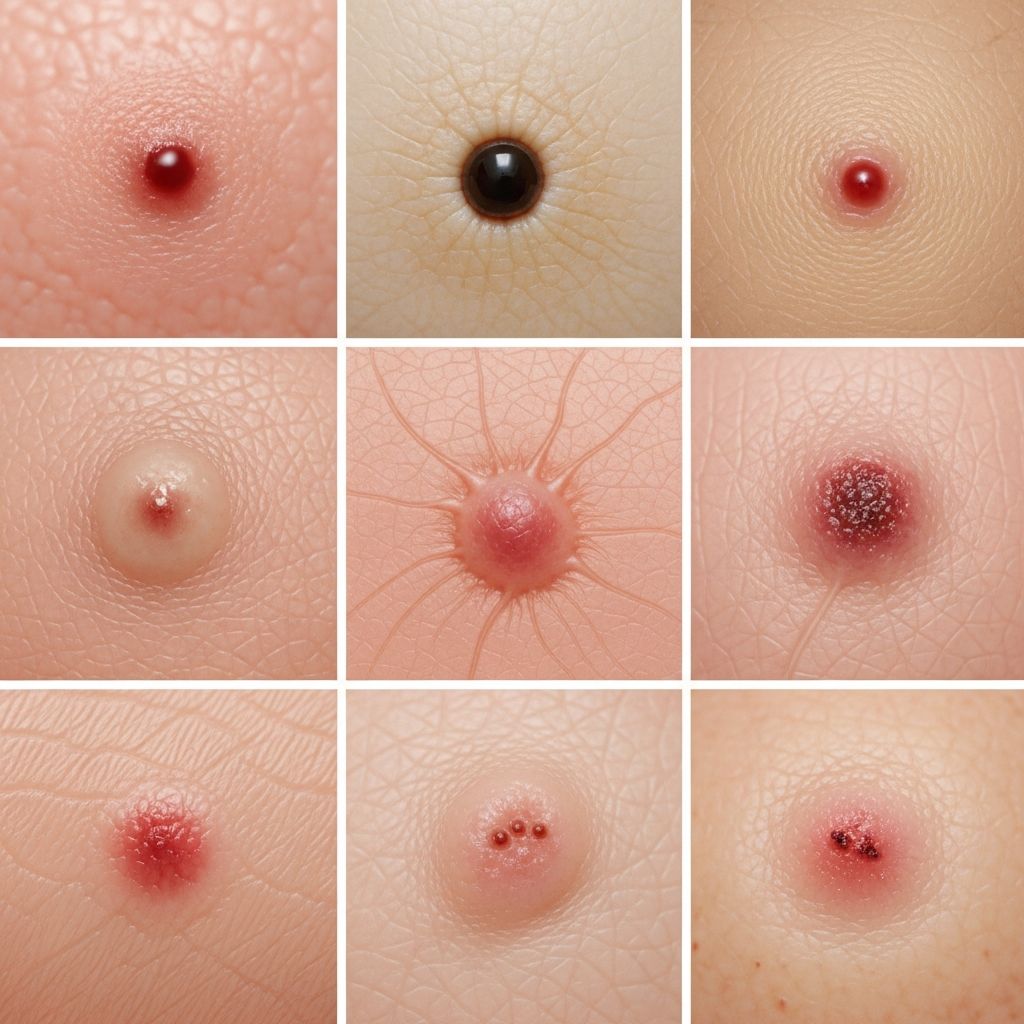
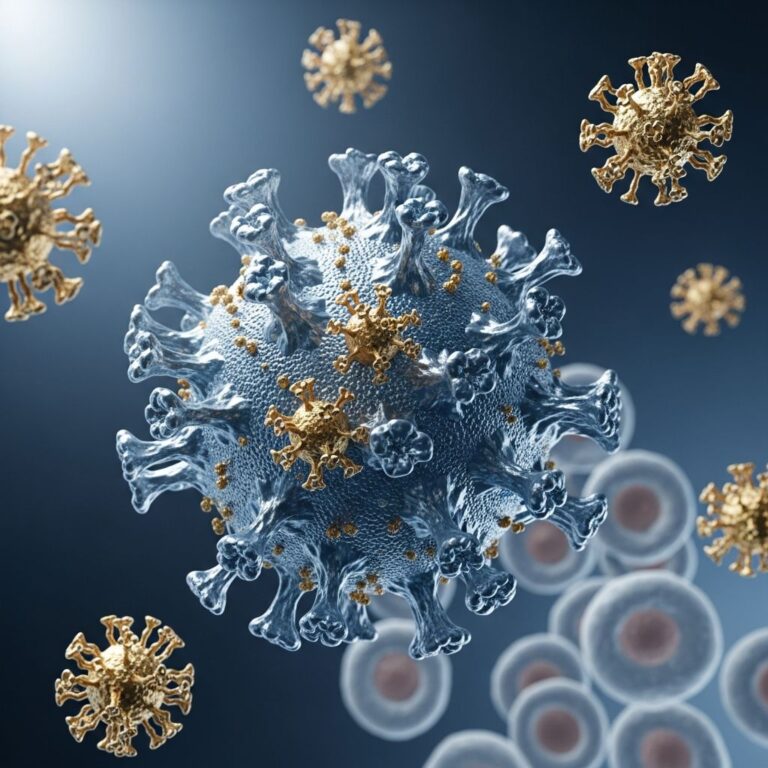
Warts are benign skin growths caused by various strains of the human papillomavirus (HPV), affecting millions worldwide. Over 100 HPV types exist, with specific strains leading to different wart varieties based on location and appearance. They enter through small cuts, thriving in moist or damaged skin, and are highly contagious via direct contact or shared objects like towels. While usually harmless, some cause pain or require treatment, especially genital warts linked to certain cancers.
What Are Warts?
Warts develop when HPV infects the top skin layer, prompting rapid cell growth that forms rough, thickened bumps. They appear as single lesions or clusters, varying from pinhead-sized to larger masses. Common traits include black dots (clotted capillaries), itchiness, or pain if on pressure points. Unlike corns or calluses, warts stem from viral infection, not friction. Children, teens, nail-biters, and immunocompromised individuals face higher risk due to skin breaks or weakened defenses.
Diagnosis typically involves visual exam; biopsies are rare. Self-resolution occurs in 1-2 years for many, but treatment speeds removal and curbs spread.
Common Warts
**Common warts** (Verruca vulgaris) favor hands, fingers, knees, or elbows, especially around nails or bitten cuticles. They feature rough, dome-shaped surfaces, grayish-brown hue, and tiny black specks resembling seeds. Size ranges from 1mm to 1cm; cauliflower-like “butcher’s warts” occur on hands from repeated trauma.
- Location: Fingers, backs of hands, knees.
- Appearance: Rough, elevated, with black dots.
- Symptoms: Usually painless unless irritated.
These persist months to years but respond well to home remedies.
Plantar Warts
**Plantar warts** (Verruca plantaris) strike soles, heels, or toes, mimicking calluses with hardened skin and black dots. Weight-bearing pushes them inward, causing pebble-like pain during walking. Mosaic warts, a clustered subtype, form flat, pale patches on feet, spreading via showers or pools.
- Location: Soles, toes, ankles.
- Appearance: Flat, thick, with dots; mosaic type paler.
- Symptoms: Pain on standing/walking, pressure sensation.
Differentiate from corns by multiple dots and disrupted skin lines.
Flat Warts
**Flat warts** (Verruca plana) are smallest, smooth, slightly raised lesions, flesh-colored or light brown. They cluster in dozens on face, legs (shaving spreads them), arms, or hands. Children and adults with eczema are prone.
- Location: Face (forehead, cheeks), shins, hands.
- Appearance: Flat-topped, smooth, 1-5mm.
- Symptoms: Minimal; cosmetic concern.
They grow rapidly in irritation-prone areas like beard zones.
Filiform Warts
**Filiform warts** exhibit thread-like, spiky projections, earning names like “facial warts.” They protrude rapidly around eyes, nose, mouth, neck, or eyelids, resembling tiny brushes.
- Location: Face (eyes, lips, nose).
- Appearance: Long, finger-like spikes.
- Symptoms: Itchy, fast-growing.
Cosmetically distressing, they demand careful removal to avoid scarring.
Periungual Warts
**Periungual warts** cluster around fingernails/toenails, infiltrating nail folds. Rough and cauliflower-shaped, they cause nail deformity or pain. Nail-biters are susceptible.
- Location: Nail edges, under nails.
- Appearance: Irregular, thickened.
- Symptoms: Painful, inhibits nail growth.
Related Stories



Treatment challenges arise from location.
Genital Warts
**Genital warts** (condyloma acuminata), an STI, arise from low-risk HPV (6,11). Flat, raised, or stalk-like, colors span skin-toned to brown. Sites include genitals, anus, mouth. High-risk HPV links to cancers, urging prompt care.
- Location: Penis, vulva, anus, mouth.
- Appearance: Cauliflower clusters.
- Symptoms: Itching, bleeding; often asymptomatic.
Vaccination (Gardasil) prevents most cases.
How Do You Get Warts?
HPV penetrates micro-cuts, incubating 2-6 months. Contagion occurs via skin contact, shared items, or autoinoculation (scratching spreads). Warm, moist environments like pools facilitate transmission. Immunity clears most, but persistence happens in weakened states.
Who’s Most at Risk?
- Children/teens (immature immunity).
- Nail-biters/cuticle pickers.
- Immunosuppressed (HIV, chemo).
- Athletes (locker rooms).
Are Warts Contagious?
Yes; direct/indirect contact spreads HPV. Avoid touching/picking; cover lesions. Genital types transmit sexually.
Treatment Options for Warts
Options span home to professional:
- Salicylic acid: Daily peels (17-40%); 70% success in 12 weeks.
- Cryotherapy: Liquid nitrogen freezes; multiple sessions.
- Cantharidin: Blistering agent.
- Laser/electrosurgery: For stubborn cases.
- Immunotherapy: Boosts response.
Genital warts need prescription topicals (imiquimod) or excision. No cure for HPV; recurrence possible.
| Wart Type | Best Treatments |
|---|---|
| Common/Plantar | Salicylic acid, cryotherapy |
| Flat/Filiform | Topicals, laser |
| Periungual | Cryotherapy, excision |
| Genital | Imiquimod, podophyllin |
When to See a Doctor
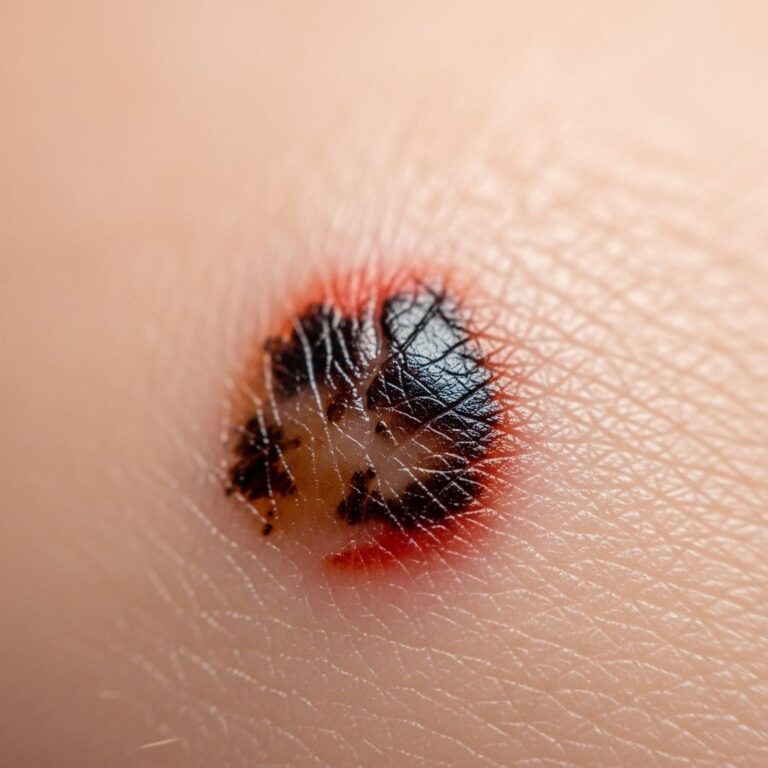
Consult for painful, spreading, bleeding, or genital warts; treatment-resistant cases; diabetes/immunosuppression; child uncertainty. Darkening or rapid change warrants biopsy to rule out skin cancer.
Prevention Tips
- Wear flip-flops in public showers.
- Avoid picking skin/nails.
- Cover cuts.
- Vaccinate against HPV (ages 9-45).
- Practice safe sex.
Frequently Asked Questions (FAQs)
Can warts go away on their own?
Yes, 65% resolve within 2 years via immunity, but treatment accelerates and prevents spread.
Are all warts caused by the same HPV?
No; over 100 strains, with specific ones for cutaneous vs. mucosal warts.
Do warts mean weak immunity?
Not always; common in healthy people, but frequent/recurrent signal issues.
Can I cut off a wart?
No; risks infection/scar; seek professional removal.
Is HPV wart vaccine effective?
Gardasil prevents 90% genital warts/high-risk cancers.
References
- Types of warts: Pictures, symptoms, and causes — Medical News Today. 2023-10-12. https://www.medicalnewstoday.com/articles/types-of-warts
- Warts: How To Identify, Causes, Types, Treatment & Prevention — Cleveland Clinic. 2024-05-15. https://my.clevelandclinic.org/health/diseases/15045-warts
- Overview: Warts — InformedHealth.org – NCBI Bookshelf. 2023-08-08. https://www.ncbi.nlm.nih.gov/books/NBK279586/
- Is This Normal? Warts and All, a Q&A — UVA Health. 2022-11-01. https://www.uvahealth.com/healthy-balance/normal-warts-qa
Similar Articles








Read full bio of Sneha Tete