Typhus: Symptoms, Causes, Treatment & Prevention
Understanding typhus: bacterial infection spread by fleas, lice, and chiggers with effective antibiotic treatments.
Understanding Typhus: A Group of Bacterial Infections
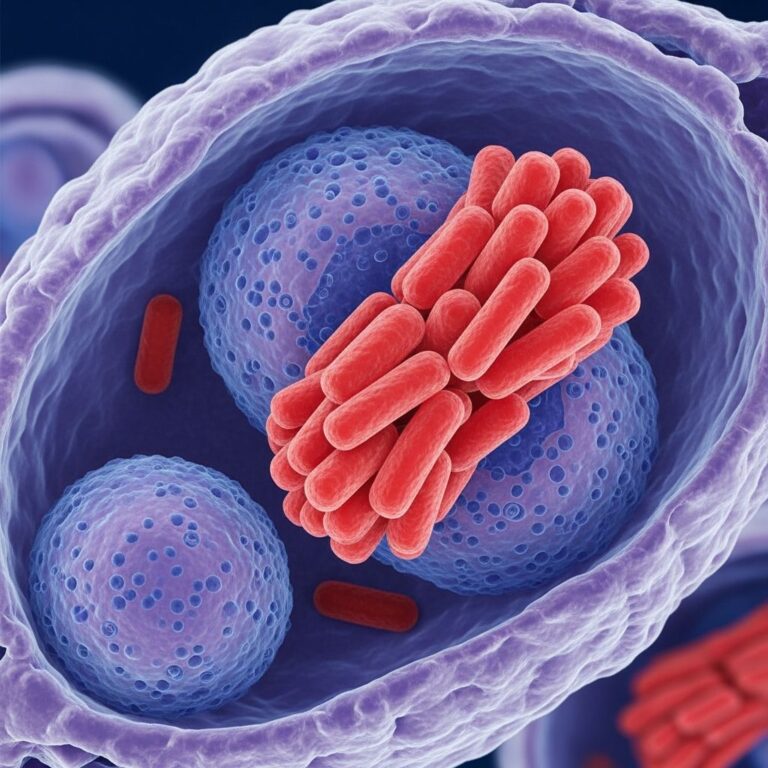
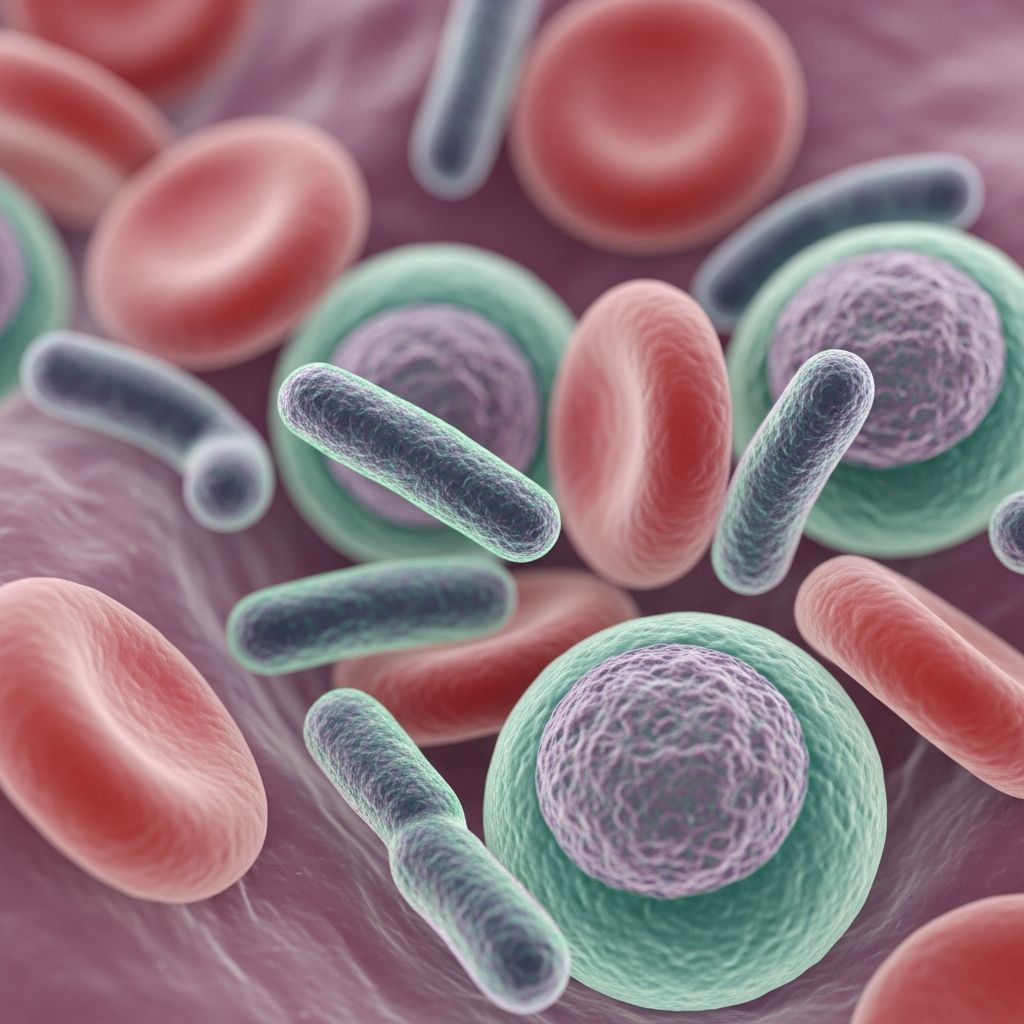
Typhus, also known as typhus fever, represents a group of bacterial illnesses caused by different species of Rickettsia bacteria. Despite common misconceptions, typhus has not disappeared and remains a significant health concern worldwide. These infections are characterized by severe symptoms including high fever, chills, rash, body aches, cough, digestive issues, and confusion. Transmission occurs through bites from infected arthropod vectors—primarily fleas, lice, and chiggers. While historically responsible for millions of deaths during wars, famines, and crises, modern antibiotics have made typhus treatable when diagnosed early. However, millions of people worldwide continue to contract typhus annually, particularly scrub typhus in endemic regions.
Types of Typhus
Understanding the different classifications of typhus is essential for proper diagnosis and treatment. Each type is transmitted by a specific arthropod vector and occurs in different geographic regions:
Murine (Endemic) Typhus
Murine typhus, also called endemic typhus, is transmitted to humans through infected fleas, typically rat fleas. The infection occurs when infected flea feces enter the body through broken skin—commonly from scratching a flea bite—or through inhalation via the mouth or respiratory tract. This type is found worldwide and represents one of the more common forms of typhus in urban and suburban environments.
Epidemic Typhus
Epidemic typhus is transmitted by human body lice and historically caused massive outbreaks during periods of social upheaval, overcrowding, and poor sanitation. While considered rare today, epidemic typhus remains a potential public health threat in crowded conditions. The disease is caused by Rickettsia prowazekii bacteria and can have severe consequences if left untreated.
Scrub Typhus
Scrub typhus is transmitted through bites from infected chiggers (larval mites) and represents one of the most prevalent forms globally. Millions of people worldwide contract scrub typhus annually, particularly in Asia and the Pacific regions. This type affects both urban and rural populations and requires prompt recognition and treatment.
Recognizing Typhus Symptoms
Typhus symptoms typically emerge approximately 10 days after infection from an arthropod bite. The disease progression follows a characteristic pattern that helps healthcare providers identify and diagnose the condition:
Initial Symptoms
The infection begins with sudden onset symptoms including severe headache, chills, high fever, and general body aches. Patients often experience loss of appetite, malaise (general discomfort), and a rapid rise in body temperature. Nausea and marked weakness commonly accompany these initial manifestations, leaving patients severely debilitated.
Progressive Symptoms
Between the fourth and sixth days after symptom onset, a characteristic rash typically appears across most of the body. Patients experience flushing of the skin, bleary eyes, and continued high fever. The temperature continues rising and reaches its maximum range by the end of the first week, maintaining this elevated state until approximately the 12th day of illness.
Additional Complications
Beyond the primary symptoms, typhus can cause cough, digestive issues including diarrhea, and neurological symptoms such as confusion and delirium in severe cases. Depression and weakness may persist even as fever subsides, and recovery typically extends over an extended convalescence period. In untreated cases, the infection can progress to life-threatening complications affecting multiple organ systems.
Disease Course and Recovery Timeline
The typical course of typhus, when left untreated, follows a predictable pattern. Fever generally declines rapidly after the 12th day, returning to normal around the 14th to 16th day in uncomplicated cases. However, depression and weakness often persist well into the recovery phase, and patients experience slow convalescence. Complete recovery may take several weeks, with patients reporting fatigue and weakness even after fever subsides.
Related Stories



Diagnosis of Typhus
Healthcare providers typically diagnose typhus based on a combination of clinical presentation and travel history. Proper diagnosis is crucial for early treatment and preventing serious complications.
Clinical Evaluation
Your provider will perform a thorough physical examination and take a detailed history, particularly regarding recent travel or potential exposure to fleas, lice, or chiggers. It is essential to inform your healthcare provider if you have traveled recently or suspect exposure, even if you don’t clearly remember being bitten. This information helps guide diagnostic testing and treatment decisions.
Laboratory Testing
Laboratory confirmation may involve blood tests or biopsy samples taken from the skin around the eschar (a dark, crusty lesion characteristic of certain typhus types). These tests can take several weeks to return results, and multiple blood tests over several weeks may be necessary for definitive diagnosis. Importantly, your provider will likely begin antibiotic treatment before receiving test results, as early treatment prevents serious complications.
Antibiotic Treatment for Typhus
The good news is that all types of typhus respond well to antibiotic therapy when treatment begins promptly. Antibiotics can completely cure typhus infections, though the specific medication and duration depend on the infection type and individual patient factors.
First-Line Antibiotic Treatment
Doxycycline, a tetracycline-class antibiotic, is the standard treatment for murine, epidemic, and scrub typhus. This medication has proven highly effective at shortening the disease course and significantly decreasing mortality risk. Doxycycline works by inhibiting bacterial protein synthesis, effectively stopping the infection’s progression.
Alternative Antibiotics
For patients who cannot take doxycycline—such as pregnant women or those with specific health conditions—healthcare providers may prescribe alternative antibiotics including chloramphenicol, which also demonstrates dramatic curative effects against typhus bacteria.
Treatment Duration
The length of antibiotic treatment varies depending on typhus type, ranging from three days to two weeks. Early antibiotic intervention not only cures the infection but also prevents the development of serious complications and reduces the risk of death significantly.
Complications and Prognosis
When treated early with antibiotics, all types of typhus have an excellent prognosis. However, untreated typhus can lead to severe, potentially life-threatening complications.
Serious Complications of Untreated Typhus
Widespread inflammation triggered by untreated infection with Rickettsia prowazekii can cause severe complications affecting multiple organ systems. These include kidney failure, blood clots, gangrene, pneumonia, meningitis, myocarditis (heart inflammation), and septic shock. Delirium and coma may develop, and cardiac failure can be the immediate cause of death in severe cases.
Mortality Rates
Murine typhus is rarely fatal when treated, while mortality rates for untreated epidemic and scrub typhus are significant. Experts estimate that approximately 10% to 30% of people die from epidemic and scrub typhus if left untreated, underscoring the critical importance of early diagnosis and treatment.
Brill-Zinsser Disease: Recrudescent Typhus
A unique complication of epidemic typhus is Brill-Zinsser disease, also called recrudescent typhus, which represents a reactivation of latent infection. Months or even years after initial infection, mild symptoms of epidemic typhus may reappear in persons who previously contracted the disease. This phenomenon confused early researchers when typhus cases occurred in communities free of lice.
Importantly, if you don’t treat epidemic typhus with antibiotics, your initial symptoms could resolve naturally, only to return months or years later as Brill-Zinsser disease. While symptoms of recrudescent typhus are typically milder than the initial infection and rarely cause complications, the reactivation poses a risk for spreading infection to others through lice. Early treatment with chloramphenicol or tetracycline-class drugs results in excellent recovery outcomes for Brill-Zinsser disease.
Prevention Strategies
Preventing typhus involves minimizing exposure to arthropod vectors and taking protective measures in endemic areas.
Personal Protection Measures
- Use insect repellents containing DEET on exposed skin and clothing
- Wear long-sleeved shirts and long pants, especially in areas with known vector populations
- Apply insecticide to clothing, shoes, and camping equipment
- Maintain good hygiene and regular bathing to remove potential vectors
- Avoid contact with wild animals that may harbor infected fleas or mites
Environmental Control
In endemic areas, controlling rodent and flea populations through professional pest management helps reduce transmission risk. Community-level efforts to maintain sanitation and reduce overcrowding are particularly important for preventing epidemic typhus outbreaks.
When to Seek Medical Care
If you experience symptoms suggestive of typhus—particularly if you live in or have traveled to an endemic area—contact your healthcare provider promptly. Early diagnosis and treatment significantly improve outcomes and prevent serious complications. Be sure to mention any recent travel or potential vector exposure, even if you’re uncertain about specific bites.
Frequently Asked Questions
Q: Can typhus be cured completely with antibiotics?
A: Yes, all types of typhus can be completely cured with appropriate antibiotic treatment when diagnosed and treated early. Doxycycline is the primary antibiotic used, and treatment typically lasts from three days to two weeks depending on the typhus type.
Q: Is typhus still a threat today?
A: While epidemic typhus is now rare in developed countries, millions of people worldwide still contract scrub typhus annually. Murine typhus continues to occur worldwide. Proper diagnosis and treatment make modern typhus infections manageable, but awareness and prevention remain important.
Q: How can I know if I’ve been exposed to typhus?
A: If you’ve experienced flea, lice, or chigger bites and subsequently develop symptoms like high fever, headache, and rash—particularly after traveling to endemic areas—inform your healthcare provider immediately. Even if you don’t remember specific bites, mention potential exposure.
Q: What is Brill-Zinsser disease?
A: Brill-Zinsser disease is a reactivation of latent epidemic typhus infection that can occur months or years after initial infection. Symptoms are typically milder than the original infection. Early antibiotic treatment results in good recovery outcomes.
Q: Are there vaccines to prevent typhus?
A: No widely available vaccines exist for typhus prevention. Protection relies primarily on avoiding vector exposure through insect repellent use, protective clothing, and environmental control measures in endemic areas.
Q: How long does recovery take after antibiotic treatment?
A: With early antibiotic treatment, fever typically subsides within 12-16 days. However, weakness and depression may persist, and complete recovery may take several weeks. The prognosis is excellent when treatment begins promptly.
References
- Typhus: Fever, Causes, Symptoms, Treatment & Prevention — Cleveland Clinic. 2024-07-24. https://my.clevelandclinic.org/health/diseases/typhus
- Typhus Fevers Basics — Centers for Disease Control and Prevention (CDC). https://www.cdc.gov/typhus/about/index.html
- Typhus — Britannica Encyclopedia. https://www.britannica.com/science/typhus
- Flea Bites: What They Look Like, Symptoms & Treatment — Cleveland Clinic. 2021-08-31. https://my.clevelandclinic.org/health/diseases/21718-flea-bites
Similar Articles








Read full bio of Sneha Tete