Typhus: Types, Symptoms, Transmission & Treatment
Comprehensive guide to typhus: understanding bacterial transmission, clinical presentation, and antibiotic management.
Typhus: A Comprehensive Overview
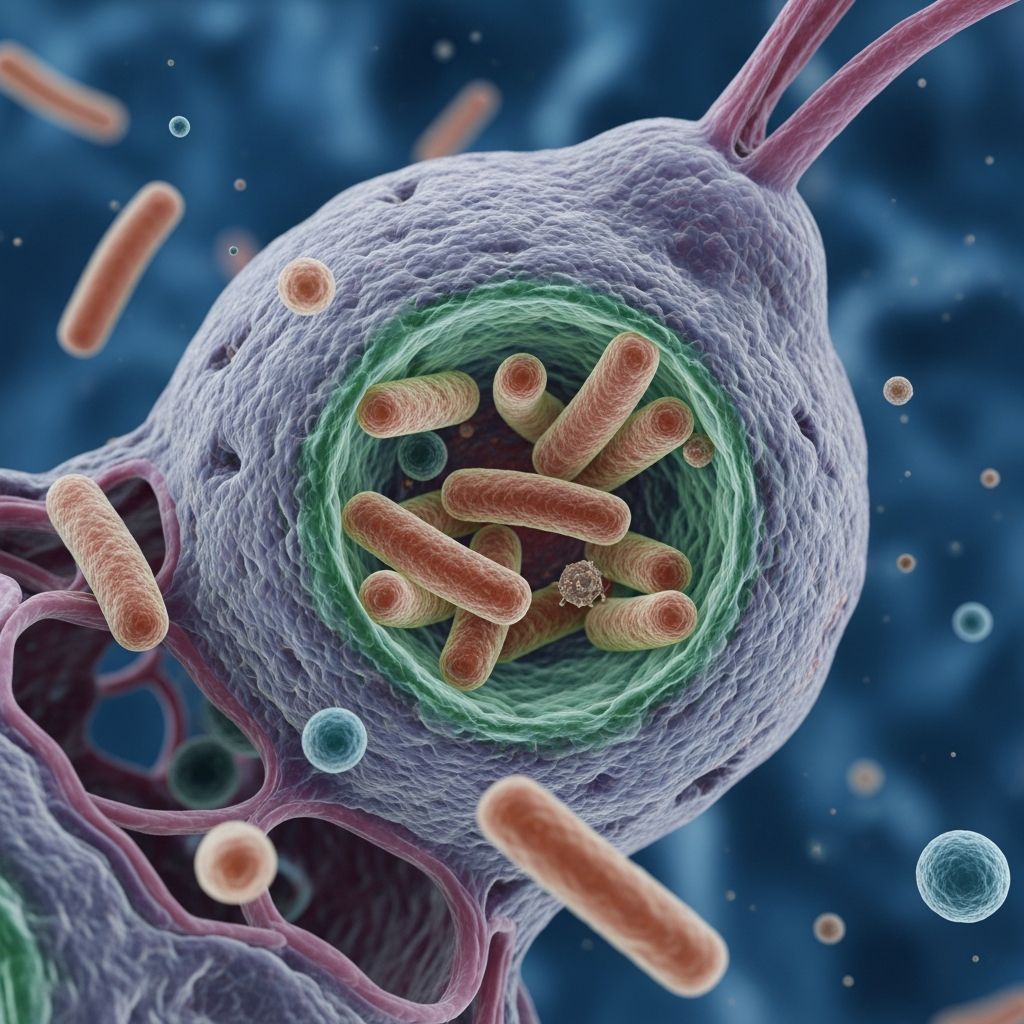
Typhus is a group of bacterial illnesses caused by rickettsial pathogens that are transmitted to humans through contact with infected arthropods. These serious infections affect millions of people worldwide and require prompt medical attention. Understanding the different types of typhus, their transmission routes, and treatment options is essential for early diagnosis and effective management.
Types of Typhus
Typhus fevers are classified into three main categories based on their transmission vectors and causative organisms.
Epidemic Typhus
Epidemic typhus, also called louse-borne typhus, is caused by the bacterium Rickettsia prowazekii. This type is transmitted through infected body lice and represents a significant public health concern, particularly in overcrowded or unsanitary conditions. Unlike murine typhus, epidemic typhus can result in severe complications if left untreated.
Murine Typhus
Murine typhus, also known as endemic typhus or flea-borne typhus, is caused by Rickettsia typhi. This type is spread through contact with infected fleas, typically acquired from small mammals such as rats and mice. People become infected when infected flea feces are rubbed into cuts or scrapes in the skin, or less commonly, through inhalation of dried flea feces.
Scrub Typhus
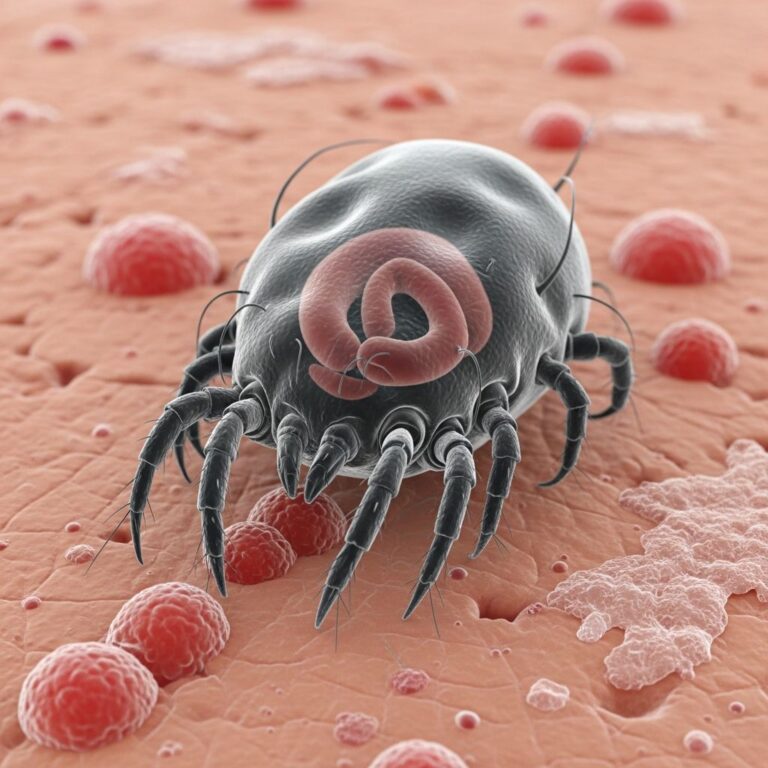
Scrub typhus is transmitted by chiggers (larval trombiculid mites) and represents the most common rickettsial disease globally, with over 1 million cases occurring annually. This type primarily affects farmers and individuals with occupational exposure in endemic regions, particularly in Asia and the Pacific.
Transmission and Epidemiology
Understanding how typhus spreads is critical for prevention and public health control measures.
Transmission Routes
- Epidemic Typhus: Transmitted through infected body lice via scratching and inoculation of bacteria into the skin. Rickettsia prowazekii can remain infective in louse feces for up to 100 days.
- Murine Typhus: Spread through contact with infected flea feces, typically rubbed into skin breaks. Inhalation of dried flea feces is a less common transmission route.
- Scrub Typhus: Transmitted through the bite of infected chiggers, with infection developing within 7–10 days of exposure.
Incubation Period
The incubation period varies by typhus type:
- Epidemic typhus: 1–2 weeks (commonly 12 days)
- Murine typhus: 1–2 weeks
- Scrub typhus: 6–12 days
Clinical Presentation and Symptoms
Symptoms of typhus typically develop suddenly and progress over several days. The clinical presentation varies somewhat depending on the specific type of typhus.
Common Symptoms Across All Types
All forms of typhus share similar initial symptoms:
- High fever and chills
- Intense headache
- Extreme exhaustion and malaise
- Body and muscle aches
- Nausea and vomiting
- Cough
- Rash (develops 4–6 days after symptom onset)
Epidemic Typhus Specific Features
Symptoms of epidemic typhus begin suddenly about 7 to 14 days after bacteria enter the body. Distinctive features include:
- Rapid breathing (tachypnea)
- Confusion, decreased alertness, and delirium
- Lights appearing very bright, with photophobia
- Low blood pressure
- Rash beginning on the chest and spreading to the rest of the body, except palms and soles
- Potential development of small areas of bleeding into the skin in severe cases
Related Stories



Murine Typhus Specific Features
Symptoms of murine typhus may vary and often include:
- Abdominal pain
- Backache
- Dull red rash beginning on the middle of the body and spreading
- Fever that can be extremely high (105°F to 106°F or 40.6°C to 41.1°C) lasting up to 2 weeks
- Hacking, dry cough
- Joint and muscle pain
Scrub Typhus Specific Features
Symptoms begin abruptly 7 or more days after exposure. Characteristic features include:
- Fever and chills
- Eschar: a necrotic skin lesion at the bite site
- Lymphadenopathy (enlarged lymph nodes)
- Rash in 25–50% of patients, typically macular or maculopapular, beginning on the abdomen and spreading to extremities
Rash Characteristics
The rash is an important diagnostic indicator, though its appearance can vary. The early rash is typically light rose-colored and fades when pressure is applied. Later, the rash becomes dull and red and does not fade. In epidemic typhus, the rash characteristically begins on the chest and spreads to the rest of the body except the palms of the hands and soles of the feet. The rash may be difficult to observe in patients with darkly pigmented skin and can be absent in up to 40% of cases.
Complications of Untreated Typhus
Without prompt treatment, typhus can lead to serious complications. If epidemic typhus remains untreated, the infection may be fatal, with the risk of fatality increasing significantly with age. Severe infections can result in:
- Kidney malfunction
- Gangrene
- Pneumonia
- Splenomegaly (enlarged spleen)
- Significantly reduced blood pressure
Brill-Zinsser Disease: In untreated epidemic typhus, symptoms may disappear only to recur months or years later in a condition called Brill-Zinsser disease. Symptoms of Brill-Zinsser disease are usually milder than initial typhus symptoms and rarely cause serious complications, though lice can still spread the infection to others.
Diagnosis
Diagnosis of typhus combines clinical evaluation with laboratory confirmation. Healthcare providers typically base initial diagnosis on:
- Physical examination and detailed symptom history
- Information about potential exposure to vectors (flea bites, lice, or chiggers)
- Travel and deployment history within the incubation period
- Environmental and occupational exposure details
Laboratory Testing
If typhus is suspected, healthcare providers will order confirmatory tests:
- Blood tests to confirm diagnosis
- Testing of rash samples
- Routine lab tests may reveal anemia, low platelet counts, and reduced white blood cell counts
Due to the severity of untreated typhus, physicians typically begin antibiotic treatment immediately upon clinical suspicion, without waiting for laboratory confirmation.
Treatment
Antibiotic therapy is the standard treatment for all types of typhus. The primary antibiotic used is doxycycline.
Treatment Duration
If you have typhus, you can expect to take antibiotics for a duration depending on the specific type:
- Three days to two weeks, depending on the type of typhus
- Early treatment significantly improves outcomes and reduces the risk of complications
Treatment Response
Most patients respond well to appropriate antibiotic therapy when treatment is initiated promptly. The key to successful management is recognizing symptoms early and seeking medical care without delay.
Prevention and Control Measures
Preventing typhus requires controlling vector populations and maintaining proper hygiene standards.
Personal Hygiene Measures
To prevent louse-borne epidemic typhus:
- Bathe regularly and change into clean clothes at least once a week
- Wash louse-infested clothing at least once a week
- Machine wash and dry infested clothing and bedding using hot water (at least 130°F) and dry on high heat when possible
- Clothing and items that are not washable can be dry-cleaned or sealed in a plastic bag and stored for 2 weeks
Environmental Control
Controlling flea and louse populations is essential for preventing transmission. Washing and drying infested items at high temperatures helps prevent the spread of infection.
Occupational Precautions
Individuals in high-risk occupations, such as farmers working in scrub typhus-endemic regions, should take additional precautions to minimize exposure to chigger-infested areas.
Frequently Asked Questions
Q: How quickly do typhus symptoms develop?
A: Symptoms typically develop within 1–2 weeks of exposure, though scrub typhus symptoms may appear 6–12 days after infection. Epidemic and murine typhus symptoms commonly appear within 12 days.
Q: Is typhus fatal if left untreated?
A: Yes, untreated epidemic typhus can be fatal, with the risk of death increasing significantly with age. Prompt antibiotic treatment dramatically reduces this risk.
Q: Can typhus recur after treatment?
A: In epidemic typhus specifically, symptoms may recur months or years later as Brill-Zinsser disease, though symptoms are usually milder. Proper treatment of the initial infection reduces this risk.
Q: How is typhus transmitted between people?
A: Typhus is not directly transmitted from person to person. Epidemic typhus spreads when infected body lice are transmitted through scratching and skin contact, and murine typhus spreads through infected flea feces.
Q: What is the treatment of choice for typhus?
A: Doxycycline is the primary antibiotic used to treat all types of typhus. Treatment duration ranges from three days to two weeks depending on the specific type and severity.
Q: Who is most at risk for scrub typhus?
A: Farmers and individuals with occupational exposure in scrub typhus-endemic regions are at greatest risk, as over 1 million cases occur annually primarily among these populations.
References
- About Epidemic Typhus — Centers for Disease Control and Prevention (CDC). Accessed January 2026. https://www.cdc.gov/typhus/about/epidemic.html
- Epidemic Typhus – Infections — Merck Manual Consumer Version. https://www.merckmanuals.com/home/infections/rickettsial-and-related-infections/epidemic-typhus
- Typhus: Fever, Causes, Symptoms, Treatment & Prevention — Cleveland Clinic. https://my.clevelandclinic.org/health/diseases/typhus
- Clinical Overview of Typhus Fevers — Centers for Disease Control and Prevention (CDC). https://www.cdc.gov/typhus/hcp/clinical-overview/index.html
- Typhus — Health Encyclopedia, FloridaHealthFinder. https://quality.healthfinder.fl.gov/health-encyclopedia/HIE/1/001363
- Typhus Fever Reference Sheet — U.S. Department of Defense, Public Health. https://ph.health.mil/cdt/cphe-cdt-typhus-fever-ref.pdf
- Typhus Fever — Wisconsin Department of Health Services. https://www.dhs.wisconsin.gov/disease/typhus-fever.htm
Similar Articles








Read full bio of Sneha Tete