Ulna and Radius Fractures: Causes, Treatment, and Recovery
Comprehensive guide to forearm fractures: causes, symptoms, treatment options, and recovery strategies.
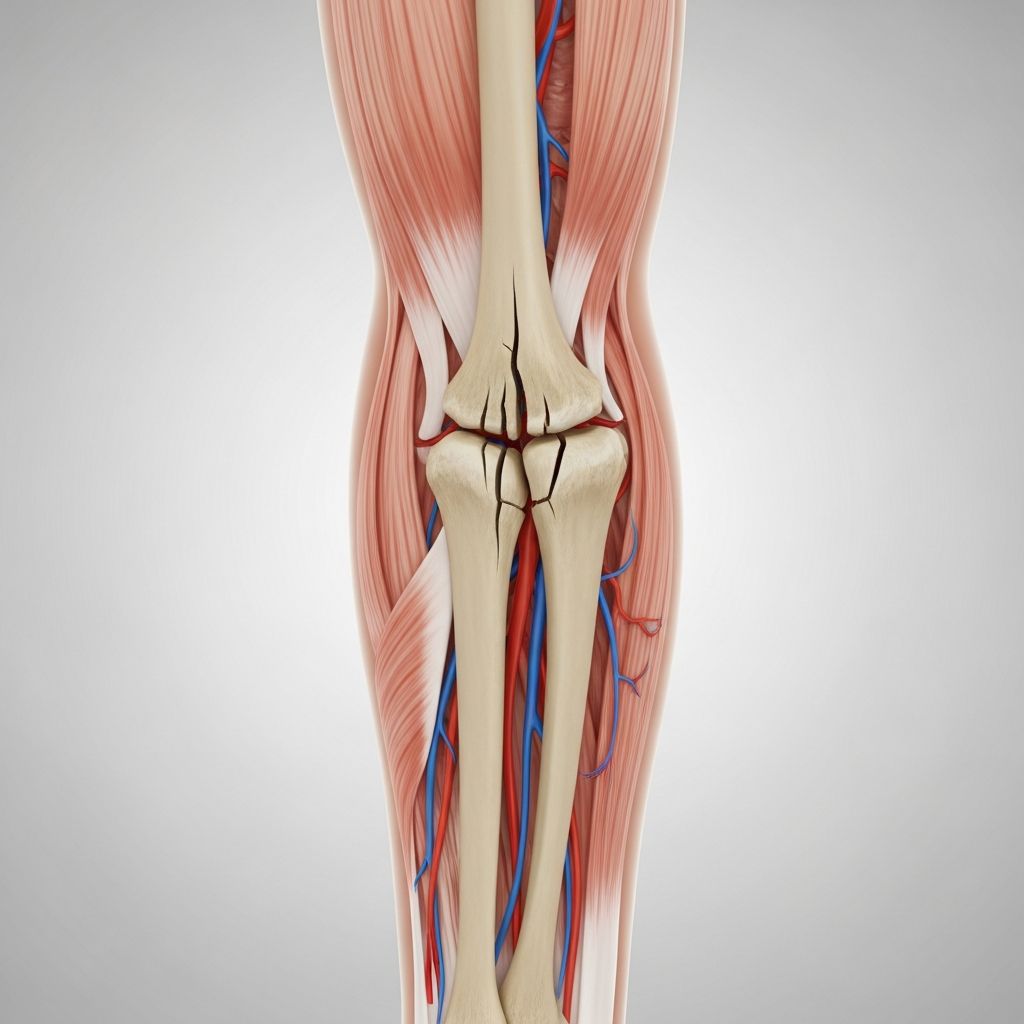
What Are Ulna and Radius Fractures?
Ulna and radius fractures are breaks in the two bones of the forearm. The radius is the bone on the thumb side, while the ulna is on the pinky side. These fractures can occur due to trauma, falls, sports injuries, or underlying bone conditions like osteoporosis. They are among the most common types of bone fractures, especially in adults and children.
Causes of Ulna and Radius Fractures
- Falls onto an outstretched hand
- Direct trauma to the forearm
- Sports injuries
- Motor vehicle accidents
- Osteoporosis or other bone-weakening conditions
Symptoms of Ulna and Radius Fractures
Common symptoms include:
- Immediate and intense pain in the forearm
- Swelling and inflammation
- Deformity or visible bump in the forearm
- Reduced range of movement
- Stiffness and weakness
- Numbness or tingling
- Spasm or pins and needles
Diagnosis of Ulna and Radius Fractures
Diagnosis typically involves:
- Physical examination for tenderness, deformity, and swelling
- X-ray imaging to confirm the fracture and assess its severity
- Occasionally, additional imaging like CT scans or MRI for complex cases
Treatment Options for Ulna and Radius Fractures
Treatment depends on the type and severity of the fracture. Options include:
Nonsurgical Treatment
- Immobilization with a cast or splint for 3–6 weeks
- Short-arm splint or soft cast for distal radius and ulnar buckle fractures
- Gradual return to activities after immobilization
Surgical Treatment
- Open reduction and internal fixation (ORIF) with compression plating for severe or displaced fractures
- Surgery is typically required for both bones broken, significant displacement, or open fractures
- Postoperative care includes splinting, sling use, and limited weight-bearing
Recovery and Rehabilitation
Recovery time varies but generally takes 3–6 months for complete healing. Key aspects include:
- Physical therapy to regain range of motion and strength
- Gradual return to normal activities
- Monitoring for complications like stiffness, pain, or numbness
Complications and Long-Term Effects
While most fractures heal well, complications can occur:
- Stiffness, pain, or numbness after cast removal
- Incomplete healing or non-union
- Compartment syndrome (rare but serious)
- Infection, especially in open fractures
- Long-term effects on nearby structures like nerves, blood vessels, and ligaments
Prevention and Management
Preventive measures include:
- Wearing protective gear during sports
- Maintaining bone health through diet and exercise
- Seeking prompt medical attention for suspected fractures
FAQs About Ulna and Radius Fractures
Is surgery always necessary for ulna and radius fractures?
No, surgery is not always necessary. Nonsurgical treatment with immobilization is often sufficient for nondisplaced or minimally displaced fractures. Surgery is reserved for severe or displaced fractures, open fractures, or when both bones are broken.
How long does it take to recover from a forearm fracture?
Recovery typically takes 3–6 months. Most people are comfortable by six weeks and can return to full activities by three to four months, depending on the severity and treatment.
Related Stories



What are the risks of not treating a forearm fracture?
Untreated fractures can lead to incomplete healing, chronic pain, stiffness, and long-term disability. Prompt medical care is essential for optimal recovery.
Can physiotherapy help after a forearm fracture?
Yes, physiotherapy is crucial for regaining range of motion, strength, and function. It helps prevent stiffness and ensures a safe return to normal activities.
What should I do if I suspect a forearm fracture?
Seek immediate medical attention. Apply ice to reduce swelling and keep the arm elevated until you can be seen by a healthcare professional.
References
References
- Radius and Ulna Fractures: Types, Treatment, and Rehabilitation — Medical News Today. 2023-04-12. https://www.medicalnewstoday.com/articles/radius-ulna-fracture
- Forearm (Radius and Ulna) Fractures — Reno Orthopedic Center. 2023-03-15. https://www.renoortho.com/specialties/center-for-fracture-trauma/forearm-radius-ulna-fracture/
- Fracture Of The Radius And Ulna – Forearm — Physio.co.uk. 2023-02-20. https://www.physio.co.uk/what-we-treat/musculoskeletal/conditions/forearm/fracture-of-the-radius-and-ulna.php
- Common Fractures of the Radius and Ulna — American Academy of Family Physicians. 2021-03-15. https://www.aafp.org/pubs/afp/issues/2021/0315/p345.html
- Radius and Ulnar Shaft Fractures — Orthobullets. 2023-01-10. https://www.orthobullets.com/trauma/1025/radius-and-ulnar-shaft-fractures
- Distal Ulna Fracture: What Is It, Management, and More — Osmosis. 2023-02-05. https://www.osmosis.org/answers/distal-ulna-fracture
- Forearm Fracture — Orthopaedic Trauma Association. 2023-01-15. https://ota.org/for-patients/find-info-body-part/3828
Similar Articles








Read full bio of medha deb