Ultraviolet Radiation: Understanding UV Light and Skin Protection
Learn how UV radiation affects your skin and discover effective protection strategies to prevent skin cancer and premature aging.

Understanding Ultraviolet (UV) Radiation
Ultraviolet (UV) radiation is a form of energy that the sun produces, characterized by wavelengths that are shorter than visible light, making it invisible to the human eye. While UV radiation is necessary for your body to produce vitamin D—a critical nutrient for survival—excessive exposure poses significant health risks to your skin and overall wellbeing.
The sun continuously releases UV radiation that reaches Earth, and this energy can also be found in human-made sources such as tanning beds and phototherapy devices. Understanding the nature of UV radiation and how it interacts with your skin is essential for making informed decisions about sun protection and maintaining long-term skin health.
Types of Ultraviolet Radiation
UV radiation exists in different forms, each with distinct wavelengths and effects on the skin. The two primary types that reach Earth’s surface are UVB and UVA radiation.
UVB Radiation (290-320 nm): UVB rays are particularly important in the development of cutaneous melanoma and nonmelanoma skin cancers. These shorter wavelengths penetrate the outer layers of skin and are primarily responsible for causing sunburns and directly damaging cellular DNA.
UVA Radiation (320-400 nm): UVA rays are thought to be an important co-factor in melanoma development and are primarily responsible for photoaging skin changes. These longer wavelengths penetrate deeper into the skin, contributing to premature aging and wrinkle formation.
How UV Radiation Damages Your Skin
When your skin experiences excessive UV radiation exposure, the rays penetrate the skin and target the DNA within your cells. DNA serves as the instruction manual for how your cells form and function within your body. Too much UV radiation causes these cellular instructions to malfunction, leading to a cascade of harmful effects.
UV exposure affects skin cells at a genetic level, causing characteristic mutations in cellular DNA. When this damage occurs, your cells may divide and replicate too frequently, causing them to clump together and form tumors that can become cancerous. Additionally, UV radiation suppresses the immune system in the skin, lowering your body’s natural defenses against detecting and destroying mutated or sun-damaged cells, allowing cancers to develop more easily.
Skin Cancer and UV Radiation
Ultraviolet radiation is the most important risk factor for developing skin cancer. The relationship between UV exposure and skin cancer development varies depending on exposure patterns and the specific type of cancer that develops.
Basal Cell Carcinoma (BCC)
Intermittent and chronic cumulative sun exposure is believed to be a causative factor in BCC development. Risk factors for BCC include fair skin, tendency to freckle, inability to tan, family history of skin cancer, suppressed immune system, previous nonmelanoma skin cancer history, sun bed use, and certain genetic syndromes.
Squamous Cell Carcinoma (SCC)
Long-term cumulative sun exposure significantly increases the risk of developing SCC. Unlike BCC, squamous cell carcinomas can spread, metastasize, and even cause death if left untreated. Risk factors include fair skin, tendency to freckle, inability to tan, multiple sunburns, family history of skin cancer, chronic burns or ulcers, arsenic use, suppressed immune system, human papillomavirus infection, and previous radiation exposure.
Related Stories



Melanoma
Episodes of severe blistering sunburns, usually occurring before age 18, can cause melanoma later in life. Melanoma represents the most dangerous form of skin cancer and requires immediate medical attention. The incidence of melanoma is increasing worldwide, making awareness and prevention increasingly important.
Long-Term Effects of UV Radiation Exposure
Beyond skin cancer, excessive UV radiation exposure leads to several long-term skin changes and damage patterns.
Photoaging and Premature Skin Aging
Photoaging refers to premature aging of the skin caused by repeated sun exposure. The sun’s UV rays reach the DNA within skin cells and cause them to malfunction, resulting in visible signs of aging that appear earlier than natural aging processes would dictate. Common signs of photoaging include:
- Wrinkles and fine lines
- Age spots and irregular pigmentation
- Leathery or rough texture
- Dilated blood vessels
- Loss of skin elasticity
Nearly 80% of a person’s lifetime sun exposure occurs before age 18, which is why sun protection habits established during childhood have lasting impacts on skin health throughout adulthood.
Sunburn
Sunburn is an acute inflammatory response to UV radiation exposure, characterized by redness, pain, and peeling skin. While sunburn may seem temporary, each occurrence represents DNA damage that accumulates over time, increasing skin cancer risk.
UV Index and Sun Exposure Risk
Weather reports often include UV index ratings that represent the risk of unprotected sun exposure to the average person. These numbers range from low to extreme, helping individuals gauge appropriate precautions. However, it’s important to understand that even lower UV index numbers indicate some risk, and sun protection measures should be taken year-round.
Many people mistakenly believe that cloudy days eliminate UV radiation exposure, but this is incorrect. UV rays penetrate clouds, meaning skin damage can occur even on overcast days. Additionally, winter month sun exposure poses the same skin cancer risk as summer exposure, necessitating consistent year-round protection.
Natural Skin Defenses
Your body possesses a natural protective barrier against UV radiation. The stratum corneum, located in the outermost layer of your skin (epidermis), serves as your body’s first line of defense against cancer-causing ultraviolet radiation. However, this barrier can be compromised by excessive sun exposure, reducing its protective capacity and increasing vulnerability to skin damage and cancer development.
Despite having this natural defense mechanism, you still need to take proactive steps to protect your skin from UV radiation, as the stratum corneum alone is insufficient to prevent all UV-related damage from chronic overexposure.
UV Radiation from Artificial Sources
Beyond natural sunlight, artificial UV rays from tanning salons present significant health risks. Some sun beds produce UV intensity 10 to 15 times higher than that of midday sun, dramatically increasing UV exposure and skin cancer risk. Using tanning beds is not a safe alternative to natural sun exposure and should be avoided as part of a comprehensive skin cancer prevention strategy.
Protecting Your Skin from UV Radiation
Effective UV protection involves multiple strategies working together to reduce harmful exposure and minimize skin damage risk.
Sunscreen Application
Sunscreen is one of the most effective tools for UV protection. UV blockers and absorbers in sunscreen protect skin from cancer by preventing ultraviolet light from damaging the DNA in your cells. To maximize effectiveness, sunscreen should be reapplied throughout the day, particularly after swimming or excessive perspiration. Recent innovations in UV protection technology have led to the development of more effective and safer sunscreen compounds that block all wavelengths of UV light more comprehensively than traditional formulations.
Protective Clothing
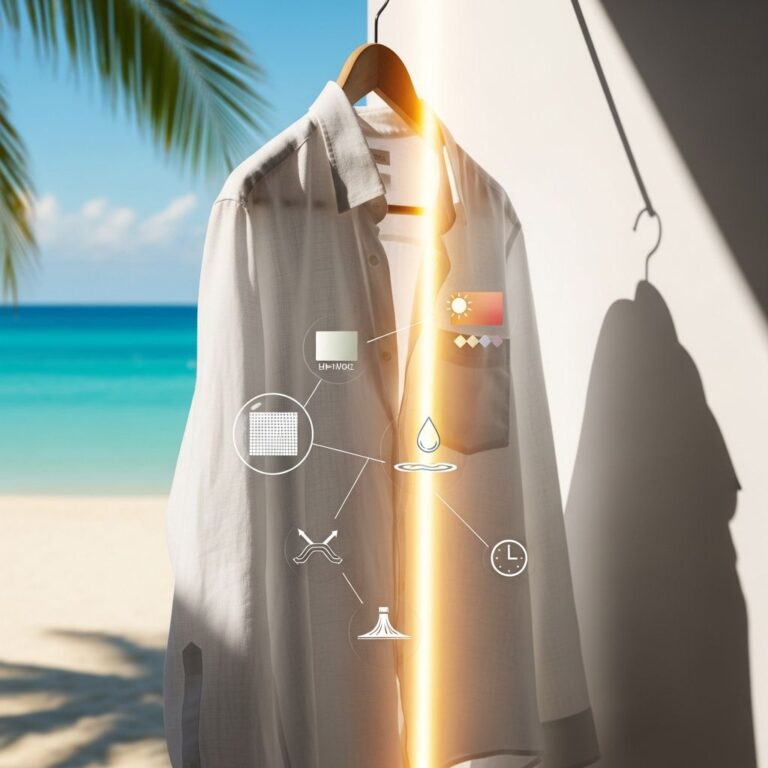
Wearing protective clothing when outdoors is an excellent strategy for reducing UV exposure. Long sleeves, pants, hats, and other protective garments create a physical barrier between your skin and UV rays. This method is particularly effective because it requires no reapplication and works consistently throughout the day.
Timing and Duration
Avoiding direct sunlight during peak daylight hours—typically between 10 AM and 4 PM—significantly reduces UV exposure. During these hours, the sun is highest in the sky, and UV rays are most intense. Planning outdoor activities for early morning or late afternoon reduces unnecessary UV exposure while still allowing you to enjoy outdoor activities.
Protective Accessories
Sunglasses that block UV radiation protect both your eyes and the delicate skin around them from UV damage. Wide-brimmed hats provide shade for your face, ears, and neck—areas particularly susceptible to skin cancer development. These accessories complement other protection methods and should be considered essential components of a comprehensive UV protection strategy.
Early Detection and Treatment
Skin cancer from UV radiation is treatable and leads to a good prognosis if detected early. Regular self-examination of your skin allows you to identify suspicious lesions or changes that warrant professional evaluation. Any new or changing skin growths should be examined by a dermatologist promptly. Early diagnosis and treatment significantly improve outcomes and reduce complications from all types of skin cancer.
Establishing Lifelong Sun Protection Habits
Since nearly 80% of lifetime sun exposure occurs before age 18, establishing sun protection habits during childhood creates a foundation for lifelong skin health. Parents and guardians can become excellent role models by consistently using sun protection and fostering skin cancer prevention habits within their families. Teaching children about UV protection and modeling these behaviors helps ensure they maintain healthy skin practices throughout their lives.
Frequently Asked Questions About UV Radiation
Q: Is all sun exposure harmful?
A: No. Your body needs some UV light to produce vitamin D, which is essential for survival. However, excessive or unprotected exposure significantly increases skin cancer risk. The key is balancing necessary sun exposure with protective measures to prevent overexposure.
Q: Can you get skin cancer from winter sun exposure?
A: Yes. Exposure to sunlight during winter months poses the same skin cancer risk as summer exposure. UV rays penetrate clouds and reflect off snow, meaning protection is necessary year-round, not just during summer months.
Q: Does cloudy weather mean I don’t need sunscreen?
A: No. UV rays penetrate clouds, so skin damage can occur even on overcast days. Sunscreen should be applied whenever you spend time outdoors, regardless of cloud cover or weather conditions.
Q: How often should I reapply sunscreen?
A: Sunscreen should be reapplied throughout the day, particularly after swimming, excessive perspiration, or towel drying. Most dermatologists recommend reapplication every two hours during prolonged outdoor exposure.
Q: Are tanning beds safer than sun exposure?
A: No. Some tanning beds produce UV intensity 10 to 15 times higher than midday sun, making them significantly more dangerous. UV light from tanning beds is just as harmful as natural sunlight and should be avoided.
Q: What should I do if I notice a suspicious skin lesion?
A: Schedule an appointment with a dermatologist promptly. Early detection and treatment of skin cancer significantly improve outcomes. Any new or changing skin growth warrants professional evaluation.
Q: Can children use regular sunscreen?
A: Yes, but mineral sunscreens with zinc oxide or titanium dioxide are often recommended for children’s sensitive skin. Since nearly 80% of lifetime sun exposure occurs before age 18, establishing sun protection habits early is crucial for long-term skin health.
References
- Ultraviolet Light and Skin Cancer in Athletes — National Center for Biotechnology Information (NCBI), National Institutes of Health. 2012. https://pmc.ncbi.nlm.nih.gov/articles/PMC3445124/
- UV Protection and Sunscreens: What to Tell Patients — Cleveland Clinic Journal of Medicine. 2012. https://www.ccjm.org/content/79/6/427
- New UV Blockers for Skin Cancer Prevention — Cleveland Clinic Newsroom. 2024. https://www.lerner.ccf.org/news/article/?title=This+research+team+develops+new+UV+blockers+for+skin+cancer+prevention
- Ultraviolet (UV) Radiation: What It Is & Its Effect on Your Skin — Cleveland Clinic. Last updated 2022-11-16. https://my.clevelandclinic.org/health/diseases/10985-ultraviolet-radiation
- Sun-Damaged Skin: Photoaging, Signs, Causes & Treatment — Cleveland Clinic. https://my.clevelandclinic.org/health/diseases/5240-sun-damage-protecting-yourself
- Protecting Your Skin from the Sun This Summer — Cleveland Clinic Newsroom. 2024-05-22. https://newsroom.clevelandclinic.org/2024/05/22/protecting-your-skin-from-the-sun-this-summer
- Phototherapy (Light Therapy): Uses, Benefits & Risks — Cleveland Clinic. https://my.clevelandclinic.org/health/treatments/24385-phototherapy-light-therapy
Similar Articles








Read full bio of medha deb