Umeclidinium Inhaler: Uses, Dosage & Side Effects
Complete guide to umeclidinium inhalers for COPD management and symptom relief.
About Umeclidinium Inhaler
Umeclidinium is a prescription medication designed to help manage the symptoms of chronic obstructive pulmonary disease (COPD) in adults. This long-acting antimuscarinic bronchodilator works by relaxing the muscles around the airways in your lungs, allowing air passages to open up so you can breathe more easily. The medication is commonly sold under the brand name Incruse Ellipta and comes as an inhaler device that delivers a powdered dose directly to your lungs.
The primary purpose of umeclidinium is to control and prevent ongoing breathing problems associated with COPD, which includes conditions such as chronic bronchitis and emphysema. Unlike rescue inhalers that provide immediate relief during sudden breathing difficulties, umeclidinium is a maintenance medication that you use regularly to reduce symptoms over time. Understanding how this medication works and how to use it properly is essential for achieving the best possible results in managing your condition.
Medication Classification
| Property | Details |
|---|---|
| Type of Medicine | Antimuscarinic Bronchodilator |
| Used For | Chronic Obstructive Pulmonary Disease (COPD) |
| Brand Names | Incruse Ellipta |
| Available Form | Inhalation Powder Device |
| Dosage Frequency | Once Daily |
What Is COPD and How Umeclidinium Helps
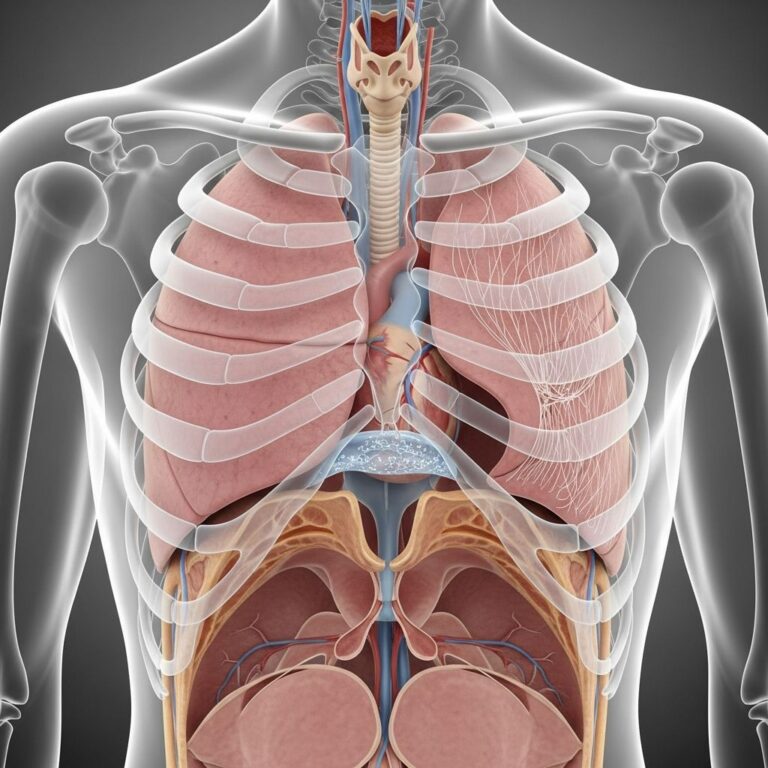
Chronic obstructive pulmonary disease (COPD) is a progressive lung condition characterized by restricted airflow to the lungs. This restriction causes a range of uncomfortable and limiting symptoms including persistent cough, wheezing, and breathlessness that can significantly impact daily life and activities. Umeclidinium has been specifically developed to address these symptoms by improving airflow and making breathing easier.
As a long-acting inhaler, umeclidinium provides benefits that last for a full 24 hours, which means you only need to use it once each day. This convenient dosing schedule makes it easier to maintain consistent treatment and helps ensure that your airways remain open and relaxed throughout the day and night. However, it is crucial to understand that umeclidinium is not a rescue treatment for sudden breathlessness or acute COPD attacks; instead, it is a preventive medication designed for long-term symptom management.
How to Use Your Umeclidinium Inhaler
Proper inhalation technique is absolutely critical to getting the full benefit from your umeclidinium medication. Before you begin using your inhaler for the first time, it is important to carefully read the manufacturer’s printed information leaflet that comes inside the package. This leaflet provides detailed diagrams and instructions specific to your inhaler device. If you are uncertain about any aspect of the instructions, ask your doctor, nurse, or pharmacist to demonstrate the correct technique.
Step-by-Step Usage Instructions
- Prepare for Use: Hold the inhaler upright in your hand. Open the inhaler by sliding down the mouthpiece cover until you hear a distinct ‘click’ sound, which indicates the device is ready to deliver a dose.
- Breathe Out: Turn your head away from the inhaler and breathe out fully to empty your lungs completely. This ensures that you can inhale the medication deeply into your airways.
- Position the Mouthpiece: Close your lips firmly around the mouthpiece of the inhaler. Make sure your lips fit properly over the curved shape of the mouthpiece and that you do not accidentally block the air vents with your fingers during this step.
- Inhale Deeply: Breathe in slowly and deeply through your mouth until you have taken a full breath. Be careful not to breathe in through your nose, as the medication must reach your lungs.
- Hold Your Breath: Remove the inhaler from your mouth and hold your breath for 3-4 seconds. This gives the medication sufficient time to settle into your airways and lungs where it can be most effective.
- Exhale Slowly: After holding your breath, remove the inhaler from your mouth and breathe out slowly. You may clean the mouthpiece with a dry tissue if needed.
- Close the Cover: Slide the mouthpiece cover back up to close the inhaler. The inhaler contains 30 doses total, and the counter will reduce by one each time you use it, helping you track your remaining doses.
Related Stories



Important Precautions and Warnings
Before starting treatment with umeclidinium, it is essential to inform your doctor about your complete medical history. Certain health conditions and medications may interact with umeclidinium or make it unsuitable for you. Do not use this medication if you have any of the following conditions without first consulting your healthcare provider:
- An eye condition called glaucoma, which can be worsened by this medication
- A heart condition or unusual heart rhythm, as the medication can affect heart function
- Any problem with the way your liver works, as the liver helps metabolize medications
- Pregnancy or breastfeeding, due to potential risks to a developing fetus or nursing infant
- An allergic reaction to this medication or any of its ingredients in your medical history
Drug Interactions
If you are taking any other medicines or using any other inhalers, you must discuss this with your doctor before starting umeclidinium. This includes over-the-counter medications, herbal remedies, and complementary medicines. It is particularly important to note that you should not use any other antimuscarinic bronchodilator at the same time as umeclidinium, as this can increase the risk of side effects and reduce effectiveness. Your doctor will help you determine which inhalers or medications you should continue using and which ones you may need to discontinue.
Getting the Most from Your Treatment
Treatment with umeclidinium is typically a long-term commitment to managing your COPD symptoms. You should continue using your inhaler as prescribed unless your doctor advises you otherwise. Regular, consistent use of umeclidinium at the same time each day will provide the most benefit and help keep your symptoms under control.
If you are currently using other inhalers or nebulizers to help with your breathing, discuss these with your doctor. Your doctor needs to know about all your respiratory medications to ensure there are no harmful interactions and to optimize your overall treatment plan. Do not stop using any other medications or inhalers without consulting your doctor first, as this could affect your COPD management.
Common Side Effects and How to Manage Them
While many people tolerate umeclidinium well, some individuals may experience side effects. Most side effects are mild to moderate and tend to improve as your body adjusts to the medication. Here are common side effects and practical suggestions for managing them:
Side Effect Management Guide
| Side Effect | Management Strategies |
|---|---|
| Headache | Drink plenty of water to stay hydrated. Ask your pharmacist to recommend a suitable over-the-counter painkiller. If headaches persist, inform your doctor. |
| Constipation | Drink plenty of water throughout the day and try to eat a balanced diet rich in fruit and vegetables. Increasing dietary fiber can help resolve this issue naturally. |
| Dry or Sore Mouth | Try chewing sugar-free gum or sucking on sugar-free sweets to stimulate saliva production and relieve dryness. |
| Cough, Sore Throat, Nose and Throat Irritation | Ask your pharmacist for advice on over-the-counter remedies. If side effects become bothersome, contact your doctor. |
| Fast Heartbeat or Urinary Tract Infection | Seek pharmacist advice for over-the-counter options. Report persistent symptoms to your healthcare provider. |
Serious Side Effects and When to Seek Medical Attention
Although rare, umeclidinium can cause serious side effects that require immediate medical attention. You should contact your doctor right away if you experience any of the following:
- Paradoxical bronchospasm, characterized by increased coughing, difficulty breathing, or severe shortness of breath after using the inhaler
- Serious allergic reactions, including anaphylaxis and angioedema, which are life-threatening conditions
- Signs of allergic reaction such as rash, itching, hoarseness, trouble breathing, difficulty swallowing, or any swelling of your hands, face, or mouth
- Chest pain or tightness, which could indicate a serious cardiac issue
- Any other symptoms that concern you or that you believe may be related to your medication
If you experience any of these serious symptoms, do not wait to contact your doctor. Seek immediate medical attention or call emergency services if you have difficulty breathing that does not improve with your rescue inhaler.
What to Do If You Miss a Dose
If you miss a dose of umeclidinium, take it as soon as you remember. However, if it is already close to the time for your next scheduled dose, skip the missed dose and resume your regular dosing schedule the next day. Never double up on doses to make up for a missed one, as this increases the risk of side effects and does not provide additional benefit. If you frequently forget to take your medication, consider setting a daily reminder on your phone or calendar to help you remember.
Storage and Device Care
Store your umeclidinium inhaler at room temperature away from heat, moisture, and direct sunlight. Keep the inhaler in its protective cover when not in use. The inhaler device itself is not reusable and should not be taken apart under any circumstances. Once you have used all 30 doses, dispose of the empty inhaler according to your local pharmacy or waste disposal guidelines. If you have questions about proper disposal, ask your pharmacist or doctor for guidance.
Frequently Asked Questions
Q: Is umeclidinium a rescue inhaler for sudden breathing problems?
A: No, umeclidinium is a maintenance medication designed for long-term symptom control, not for emergency relief. You should have a separate rescue inhaler available for sudden breathing difficulties. Always discuss emergency action plans with your doctor.
Q: How long does it take for umeclidinium to start working?
A: As a long-acting medication, umeclidinium provides benefits that last approximately 24 hours. It may take several days of consistent use before you notice the full benefits, so patience is important during the initial treatment phase.
Q: Can I use umeclidinium while pregnant or breastfeeding?
A: You should not use umeclidinium if you are pregnant or breastfeeding without explicit approval from your doctor. Discuss your respiratory health needs with your healthcare provider to determine safe treatment options during pregnancy and lactation.
Q: What should I do if the inhaler seems to be broken or damaged?
A: Do not attempt to repair or disassemble the inhaler. Contact your pharmacy or doctor to report the issue and obtain a replacement device to ensure you continue receiving your medication properly.
Q: Can I use umeclidinium with other inhalers?
A: Discuss all your inhalers and respiratory medications with your doctor. You should not use other antimuscarinic bronchodilators alongside umeclidinium, but your doctor may approve combining it with other medication types after careful evaluation.
Q: How will I know when to refill my inhaler?
A: The inhaler has a dose counter that decreases by one with each use. When the counter reaches zero or very low numbers, contact your pharmacy to obtain a refill before running out completely.
References
- Umeclidinium inhaler (Incruse) — Patient.info. 2025. https://patient.info/medicine/umeclidinium-inhaler-incruse-rolufta
- Umeclidinium (inhalation route) – Side effects & dosage — Mayo Clinic. 2024. https://www.mayoclinic.org/drugs-supplements/umeclidinium-inhalation-route/description/drg-20095349
- Umeclidinium Powder Inhaler – Oral Inhalation — Alberta Health Services. 2024. https://myhealth.alberta.ca/Health/medications/Pages/conditions.aspx?hwid=fdb1606
- INCRUSE ELLIPTA (umeclidinium inhalation powder) Prescribing Information — GlaxoSmithKline. 2023. https://gskpro.com/content/dam/global/hcpportal/en_US/Prescribing_Information/Incruse_Ellipta/pdf/INCRUSE-ELLIPTA-PI-PIL-IFU.PDF
- Umeclidinium Dry Powder Inhaler (DPI) — Cleveland Clinic. 2024. https://my.clevelandclinic.org/health/drugs/20213-umeclidinium-dry-powder-inhaler-dpi
Similar Articles








Read full bio of medha deb