Dry Eye Causes: 7 Signs, Tests, And Treatments
Discover the root triggers of dry eye discomfort and learn targeted ways to identify and address them for lasting relief.
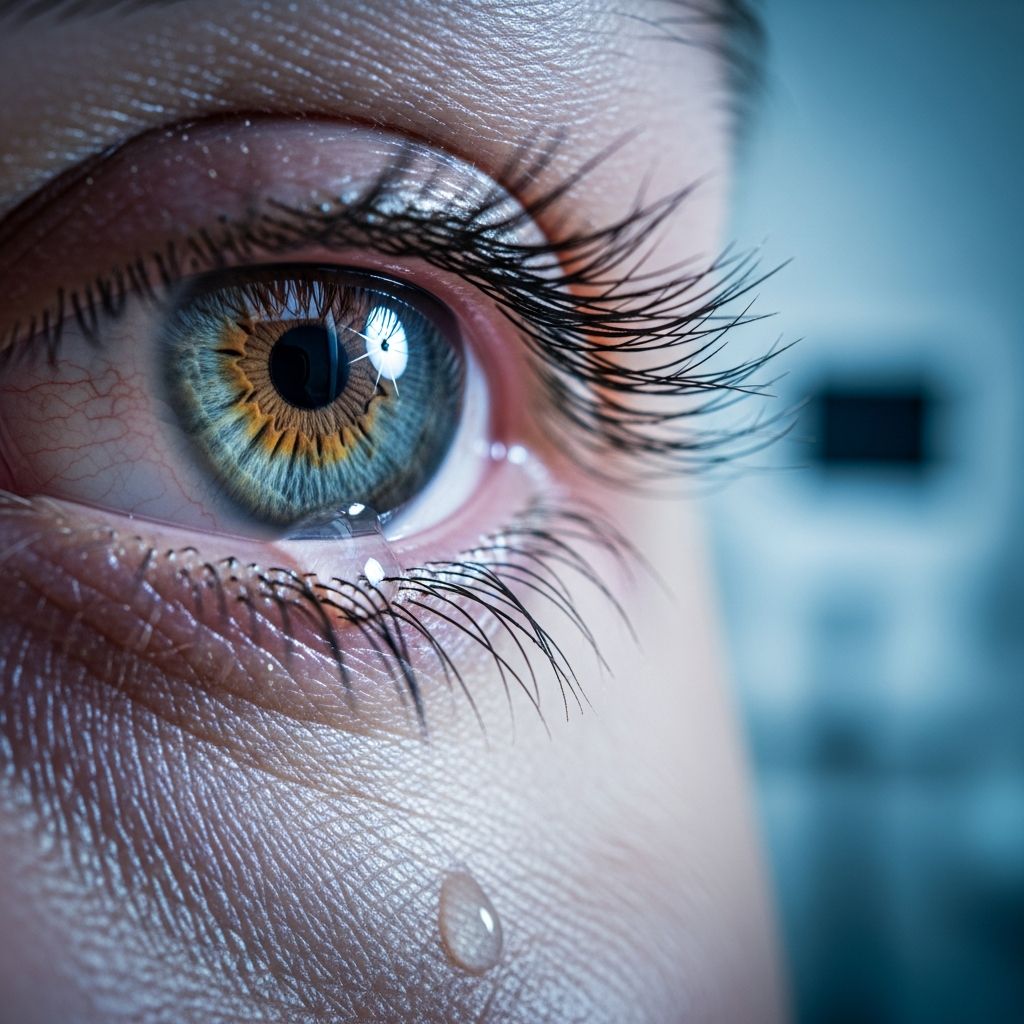
Dry eye syndrome arises when the eyes fail to maintain adequate moisture, leading to discomfort and potential surface damage. This condition stems from either insufficient tear production or excessive tear evaporation, disrupting the delicate balance of the tear film.
Recognizing the Signs of Dry Eye Discomfort
Individuals experiencing dry eyes often report a range of bothersome sensations that interfere with daily activities. These symptoms typically affect both eyes and can fluctuate in severity.
- A persistent stinging, burning, or scratchy feeling, as if sand is trapped under the eyelids.
- Redness and inflammation of the eye surface due to chronic irritation.
- Increased sensitivity to light, making bright environments or screens painful.
- Blurred or fluctuating vision that may improve temporarily with blinking.
- Stringy mucus discharge or a foreign body sensation.
- Unexpected watering as a reflex response to underlying dryness.
- Challenges with contact lens wear or night driving due to fatigue and instability.
These indicators signal an imbalance in the tear film, which comprises three essential layers: a mucus base, watery aqueous layer, and protective oily topcoat from meibomian glands.
Mechanisms Behind Insufficient Moisture
The tear film serves as a lubricant and protector for the cornea. Disruptions in its composition lead to instability, inflammation, and epithelial damage.
| Tear Film Layer | Function | Common Disruption |
|---|---|---|
| Mucus (mucin) | Helps tears adhere to eye surface | Reduced in certain allergies or deficiencies |
| Aqueous (watery) | Provides hydration and nutrients | Decreased production from glands |
| Lipid (oily) | Prevents evaporation | Blocked meibomian glands |
When any layer falters, the eyes cannot stay properly lubricated, escalating from mild annoyance to significant visual impairment.
Primary Categories of Dry Eye Triggers
Dry eye triggers fall into two main groups: reduced tear volume and accelerated evaporation. Understanding these distinctions aids in pinpointing the source.
Factors Reducing Tear Output
Aqueous-deficient dry eye, or keratoconjunctivitis sicca, occurs when lacrimal glands produce inadequate fluid.
- Aging processes: Natural decline in gland function after age 50 limits secretion.
- Systemic diseases: Autoimmune disorders like Sjögren’s syndrome, rheumatoid arthritis, lupus, or thyroid issues impair production.
- Pharmacological effects: Antihistamines, antidepressants, blood pressure drugs, and hormone therapies suppress tears.
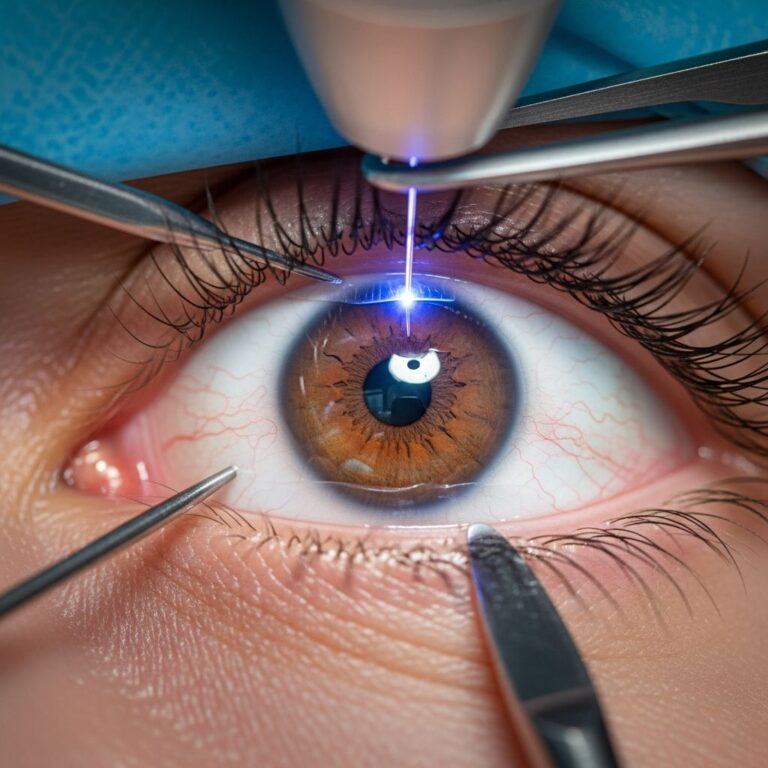
- Nerve-related issues: Desensitization from laser surgery, prolonged contacts, or diabetes affects reflex tearing.
Triggers for Rapid Tear Loss
Evaporative dry eye dominates cases, often linked to meibomian gland dysfunction (MGD).
- Gland blockages: Clogged meibomian glands from blepharitis or rosacea prevent oil release.
- Blink deficiencies: Reduced rates during screen use, reading, or Parkinson’s disease speed evaporation.
- Eyelid anomalies: Ectropion or entropion exposes the ocular surface.
- Preservative exposure: Certain eye drops exacerbate symptoms over time.
Environmental and Lifestyle Contributors
External elements amplify internal vulnerabilities, turning mild predispositions into full syndromes.
- Dry, windy, or smoky atmospheres hasten tear dissipation.
- Prolonged digital device exposure cuts blink frequency by up to 60%, destabilizing films.
- Indoor climate control like AC or heating strips humidity.
- Allergens, pollution, and vitamin A shortages compound irritation.
Related Stories



In arid regions, these factors intensify, with low humidity directly correlating to higher prevalence.
Diagnostic Approaches for Accurate Identification
Professional evaluation is crucial, as self-diagnosis overlooks underlying pathologies.
- Comprehensive exam: Slit-lamp microscopy reveals surface damage and gland status.
- Tear quantity test (Schirmer’s): Filter paper measures wetting in 5 minutes; under 10mm indicates deficiency.
- Surface staining: Fluorescein or lissamine green highlights dead cells.
- Tear breakup time (TBUT): Assesses stability; normal exceeds 10 seconds.
- Gland imaging: Evaluates meibomian function via meibography.
These tools differentiate aqueous from evaporative types, guiding therapy.
Strategies to Pinpoint Your Specific Cause
While awaiting professional care, track patterns to inform discussions with providers.
- Log symptom timing: Worse post-screening suggests evaporative issues.
- Note medications and health conditions for systemic links.
- Assess environments: Improvement outdoors points to indoor dryness.
- Monitor contacts or drops: Discomfort escalation implicates preservatives.
- Observe watering: Paradoxical tears signal MGD.
Such records enhance diagnostic precision.
Management Options Tailored to Causes
Treatment targets identified triggers for optimal outcomes.
- For low production: Artificial tears, punctal plugs, or cyclosporine drops stimulate glands.
- For evaporation: Warm compresses, lid hygiene, or IPL therapy unclog glands.
- Lifestyle tweaks: 20-20-20 rule, humidifiers, omega-3s.
- Advanced: Scleral lenses or autologous serum for severe cases.
Frequently Asked Questions
Why do my eyes water when dry?
Reflex tearing compensates for poor oil layer, but watery tears evaporate quickly without lubrication.
Can screens alone cause dry eye?
They reduce blinking, promoting evaporation, but combine with other factors.
Is dry eye reversible?
Early intervention often restores comfort; chronic cases require ongoing management.
Who is at highest risk?
Women post-menopause, contact wearers, and those over 50 face elevated odds.
When to seek urgent care?
If vision loss, severe pain, or corneal signs appear, consult immediately.
Proactive steps preserve ocular health amid rising digital lifestyles.
References
- Dry Eyes – Symptoms & causes – Mayo Clinic — Mayo Clinic. 2022-10-15. https://www.mayoclinic.org/diseases-conditions/dry-eyes/symptoms-causes/syc-20371863
- Dry Eyes: Types, Symptoms, Causes & Treatment — Cleveland Clinic. 2023-05-20. https://my.clevelandclinic.org/health/diseases/24479-dry-eye
- Dry Eye Syndrome – UF Health — University of Florida Health. 2024-01-10. https://ufhealth.org/conditions-and-treatments/dry-eye-syndrome
- Dry Eye | Bascom Palmer Eye Institute — University of Miami Health System. 2023-11-05. https://umiamihealth.org/en/bascom-palmer-eye-institute/specialties/corneal-and-external-diseases/dry-eye
- Understanding Dry Eye Syndrome: Causes, Symptoms, and Treatments — Hoffman Eye Care. 2023-08-12. https://www.hoffmaneye.com/blog/understanding-dry-eye-syndrome-causes-symptoms-and-treatments.html
Similar Articles








Read full bio of Sneha Tete