Nickel Allergy: 4 Hidden Triggers And How To Test
Discover the journey of identifying elusive nickel sensitivity and reclaiming clear skin through awareness and strategic avoidance.
Many people experience stubborn skin issues without knowing the culprit. Nickel allergy, a common form of contact dermatitis, affects millions worldwide, often triggered by everyday objects. This article delves into the process of identifying this sensitivity, understanding its mechanisms, and implementing life-changing strategies for relief.
Recognizing the Signs of Nickel Sensitivity
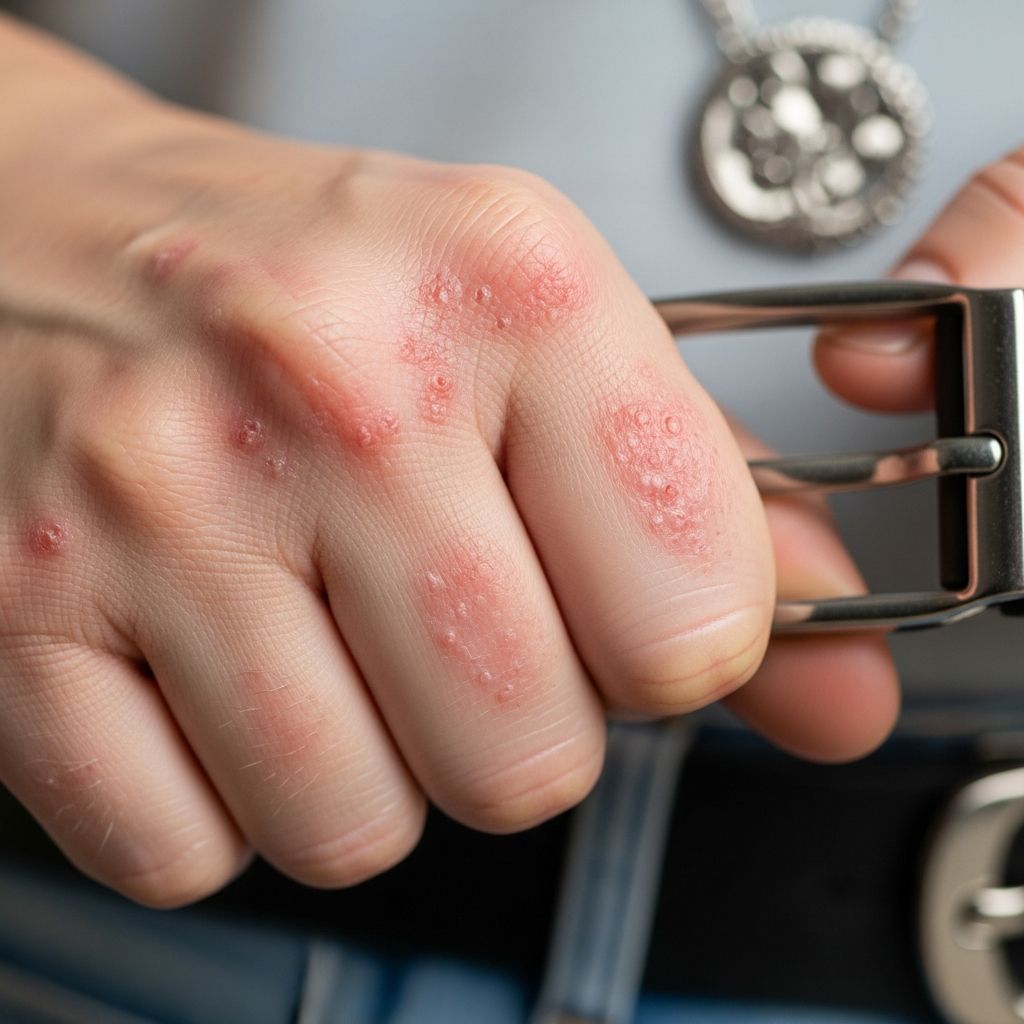
Skin reactions from nickel typically manifest as
itchy rashes
, redness, or bumps at the site of contact. These symptoms can appear hours to days after exposure, sometimes delayed up to 72 hours, making the source hard to pinpoint. Common indicators include:- Rashes or bumpy skin that resemble burns.
- Intense itching, often worsening at night.
- Blisters filled with fluid in severe cases.
- Thickened or leathery skin from chronic exposure.
- Redness or color changes spreading beyond the contact area.
In rare instances, systemic reactions like hives or respiratory issues may occur, particularly in those with piercings or occupational exposure. Women and individuals with ear piercings are at higher risk due to jewelry, but anyone handling coins, zippers, or electronics can be affected.
Common Culprits in Your Daily Environment
Nickel hides in unexpected places, complicating avoidance. Jewelry, especially cheap earrings, tops the list, but cellphones, laptops, eyeglass frames, and even cosmetics often contain it.
| Item Category | High-Nickel Examples | Low-Nickel Alternatives |
|---|---|---|
| Jewelry | Costume earrings, necklaces | Surgical steel, gold, platinum |
| Electronics | Phone buttons, laptop hinges | Plastic covers, nickel-free cases |
| Clothing | Zippers, belt buckles | Plastic or coated metals |
| Personal Care | Some cosmetics, eyeglass frames | Hypoallergenic products |
Testing kits allow at-home detection of nickel in objects by applying a reagent that turns pink if positive. Washing skin after contact and using barriers like clear nail polish on metals can provide immediate protection.
The Diagnostic Journey: From Suspicion to Confirmation
Suspecting nickel requires piecing together patterns: rashes near piercings, worsening with new accessories, or persistence despite eczema treatments. A healthcare provider begins with a physical exam and history review.
The gold standard is
patch testing
, where small allergen amounts, including nickel, are taped to the back for 48 hours. Reactions are checked at 48-96 hours; inflammation under the nickel patch confirms sensitivity. This safe test uses dilute concentrations, suitable even for severe cases.Blood tests or skin pricks offer alternatives but are less common for contact allergies. Early diagnosis prevents chronic issues, as repeated exposure sensitizes the immune system permanently.
Medical Interventions for Relief
No cure exists for nickel allergy; management focuses on symptom control and avoidance. Topical
corticosteroid creams
reduce inflammation over 2-4 weeks, though prolonged use risks skin thinning. Nonsteroidal options like tacrolimus (Protopic) or crisaborole (Eucrisa) minimize side effects.For widespread reactions:
- Oral corticosteroids like prednisone for severe flares, limited by side effects such as weight gain.
- Oral antihistamines to ease itching, though less effective on skin.
- Phototherapy: UV light exposure for refractory cases, requiring multiple sessions.
Related Stories



Always consult a dermatologist or allergist before starting treatments, especially if infection signs like pus or warmth appear.
Lifestyle Adjustments for Long-Term Control
Avoidance is paramount. Opt for hypoallergenic jewelry (14k+ gold, sterling silver marked ‘nickel-free’), cover phone parts with barriers, and choose plastic fasteners.
Diet plays a role; high-nickel foods like chocolate, nuts, and legumes may exacerbate symptoms in sensitive individuals. A low-nickel diet, emphasizing fresh produce and avoiding canned goods, can help.
Track exposures with a journal: note rashes, recent contacts, and products. Apps or nickel test kits empower proactive management.
Challenges and Emotional Impact
Discovering a nickel allergy often follows years of frustration. Persistent rashes disrupt sleep, confidence, and routines. The trial-and-error of elimination reveals hidden sources, like phone cases or work tools, transforming despair into empowerment.
Support groups and online communities offer shared tips, reducing isolation. Patience is key; full clearance may take weeks post-avoidance.
Preventing Sensitization in At-Risk Groups
Piercings, tattoos, and metalwork heighten risk. Use sterile, nickel-free post-piercing jewelry and test occupational tools. Genetic factors may predispose families, warranting vigilance.
FAQs
What triggers a nickel allergy reaction?
Direct skin contact with nickel-containing items like jewelry or gadgets, often delayed 12-72 hours.
How accurate is patch testing?
Highly reliable for contact allergies, with reactions clearly indicating sensitivity under controlled conditions.
Can nickel allergy be cured?
No, but strict avoidance prevents reactions lifelong.
Are there dietary links?
Yes, reducing high-nickel foods may lessen systemic symptoms.
When should I see a doctor?
For unexplained rashes, failed home remedies, or infection signs.
Expert Tips for Thriving with Nickel Allergy
Consult board-certified dermatologists for personalized plans. Invest in quality alternatives and educate family on cross-contamination. Regular check-ins monitor progress, adjusting as needed.
References
- Nickel Allergy Symptoms & Treatment — Baptist Health. 2024. https://www.baptisthealth.com/care-services/conditions-treatments/nickel-allergy
- Nickel Allergy — University of Michigan Health-Sparrow. 2024. https://www.uofmhealthsparrow.org/departments-conditions/conditions/nickel-allergy
- Nickel Allergy – Diagnosis & Treatment — Mayo Clinic. 2024-02-23. https://www.mayoclinic.org/diseases-conditions/nickel-allergy/diagnosis-treatment/drc-20351534
- Nickel Allergy – Symptoms & Causes — Mayo Clinic. 2024-02-23. https://www.mayoclinic.org/diseases-conditions/nickel-allergy/symptoms-causes/syc-20351529
- Metal Allergy — MC Allergy. 2024. https://mccallergy.com/metal-allergy
- Nickel Allergy — NCBI StatPearls. 2023-08-08. https://www.ncbi.nlm.nih.gov/books/NBK557638/
- Diet in the Management of Nickel Allergy — Academy of Nutrition and Dietetics. 2023. https://www.eatrightpro.org/news-center/practice-trends/diet-in-the-management-of-nickel-allergy
Similar Articles








Read full bio of medha deb