Underactive Thyroid Gland (Hypothyroidism)
Comprehensive guide to hypothyroidism: symptoms, causes, diagnosis, treatment, and living with an underactive thyroid gland.
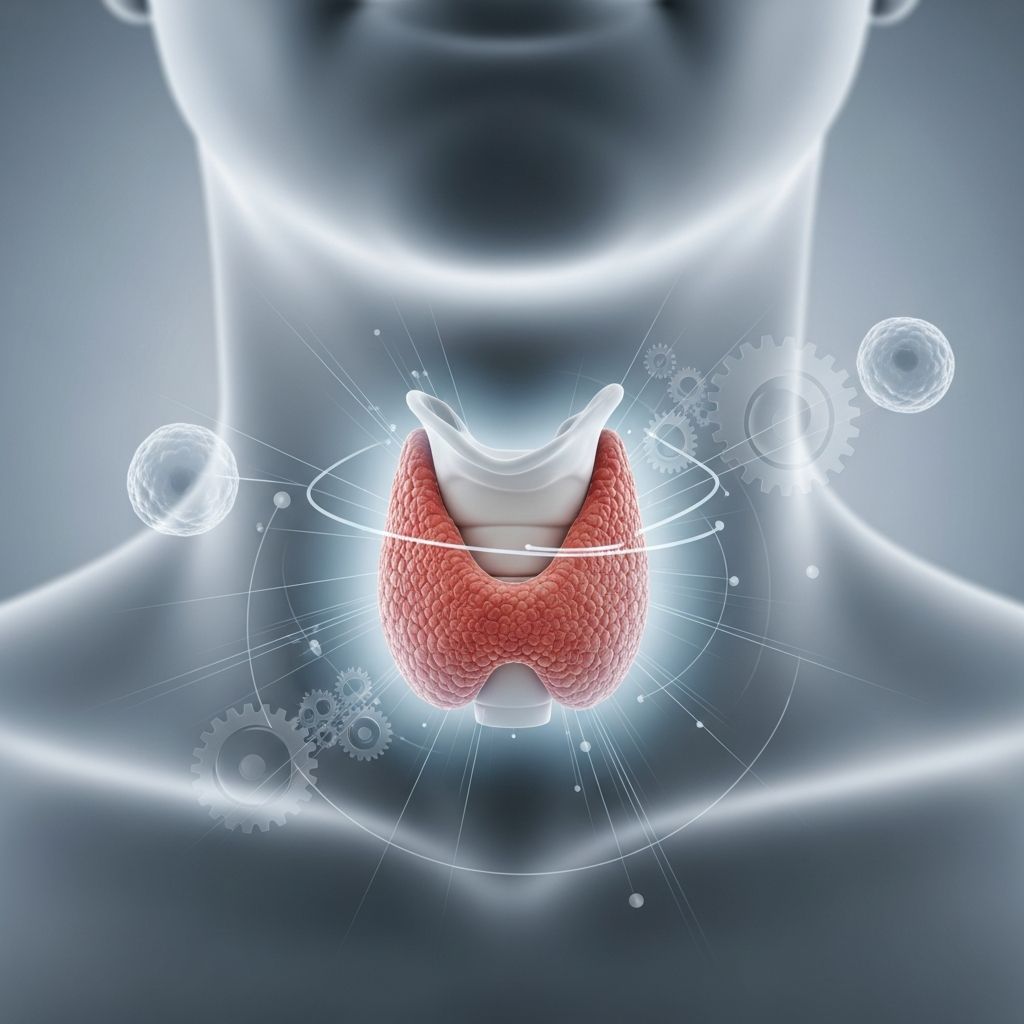
The thyroid gland, a small butterfly-shaped organ in the neck, produces hormones thyroxine (T4) and triiodothyronine (T3) that regulate metabolism, energy levels, heart rate, body temperature, and more. Hypothyroidism, or underactive thyroid, occurs when the gland fails to produce sufficient hormones, slowing bodily functions and leading to various symptoms. It affects millions worldwide, primarily women over 60, but can occur at any age. Early detection and treatment are crucial to prevent complications.
What is the Thyroid Gland?
The thyroid gland sits at the front of the neck, just below the Adam’s apple. It secretes T4 and T3, controlled by thyroid-stimulating hormone (TSH) from the pituitary gland. These hormones influence nearly every cell, ensuring proper growth, development, and metabolic balance. In hypothyroidism, low hormone levels disrupt this equilibrium.
Symptoms of Hypothyroidism
Symptoms develop gradually and can mimic other conditions, often going unnoticed initially. Common signs include:
- **Fatigue and tiredness**: Persistent exhaustion despite rest.
- **Sensitivity to cold**: Feeling unusually cold.
- **Weight gain**: Unexplained increase due to slowed metabolism.
- **Constipation**: Slowed digestion.
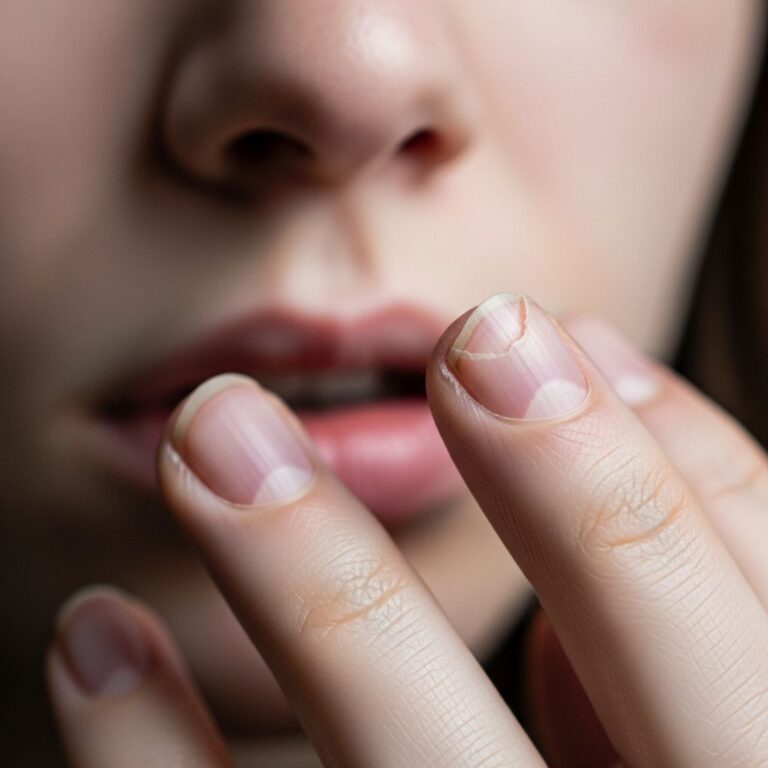
- **Dry skin and hair**: Thinning, brittle hair and rough skin.
- **Puffy face and hoarse voice**: Facial swelling and vocal changes.
- **Muscle weakness, aches, and stiffness**: Joint pain and reduced strength.
- **Depression and memory issues**: Mood changes and cognitive fog.
- **Menstrual irregularities**: Heavier or irregular periods in women.
- **Slowed heart rate (bradycardia)**: Reduced pulse.
In infants, symptoms may include poor feeding, jaundice, constipation, hoarse cry, and umbilical hernia, potentially causing developmental delays if untreated. Children might show poor growth, delayed puberty, or dental development issues. Severity varies; subclinical hypothyroidism shows elevated TSH but normal T4 with mild or no symptoms.
Causes of Hypothyroidism
The most common cause is
Hashimoto’s thyroiditis
, an autoimmune disorder where the immune system attacks the thyroid, impairing hormone production. It predominantly affects women aged 30-50. Other causes include:- **Thyroid surgery or radiation**: Removal or damage from cancer treatments reduces hormone output.
- **Thyroiditis**: Inflammation from infection, autoimmune issues, or postpartum changes, initially causing hyperthyroidism then hypothyroidism.
- **Medications**: Drugs like lithium, amiodarone, or cancer therapies interfere with thyroid function.
- **Congenital hypothyroidism**: Present at birth, affecting 1 in 2,000-4,000 newborns; screening is routine.
- **Pituitary disorders**: Rare failure to produce TSH due to tumors.
- **Iodine imbalance**: Deficiency (rare in iodized salt regions) or excess worsens the condition.
- **Pregnancy**: Postpartum thyroiditis or de novo development increases miscarriage and preeclampsia risks.
Associated conditions like type 1 diabetes, celiac disease, or rheumatoid arthritis heighten risk.
Diagnosis
Diagnosis starts with blood tests:
- **TSH test**: Elevated levels indicate underactivity.
- **Free T4 test**: Confirms low thyroxine.
- **Thyroid antibodies**: Detects autoimmune causes like Hashimoto’s.
Ultrasound or biopsy may assess nodules or inflammation. Newborn screening via heel prick is standard. Subclinical cases warrant monitoring or treatment based on risk factors.
Treatment
The mainstay is
levothyroxine (L-thyroxine)
, a synthetic T4 taken daily on an empty stomach. Dosage is individualized, starting low and titrated via repeat TSH tests every 6-8 weeks until stable, then annually.| Factor | Dosing Considerations |
|---|---|
| Adults | 1.6 mcg/kg body weight daily; adjust for age, weight, pregnancy |
| Pregnancy | Increase by 30-50% early; close monitoring |
| Elderly/Heart Disease | Start 25-50 mcg; gradual increase |
| Children | Weight-based; frequent adjustments |
Related Stories



Lifestyle aids absorption: avoid soy, calcium, iron within 4 hours. Combination T4/T3 therapy is not routinely recommended.
Complications if Untreated
Untreated hypothyroidism leads to:
- **Goiter**: Enlarged thyroid causing swallowing/breathing issues.
- **Heart disease**: Elevated LDL cholesterol, heart failure risk.
- **Peripheral neuropathy**: Nerve damage causing pain/tingling.
- **Infertility**: Ovulation disruption.
- **Myxedema coma**: Rare, life-threatening with hypothermia, unconsciousness; requires ICU care.
- In pregnancy: miscarriage, preterm birth, developmental issues.
Underactive Thyroid in Pregnancy
Hypothyroidism affects 2-3% of pregnancies, risking preeclampsia, anemia, and fetal neurocognitive impairment. Optimal preconception TSH <2.5 mIU/L; treat with levothyroxine, increasing dose by 25-50% upon confirmation. Breastfeeding women need dose checks.
Living with Hypothyroidism
Most achieve normal levels with treatment, but monitor for over-replacement (hyperthyroidism risks). Diet: balanced iodine (150 mcg/day adults); limit goitrogens like raw cruciferous veggies. Exercise combats fatigue/weight gain. Regular check-ups ensure control. Emotional support helps with depression.
When to Get Medical Advice
Consult a doctor for persistent fatigue, weight changes, cold intolerance, or family history. Urgent care for severe symptoms like extreme lethargy or swelling.
Frequently Asked Questions (FAQs)
Q: Can hypothyroidism be cured?
A: Not typically cured, but lifelong levothyroxine effectively manages it, restoring normal function.
Q: Does hypothyroidism cause hair loss?
A: Yes, dry, thinning hair is common; improves with treatment.
Q: Is weight gain inevitable with hypothyroidism?
A: Treatment normalizes metabolism; diet and exercise aid weight management.
Q: Can I eat soy or calcium with levothyroxine?
A: Space intake 4 hours apart to avoid absorption interference.
Q: How often are blood tests needed?
A: Every 6-8 weeks initially, then yearly once stable.
Q: Is hypothyroidism hereditary?
A: Genetic predisposition exists, especially with autoimmune forms.
This article provides comprehensive insights into hypothyroidism based on authoritative sources. Always consult healthcare professionals for personalized advice.
References
- Hypothyroidism (underactive thyroid) – Symptoms and causes — Mayo Clinic Staff. 2022-12-10. https://www.mayoclinic.org/diseases-conditions/hypothyroidism/symptoms-causes/syc-20350284
- Underactive thyroid (hypothyroidism) — NHS. (Accessed 2026). https://www.nhs.uk/conditions/underactive-thyroid-hypothyroidism/
- Hypothyroidism | Hashimoto’s Disease — MedlinePlus. (Accessed 2026). https://medlineplus.gov/hypothyroidism.html
- Hypothyroidism (Underactive Thyroid) — National Institute of Diabetes and Digestive and Kidney Diseases (NIDDK). (Accessed 2026). https://www.niddk.nih.gov/health-information/endocrine-diseases/hypothyroidism
- Hypothyroidism — American Thyroid Association. (Accessed 2026). https://www.thyroid.org/hypothyroidism/
Similar Articles








Read full bio of Sneha Tete