Underbite: Symptoms, Causes & Treatment Options
Complete guide to understanding underbites, their causes, symptoms, and effective treatment solutions.
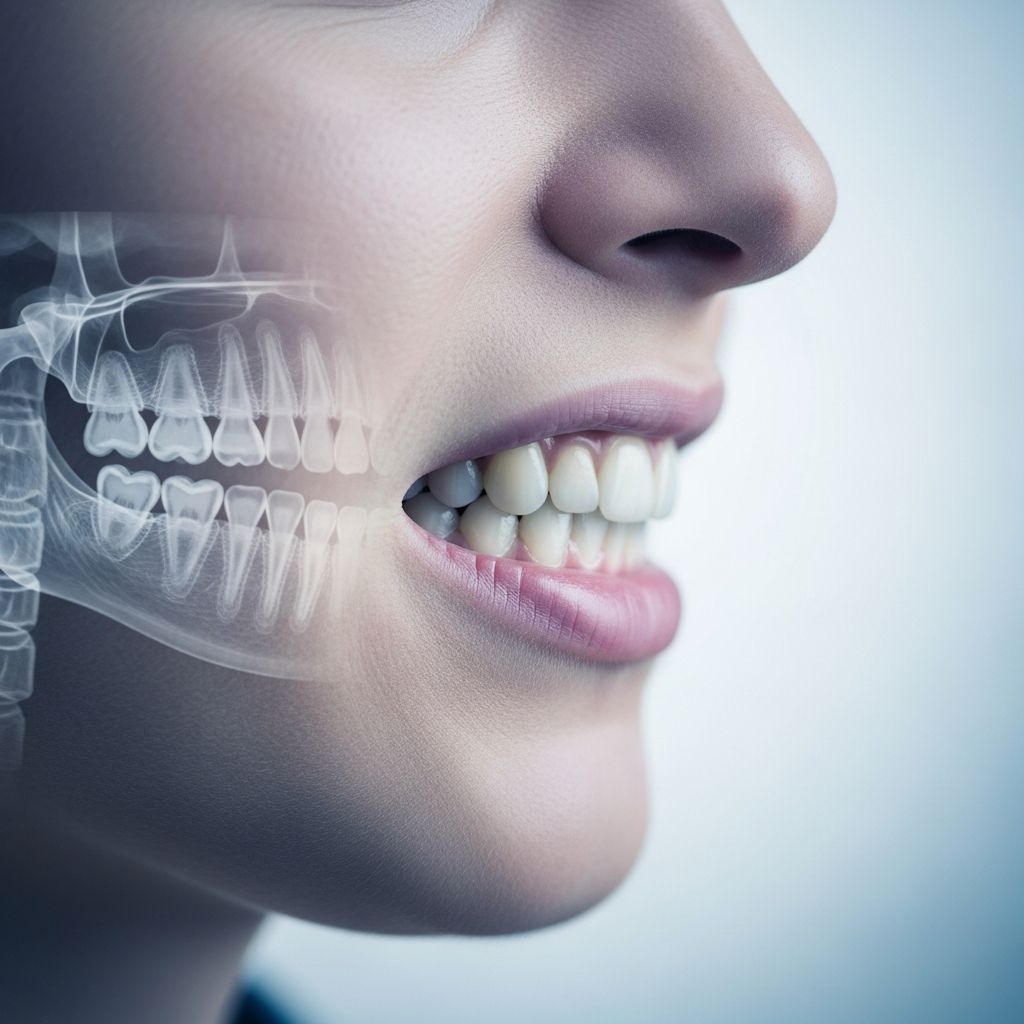
An underbite is a dental condition in which your lower front teeth extend beyond your upper front teeth when your mouth is closed. This type of bite misalignment, also known as Class III malocclusion in orthodontic terminology, occurs due to either a larger lower jaw, an underdeveloped upper jaw, or the positioning of your teeth rather than the actual size or placement of your jaw bones. While a mild underbite may not cause noticeable problems, a severe underbite can result in your jaw sticking out prominently and create various functional and aesthetic concerns.
Understanding Underbite Severity
Underbites vary significantly in their severity, ranging from barely noticeable to quite pronounced. A mild underbite may be so subtle that it goes unnoticed during casual observation, and many individuals with mild cases experience no pain or functional difficulties. In contrast, a severe underbite presents with a lower jaw that juts out prominently, which is visually noticeable and can significantly alter facial appearance and profile. This noticeable change can sometimes lead to self-consciousness about one’s appearance. The severity of an underbite determines not only the approach to treatment but also the urgency with which intervention should be pursued.
Symptoms and Signs of Underbite
The symptoms of an underbite can vary depending on its severity. Common indicators include:
- Protruding lower jaw or “strong chin” profile appearance
- Visible misalignment where lower front teeth overlap in front of upper front teeth
- Difficulty opening or closing your mouth completely
- Discomfort or pain while speaking or chewing
- Biting the inside of your mouth or cheeks
- Jaw pain or discomfort
- Speech impediments or difficulty pronouncing certain sounds
- Difficulty breathing in some cases
- Bad breath or halitosis
Over time, an untreated underbite can lead to additional complications affecting both oral health and overall well-being. The misalignment can cause uneven wear on your teeth, increase your risk of tooth decay and gum disease, and create ongoing functional problems with eating and speaking.
Causes of Underbite
Underbites develop through various causes, which can be categorized into structural and behavioral factors. Understanding the underlying cause is essential for determining the most effective treatment approach.
Genetic and Structural Factors
The primary cause of underbites is genetics. Some individuals inherit a lower jaw that is naturally larger than their upper jaw, or they may have an underdeveloped upper jaw. These structural variations are passed down through family lines and cannot be prevented. Additionally, underbites can result from the positioning of your teeth rather than from jaw size differences. Certain skeletal abnormalities or conditions affecting jaw development can also contribute to underbite formation.
Behavioral and Environmental Factors
While genetic underbites cannot be prevented, certain behaviors and habits during childhood may contribute to underbite development. Extended thumb sucking, prolonged pacifier use, and tongue thrusting can influence jaw growth and tooth positioning. Additionally, injuries to the jaw or certain medical conditions affecting bone development may increase underbite risk. Parents and caregivers can help minimize these behavioral risk factors through early intervention and habit correction.
Why Treating Underbite Is Important
Beyond cosmetic concerns, treating an underbite is crucial for maintaining proper oral health and preventing long-term complications. Untreated underbites can lead to:
- Accelerated tooth wear and damage
- Increased risk of tooth decay and cavities
- Gum disease and periodontal problems
- Chronic jaw pain and temporomandibular joint (TMJ) dysfunction
- Difficulty maintaining proper oral hygiene
- Speech and swallowing difficulties
- Sleep-related breathing issues
- Nutritional problems due to chewing difficulties
Early treatment prevents these complications and can significantly improve quality of life, self-confidence, and long-term oral health outcomes.
Treatment Options for Underbite
The optimal treatment approach depends on the severity of your underbite, your age, and whether your jaw bones are still developing. Generally, treatment strategies that gradually modify bone structure are more effective in children and teens whose bones remain malleable, while adults often require more invasive interventions.
Treatment for Children
Early intervention is exceptionally beneficial for children, ideally beginning between ages 7 and 10 when jaw bones are still developing and much easier to modify without surgery. Starting treatment during the growing years maximizes effectiveness because children’s bones are more malleable, allowing orthodontists to guide jaw growth more effectively and easily.
Palatal Expanders
A palatal expander is a specialized orthodontic device that widens the upper jaw to create more room for teeth and encourage better alignment. This device works gradually over time, applying gentle pressure to the palate and upper jaw structure. By expanding the upper jaw width, palatal expanders help create the necessary space for proper tooth positioning and can significantly improve bite alignment in growing children.
Reverse-Pull Face Mask
A reverse-pull face mask, also called reverse-pull headgear, is an orthodontic device designed to gradually pull the upper jaw forward to balance its position with the lower jaw. This device rests on your child’s forehead and chin, with elastic bands attached to the upper jaw and the device itself. The continuous gentle pulling motion helps reposition the upper jaw into proper alignment. Often, a reverse-pull face mask is used in combination with a palatal expander for maximum effectiveness. While these devices are effective, they require regular orthodontist adjustments and can feel uncomfortable. Additionally, they represent a significant financial investment for families.
Early Intervention and Guidance
The timing of treatment in childhood is absolutely critical. Beginning treatment during the growing years takes advantage of the natural malleability of developing bones, allowing orthodontists to guide jaw growth more effectively. This early intervention often eliminates the need for surgical intervention later in life and typically results in more stable, long-lasting outcomes.
Treatment for Adults
Although adult jaw bones have finished developing and are no longer malleable, modern orthodontic treatments and surgical options provide excellent outcomes for correcting underbites. Adults have several effective treatment pathways available.
Braces
Traditional braces remain one of the most effective treatments for mild to severe underbites in adults. These fixed appliances, constructed from metal or ceramic materials, apply consistent pressure to teeth, gradually shifting them into their ideal position. Braces can be applied to all teeth or only those affected by the underbite. Some braces are designed to be clear and blend naturally with teeth, making them less visible than traditional metal braces. Following braces removal, patients typically need to wear a retainer to hold teeth in their new position and prevent relapse. However, braces do have drawbacks: they are highly visible, can cause initial discomfort and soreness, and make eating and oral hygiene maintenance more challenging.
Clear Aligners
Clear aligners offer a more discreet alternative to traditional braces for treating mild underbites in adults. These custom-made, removable plastic trays gradually move teeth into alignment and are nearly invisible when worn. Many patients prefer aligners because they are less noticeable and can be removed for eating and cleaning, making oral hygiene easier. However, aligners are most effective for mild cases and may not be suitable for severe underbite correction.
Elastics and Bite Correction
Elastics, or elastic rubber bands, are often used in conjunction with braces to correct underbites. An orthodontist attaches these small elastic bands to the braces in specific configurations. The elastics apply targeted pressure that pulls the upper jaw forward into proper alignment, creating better balance between the upper and lower jaws. This technique is particularly effective for underbites caused by jaw position rather than severe skeletal discrepancies.
Orthognathic Surgery
For severe underbites that cannot be adequately corrected through orthodontic treatment alone, orthognathic surgery becomes necessary. This surgical procedure, performed by an oral surgeon, repositions the jaw bones to create proper alignment and ensure a balanced bite with an aesthetically pleasing facial profile. Surgery is typically considered when other less invasive treatment options have proven insufficient and the underbite significantly impacts function or appearance. While surgery represents a more significant intervention, it often provides the most dramatic and stable correction for severe cases.
Diagnosis and Professional Consultation
Proper diagnosis of an underbite requires evaluation by a qualified dental professional. A dentist or orthodontist will perform a comprehensive examination, which typically includes visual assessment, bite evaluation, X-rays, and sometimes 3D imaging. This diagnostic process determines the severity of the underbite, identifies the underlying cause, and helps the professional recommend the most appropriate treatment approach based on your age, specific condition, and treatment goals.
Treatment Timeline and Expectations
The timeline for underbite correction varies depending on the treatment method selected and the severity of the condition. Palatal expanders and reverse-pull headgear in children typically require 18 to 36 months of consistent use. Traditional braces usually take 18 to 36 months, while clear aligners may require 12 to 24 months for mild cases. Orthognathic surgery may provide more immediate results, though the healing process and final bone remodeling can take several months to complete. Following any active treatment, wearing a retainer is essential to maintain your corrected bite and prevent relapse.
Outlook and Long-term Success
The outlook for underbite correction is excellent. If your underbite is mild, you may never notice it or require treatment. Even if your underbite is severe, it is usually a correctable condition, and surgery is typically not required if treatment begins during childhood. Starting treatment early, between ages 7 and 10, significantly improves outcomes and often eliminates the need for future surgical intervention. With modern orthodontic techniques and timely intervention, most underbites can be successfully corrected, leading to improved oral function, better oral health, and enhanced confidence.
Frequently Asked Questions
Q: At what age should underbite treatment begin?
A: The ideal age to begin underbite treatment is between 7 and 10 years old, when jaw bones are still developing. Early intervention takes advantage of natural bone growth and often eliminates the need for surgery later. However, treatment can be effective at any age.
Q: Can underbites be prevented?
A: Genetic underbites cannot be prevented as they are inherited. However, parents can minimize behavioral risk factors by discouraging thumb sucking, reducing prolonged pacifier use, and preventing tongue thrusting habits in children.
Q: How long does underbite treatment typically take?
A: Treatment duration varies by method and severity. Palatal expanders and reverse-pull headgear typically take 18-36 months, braces usually take 18-36 months, and clear aligners for mild cases may take 12-24 months. Surgical correction may provide faster results with months of healing.
Q: Is surgery necessary for all underbites?
A: No, surgery is not necessary for all underbites. Many underbites, especially those treated in childhood, can be corrected through non-surgical orthodontic methods. Surgery is typically reserved for severe cases in adults where other treatments have been insufficient.
Q: Can adults get their underbite corrected?
A: Yes, adults can have their underbites corrected. Modern orthodontic treatments including braces, clear aligners, and surgical options provide excellent outcomes for adults, though treatment may take longer than in children with developing bones.
Q: What should I expect after braces are removed?
A: After braces are removed, you will typically need to wear a retainer to hold your teeth in their new position and prevent relapse. Your orthodontist will recommend whether you need to wear a retainer full-time initially and then at night long-term.
Q: Will my underbite return after treatment?
A: With proper retention, your corrected bite can be maintained long-term. Consistent retainer use as prescribed by your orthodontist significantly reduces the risk of relapse. However, some minor changes can occur over time without proper retention.
Q: What is the difference between an underbite and an overbite?
A: An underbite occurs when the lower front teeth extend beyond the upper front teeth. An overbite is the opposite condition, where the upper front teeth overlap significantly over the lower front teeth. Both are types of bite misalignment requiring orthodontic correction.
References
- Underbite: Symptoms & Causes — Cleveland Clinic. 2024. https://my.clevelandclinic.org/health/diseases/24985-underbite
- What to Know About Underbite — WebMD. 2024. https://www.webmd.com/oral-health/what-to-know-about-underbite
- Malocclusion (Misaligned Bite): Types & Treatment — Cleveland Clinic. 2024. https://my.clevelandclinic.org/health/diseases/22010-malocclusion
- Orthodontic Headgear: Types & Uses — Cleveland Clinic. 2024. https://my.clevelandclinic.org/health/treatments/orthodontic-headgear
- What Is Orthodontics? — Cleveland Clinic. 2024. https://my.clevelandclinic.org/health/treatments/24285-orthodontics
- Underbite: Causes, Signs & Treatment — Invisalign. 2024. https://www.invisalign.co.uk/resources/treatable-cases/underbite-causes-signs-treatment
Similar Articles








Read full bio of Sneha Tete