Understanding Acute and Chronic Inflammation
Learn the key differences between acute and chronic inflammation and their impact on health.
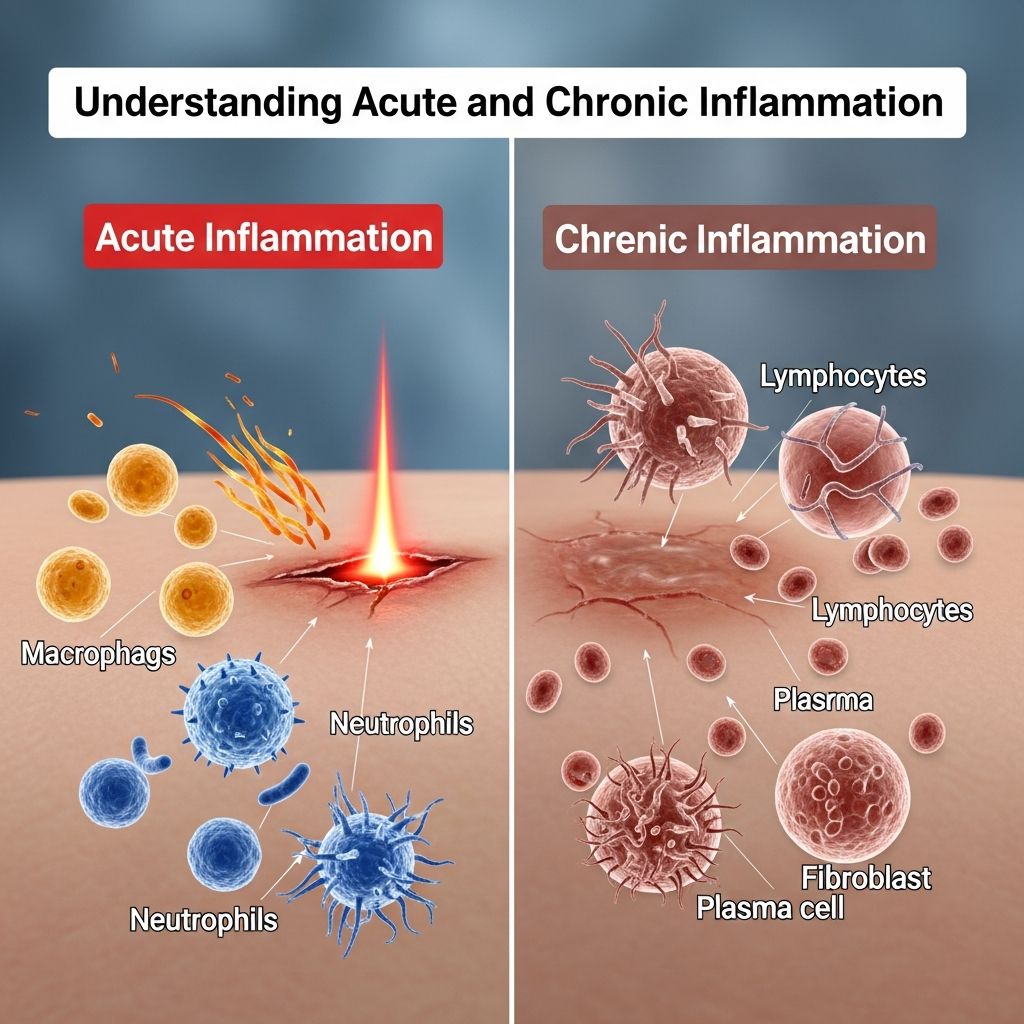
Understanding Acute and Chronic Inflammation: A Comprehensive Guide
Inflammation is a natural and necessary response that your body uses to protect itself from harm. When you cut your finger, develop an infection, or experience an injury, inflammation springs into action as part of your immune system’s defense mechanism. However, not all inflammation is beneficial. While acute inflammation serves an important protective function, chronic inflammation can quietly damage your body over time, contributing to numerous diseases and conditions. Understanding the distinction between these two types of inflammation is crucial for maintaining optimal health and preventing long-term complications.
What Is Acute Inflammation?
Acute inflammation is your body’s immediate response to injury, infection, or irritation. It typically develops rapidly and is characterized by visible signs that most people can recognize. When acute inflammation occurs, you may notice redness, swelling, warmth, and pain at the affected site. These cardinal signs of inflammation represent your immune system working to neutralize threats and initiate the healing process.
The purpose of acute inflammation is to isolate the problematic area, eliminate harmful pathogens, remove damaged tissue, and begin the repair process. For example, when you twist your ankle, the surrounding tissue becomes inflamed, which causes swelling and pain. This inflammatory response brings immune cells to the injured area to clean up damaged tissue and prevent infection. Typically, acute inflammation resolves within days to weeks as the body heals.
Understanding Chronic Inflammation
Chronic inflammation is fundamentally different from acute inflammation. Rather than resolving within a short timeframe, chronic inflammation persists over months, years, or even a lifetime. This low-grade, systemic inflammation often occurs without obvious symptoms, which is why it is sometimes called “hidden” or “silent” inflammation.
Unlike the obvious signs of acute inflammation, chronic inflammation typically develops gradually and may go unnoticed for extended periods. The problem is that when your body’s inflammatory response becomes persistent and uncontrolled, it begins to damage healthy tissues and organs. Instead of protecting your body, chronic inflammation becomes a source of ongoing harm.
Key Differences Between Acute and Chronic Inflammation
The distinction between acute and chronic inflammation is critical for understanding their different impacts on health:
| Characteristic | Acute Inflammation | Chronic Inflammation |
|---|---|---|
| Duration | Days to weeks | Months to years or lifetime |
| Onset | Rapid | Gradual |
| Visible Signs | Redness, swelling, warmth, pain | Often no obvious symptoms |
| Purpose | Protective and healing | Damaging and harmful |
| Resolution | Resolves naturally | Does not resolve without intervention |
Chronic Inflammation and Disease
Recent scientific research has revealed a compelling connection between chronic inflammation and numerous serious diseases. What was once considered merely a symptom of illness is now recognized as a potential cause. Low-grade, chronic inflammation has been linked to an array of conditions including:
Cardiovascular diseases: Chronic inflammation plays a significant role in atherosclerosis and coronary artery disease, where inflammation of artery walls contributes to plaque buildup and narrowing of blood vessels.
Cancer: Research has shown that chronic inflammatory responses can increase cancer risk and affect cancer progression.
Neurodegenerative diseases: Conditions such as Alzheimer’s disease and Parkinson’s disease have been associated with chronic inflammation in the brain.
Metabolic disorders: Type 2 diabetes, obesity, and metabolic syndrome are increasingly recognized as chronic inflammatory conditions.
Autoimmune and joint disorders: Rheumatoid arthritis, inflammatory bowel disease, and other autoimmune conditions involve chronic inflammation directed against the body’s own tissues.
Other conditions: Chronic inflammation has also been implicated in asthma, gout, psoriasis, multiple sclerosis, depression, and various age-related diseases.
Related Stories



The Mechanisms of Chronic Inflammation
Understanding how chronic inflammation develops and persists helps explain why it poses such a significant health threat. When your body experiences ongoing stress, repeated infections, poor diet, or sustained environmental triggers, the inflammatory response fails to shut down properly. Instead of resolving, it becomes locked in an “on” position.
Certain molecules, including proteins like IL-1beta, play crucial roles in perpetuating chronic inflammation by promoting adhesion between immune cells and blood vessel walls. While this stickiness is beneficial in the short term for fighting infection, it becomes problematic when it continues indefinitely, contributing to conditions like atherosclerosis.
Additionally, cells beyond the traditional immune system can produce inflammatory signals. Artery wall cells, for example, can secrete substances that trigger immune responses, amplifying the inflammatory cascade at sites of disease. This expanded understanding of inflammation sources helps explain why chronic inflammation is so pervasive and difficult to control.
Risk Factors for Chronic Inflammation
Several lifestyle and environmental factors contribute to the development and persistence of chronic inflammation:
Poor diet: Processed foods, excess sugar, and unhealthy fats can promote inflammatory responses in the body.
Physical inactivity: Sedentary behavior is associated with elevated inflammatory markers.
Chronic stress: Psychological stress triggers inflammatory responses that can persist over time.
Inadequate sleep: Poor sleep quality and insufficient sleep duration increase inflammation.
Obesity: Excess body weight, particularly abdominal fat, promotes chronic inflammation.
Environmental exposures: Pollution, toxins, and other environmental stressors can trigger ongoing inflammatory responses.
Smoking: Tobacco smoke causes sustained inflammatory damage to multiple organ systems.
Chronic infections: Persistent infections can maintain inflammatory responses.
Detecting Hidden Inflammation
One of the most challenging aspects of chronic inflammation is that it often goes undetected. Unlike acute inflammation with its obvious signs, chronic inflammation can silently damage your body for years. Currently, testing for hidden inflammation in the average patient is not routine in most primary care settings, though it is increasingly practiced in specialized clinics such as cardiology practices.
High-sensitivity C-reactive protein (hs-CRP) tests represent one method for detecting low-level chronic inflammation. These tests can measure even small elevations in inflammatory markers. Standard thresholds, such as levels above 2 mg/L, can be used to identify residual inflammatory risk. However, interpreting these results requires clinical expertise, as elevated CRP can result from various causes including recent infections or acute illness.
If you have concerns about chronic inflammation, consult with your healthcare provider about whether inflammatory markers should be measured as part of your health assessment, particularly if you have cardiovascular disease risk factors or family history of chronic inflammatory conditions.
Lifestyle Strategies to Reduce Chronic Inflammation
The encouraging news is that chronic inflammation can be reduced through evidence-based lifestyle modifications. Research has demonstrated that regular physical activity substantially decreases chronic inflammation, often more significantly than other cardiovascular benefits like improved blood pressure or weight loss.
Regular exercise: Aim for at least 150 minutes of moderate-intensity aerobic activity per week, combined with resistance training. Exercise reduces inflammatory markers throughout the body.
Anti-inflammatory diet: Consume foods rich in omega-3 fatty acids, antioxidants, and phytochemicals. Include fatty fish, berries, leafy greens, nuts, and whole grains while minimizing processed foods and added sugars.
Stress management: Practice relaxation techniques such as meditation, deep breathing, yoga, or tai chi to counter stress-induced inflammation.
Quality sleep: Prioritize 7-9 hours of consistent, quality sleep nightly, as sleep is crucial for immune regulation and inflammation control.
Weight management: Achieving and maintaining a healthy weight reduces inflammatory signaling from adipose tissue.
Limit harmful substances: Avoid smoking, excessive alcohol consumption, and minimize exposure to environmental toxins.
Medical Treatments for Chronic Inflammation
Beyond lifestyle modifications, medical interventions may be appropriate for managing chronic inflammation, particularly in cases of autoimmune diseases or when inflammation contributes to serious conditions. Anti-inflammatory medications and immunomodulatory therapies can help control excessive inflammatory responses.
Notably, recent research has established that anti-inflammatory and immunosuppressive effects are not identical. Certain anti-inflammatory drugs can reduce inflammation without compromising immune function, allowing patients to benefit from inflammation reduction while maintaining protection against infections. This distinction opens new possibilities for treating chronic inflammatory conditions more safely and effectively.
The Impact of Chronic Inflammation on Overall Health
The accumulating evidence demonstrates that chronic inflammation is not merely a symptom accompanying various diseases—it is a fundamental cause of many age-related conditions. Multiple seemingly unrelated illnesses, including Alzheimer’s disease, cardiovascular disease, cancer, arthritis, diabetes, and others, share a common underlying mechanism rooted in persistent inflammation.
This clustering of chronic diseases reflects deeply embedded evolutionary vulnerabilities in human biology. Our inflammatory response system evolved to protect us from acute threats, but modern lifestyles and environments often trigger chronic, sustained inflammatory responses that our bodies are ill-equipped to handle indefinitely.
Frequently Asked Questions
Q: Can acute inflammation turn into chronic inflammation?
A: While acute and chronic inflammation are distinct processes, persistent triggers or inadequate resolution of acute inflammation can lead to chronic inflammatory states. Even minor gastrointestinal inflammation, such as from traveler’s diarrhea, can sometimes result in persistent functional changes lasting months or years in some individuals.
Q: Is all inflammation bad?
A: No. Acute inflammation is essential for healing and fighting infections. The goal is not to completely eliminate inflammation, but rather to prevent it from becoming chronic and persistent. The distinction lies between helpful, short-term acute inflammation and harmful, long-term chronic inflammation.
Q: How can I tell if I have chronic inflammation?
A: Chronic inflammation often produces no obvious symptoms, which is why it is sometimes called “silent” inflammation. This is why medical testing, particularly for individuals with risk factors for chronic disease, can be valuable. Consult your healthcare provider about whether inflammatory markers should be assessed based on your individual risk profile.
Q: How long does it take lifestyle changes to reduce chronic inflammation?
A: Improvements in inflammatory markers can occur relatively quickly with sustained lifestyle changes. Regular exercise has been shown to reduce inflammation over time, though consistent effort is required to maintain these benefits.
Q: Are there foods that increase inflammation?
A: Yes. Processed foods, refined sugars, excessive refined carbohydrates, trans fats, and certain vegetable oils high in omega-6 fatty acids can promote inflammatory responses. Conversely, foods rich in omega-3 fatty acids, polyphenols, and antioxidants help combat inflammation.
References
- Is Inflammation Silently Wreaking Havoc on Your Body? — Prevention. Accessed December 2025. https://www.prevention.com/health/a37712047/inflammation-signs-and-treatments/
- The Hidden Link Between Inflammation and Disease — Harvard T.H. Chan School of Public Health. October 19, 2023. https://www.youtube.com/watch?v=MlEIA9Vb02o
- Inflammation Causes Many Common Diseases of Aging — Harvard Magazine. April 2019. https://www.harvardmagazine.com/2019/04/inflammation-disease-diet
Similar Articles








Read full bio of medha deb