Understanding ADHD: Symptoms, Diagnosis & Treatment
Learn about ADHD symptoms, how it's diagnosed, and the best treatment options for children and adults.
What Is ADHD?
Attention-Deficit/Hyperactivity Disorder (ADHD) is a neurodevelopmental disorder that affects both children and adults. It is characterized by persistent patterns of inattention, hyperactivity, and impulsivity that interfere with daily functioning and development. ADHD is not a result of poor parenting or lack of discipline, but rather a complex condition involving brain development and function.
Types of ADHD
There are three main types of ADHD:
- Inattentive ADHD: Characterized by difficulty concentrating, focusing on tasks, and staying organized.
- Hyperactive/Impulsive ADHD: Marked by excessive activity, restlessness, and impulsive behavior.
- Mixed ADHD: A combination of inattentive and hyperactive/impulsive symptoms.
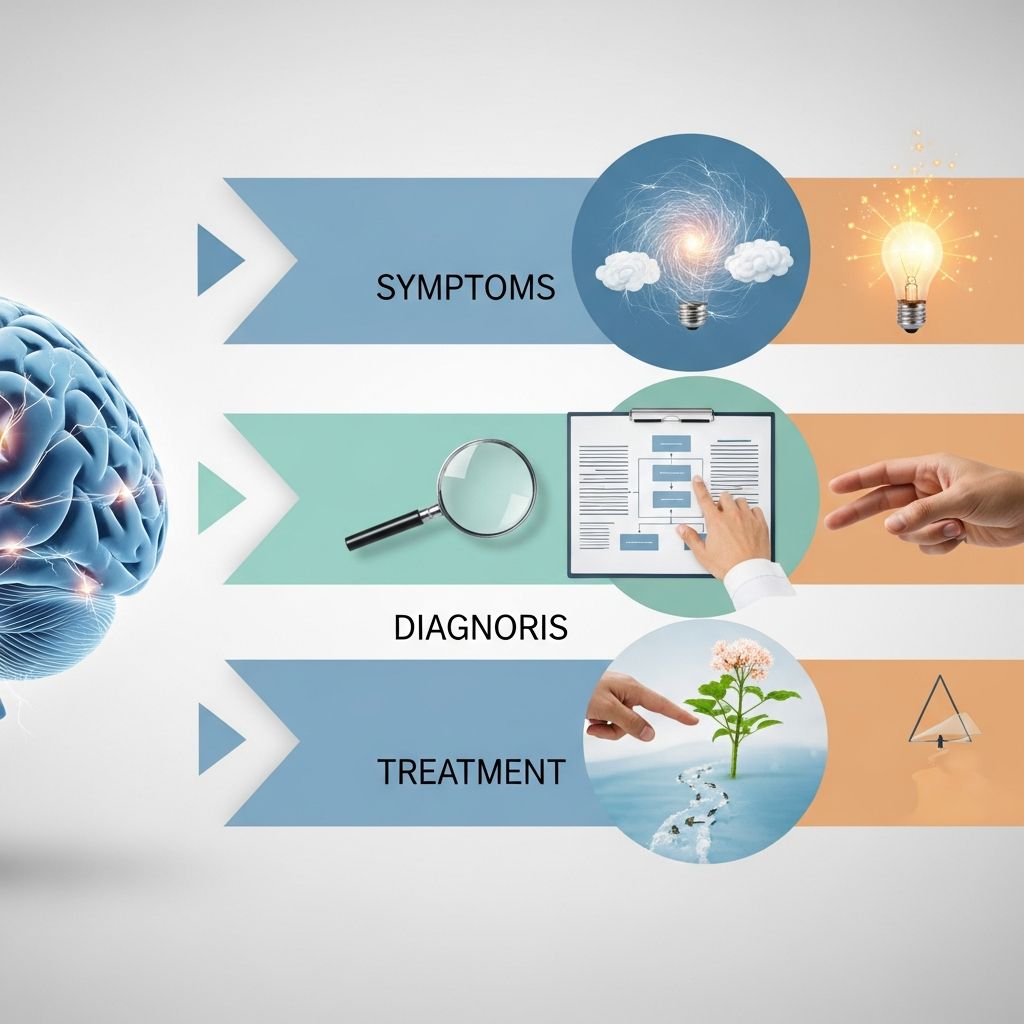
Symptoms of ADHD
The symptoms of ADHD can vary depending on the type and the individual. Common symptoms include:
- Difficulty sustaining attention
- Forgetfulness
- Disorganization
- Impulsivity
- Hyperactivity
- Difficulty following instructions
- Procrastination
- Interrupting others
- Difficulty waiting for turns
Diagnosis of ADHD
Diagnosing ADHD involves a comprehensive evaluation by a healthcare provider. There is no single test for ADHD; instead, diagnosis is based on a combination of clinical interviews, behavioral observations, and information from multiple sources such as parents, teachers, and other caregivers.
Diagnostic Criteria
Healthcare providers use the criteria listed in the Diagnostic and Statistical Manual of Mental Disorders, Fifth Edition, Text Revision (DSM-5-TR) to diagnose ADHD. The criteria include:
- Symptoms must be present for at least six months.
- Symptoms must be present in more than one setting (e.g., at home and at school).
- Symptoms must interfere with daily functioning.
- Symptoms must have been present before the age of 12.
- Symptoms must not be better explained by another mental health disorder.
ADHD Screening Process
The ADHD screening process typically involves the following steps:
- Initial Interview: The healthcare provider discusses the individual’s development, health, family, and lifestyle history.
- Behavioral Observations: The provider observes the individual’s behavior and may interview other people such as family members, friends, teachers, or coaches.
- Questionnaires: The provider may use standardized questionnaires to assess symptoms and their impact on daily life.
- Physical Exam: A physical exam may be conducted to rule out other medical conditions that could cause similar symptoms.
- Additional Assessments: The provider may recommend additional assessments to diagnose or rule out other conditions such as learning disabilities or autism.
Treatment of ADHD
ADHD treatments fall into two main groups: behavioral interventions and medications. The exact treatment plan varies according to the individual’s age and specific needs.
Behavioral Interventions
Behavioral interventions are designed to teach practical skills and strategies to manage ADHD symptoms. These may include:
- Behavioral Therapy: Helps individuals develop coping strategies and improve organizational skills.
- Parent Training: Teaches parents how to manage their child’s behavior and create a supportive environment.
- Social Skills Training: Helps individuals improve their social interactions and relationships.
- Executive Functioning Skills Training: Focuses on improving planning, organization, and time management skills.
- Organizational Skills Training: Helps individuals stay organized and manage their daily tasks.
Related Stories



Medications
Medications are often used to treat the symptoms of ADHD, such as hyperactivity and impulsivity. Common medications include stimulants and non-stimulants. The choice of medication and dosage is determined by the healthcare provider based on the individual’s symptoms and response to treatment.
ADHD in Children
ADHD in children can pose challenges in school and social situations. Children with ADHD may have difficulty concentrating, following instructions, and completing tasks. They may also struggle with social interactions and relationships.
Diagnosis in Children
Diagnosing ADHD in children involves a thorough evaluation by a healthcare provider. The provider will gather information from parents, teachers, and other caregivers to assess the child’s behavior and symptoms.
Treatment in Children
Treatment for children with ADHD may include a combination of behavioral interventions and medications. Behavioral interventions can help children develop coping strategies and improve their social skills. Medications can help manage symptoms and improve focus and attention.
ADHD in Adults
ADHD in adults can affect work, relationships, and daily functioning. Adults with ADHD may struggle with time management, organization, and completing tasks. They may also experience difficulties in their personal and professional relationships.
Diagnosis in Adults
Diagnosing ADHD in adults involves a comprehensive evaluation by a healthcare provider. The provider will assess the individual’s current symptoms and symptoms from childhood. The evaluation may include interviews, questionnaires, and behavioral observations.
Treatment in Adults
Treatment for adults with ADHD may include a combination of behavioral interventions and medications. Behavioral interventions can help adults develop coping strategies and improve their organizational skills. Medications can help manage symptoms and improve focus and attention.
Comorbid Conditions
Children and adults with ADHD often have other mental health conditions, such as anxiety, depression, or learning disabilities. These conditions can complicate the diagnosis and treatment of ADHD. Healthcare providers may recommend additional assessments to diagnose or rule out these other conditions.
FAQs
Q: Can ADHD be diagnosed in adults?
A: Yes, ADHD can be diagnosed in adults. The diagnostic process involves a comprehensive evaluation by a healthcare provider.
Q: What are the main types of ADHD?
A: The main types of ADHD are inattentive, hyperactive/impulsive, and mixed.
Q: What are the common symptoms of ADHD?
A: Common symptoms include difficulty sustaining attention, forgetfulness, disorganization, impulsivity, hyperactivity, and difficulty following instructions.
Q: How is ADHD diagnosed?
A: ADHD is diagnosed through a comprehensive evaluation that includes clinical interviews, behavioral observations, and information from multiple sources.
Q: What are the treatment options for ADHD?
A: Treatment options include behavioral interventions and medications. The exact treatment plan varies according to the individual’s age and specific needs.
Q: Can ADHD be managed without medication?
A: Yes, ADHD can be managed with behavioral interventions alone, but medications are often used to help manage symptoms.
Q: What are the challenges of ADHD in children?
A: Children with ADHD may struggle with concentration, following instructions, completing tasks, and social interactions.
Q: What are the challenges of ADHD in adults?
A: Adults with ADHD may struggle with time management, organization, completing tasks, and personal and professional relationships.
Q: Are there any lab tests for ADHD?
A: No, there are no lab tests (like blood or urine tests) that can diagnose ADHD. Diagnosis is based on clinical evaluation and behavioral observations.
Q: Can ADHD be outgrown?
A: Some individuals may outgrow ADHD symptoms, but many continue to experience symptoms into adulthood.
Q: What are the long-term effects of ADHD?
A: Long-term effects of ADHD can include difficulties in school, work, and relationships, but with proper treatment, many individuals can manage their symptoms effectively.
Q: How can parents support a child with ADHD?
A: Parents can support a child with ADHD by providing a structured environment, using positive reinforcement, and seeking professional help when needed.
Q: What are the side effects of ADHD medications?
A: Common side effects of ADHD medications include appetite loss, insomnia, and irritability. The healthcare provider will monitor for side effects and adjust the treatment plan as needed.
Q: Can ADHD be prevented?
A: There is no known way to prevent ADHD, but early diagnosis and treatment can help manage symptoms and improve outcomes.
Q: What are the benefits of behavioral interventions for ADHD?
A: Behavioral interventions can help individuals develop coping strategies, improve organizational skills, and enhance social interactions.
Q: What are the benefits of medications for ADHD?
A: Medications can help manage symptoms such as hyperactivity and impulsivity, improving focus and attention.
Q: What are the risks of untreated ADHD?
A: Untreated ADHD can lead to difficulties in school, work, and relationships, as well as increased risk of mental health issues.
Q: How can adults with ADHD improve their daily functioning?
A: Adults with ADHD can improve their daily functioning by using organizational tools, seeking professional help, and developing coping strategies.
Q: What are the signs that a child may have ADHD?
A: Signs include difficulty concentrating, forgetfulness, disorganization, impulsivity, hyperactivity, and difficulty following instructions.
Q: What are the signs that an adult may have ADHD?
A: Signs include difficulty with time management, organization, completing tasks, and personal and professional relationships.
Q: How can schools support students with ADHD?
A: Schools can support students with ADHD by providing accommodations, using positive reinforcement, and collaborating with parents and healthcare providers.
Q: What are the long-term outcomes for individuals with ADHD?
A: With proper treatment, many individuals with ADHD can manage their symptoms effectively and lead fulfilling lives.
Q: What are the latest research findings on ADHD?
A: Recent research has focused on the genetic and environmental factors that contribute to ADHD, as well as new treatment approaches and interventions.
Q: How can families cope with ADHD?
A: Families can cope with ADHD by seeking professional help, using positive reinforcement, and creating a supportive environment.
Q: What are the resources available for individuals with ADHD?
A: Resources include support groups, educational materials, and professional organizations dedicated to ADHD.
Q: What are the challenges of ADHD in women?
A: Women with ADHD may face unique challenges, such as underdiagnosis and misdiagnosis, as well as social and emotional difficulties.
Q: What are the challenges of ADHD in men?
A: Men with ADHD may face challenges related to hyperactivity, impulsivity, and social interactions.
Q: What are the challenges of ADHD in older adults?
A: Older adults with ADHD may face challenges related to cognitive decline, medication management, and social isolation.
Q: What are the challenges of ADHD in children with learning disabilities?
A: Children with ADHD and learning disabilities may face additional challenges in school and social situations, requiring specialized support and interventions.
Q: What are the challenges of ADHD in children with autism?
A: Children with ADHD and autism may face challenges related to social interactions, communication, and behavior, requiring a multidisciplinary approach to treatment.
Q: What are the challenges of ADHD in children with anxiety?
A: Children with ADHD and anxiety may face challenges related to emotional regulation, social interactions, and academic performance, requiring a comprehensive treatment plan.
Q: What are the challenges of ADHD in children with depression?
A: Children with ADHD and depression may face challenges related to mood, motivation, and social interactions, requiring a comprehensive treatment plan.
Q: What are the challenges of ADHD in children with oppositional defiant disorder?
A: Children with ADHD and oppositional defiant disorder may face challenges related to behavior, social interactions, and academic performance, requiring a comprehensive treatment plan.
Q: What are the challenges of ADHD in children with conduct disorder?
A: Children with ADHD and conduct disorder may face challenges related to behavior, social interactions, and academic performance, requiring a comprehensive treatment plan.
Q: What are the challenges of ADHD in children with bipolar disorder?
A: Children with ADHD and bipolar disorder may face challenges related to mood, behavior, and social interactions, requiring a comprehensive treatment plan.
Q: What are the challenges of ADHD in children with Tourette syndrome?
A: Children with ADHD and Tourette syndrome may face challenges related to tics, behavior, and social interactions, requiring a comprehensive treatment plan.
Q: What are the challenges of ADHD in children with epilepsy?
A: Children with ADHD and epilepsy may face challenges related to seizures, behavior, and social interactions, requiring a comprehensive treatment plan.
Q: What are the challenges of ADHD in children with sleep disorders?
A: Children with ADHD and sleep disorders may face challenges related to sleep, behavior, and academic performance, requiring a comprehensive treatment plan.
Q: What are the challenges of ADHD in children with sensory processing disorders?
A: Children with ADHD and sensory processing disorders may face challenges related to sensory sensitivity, behavior, and social interactions, requiring a comprehensive treatment plan.
Q: What are the challenges of ADHD in children with developmental coordination disorder?
A: Children with ADHD and developmental coordination disorder may face challenges related to motor skills, behavior, and social interactions, requiring a comprehensive treatment plan.
Q: What are the challenges of ADHD in children with language disorders?
A: Children with ADHD and language disorders may face challenges related to communication, behavior, and academic performance, requiring a comprehensive treatment plan.
Q: What are the challenges of ADHD in children with intellectual disabilities?
A: Children with ADHD and intellectual disabilities may face challenges related to cognitive function, behavior, and social interactions, requiring a comprehensive treatment plan.
Q: What are the challenges of ADHD in children with physical disabilities?
A: Children with ADHD and physical disabilities may face challenges related to mobility, behavior, and social interactions, requiring a comprehensive treatment plan.
Q: What are the challenges of ADHD in children with chronic illnesses?
A: Children with ADHD and chronic illnesses may face challenges related to health, behavior, and social interactions, requiring a comprehensive treatment plan.
Q: What are the challenges of ADHD in children with mental health conditions?
A: Children with ADHD and mental health conditions may face challenges related to emotional regulation, behavior, and social interactions, requiring a comprehensive treatment plan.
Q: What are the challenges of ADHD in children with neurodevelopmental disorders?
A: Children with ADHD and neurodevelopmental disorders may face challenges related to cognitive function, behavior, and social interactions, requiring a comprehensive treatment plan.
Q: What are the challenges of ADHD in children with learning disabilities and ADHD?
A: Children with ADHD and learning disabilities may face additional challenges in school and social situations, requiring specialized support and interventions.
Q: What are the challenges of ADHD in children with autism and ADHD?
A: Children with ADHD and autism may face challenges related to social interactions, communication, and behavior, requiring a multidisciplinary approach to treatment.
Q: What are the challenges of ADHD in children with anxiety and ADHD?
A: Children with ADHD and anxiety may face challenges related to emotional regulation, social interactions, and academic performance, requiring a comprehensive treatment plan.
Q: What are the challenges of ADHD in children with depression and ADHD?
A: Children with ADHD and depression may face challenges related to mood, motivation, and social interactions, requiring a comprehensive treatment plan.
Q: What are the challenges of ADHD in children with oppositional defiant disorder and ADHD?
A: Children with ADHD and oppositional defiant disorder may face challenges related to behavior, social interactions, and academic performance, requiring a comprehensive treatment plan.
Q: What are the challenges of ADHD in children with conduct disorder and ADHD?
A: Children with ADHD and conduct disorder may face challenges related to behavior, social interactions, and academic performance, requiring a comprehensive treatment plan.
Q: What are the challenges of ADHD in children with bipolar disorder and ADHD?
A: Children with ADHD and bipolar disorder may face challenges related to mood, behavior, and social interactions, requiring a comprehensive treatment plan.
Q: What are the challenges of ADHD in children with Tourette syndrome and ADHD?
A: Children with ADHD and Tourette syndrome may face challenges related to tics, behavior, and social interactions, requiring a comprehensive treatment plan.
Q: What are the challenges of ADHD in children with epilepsy and ADHD?
A: Children with ADHD and epilepsy may face challenges related to seizures, behavior, and social interactions, requiring a comprehensive treatment plan.
Q: What are the challenges of ADHD in children with sleep disorders and ADHD?
A: Children with ADHD and sleep disorders may face challenges related to sleep, behavior, and academic performance, requiring a comprehensive treatment plan.
Q: What are the challenges of ADHD in children with sensory processing disorders and ADHD?
A: Children with ADHD and sensory processing disorders may face challenges related to sensory sensitivity, behavior, and social interactions, requiring a comprehensive treatment plan.
Q: What are the challenges of ADHD in children with developmental coordination disorder and ADHD?
A: Children with ADHD and developmental coordination disorder may face challenges related to motor skills, behavior, and social interactions, requiring a comprehensive treatment plan.
Q: What are the challenges of ADHD in children with language disorders and ADHD?
A: Children with ADHD and language disorders may face challenges related to communication, behavior, and academic performance, requiring a comprehensive treatment plan.
Q: What are the challenges of ADHD in children with intellectual disabilities and ADHD?
A: Children with ADHD and intellectual disabilities may face challenges related to cognitive function, behavior, and social interactions, requiring a comprehensive treatment plan.
Q: What are the challenges of ADHD in children with physical disabilities and ADHD?
A: Children with ADHD and physical disabilities may face challenges related to mobility, behavior, and social interactions, requiring a comprehensive treatment plan.
Q: What are the challenges of ADHD in children with chronic illnesses and ADHD?
A: Children with ADHD and chronic illnesses may face challenges related to health, behavior, and social interactions, requiring a comprehensive treatment plan.
Q: What are the challenges of ADHD in children with mental health conditions and ADHD?
A: Children with ADHD and mental health conditions may face challenges related to emotional regulation, behavior, and social interactions, requiring a comprehensive treatment plan.
Q: What are the challenges of ADHD in children with neurodevelopmental disorders and ADHD?
A: Children with ADHD and neurodevelopmental disorders may face challenges related to cognitive function, behavior, and social interactions, requiring a comprehensive treatment plan.
Q: What are the challenges of ADHD in children with learning disabilities, autism, and ADHD?
A: Children with ADHD, learning disabilities, and autism may face additional challenges in school and social situations, requiring specialized support and interventions.
Q: What are the challenges of ADHD in children with anxiety, depression, and ADHD?
A: Children with ADHD, anxiety, and depression may face challenges related to emotional regulation, social interactions, and academic performance, requiring a comprehensive treatment plan.
Q: What are the challenges of ADHD in children with oppositional defiant disorder, conduct disorder, and ADHD?
A: Children with ADHD, oppositional defiant disorder, and conduct disorder may face challenges related to behavior, social interactions, and academic performance, requiring a comprehensive treatment plan.
Q: What are the challenges of ADHD in children with bipolar disorder, Tourette syndrome, and ADHD?
A: Children with ADHD, bipolar disorder, and Tourette syndrome may face challenges related to mood, tics, behavior, and social interactions, requiring a comprehensive treatment plan.
Q: What are the challenges of ADHD in children with epilepsy, sleep disorders, and ADHD?
A: Children with ADHD, epilepsy, and sleep disorders may face challenges related to seizures, sleep, behavior, and academic performance, requiring a comprehensive treatment plan.
Q: What are the challenges of ADHD in children with sensory processing disorders, developmental coordination disorder, and ADHD?
A: Children with ADHD, sensory processing disorders, and developmental coordination disorder may face challenges related to sensory sensitivity, motor skills, behavior, and social interactions, requiring a comprehensive treatment plan.
Q: What are the challenges of ADHD in children with language disorders, intellectual disabilities, and ADHD?
A: Children with ADHD, language disorders, and intellectual disabilities may face challenges related to communication, cognitive function, behavior, and social interactions, requiring a comprehensive treatment plan.
Q: What are the challenges of ADHD in children with physical disabilities, chronic illnesses, and ADHD?
A: Children with ADHD, physical disabilities, and chronic illnesses may face challenges related to mobility, health, behavior, and social interactions, requiring a comprehensive treatment plan.
Q: What are the challenges of ADHD in children with mental health conditions, neurodevelopmental disorders, and ADHD?
A: Children with ADHD, mental health conditions, and neurodevelopmental disorders may face challenges related to emotional regulation, cognitive function, behavior, and social interactions, requiring a comprehensive treatment plan.
Q: What are the challenges of ADHD in children with learning disabilities, autism, anxiety, depression, oppositional defiant disorder, conduct disorder, bipolar disorder, Tourette syndrome, epilepsy, sleep disorders, sensory processing disorders, developmental coordination disorder, language disorders, intellectual disabilities, physical disabilities, chronic illnesses, and ADHD?
A: Children with ADHD and multiple comorbid conditions may face significant challenges in school and social situations, requiring a multidisciplinary and comprehensive treatment plan.
References
- Attention-Deficit/Hyperactivity Disorder (ADHD) — Cleveland Clinic. 2025-03-12. https://my.clevelandclinic.org/health/diseases/4784-attention-deficithyperactivity-disorder-adhd
- ADHD Screening: What To Expect — Cleveland Clinic. 2025-03-12. https://my.clevelandclinic.org/health/diagnostics/24758-adhd-screening
- ADHD in Adults: Symptoms, Diagnosis & Treatment — Cleveland Clinic. 2025-03-12. https://my.clevelandclinic.org/health/diseases/6197-attention-deficit-hyperactivity-disorder-adhd-in-adults
Similar Articles








Read full bio of medha deb