Understanding the Adrenal Glands: Function, Structure, and Health
Complete guide to adrenal gland anatomy, hormones, and endocrine function.
Understanding the Adrenal Glands
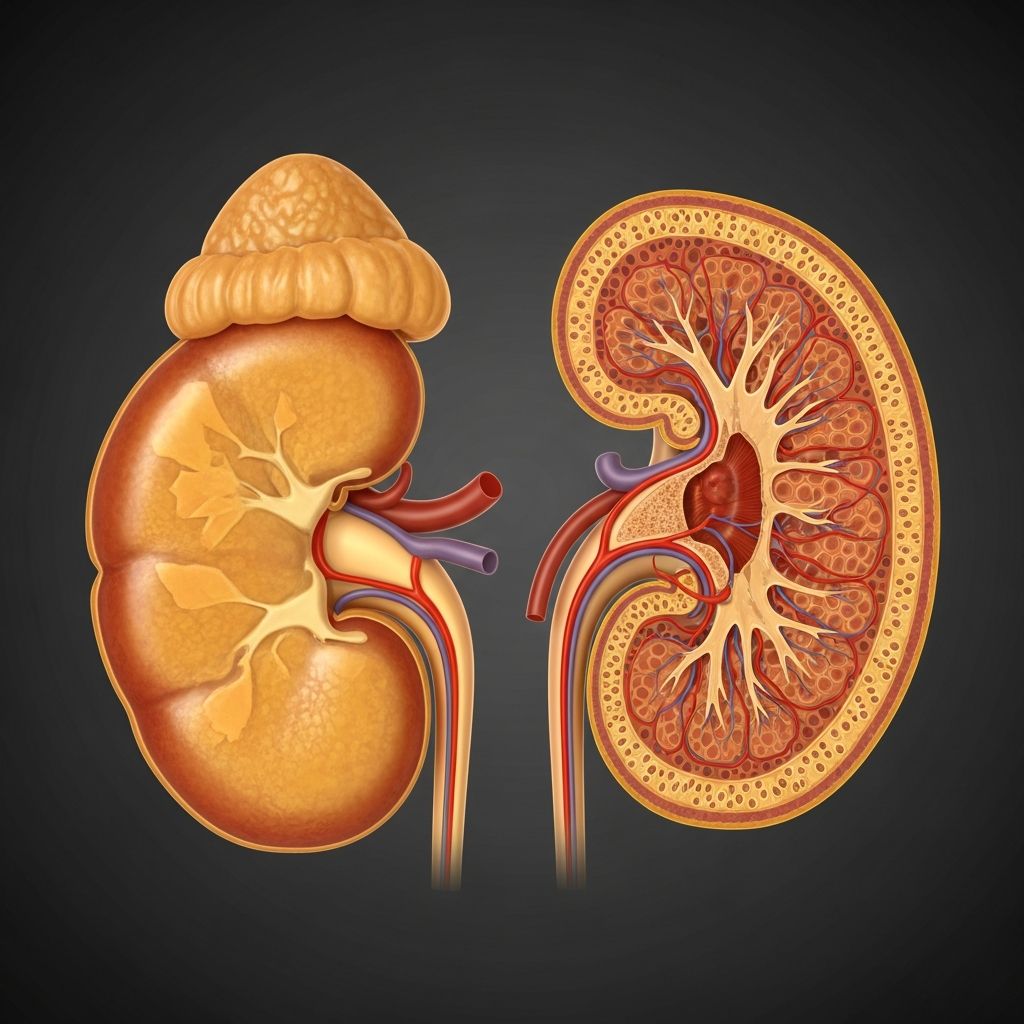
The adrenal glands are small but mighty endocrine organs located on top of each kidney. Also known as suprarenal glands, these triangular, orange-colored structures play a crucial role in maintaining your body’s internal balance and responding to stress. Despite their small size, adrenal glands produce numerous hormones that regulate essential functions including blood pressure, metabolism, immune response, and stress management.
The human body contains two adrenal glands, positioned just above the kidneys within the abdominal cavity. Each gland is surrounded by a protective fatty capsule and sits directly below the diaphragm. These endocrine glands are part of the broader hormonal system that keeps your body functioning optimally throughout daily life and during stressful situations.
Anatomy and Structure of the Adrenal Glands
The adrenal glands have a distinctive two-part structure, each with entirely different origins and functions. Understanding this anatomy is essential for comprehending how these glands maintain health.
The Adrenal Cortex
The adrenal cortex comprises the outer region and represents the largest portion of each adrenal gland. This section produces steroid hormones and accounts for approximately 90% of the gland’s total mass. The cortex itself is divided into three distinct layers or zones, each with unique structures and functions.
Zona Glomerulosa (Outermost Layer)
The zona glomerulosa is the outermost cortical layer, situated immediately beneath the gland’s protective fibrous capsule. Cells in this layer form distinctive oval groups separated by thin connective tissue strands and wide capillaries. This zone specializes in producing mineralocorticoids, particularly aldosterone, which plays a vital role in regulating blood pressure and maintaining electrolyte balance by controlling sodium and potassium levels.
Zona Fasciculata (Middle Layer)
The zona fasciculata occupies the space between the outer and inner cortical zones and represents the largest of the three layers, comprising nearly 80% of the cortex’s volume. Cells in this layer are arranged in radial columns oriented toward the medulla and contain abundant lipid droplets and mitochondria. This zone produces glucocorticoids, primarily cortisol, which regulate metabolism, suppress immune responses, and help the body respond to stress.
Zona Reticularis (Innermost Layer)
The zona reticularis is the innermost cortical layer, positioned directly adjacent to the medulla. This layer produces androgens, mainly dehydroepiandrosterone (DHEA), DHEA sulfate (DHEA-S), and androstenedione. Although the adrenal cortex produces only small amounts of male sex hormones compared to the testes, these androgens contribute to secondary sexual characteristics and overall metabolic function.
The Adrenal Medulla
The adrenal medulla forms the inner core of each gland and produces catecholamines—powerful hormones that regulate stress response. This tissue originates from the neural crest during fetal development, giving it a fundamentally different embryological origin than the cortex. The medulla secretes adrenaline (epinephrine) and noradrenaline (norepinephrine), which control heart rate, blood pressure, sweating, and other activities regulated by the sympathetic nervous system.
Related Stories



Hormones Produced by the Adrenal Glands
The adrenal glands produce a remarkable variety of hormones that regulate multiple body systems simultaneously. These hormones maintain homeostasis and prepare your body for various challenges.
Mineralocorticoids
Aldosterone, the primary mineralocorticoid, is produced in the zona glomerulosa. This hormone regulates blood pressure and electrolyte balance by controlling sodium reabsorption and potassium excretion in the kidneys. The renin-angiotensin-aldosterone system (RAAS) and potassium concentration primarily control aldosterone secretion.
Glucocorticoids
Cortisol and cortisone are glucocorticoids produced in the zona fasciculata. These hormones regulate glucose metabolism, suppress inflammatory and immune responses, and help your body manage stress. Cortisol follows a natural circadian rhythm, with levels typically highest in early morning and lowest at night.
Adrenal Androgens
The zona reticularis produces adrenal androgens, primarily DHEA and its sulfated form. Although produced in smaller quantities than gonadal androgens, these hormones contribute to sexual development and function, particularly before puberty and in women.
Catecholamines
The adrenal medulla produces adrenaline and noradrenaline. These hormones increase heart rate, elevate blood pressure, enhance blood glucose levels, and prepare muscles for action—the classic “fight or flight” response to stressors.
The Hypothalamic-Pituitary-Adrenal Axis
The hypothalamic-pituitary-adrenal (HPA) axis is a sophisticated hormonal feedback system that controls glucocorticoid and androgen production. This system involves three key components working in concert.
The Hypothalamus produces corticotropin-releasing hormone (CRH) in response to circadian rhythms or physical and emotional stress. The Anterior Pituitary Gland receives CRH signals and releases adrenocorticotropic hormone (ACTH), which travels through the bloodstream to stimulate the adrenal cortex. The Adrenal Cortex responds to ACTH by increasing cortisol and androgen production.
Negative feedback loops regulate this system—when cortisol levels become sufficiently elevated, they inhibit further CRH and ACTH release, preventing excessive cortisol production and maintaining hormonal balance.
The Renin-Angiotensin-Aldosterone System
Mineralocorticoid production follows a separate regulatory pathway called the renin-angiotensin-aldosterone system (RAAS). When blood pressure drops or sodium levels decrease, the kidneys release renin, initiating a cascade that produces angiotensin II. This substance stimulates aldosterone release from the zona glomerulosa, which increases sodium reabsorption and raises blood pressure.
Additionally, elevated potassium levels directly stimulate aldosterone secretion, helping maintain proper electrolyte balance. This system operates independently of the pituitary gland, making aldosterone regulation distinct from cortisol and androgen control.
Common Adrenal Gland Disorders
When adrenal glands malfunction, widespread health consequences can result. Several conditions affect adrenal function.
Adrenal Insufficiency occurs when glands fail to produce adequate cortisol and aldosterone. Symptoms include fatigue, weakness, low blood pressure, and gastrointestinal problems. This condition requires hormone replacement therapy.
Cushing’s Syndrome develops from excessive cortisol production, causing weight gain, muscle weakness, osteoporosis, and mood disturbances. Treatment depends on identifying and addressing the underlying cause.
Primary Aldosteronism involves excessive aldosterone production, leading to high blood pressure, low potassium levels, and muscle weakness. Treatment aims to normalize electrolyte balance and reduce blood pressure.
Pheochromocytoma is a rare medulla tumor producing excessive catecholamines, causing severe hypertension, anxiety, and sweating episodes. Surgical removal is typically necessary.
Development and Embryology
The adrenal glands develop from two distinct embryological sources. The cortex derives from mesoderm tissue, while the medulla originates from the neural crest, which is of ectodermal origin. This different embryological origin explains why the cortex produces steroid hormones while the medulla produces catecholamines.
The adrenal glands reach functional maturity before birth, allowing newborns to handle stress and maintain physiological balance immediately after delivery. Proper prenatal development is essential for normal postnatal adrenal function.
Hormone Synthesis and Regulation
All steroid hormone production begins with a common precursor: cholesterol. The enzyme P450scc (cholesterol desmolase) catalyzes the first step, cleaving the cholesterol side chain to form pregnenolone. From this initial product, different enzymatic pathways in each cortical zone produce specific hormones.
Each zone possesses distinct enzymes that direct pregnenolone toward different hormone products. This elegant system allows the adrenal cortex to produce three distinct hormone classes from a single precursor, with regulatory mechanisms controlling the balance between them.
Clinical Significance and Health Maintenance
Understanding adrenal gland function helps explain various health conditions and treatment approaches. Chronic stress can impair adrenal function by over-stimulating the HPA axis, potentially contributing to fatigue, anxiety, and immunosuppression. Proper sleep, stress management, and nutrition support optimal adrenal health.
Blood tests measuring cortisol, ACTH, and aldosterone levels help diagnose adrenal disorders. Imaging studies like CT scans or MRI can visualize gland structure and identify tumors. Treatment varies depending on whether glands produce too much or too little hormone, ranging from medication to surgery.
Frequently Asked Questions
Q: What are the adrenal glands?
A: The adrenal glands are small endocrine organs located on top of each kidney that produce hormones regulating stress response, blood pressure, metabolism, and electrolyte balance.
Q: What hormones do adrenal glands produce?
A: Adrenal glands produce cortisol, aldosterone, adrenaline, noradrenaline, and androgens. The cortex produces steroid hormones while the medulla produces catecholamines.
Q: How does the HPA axis work?
A: The hypothalamus releases CRH, stimulating the pituitary to release ACTH, which triggers the adrenal cortex to produce cortisol. Negative feedback loops prevent excessive hormone production.
Q: What causes adrenal insufficiency?
A: Adrenal insufficiency occurs when the adrenal glands cannot produce adequate cortisol and aldosterone, resulting from autoimmune disease, infections, or pituitary dysfunction.
Q: How is Cushing’s syndrome treated?
A: Treatment depends on the cause, which may involve surgery to remove tumors, medication to block cortisol production, or radiation therapy.
Q: Can stress affect adrenal gland function?
A: Yes, chronic stress over-stimulates the HPA axis, potentially impairing adrenal function and contributing to health problems. Stress management supports adrenal health.
Q: What tests diagnose adrenal disorders?
A: Blood tests measuring cortisol, ACTH, and aldosterone levels, along with imaging studies like CT scans or MRI, help diagnose adrenal conditions.
References
- Adrenal gland — Wikipedia. Accessed 2025-12-01. https://en.wikipedia.org/wiki/Adrenal_gland
- Adrenal Gland: What It Is, Function, Symptoms & Disorders — Cleveland Clinic. Accessed 2025-12-01. https://my.clevelandclinic.org/health/body/23005-adrenal-gland
- Overview of the Adrenal Glands — Merck Manuals. Accessed 2025-12-01. https://www.merckmanuals.com/home/hormonal-and-metabolic-disorders/adrenal-gland-disorders/overview-of-the-adrenal-glands
- Physiology, Adrenal Gland — NCBI StatPearls. 2025. https://www.ncbi.nlm.nih.gov/books/NBK537260/
Similar Articles








Read full bio of Sneha Tete