Understanding Alcohol Abuse: Effects, Risks, and Solutions
Comprehensive guide to alcohol abuse: Learn the health risks, warning signs, and treatment options.

Understanding Alcohol Abuse: A Comprehensive Guide
Alcohol abuse represents one of the most significant public health challenges in the United States and worldwide. Unlike moderate drinking, which some research suggests may offer cardiovascular benefits, alcohol abuse involves the harmful consumption of alcohol that leads to serious health complications, impaired judgment, and social dysfunction. Understanding the nature of alcohol abuse, its consequences, and available treatment options is essential for individuals, families, and healthcare providers seeking to address this growing epidemic.
In the United States, approximately one in ten people aged 12 or older struggle with alcohol use disorder, and an estimated 140,000 people die each year from alcohol-related causes. These sobering statistics underscore the urgent need for public awareness, early intervention, and comprehensive treatment strategies.
What Is Alcohol Abuse?
Alcohol abuse is characterized by a pattern of drinking that results in significant harm to one’s health, relationships, work, or legal standing. It differs from alcohol use disorder (AUD), though the terms are sometimes used interchangeably. Alcohol abuse typically involves binge drinking—consuming five or more drinks in a single occasion for men or four or more for women—or regular heavy drinking.
The distinction between moderate drinking and abuse centers on frequency, quantity, and consequences. While moderate consumption is defined as up to one drink per day for women and up to two drinks per day for men, abusive drinking far exceeds these guidelines and is accompanied by negative behavioral and health outcomes.
Approximately 61 million Americans engage in binge drinking at least once a month, while 16 million are classified as heavy alcohol users, consuming five or more drinks on five or more days per month. This prevalence demonstrates how widespread the problem has become across all demographic groups.
Health Consequences of Alcohol Abuse
The health ramifications of alcohol abuse are extensive and can affect virtually every organ system in the body.
Liver Damage
The liver bears the brunt of chronic alcohol abuse. Excessive drinking can lead to fatty liver disease, hepatitis, and cirrhosis—a condition where liver tissue becomes scarred and fails to function properly. Unlike some other diseases, liver cirrhosis caused by alcohol is largely preventable through abstinence or responsible drinking patterns.
Cardiovascular Complications
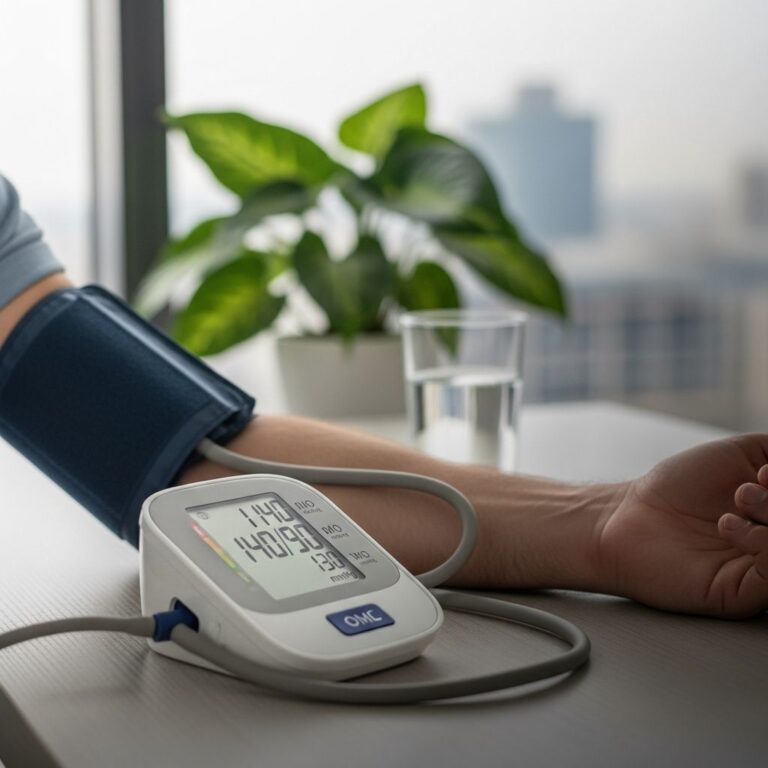
While moderate drinking has been associated with cardiovascular benefits, heavy alcohol consumption dramatically increases the risk of hypertension, abnormal heart rhythms, stroke, and heart attack. Consuming more than four drinks daily significantly elevates these cardiovascular risks and can lead to sudden cardiac death.
Cancer Risk
Alcohol is classified as a Group 1 carcinogen by health authorities. Regular alcohol abuse increases the risk of several cancer types, particularly breast cancer in women and esophageal cancer. Even modest alcohol consumption raises cancer risk, with heavy drinking substantially amplifying these dangers.
Mental Health and Neurological Effects
Alcohol abuse frequently co-occurs with depression, anxiety, and other mental health disorders. In college-age populations, around 14 percent of full-time students meet criteria for past-year alcohol use disorder, with increased risks for suicide attempts and severe mental health conditions. Chronic alcohol use can damage brain tissue, impair memory, and affect cognitive function.
Related Stories



Additional Health Impacts
Heavy drinking weakens the immune system, making individuals susceptible to infections. It can damage the pancreas, leading to pancreatitis, and harm an unborn child during pregnancy, causing fetal alcohol spectrum disorders. Long-term abuse also increases the risk of type 2 diabetes complications and gallstone formation.
Social and Economic Consequences
Beyond individual health effects, alcohol abuse generates substantial societal costs. Alcohol abuse costs approximately $249 billion annually in the United States through healthcare expenses, lost productivity, and social services. Additionally, alcohol plays a role in one in three violent crimes, contributing to domestic violence, assault, and homicide.
Driving under the influence remains a critical public safety concern. In 2015 alone, more than 10,000 people died in automobile accidents involving alcohol, with alcohol implicated in about half of all fatal traffic accidents in the U.S. These preventable deaths devastate families and communities.
Alcohol abuse also impacts relationships, employment, and legal standing. Individuals struggling with alcohol may experience job loss, divorce, custody disputes, and legal consequences including DUI charges and incarceration.
Risk Factors for Alcohol Abuse
Certain factors increase vulnerability to alcohol abuse and dependence:
- Genetic predisposition: Family history of alcoholism significantly increases risk, with heredity accounting for approximately 60 percent of the risk for alcohol use disorder
- Mental health conditions: Depression, anxiety, bipolar disorder, and PTSD frequently co-occur with alcohol abuse
- Age of initiation: Beginning to drink at a young age substantially increases the likelihood of developing alcohol problems later
- Environmental factors: Peer pressure, stress, trauma, and access to alcohol all contribute to abuse patterns
- Social influences: Cultural attitudes toward drinking and family drinking patterns shape individual consumption behaviors
Warning Signs of Alcohol Abuse
Recognizing warning signs is crucial for early intervention. Common indicators include:
- Consuming alcohol in larger quantities or for longer periods than intended
- Failed attempts to cut down or control drinking
- Spending excessive time obtaining, using, or recovering from alcohol
- Continuing to drink despite knowing it causes physical or psychological harm
- Neglecting responsibilities at work, school, or home
- Continuing to drink despite relationship problems caused by alcohol
- Engaging in risky behaviors while intoxicated, including unsafe driving or sexual activity
- Developing tolerance, requiring more alcohol to achieve the same effect
- Experiencing withdrawal symptoms when not drinking, including anxiety, tremors, or sweating
Treatment and Recovery Options
Medical Intervention
Healthcare providers can prescribe medications to reduce cravings and support recovery. FDA-approved medications for alcohol use disorder include naltrexone, which blocks opioid receptors involved in alcohol reward; acamprosate, which helps restore normal brain chemistry; and disulfiram, which creates unpleasant reactions if alcohol is consumed.
Behavioral Therapies
Cognitive-behavioral therapy helps individuals identify triggers, develop coping strategies, and modify thought patterns associated with drinking. Motivational enhancement therapy strengthens intrinsic motivation to change, while family therapy addresses relationship dynamics and support systems.
Support Groups and Peer Support
Alcoholics Anonymous and similar 12-step programs provide community support and structured recovery frameworks. SMART Recovery and other evidence-based peer support groups offer alternatives focused on self-empowerment and rational recovery principles.
Rehabilitation Programs
Inpatient rehabilitation provides intensive treatment in a controlled environment, particularly beneficial for severe dependence or concurrent mental health conditions. Outpatient programs allow individuals to maintain employment and family connections while receiving treatment.
Prevention Strategies
Effective prevention requires multifaceted approaches targeting individuals, families, and communities:
- Education: School-based programs teaching about alcohol’s effects and refusal skills
- Early intervention: Screening and brief interventions in healthcare settings
- Policy measures: Regulating alcohol marketing, increasing taxes on alcoholic beverages, and enforcing underage drinking laws
- Community engagement: Supporting local prevention initiatives and reducing stigma around treatment
- Family involvement: Parental monitoring and open communication about alcohol use
Special Populations
College Students
Young adults face unique challenges regarding alcohol abuse. College environments often normalize heavy drinking through social pressure and accessibility. Approximately 12.1 percent of children live in homes with a parent who has a drinking problem, often normalizing substance abuse patterns.
Adolescents
Early drinking initiation significantly increases lifetime alcohol abuse risk. Adolescent brains remain under development, making them particularly vulnerable to alcohol’s neurotoxic effects. Underage drinking prevention requires coordinated efforts among parents, schools, and communities.
Women
Women metabolize alcohol differently than men, reaching higher blood alcohol concentrations with equivalent consumption. Pregnancy-related alcohol exposure causes fetal alcohol spectrum disorders, leading to lifelong developmental and behavioral challenges. Women also face unique social stigma when addressing alcohol abuse.
The Role of Healthcare Providers
Primary care physicians play a crucial role in identifying alcohol abuse through screening tools, providing brief interventions, and referring patients to specialized treatment. Healthcare providers should approach alcohol abuse as a medical condition requiring compassionate, evidence-based care rather than moral judgment.
Alcohol Consumption Patterns and Health
Research demonstrates that drinking patterns significantly influence health outcomes. Alcohol consumed with meals and spread throughout the week carries fewer risks than binge drinking on isolated occasions. This nuance highlights the importance of understanding not just quantity but also frequency and context of consumption.
Recovery and Long-Term Management
Recovery from alcohol abuse is achievable with proper support and commitment. Long-term success requires addressing underlying mental health conditions, building healthy coping mechanisms, and maintaining supportive relationships. Many individuals maintain sustained recovery through ongoing treatment engagement, support group participation, and lifestyle modifications emphasizing physical health, meaningful relationships, and purposeful activities.
Frequently Asked Questions
Q: What is the difference between alcohol abuse and alcohol use disorder?
A: While often used interchangeably, alcohol abuse typically describes problematic drinking patterns causing harm, while alcohol use disorder (AUD) is the clinical diagnosis requiring assessment by healthcare professionals. AUD encompasses varying severity levels and specific diagnostic criteria.
Q: Can alcohol abuse lead to permanent health damage?
A: Yes, prolonged alcohol abuse can cause irreversible damage to the liver, brain, pancreas, and cardiovascular system. However, early intervention and sustained abstinence can prevent progression and allow some recovery of organ function.
Q: Is moderate drinking safe for everyone?
A: No. Individuals with family histories of alcoholism, pregnant women, those taking certain medications, and people with specific health conditions should avoid alcohol entirely. Personalized guidance from healthcare providers is essential.
Q: How can I help someone struggling with alcohol abuse?
A: Express concern compassionately, avoid enabling behaviors, encourage professional treatment, and maintain appropriate boundaries. Supporting recovery while protecting your own wellbeing is essential for both parties.
Q: What should I do if I think I have an alcohol abuse problem?
A: Contact your healthcare provider for screening and referral to treatment resources. Call the SAMHSA National Helpline at 1-800-662-4357 for free, confidential support and treatment referrals available 24/7.
References
- Alcohol: Balancing Risks and Benefits — Harvard T.H. Chan School of Public Health, The Nutrition Source. Updated 2024. https://nutritionsource.hsph.harvard.edu/healthy-drinks/drinks-to-consume-in-moderation/alcohol-full-story/
- Harmful and Underage College Drinking — National Institute on Alcohol Abuse and Alcoholism (NIAAA), U.S. Department of Health and Human Services. 2023. https://www.niaaa.nih.gov/publications/brochures-and-fact-sheets/college-drinking
- Is Alcohol Good or Bad for You? Yes. — Harvard Public Health Magazine, Harvard T.H. Chan School of Public Health. 2024. https://hsph.harvard.edu/news/is-alcohol-good-or-bad-for-you-yes/
- Can the Sober Curious Trend Change U.S. Alcohol Consumption? — Harvard Public Health, Harvard T.H. Chan School of Public Health. 2024. https://harvardpublichealth.org/policy-practice/can-the-sober-curious-trend-change-u-s-alcohol-consumption/
- Alcohol and Public Health — Centers for Disease Control and Prevention (CDC), U.S. Department of Health and Human Services. Updated 2024. https://www.cdc.gov/alcohol/index.html
- Understanding Alcohol Use Disorder — National Institute of Health (NIH), U.S. Department of Health and Human Services. 2024. https://www.nih.gov/health/substance-use
Similar Articles








Read full bio of medha deb