Understanding Allergic Disease Progression
Exploring how allergic conditions develop and evolve across the lifespan
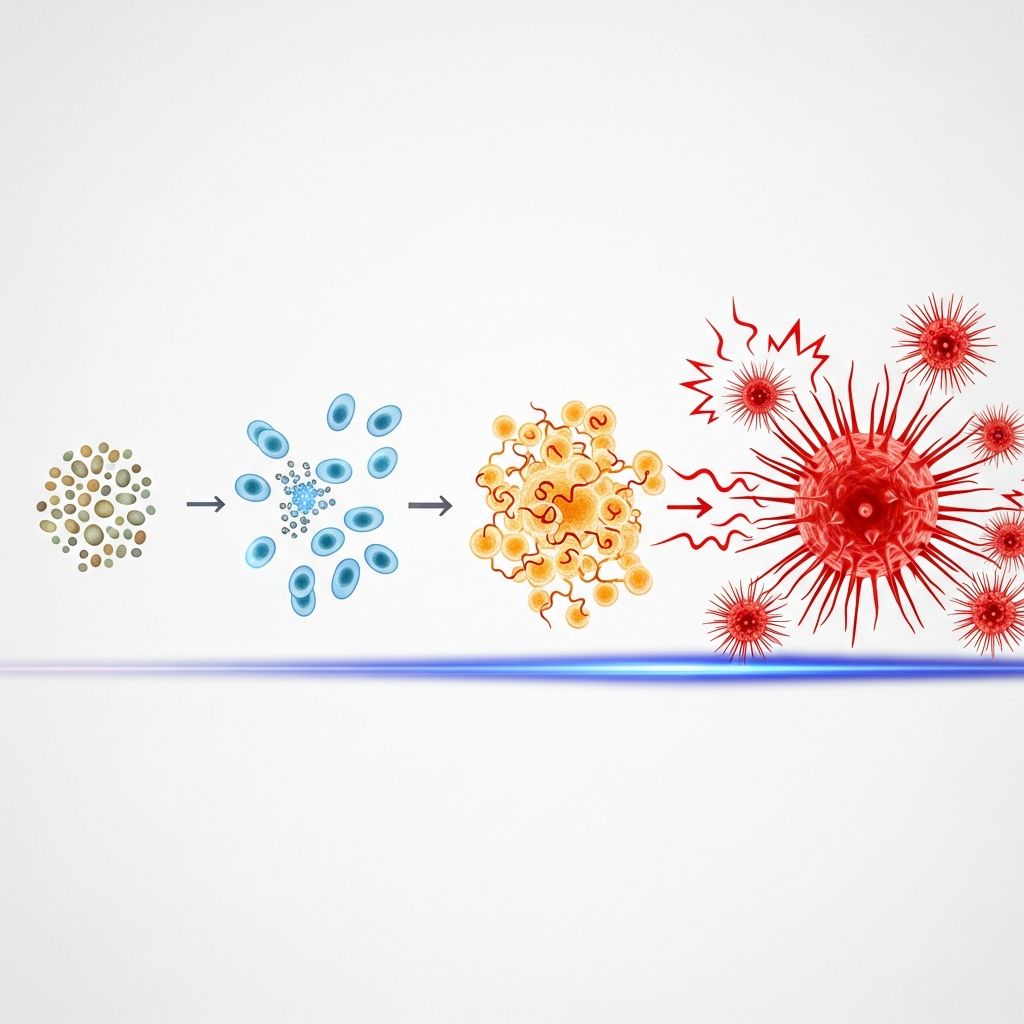
Allergic diseases represent one of the most prevalent health challenges affecting both children and adults worldwide. What many people don’t realize is that these conditions rarely occur in isolation. Instead, they frequently develop in a recognizable sequence, creating a complex pattern of disease progression that extends across years or even decades. This interconnected development of multiple allergic conditions within the same individual has shifted how medical professionals approach diagnosis, prevention, and treatment strategies.
The Sequential Nature of Allergic Conditions
Research has demonstrated that allergic diseases follow a characteristic developmental pathway in many affected individuals. This progression typically initiates with skin-based manifestations during infancy and gradually extends to involve the respiratory system and gastrointestinal tract as children mature. Understanding this pattern has become essential for healthcare providers seeking to identify at-risk populations and implement early intervention strategies.
The most frequently observed sequence begins with atopic dermatitis during the first months of life, followed by the emergence of food allergies, then allergic rhinitis, and finally asthma in subsequent years. However, it’s important to recognize that not all individuals follow this exact trajectory. Some children may skip certain stages entirely, while others may develop allergic conditions simultaneously rather than sequentially.
Atopic Dermatitis: The Gateway Condition
Atopic dermatitis, commonly known as eczema, frequently represents the initial manifestation of allergic disease in infants and young children. This chronic inflammatory skin condition affects approximately 3% of adults and nearly 30% of children, with prevalence patterns varying by age and geographic region. The condition typically emerges early in the developmental window, with research indicating that 85% of affected children experience symptoms before reaching five years of age.
The pathophysiology of atopic dermatitis involves multiple interconnected mechanisms:
- Skin barrier dysfunction: Compromised epidermal integrity allows allergens and environmental irritants to penetrate the skin more readily
- Immune dysregulation: Aberrant T-helper type 2 (Th2) immune responses generate excessive inflammatory reactions
- Microbial colonization: Alterations in skin microbiome composition, particularly increased Staphylococcus aureus prevalence, perpetuate inflammation
- Genetic predisposition: Mutations in genes such as filaggrin (FLG) compromise the structural integrity of the epidermal barrier
The damaged skin barrier in atopic dermatitis creates a permeable gateway through which environmental allergens can access systemic circulation. This phenomenon represents a pivotal mechanism linking cutaneous disease to subsequent allergic manifestations affecting other organ systems.
The Role of Skin Barrier Dysfunction in Disease Progression
The integrity of the epidermal barrier serves as a fundamental determinant in the development of subsequent allergic conditions. When this barrier becomes compromised, as occurs in atopic dermatitis, the normal protective mechanisms that prevent allergen penetration become ineffective.
Specific genetic mutations, particularly in the filaggrin gene, substantially increase susceptibility to both atopic dermatitis and food allergies. Individuals carrying these mutations demonstrate heightened risk for developing peanut allergies, even when controlling for the presence of atopic dermatitis itself. Environmental exposure to allergens compounds this risk in an additive manner, meaning that genetic predisposition combined with allergen exposure creates multiplicative rather than merely additive disease risk.
Related Stories



The alteration of the skin microbiome accompanying atopic dermatitis further perpetuates disease progression. Patients with eczema typically experience reduced bacterial diversity and elevated colonization with pathogenic organisms, particularly Staphylococcus aureus. This pathogenic organism directly damages the epidermal barrier through proteolytic activity and simultaneously stimulates immune dysregulation through expression of toxins, superantigens, and virulence factors.
Intestinal Barrier Function and Food Allergy Development
The gastrointestinal tract contains its own barrier system analogous to the skin, and similar principles of barrier dysfunction apply to food allergy pathogenesis. When intestinal epithelial integrity becomes compromised, food antigens gain access to subepithelial immune cells, triggering sensitization responses.
The microbiome composition in the gastrointestinal tract plays a substantial role in regulating immune tolerance to food antigens. Dysbiosis—an imbalance in microbial communities—has been implicated in both the development and persistence of food allergies. Specific bacterial species appear to promote immune tolerance, while their absence or reduction may facilitate allergic sensitization.
The Respiratory System: Asthma and Rhinitis Development
As children progress through the allergic disease continuum, the respiratory tract becomes increasingly involved. Allergic rhinitis frequently develops during the elementary school years, with asthma typically manifesting slightly later in childhood. This progression to respiratory disease reflects systemic sensitization occurring through the cumulative effects of barrier dysfunction at multiple sites.
The airways possess their own epithelial barrier system with mechanisms for maintaining immune tolerance. Sensitization through compromised skin and intestinal barriers creates a state of systemic Th2-mediated inflammation that predisposes to respiratory allergic disease. Additionally, allergen exposure through inhalation can directly activate airway epithelial cells and resident immune cells, promoting type 2 inflammatory cascades.
Risk Factors and Predictive Markers
| Risk Factor | Impact on Disease Progression | Timing of Effect |
|---|---|---|
| Early-onset atopic dermatitis (within first year) | Significantly increases subsequent allergic disease risk | Established before age 12 months |
| Filaggrin gene mutations | Increases food allergy risk independent of eczema status | Present from birth; effects throughout childhood |
| Staphylococcus aureus colonization | Perpetuates skin inflammation and systemic immune activation | Ongoing throughout disease course |
| Environmental allergen exposure | Combined with genetic predisposition creates multiplicative risk | Dependent on exposure patterns and timing |
| Microbial dysbiosis | Reduces immune tolerance development in both skin and intestine | Develops during infancy and early childhood |
Large-scale epidemiological investigations have identified consistent patterns in disease progression timing. Among children with early-onset atopic dermatitis, the most common subsequent sequence involves allergic rhinitis development (occurring in approximately 20% of cases), followed by asthma (12.4%), and food allergy (11.9%). These percentages underscore that while sequential progression represents a recognizable pattern, it does not represent the inevitable outcome for all affected individuals.
Reframing the Understanding of Allergic Comorbidity
Contemporary research emphasizes a shift away from viewing allergic diseases as a rigid, predetermined sequence toward understanding them as components of an interconnected disease continuum. The concept of “atopic multimorbidity” reflects this evolution, acknowledging that allergic conditions may develop in various orders or combinations rather than following a single invariant pathway.
The atopic march concept, originally introduced as an explanatory framework, applies to only a limited proportion of individuals with allergic diseases—approximately 3.1% of children with atopic disease experience the complete, sequential progression through all four major conditions. This relatively low percentage demonstrates that while the pattern exists and can guide clinical thinking, the majority of affected individuals experience alternative presentations.
Mechanisms Linking Barrier Dysfunction Across Organ Systems
A unifying principle in contemporary allergic disease research centers on the critical role of epithelial barrier function across multiple anatomical sites. The skin, gastrointestinal tract, and respiratory airways all possess specialized epithelial barriers designed to separate internal tissues from external environmental challenges.
When barrier dysfunction occurs at any single site, the consequences extend beyond local inflammation:
- Systemic allergen sensitization: Barrier penetration allows allergen access to professional antigen-presenting cells, generating systemic T cell and B cell responses
- Type 2 immune polarization: Barrier-derived signals promote Th2 differentiation and sustain IL-4 and IL-13 production, amplifying allergic inflammation
- Cross-reactive immune responses: Antibodies and T cells generated against one allergen may recognize epitopes in structurally similar allergens, creating allergic cross-reactivity
- Epithelial cell activation: Injured epithelial cells directly secrete pro-inflammatory cytokines that recruit and activate innate lymphoid cells and other immune effectors
The Microbiome as a Regulatory Hub
Emerging evidence indicates that microbial community composition at multiple body sites substantially influences allergic disease development and progression. The skin microbiome in atopic dermatitis demonstrates characteristic alterations, with reduced diversity and Staphylococcus aureus dominance. Similarly, the intestinal microbiome in food-allergic individuals shows dysbiotic patterns associated with reduced abundance of beneficial bacterial species.
Certain bacterial metabolites, particularly short-chain fatty acids produced through dietary fiber fermentation, promote regulatory T cell differentiation and sustain immune tolerance. The reduction in these metabolite-producing bacteria during dysbiosis may therefore impair the development and maintenance of allergic tolerance mechanisms.
Clinical Implications for Early Detection and Management
Recognition of disease progression patterns enables more proactive clinical approaches. Healthcare providers caring for infants and young children with atopic dermatitis should maintain heightened vigilance for emerging allergic manifestations in other organ systems. This awareness facilitates earlier identification of food allergies, allergic rhinitis, and asthma, allowing for timely intervention before significant morbidity develops.
Screening recommendations for children with early-onset atopic dermatitis should include careful history-taking regarding food reactions, nasal symptoms, and respiratory symptoms. In some cases, specific IgE testing or oral food challenge procedures may facilitate earlier food allergy diagnosis. Baseline assessment of lung function through spirometry may establish baseline parameters against which future respiratory changes can be measured.
Prevention and Intervention Strategies
Early intervention targeting barrier function represents a logical approach to potentially interrupting disease progression. In atopic dermatitis, rigorous skin care with appropriate moisturization and gentle cleansing reduces disease severity and diminishes systemic inflammatory markers. Whether such interventions reduce the risk of developing subsequent allergic conditions remains an area of active investigation.
Dietary considerations warrant consideration, particularly regarding early allergen introduction. Contemporary research increasingly suggests that early, controlled exposure to food allergens during the window of immune tolerance development may reduce the likelihood of sensitization, though the optimal timing and method of introduction remain subjects of ongoing study.
Targeted management of established Staphylococcus aureus colonization, whether through antimicrobial strategies or immune-directed approaches, represents another intervention pathway aimed at reducing the perpetuation of systemic allergic inflammation.
Frequently Asked Questions
Does every child with eczema develop asthma and food allergies?
No. While early-onset atopic dermatitis increases the likelihood of developing subsequent allergic conditions, the majority of affected children do not experience the complete progression through all allergic diseases. Outcomes vary considerably based on genetic factors, environmental exposures, and the severity of initial skin disease.
Can allergic disease progression be prevented?
Prevention strategies targeting barrier function and microbiome health show promise, but complete prevention is not yet reliably achievable. Early and rigorous management of atopic dermatitis, careful monitoring for emerging allergic manifestations, and potentially controlled allergen exposure represent current best-practice approaches.
What genetic factors most influence disease progression?
Filaggrin gene mutations represent among the most well-characterized genetic risk factors, substantially increasing susceptibility to both atopic dermatitis and food allergy. However, multiple additional genetic variants contribute to overall allergic disease risk in a polygenic fashion.
How does the skin microbiome influence allergic disease?
Staphylococcus aureus overgrowth on the skin perpetuates local inflammation and generates immune-activating signals that promote systemic type 2 immune responses. Restoring healthy microbial diversity and reducing pathogenic colonization represent potential therapeutic targets.
Conclusion: Moving Toward Precision Medicine in Allergic Diseases
The evolution from viewing allergic diseases as isolated conditions toward understanding them as interconnected manifestations of systemic immune dysregulation and epithelial barrier dysfunction represents a fundamental paradigm shift in allergology. While the sequential pattern of disease progression observed in some individuals provides a useful framework for clinical thinking, contemporary evidence emphasizes the heterogeneity of allergic disease presentations and outcomes.
Future therapeutic approaches will likely emphasize early detection of barrier dysfunction, targeted interventions to restore epithelial integrity and healthy microbiome composition, and personalized strategies based on individual risk factor profiles. As our understanding of the mechanisms linking these conditions deepens, opportunities for more effective prevention and management will undoubtedly emerge.
References
- Research Progress in Atopic March — Frontiers in Immunology. 2020-09-04. https://doi.org/10.3389/fimmu.2020.01907
- Atopic March or Atopic Multimorbidity—Overview of Current Research — PMC/NCBI. 2024. https://www.ncbi.nlm.nih.gov/pmc/articles/PMC10819021/
- Atopic March Defined — American Academy of Allergy, Asthma & Immunology (AAAAI). 2024-07-08. https://www.aaaai.org/tools-for-the-public/allergy,-asthma-immunology-glossary/atopic-march-defined
- Atopic March Development Increased In Patients With Atopic Dermatitis in Infancy — Dermatology Advisor. 2022. https://www.dermatologyadvisor.com/news/atopic-march-development-increased-patients-with-atopic-dermatitis-infancy/
- Allergic March | AAFA.org — Asthma and Allergy Foundation of America (AAFA). https://aafa.org/allergies/prevent-allergies/allergic-march/
Similar Articles








Read full bio of medha deb