Understanding Allergy Causes: What Triggers Your Allergic Reactions
Discover the common and uncommon causes of allergies and learn what triggers your immune system.
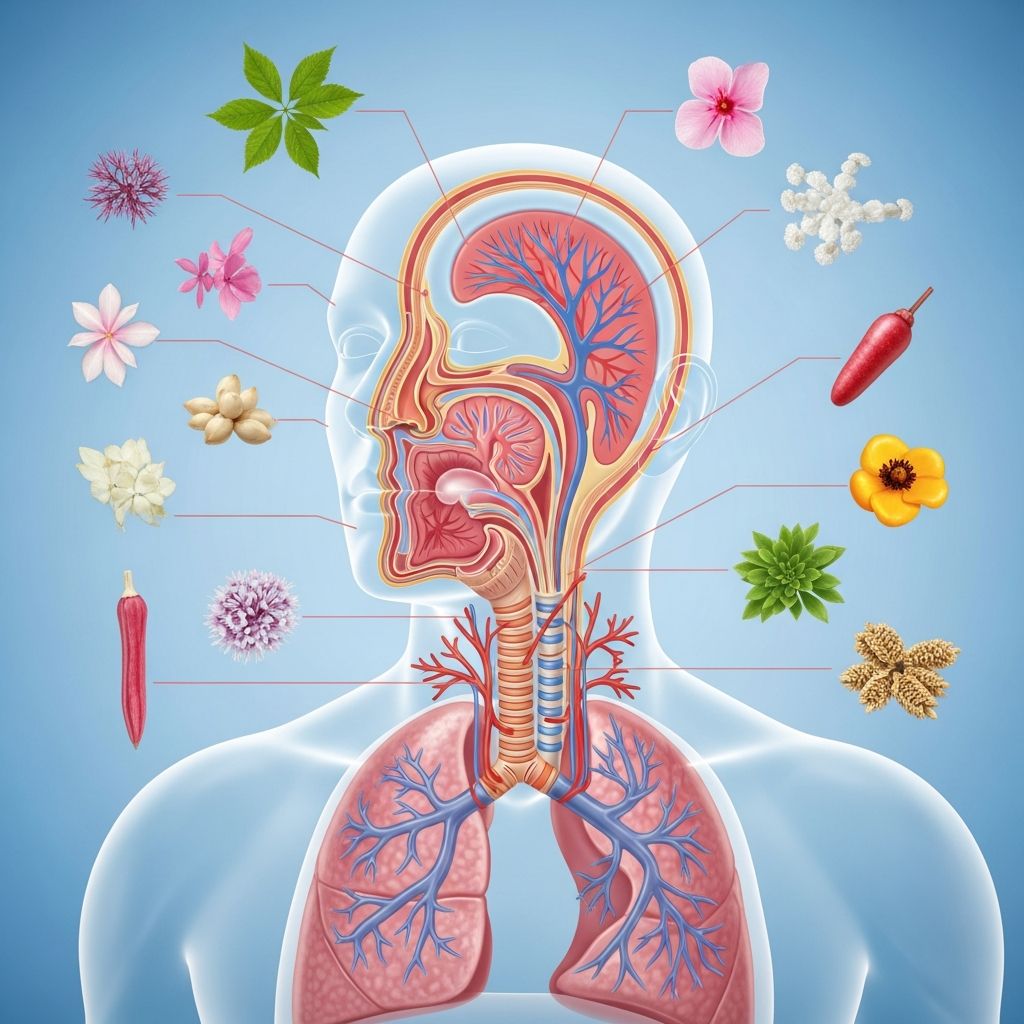
Allergies affect millions of people worldwide, causing uncomfortable symptoms that can range from mild sneezing and itching to severe anaphylaxis. Understanding what causes allergies is the first step toward effective management and prevention. An allergy occurs when your immune system overreacts to a substance that is harmless to most people. This overreaction triggers the release of chemicals like histamine, which causes the symptoms associated with allergies. Whether you’re dealing with seasonal hay fever, food allergies, or reactions to pet dander, identifying the underlying causes of your allergies can help you take control of your health.
What Is an Allergy?
An allergy is an abnormal immune response to a substance called an allergen. When you come into contact with an allergen, your immune system mistakenly identifies it as a threat and releases chemicals to defend against it. This defensive reaction results in the symptoms you experience, such as sneezing, itching, hives, or difficulty breathing. Unlike a simple irritation, allergies involve your immune system and can develop over time or appear suddenly after repeated exposure to a substance.
The severity of allergies varies widely. Some people experience minor discomfort with seasonal allergies, while others face life-threatening reactions to foods or insect stings. Understanding the cause of your specific allergy is crucial for developing an effective management strategy.
Common Environmental Allergens
Environmental allergens are among the most prevalent triggers for allergic reactions. These include substances naturally present in your surroundings that can affect your respiratory system and skin.
Pollen
Pollen is one of the most common environmental allergens, particularly during spring and fall when plants release pollen into the air. Trees, grasses, and weeds produce pollen as part of their reproductive cycle, and when inhaled, it can trigger allergic rhinitis, commonly known as hay fever. Symptoms include nasal congestion, sneezing, itchy eyes, and throat irritation. The amount of pollen in the air varies by season, location, and weather conditions.
Dust Mites
Dust mites are microscopic organisms that live in household dust, bedding, upholstered furniture, and carpets. They feed on dead skin cells and thrive in warm, humid environments. Many people are allergic to dust mite droppings rather than the mites themselves. This allergen can trigger year-round symptoms, particularly in the bedroom where exposure is prolonged during sleep.
Mold and Mildew
Mold spores are released into the air when mold and mildew grow in damp environments. Indoor sources include bathrooms, basements, and kitchens, while outdoor mold thrives in areas with high moisture levels. Mold allergies can cause respiratory symptoms similar to pollen allergies and may be present throughout the year, depending on climate and humidity levels.
Pet Allergens
Pet allergies are caused by proteins found in animal saliva, urine, and dander (dead skin cells). Dogs and cats are the most common culprits, but allergies to birds, rodents, and other animals are also possible. Pet allergens can remain airborne for extended periods and settle on surfaces throughout your home, making them difficult to avoid completely.
Food Allergies and Sensitivities
Food allergies represent another major category of allergic reactions, affecting both children and adults. A true food allergy involves an immune response that can be life-threatening, while food sensitivities may cause discomfort without involving the immune system.
Common Food Allergens
Related Stories



The most common food allergens include:
- Peanuts and Tree Nuts: These legumes and tree products trigger allergic reactions in a significant portion of the population and can cause severe anaphylaxis.
- Shellfish and Fish: Proteins in these aquatic animals are common allergens, affecting both children and adults who may not develop this allergy until later in life.
- Milk and Dairy: Proteins in cow’s milk trigger allergic reactions in many infants and young children, though some may outgrow this allergy.
- Eggs: Egg protein, particularly in the whites, commonly causes allergic reactions, especially in young children.
- Wheat and Gluten: While celiac disease is not an allergy, wheat allergies do occur and can cause various symptoms.
- Soy: Soy protein allergies are particularly common in infants consuming soy-based formulas or foods.
- Sesame: An increasingly recognized allergen that can trigger severe reactions.
Food allergies develop when your immune system creates antibodies against specific food proteins, treating them as harmful invaders. Symptoms can range from mild itching in the mouth to severe anaphylaxis, and reactions can occur within minutes to hours of consumption.
Medication and Drug Allergies
Medication allergies occur when your immune system reacts to a drug or one of its ingredients. Common medication allergens include:
- Antibiotics: Penicillin and related antibiotics are responsible for the majority of drug allergies, causing reactions from mild rashes to severe anaphylaxis.
- NSAIDs: Non-steroidal anti-inflammatory drugs can trigger allergic reactions in susceptible individuals.
- Aspirin: Some people experience allergic reactions to aspirin and related medications.
- Contrast Dyes: Used in imaging procedures, these dyes can cause allergic reactions in some patients.
Drug allergies can develop at any time, even after you’ve safely used a medication previously. It’s essential to inform healthcare providers of any medication allergies to prevent dangerous interactions or adverse reactions.
Insect Sting Allergies
Allergic reactions to insect stings are triggered by proteins in the venom of bees, wasps, hornets, and fire ants. While most people experience localized pain and swelling at the sting site, people with insect sting allergies can develop severe systemic reactions, including anaphylaxis. This type of allergy can be life-threatening and requires careful management, including carrying an epinephrine auto-injector for at-risk individuals.
Latex Allergies
Latex allergies are triggered by proteins found in natural rubber latex. Exposure occurs through contact with latex gloves, medical equipment, or latex-containing products. Healthcare workers and people who have undergone multiple medical procedures face higher risk for developing latex allergies. Reactions can range from contact dermatitis to severe anaphylaxis.
How Your Body Develops Allergies
Understanding the mechanism of allergy development helps explain why some people develop allergies while others don’t. The process involves several key steps:
Sensitization Phase
During initial exposure to an allergen, your immune system produces immunoglobulin E (IgE) antibodies specific to that substance. These antibodies attach to mast cells and basophils, immune cells that release inflammatory chemicals. This phase may not produce noticeable symptoms but prepares your immune system to react strongly upon future exposures.
Reaction Phase
Upon subsequent exposure to the allergen, it binds to the IgE antibodies on mast cells, triggering the release of histamine and other inflammatory mediators. These chemicals cause the symptoms characteristic of allergies, such as itching, swelling, increased mucus production, and airway constriction.
Risk Factors for Developing Allergies
Several factors influence your likelihood of developing allergies:
Genetic Predisposition
Allergies tend to run in families. If both parents have allergies, their children have a higher likelihood of developing allergies, though not necessarily to the same substances.
Age and Life Stage
Allergies can develop at any age, though some appear more commonly in children, while others manifest later in adulthood. Certain conditions, like oral allergy syndrome, typically emerge in people with existing pollen allergies.
Environmental Exposure
Repeated or intense exposure to potential allergens increases the risk of developing sensitization. Living in areas with high pollen counts or owning pets increases exposure to these common allergens.
Immune System Conditions
Individuals with asthma or eczema are more likely to develop allergies. These conditions share underlying immune system dysfunction that predisposes people to allergic reactions.
Infections and Hygiene
Some research suggests that certain infections during childhood may affect immune system development, potentially influencing allergy risk. The hygiene hypothesis proposes that excessive cleanliness may prevent proper immune system maturation.
Seasonal vs. Year-Round Allergies
Allergies can be classified based on when symptoms occur:
Seasonal Allergies
These occur during specific times of year when particular allergens are prevalent. Spring allergies typically involve tree pollen, summer allergies may include grass pollen, and fall allergies often feature ragweed. Symptoms tend to be more severe during peak seasons and may disappear during other times of year.
Year-Round Allergies
Perennial allergies persist throughout the year due to continuous exposure to allergens like dust mites, pet dander, or indoor mold. These allergies typically cause less dramatic symptoms than seasonal varieties but provide less relief during specific seasons.
Frequently Asked Questions
Q: Can allergies develop suddenly in adulthood?
A: Yes, allergies can develop at any age. Adult-onset allergies are common and may result from increased exposure to an allergen, changes in your immune system, or moving to a new environment with different allergens.
Q: Is an allergy the same as an intolerance?
A: No, allergies involve immune system reactions, while intolerances (such as lactose intolerance) involve digestive difficulties or sensitivities without immune involvement. Allergies can be life-threatening, while intolerances are typically uncomfortable but not dangerous.
Q: Can you outgrow allergies?
A: Yes, some allergies, particularly food allergies in children, can be outgrown. However, others, like pollen allergies, typically persist throughout life. The likelihood of outgrowing an allergy depends on the specific allergen and individual factors.
Q: How can I identify my specific allergen?
A: Allergy testing through skin prick tests or blood tests can identify specific allergens. Keeping an allergy diary documenting when symptoms occur and potential exposures can also help identify triggers.
Q: Are natural remedies effective for allergies?
A: While some natural remedies like saline nasal rinses may provide symptom relief, they don’t address the underlying immune response. Consult with a healthcare provider before using any natural remedies, as some may interact with medications or worsen symptoms.
Q: Can stress trigger or worsen allergies?
A: Yes, stress can exacerbate allergic reactions by affecting immune system function. Managing stress through relaxation techniques, exercise, and adequate sleep may help reduce allergy severity.
References
- Allergic Diseases — National Institute of Allergy and Infectious Diseases (NIAID). 2024. https://www.niaid.nih.gov/diseases-conditions/allergic-diseases
- Principles and Practice of Allergy — American Academy of Allergy, Asthma & Immunology (AAAAI). 2025. https://www.aaaai.org/
- Food Allergy: An Overview — Food and Drug Administration (FDA). 2024. https://www.fda.gov/food/food-allergensgluten-free-guidance-documents-regulations-and-frequently-asked-questions
- Environmental Allergies: Pollen, Dust, and Mold — Centers for Disease Control and Prevention (CDC). 2023. https://www.cdc.gov/asthma/faqs.html
- Drug Allergies and Adverse Reactions — American College of Allergy, Asthma and Immunology (ACAAI). 2024. https://acaai.org/
- Immunoglobulin E and Allergic Responses — National Institutes of Health (NIH). 2023. https://www.nih.gov/health-information
Similar Articles








Read full bio of Sneha Tete