Intestinal Obstruction: 3 Types, Symptoms, Treatment
Learn about the causes, symptoms, diagnosis, and treatment of intestinal obstruction.
What Is an Intestinal Obstruction?
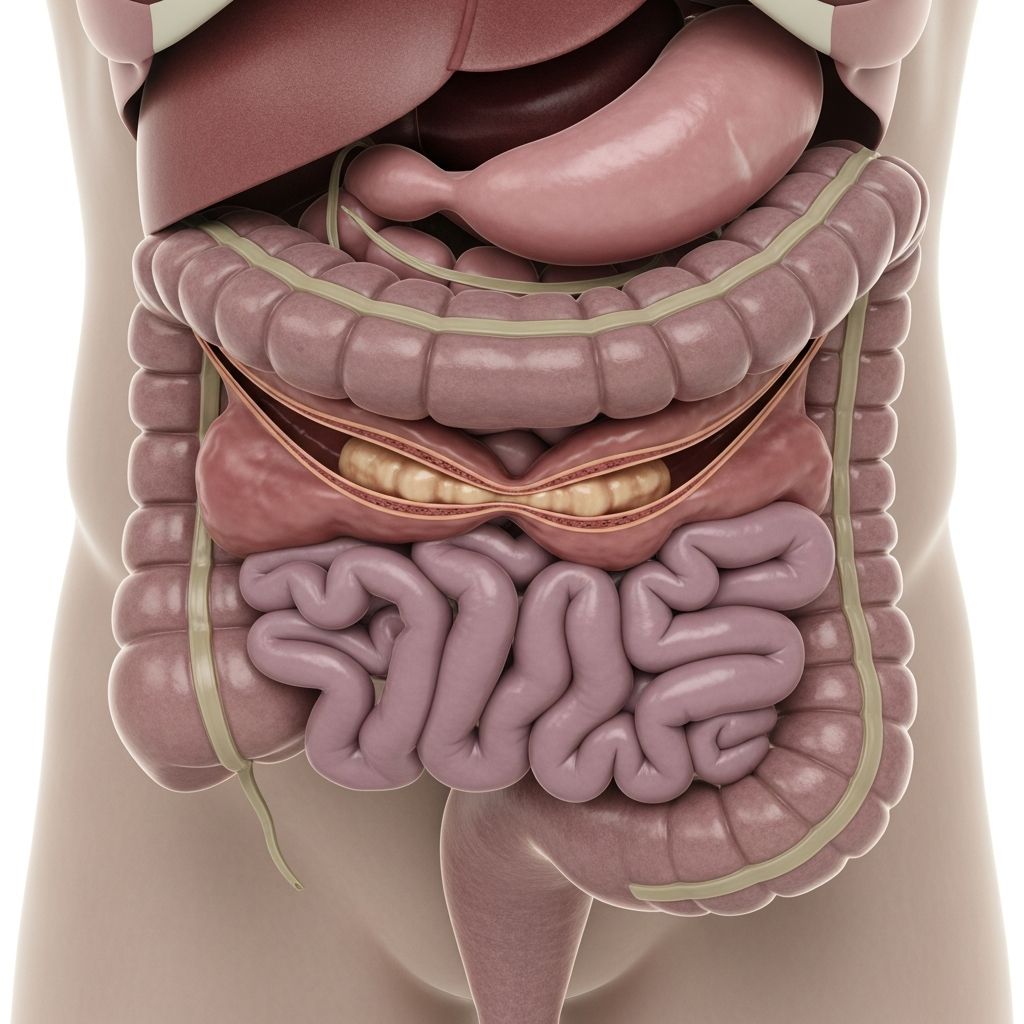
An intestinal obstruction is a blockage that prevents food, fluid, or gas from moving through the small intestine or large intestine (colon). This condition can be partial or complete, and it is considered a medical emergency, especially if it is complete. Intestinal obstructions can occur anywhere along the digestive tract and may result from a variety of causes, including physical blockages, functional disorders, or complications from other diseases.
Types of Intestinal Obstruction
- Mechanical Obstruction: This type occurs when there is a physical blockage in the intestine, such as from adhesions, hernias, tumors, or impacted stool.
- Functional Obstruction (Paralytic Ileus): This type is not caused by a physical blockage but by a disruption in the normal muscle contractions of the intestines, often due to surgery, infection, or certain medications.
- Pseudo-obstruction: This is a rare condition where the symptoms of obstruction are present, but there is no physical blockage. It is often caused by nerve or muscle disorders.
Causes of Intestinal Obstruction
The causes of intestinal obstruction can be broadly categorized into mechanical and functional causes.
Mechanical Causes
- Adhesions (scar tissue) from previous abdominal or pelvic surgery
- Hernias (portions of intestine protruding into another part of the body)
- Colon or rectal cancer
- Diverticulitis (infection of pouches in the intestines)
- Intussusception (telescoping of one segment of bowel into another)
- Volvolus (twisted intestine)
- Impacted stool
- Foreign bodies (objects swallowed and blocking the intestines)
- Gallstones (rare)
- Inflammatory diseases such as Crohn’s disease
Functional Causes
- Abdominal or pelvic surgery
- Infections (such as gastroenteritis or appendicitis)
- Medications (especially opioids and antidepressants)
- Electrolyte imbalances
- Neurological disorders (such as Parkinson’s disease, multiple sclerosis)
- Endocrine disorders (such as hypothyroidism)
- Chronic diseases (such as kidney or heart disease)
Symptoms of Intestinal Obstruction
The symptoms of intestinal obstruction can vary depending on the location and severity of the blockage. Common symptoms include:
- Crampy abdominal pain that comes and goes
- Loss of appetite
- Constipation
- Vomiting
- Inability to have a bowel movement or pass gas
- Swelling of the abdomen
- Abdominal fullness and gas
- Diarrhea (in some cases)
- Breath odor
Diagnosis of Intestinal Obstruction
Diagnosing an intestinal obstruction typically involves a combination of medical history, physical examination, and imaging tests.
Medical History and Physical Examination
Your doctor will ask about your symptoms, medical history, and any recent surgeries or illnesses. A physical examination may reveal abdominal tenderness, swelling, or abnormal bowel sounds.
Imaging Tests
- Abdominal X-ray: This can show signs of obstruction, such as dilated loops of bowel or air-fluid levels.
- CT Scan: This provides more detailed images of the abdomen and can help identify the cause and location of the obstruction.
- Ultrasound: This may be used, especially in children, to diagnose intussusception.
- Barium Enema: This is used to diagnose and sometimes treat intussusception in children.
Related Stories



Treatment of Intestinal Obstruction
Treatment for intestinal obstruction depends on the cause, location, and severity of the blockage. Most cases require hospitalization.
Hospitalization and Stabilization
When you arrive at the hospital, doctors will stabilize your condition. This may include:
- Placing an intravenous (IV) line to give fluids and electrolytes
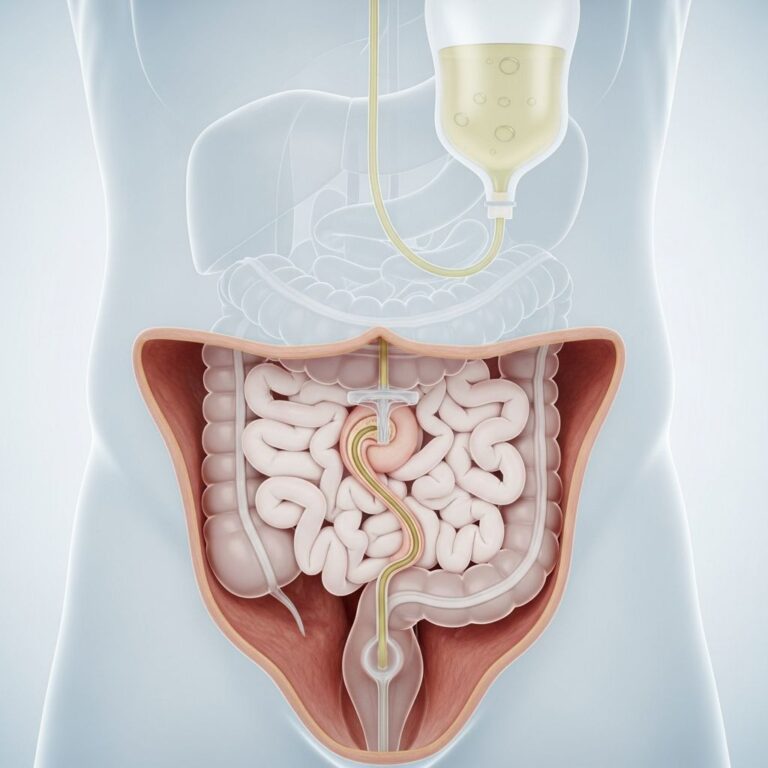
- Putting a nasogastric tube through your nose into your stomach to relieve abdominal swelling and vomiting
- Placing a catheter into your bladder to drain urine and collect it for testing
Non-Surgical Treatments
- Bowel Rest: You may be asked to stop eating or drinking temporarily to allow your intestine to clear the obstruction and let swelling go down. You’ll receive a liquid that provides the nutrition you need.
- Medications: You might receive nausea and pain relief drugs by IV to ease symptoms. If you have an infection, you’ll also get antibiotics.
- Nasogastric Tube: A thin tube is placed through your nose and into your stomach to suction out fluids and gases that have built up in your digestive tract. This can relieve symptoms and may also help clear the blockage.
- Stent: A mesh tube called a stent may be placed into your bowel to open the blocked area. This may be enough to treat the bowel obstruction, or you might need surgery once your condition is stable enough.
- Bowel Decompression: A thin tube is guided into the blocked area to open it up and relieve pressure. It can be done with a colonoscopy, in which the tube is inserted through your anus, or with surgery.
Surgical Treatments
Surgery may be needed to relieve the obstruction if non-surgical treatments are not effective or if there are signs of tissue death. Surgery may also be necessary if a tumor is causing a mechanical obstruction.
- Removal of Obstruction: The surgeon may remove the blockage, such as a tumor or impacted stool.
- Repair of Hernia: If a hernia is causing the obstruction, it may be repaired.
- Resection of Damaged Intestine: If part of the intestine is damaged or dead, it may be removed.
Complications of Intestinal Obstruction
If left untreated, intestinal obstruction can lead to serious complications, including:
- Dehydration
- Electrolyte imbalances
- Infection
- Perforation of the intestine
- Peritonitis (infection of the abdominal lining)
- Death
Prevention of Intestinal Obstruction
While not all cases of intestinal obstruction can be prevented, some steps can reduce the risk:
- Follow a healthy diet rich in fiber to prevent constipation.
- Stay hydrated.
- Manage chronic conditions such as diabetes and kidney disease.
- Be cautious with medications that can slow bowel movements, such as opioids.
- Seek prompt medical attention for abdominal pain or changes in bowel habits.
Frequently Asked Questions (FAQs)
Q: What is the difference between a partial and complete intestinal obstruction?
A: A partial obstruction allows some food and fluid to pass through, while a complete obstruction blocks all movement of food and fluid. Complete obstructions are more serious and require immediate medical attention.
Q: Can intestinal obstruction be treated at home?
A: No, intestinal obstruction is a medical emergency and should not be treated at home. Seek immediate medical attention if you suspect an obstruction.
Q: What are the long-term effects of intestinal obstruction?
A: Most people recover fully after treatment, but some may experience ongoing digestive issues or require further surgery. Early diagnosis and treatment are crucial to prevent complications.
Q: Can intestinal obstruction recur after treatment?
A: Yes, especially if the underlying cause, such as adhesions or a chronic disease, is not addressed. Follow-up care and management of risk factors are important.
Q: What should I do if I suspect an intestinal obstruction?
A: Seek immediate medical attention. Do not attempt to treat the problem at home.
References
- Intestinal Obstruction — Mayo Clinic. 2023-09-01. https://www.mayoclinic.org/diseases-conditions/intestinal-obstruction/symptoms-causes/syc-20351460
- Bowel Obstruction and Blockage: Symptoms, Causes, and Treatment — WebMD. 2023-08-15. https://www.webmd.com/digestive-disorders/what-is-bowel-obstruction
- Intestinal Obstruction and Ileus — MedlinePlus. 2023-07-01. https://medlineplus.gov/ency/article/000260.htm
Similar Articles








Read full bio of Sneha Tete