Anesthesia: Complete Guide To Types, Risks, And Recovery
Explore the essentials of anaesthesia: types, processes, safety measures, and recovery for informed medical decisions.
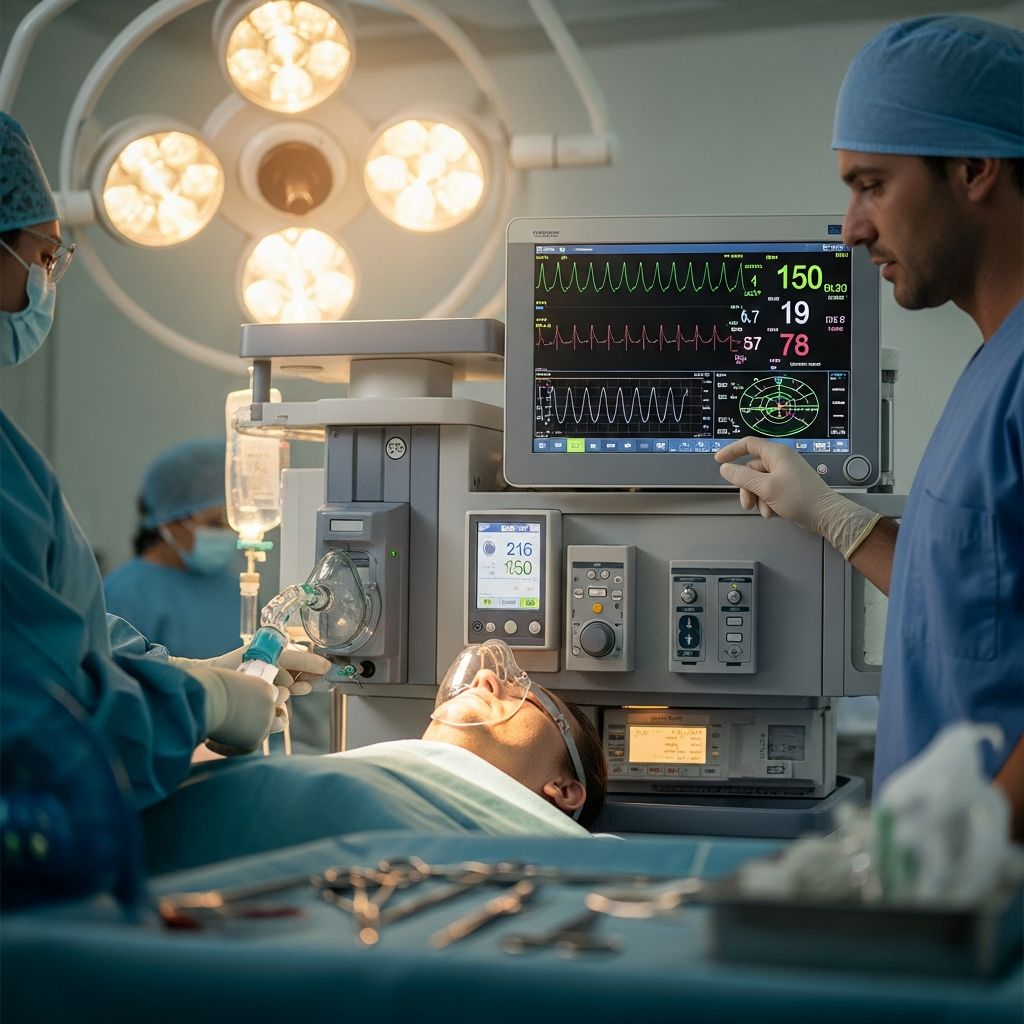
Anaesthesia is a critical medical practice that induces a controlled state of reduced sensation or awareness to facilitate pain-free procedures, surgeries, or diagnostic tests. It encompasses analgesia for pain relief, muscle relaxation, amnesia, and often unconsciousness, tailored to the patient’s needs and procedure type.
The Fundamental Goals of Anaesthesia
The primary objectives of anaesthesia are to achieve hypnosis (temporary loss of consciousness and memory), analgesia (prevention of pain sensation), and muscle relaxation. These endpoints allow surgeons to perform complex interventions without patient discomfort or involuntary movements. General anaesthesia targets the entire body, rendering patients unarousable to stimuli, while other forms focus on specific areas.
Primary Types of Anaesthesia
Anaesthesia is categorized into several types, each suited to different procedures based on invasiveness and patient factors.
- General Anaesthesia: Induces a sleep-like state affecting the whole body, using intravenous drugs and inhaled gases. Patients lose consciousness, pain perception, and protective reflexes. Ideal for major surgeries like organ transplants or open-heart procedures.
- Regional Anaesthesia: Blocks nerve signals in a larger body area, such as an arm, leg, or below the waist. Common examples include epidurals for childbirth or spinal blocks for lower body surgeries. Patients remain conscious but numb in the targeted region.
- Local Anaesthesia: Numbs a small, specific area, like a tooth or skin lesion. Administered via injection or topical cream, it’s used for minor procedures such as dental work or biopsies.
- Sedation (Monitored Anaesthesia Care): Provides relaxation and mild amnesia without full unconsciousness. Often combined with local or regional methods for comfort during outpatient procedures.
| Type | Description | Common Uses | Patient State |
|---|---|---|---|
| General | Whole-body unconsciousness via IV/gases | Major surgeries | Unconscious, no pain/movement |
| Regional | Nerve block for body region | C-sections, joint surgeries | Conscious, numb area |
| Local | Small area numbing | Dental, skin procedures | Fully conscious |
| Sedation | Relaxation and forgetfulness | Endoscopies, minor ops | Drowsy, responsive |
Pre-Procedure Preparation and Risk Assessment
Before anaesthesia, a thorough evaluation occurs, including medical history review, physical exams, and lab tests to assess risks. Factors like age, allergies, heart conditions, or obesity influence the choice of agents and monitoring. Patients are advised to fast for 6-8 hours to prevent aspiration, and medications may be adjusted. An anaesthesiologist or certified registered nurse anaesthetist (CRNA) discusses the plan, addressing concerns.
In high-risk cases, pre-operative optimization such as quitting smoking or managing blood pressure is recommended to minimize complications.
Administering Anaesthesia: Step-by-Step Process
Anaesthesia induction varies by type but follows structured stages, particularly for general anaesthesia.
- Induction Phase: Initial drugs via IV (e.g., propofol) or mask induce unconsciousness rapidly. Patients transition from sedation to full anaesthesia.
- Maintenance: Continuous IV infusions or inhaled gases (e.g., sevoflurane) sustain the state. A breathing tube (endotracheal) may secure the airway.
- Monitoring: Continuous tracking of heart rate, blood pressure, oxygen levels, temperature, and brain activity ensures stability. Adjustments prevent issues like hypotension.
- Emergence: Agents are tapered, allowing gradual awakening as the procedure ends.
For regional types, injections target nerve clusters, often with ultrasound guidance for precision.
Stages of General Anaesthesia
General anaesthesia progresses through distinct phases for safe management.
- Stage 1 (Analgesia): Light sedation; patient feels drowsy but converses. Pain relief begins without full unconsciousness.
- Stage 2 (Excitement): Irregular breathing and potential reflexes; quickly passed with careful dosing.
- Stage 3 (Surgical Anaesthesia): Optimal depth with relaxed muscles, stable vitals, and no response to stimuli. Divided into planes for fine control.
- Stage 4 (Overdose): Dangerous respiratory arrest; avoided through vigilant monitoring.
The Role of the Anaesthesia Team
Anaesthesiologists, physicians specialized in this field, lead care, with CRNAs providing support. They select drugs like hypnotics, opioids, and muscle relaxants, balancing efficacy and safety. Intraoperatively, the team manages ventilation, fluids, and emergencies, ensuring vital functions.
Related Stories



Potential Side Effects and Complications
Most patients recover smoothly, but side effects occur.
- Common: Nausea, sore throat from intubation, drowsiness, shivering.
- Rare Serious: Allergic reactions (1 in 10,000), awareness under anaesthesia (1 in 19,000), or malignant hyperthermia—a genetic response treatable with dantrolene.
Risks are lower in healthy patients and modern facilities (mortality <1 in 100,000). Pre-existing conditions elevate odds, underscoring personalized assessment.
Recovery and Post-Anaesthesia Care
Post-op, patients move to recovery rooms for monitoring until stable. Discharge criteria include alertness, stable vitals, and pain control. Full recovery takes hours to days; avoid driving or decisions for 24 hours. Hydration, light meals, and rest aid recovery. Persistent symptoms warrant medical follow-up.
Safety Advances in Modern Anaesthesia
Technological improvements like pulse oximetry, capnography, and bispectral index monitoring have slashed risks dramatically since the 1980s. Agent refinements reduce nausea and emergence times. Patient safety checklists and simulation training further enhance outcomes.
Special Considerations for Patient Groups
- Children: Mask induction preferred; lower doses account for physiology.
- Elderly: Sensitive to agents; focus on minimal dosing to avoid confusion.
- Pregnant: Regional preferred for C-sections to enable bonding.
- Obese: Airway challenges; advanced positioning and drugs used.
Frequently Asked Questions (FAQs)
Is anaesthesia safe?
Yes, with mortality rates under 1 in 100,000 in developed settings, thanks to rigorous monitoring.
Will I feel pain during surgery?
No, effective analgesia ensures no pain perception.
How long does recovery take?
Most are alert in 30-60 minutes; full effects linger 24 hours.
Can I choose my anaesthesia type?
Often yes, after anaesthesiologist consultation on suitability.
What if I’m allergic to anaesthetics?
Allergies are screened; alternatives exist for most cases.
Preparing Yourself Mentally and Physically
Discuss fears openly; anxiety reduction techniques like mindfulness help. Follow fasting and medication instructions precisely for optimal outcomes.
References
- Anesthesia — Wikipedia. 2023-10-15. https://en.wikipedia.org/wiki/Anesthesia
- Anesthesia Stages – StatPearls — NCBI Bookshelf, NIH. 2023-07-17. https://www.ncbi.nlm.nih.gov/books/NBK557596/
- General anesthesia — Mayo Clinic. 2023-11-01. https://www.mayoclinic.org/tests-procedures/anesthesia/about/pac-20384568
- Anesthesia — National Institute of General Medical Sciences, NIH. 2022-05-24. https://www.nigms.nih.gov/education/fact-sheets/Pages/anesthesia
- General anaesthesia: procedure, side effects and recovery — Bupa UK. 2023-09-12. https://www.bupa.co.uk/health-information/surgery-and-procedures/anaesthesia
Similar Articles








Read full bio of medha deb