Understanding Antioxidants: Your Body’s Defense System
Learn how antioxidants protect your cells from damage and support long-term health.
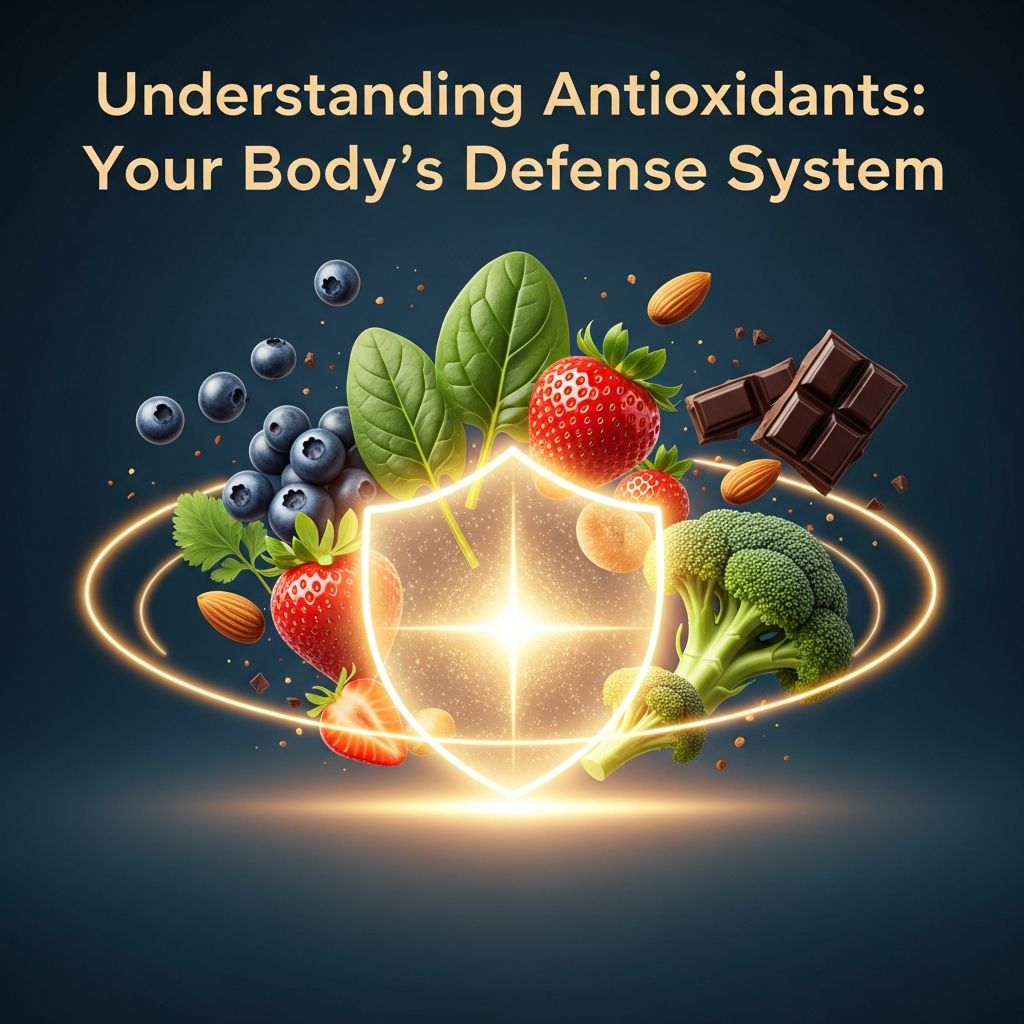
Your body is constantly under attack. Not by invaders you can see, but by microscopic enemies called free radicals. These unstable molecules form naturally as your cells produce energy, but they also accumulate from environmental exposure to tobacco smoke, sunlight, air pollution, and other toxins. Without adequate defense, free radicals damage cells and contribute to aging, inflammation, and chronic diseases. Fortunately, nature has equipped your body with powerful defenders known as antioxidants. Understanding how these molecules work and where to find them is essential for maintaining optimal health.
What Are Free Radicals?
Free radicals are highly reactive molecules that contain unpaired electrons. Your body naturally produces these substances during normal metabolic processes, particularly during cellular respiration in the mitochondria. While some free radical production is inevitable and even necessary for certain biological functions, excessive accumulation leads to a harmful condition called oxidative stress.
Several factors increase free radical production in your body:
- Mitochondrial activity during energy production
- Excessive or intense exercise
- Tissue trauma from inflammation and injury
- Consumption of refined and processed foods, trans fats, and artificial additives
- Smoking and secondhand smoke exposure
- Environmental pollution and ozone exposure
- Radiation from sun exposure and medical procedures
- Chemical exposure including pesticides and certain medications
When free radicals accumulate faster than your body can neutralize them, they begin damaging cellular components, including proteins, lipids, and DNA. This oxidative damage is implicated in cardiovascular disease, cancer, diabetes, Alzheimer’s disease, and premature aging.
How Antioxidants Work
Antioxidants are molecules that neutralize free radicals by generously donating electrons without becoming unstable themselves. This process stops the chain reaction of free radical damage that would otherwise spread throughout your cells. Your body produces some antioxidants naturally, including several powerful enzymatic antioxidants. Research has shown that antioxidant enzymes are the most important components of your body’s defense system against oxidative stress.
In addition to endogenous antioxidants your body manufactures, you can obtain antioxidants from dietary sources. These dietary antioxidants support your body’s natural defense mechanisms and may even induce your cells to produce more of their own antioxidant enzymes. Plant-based foods contain thousands of bioactive antioxidant compounds called phytochemicals, which are naturally occurring substances that plants produce to protect themselves from environmental stress.
Types of Antioxidants Found in Food
There are hundreds, possibly thousands, of different substances that can act as antioxidants. The most well-known and researched include:
Vitamins with Antioxidant Activity
Vitamin C is found abundantly in citrus fruits, berries, broccoli, and spinach. This water-soluble vitamin is particularly effective at protecting cells in aqueous environments and supporting immune function. Vitamin E is a fat-soluble antioxidant found in plant-based oils, nuts, seeds, dairy products, and leafy greens. It protects cell membranes from oxidative damage.
Mineral Antioxidants
Selenium and manganese are trace minerals with antioxidant properties found in lean meats, seafood, nuts, and seeds. These minerals serve as cofactors for antioxidant enzymes in your body. Zinc, found in most seafood, lean meat, milk, and nuts, also supports antioxidant enzyme function.
Related Stories



Phytonutrient Antioxidants
Plant-based foods contain diverse phytonutrient antioxidants including beta-carotene and other carotenoids, glutathione, coenzyme Q10, lipoic acid, flavonoids, phenols, polyphenols, and phytoestrogens. These compounds give plants their vibrant colors and unique flavors while providing powerful health-protective benefits.
The Most Antioxidant-Rich Foods
Research analyzing over 3,100 foods, beverages, and supplements reveals that antioxidant content varies dramatically—by several thousand-fold. The most antioxidant-rich foods come exclusively from the plant kingdom, with animal-based foods containing negligible antioxidant levels.
Spices and Herbs
Spices and dried herbs are among the most concentrated sources of antioxidants available. When ranked by antioxidant content, clove leads dramatically, containing up to 277 mmol/100g, followed by peppermint, allspice, cinnamon, oregano, thyme, sage, rosemary, saffron, and estragon. Fresh herbs like oregano, rosemary, and thyme contain lower antioxidant levels than their dried counterparts but still provide significant benefits. Parsley and cumin are also excellent sources of flavonoids and phenolic acids.
Berries and Fruits
Berries, particularly those with deep purple and red pigmentation, contain exceptional levels of antioxidants. These colorful fruits provide anthocyanins and other polyphenols that offer powerful protective effects. Other antioxidant-rich fruits include citrus varieties, which are excellent sources of vitamin C.
Nuts and Seeds
Among nuts and seeds, walnuts with their pellicle (skin) intact contain the highest antioxidant content at 33.3 mmol/100g. Pecans with pellicle, sunflower seeds, and chestnuts with pellicle provide mean antioxidant content ranging from 4.7 to 8.5 mmol/100g. Notably, nuts and seeds retain higher antioxidant levels when consumed with their protective outer skin intact, emphasizing the importance of consuming whole foods rather than blanched or processed versions.
Whole Grains and Legumes
Among grains, buckwheat, millet, and barley flours contain the highest antioxidant values. Whole meal bread with fiber and crisp bread provide more antioxidants than refined grain products. Breakfast cereals typically contain antioxidant content ranging from 0.5 to 2.25 mmol/100g, with some specialty products exceeding this range.
Chocolate
Chocolate, particularly dark chocolate with high cocoa content, contains significant antioxidant levels comparable to berries and other plant-based foods. The flavonoids in cacao provide protective benefits, making dark chocolate a legitimate source of dietary antioxidants when consumed in moderation.
Comparison of Plant vs. Animal-Based Foods
| Food Category | Antioxidant Level | Key Examples |
|---|---|---|
| Spices & Herbs | Highest (44-277 mmol/100g) | Cloves, oregano, rosemary |
| Berries & Fruits | Very High | Blueberries, cranberries, raspberries |
| Nuts & Seeds | Very High (4.7-33.3 mmol/100g) | Walnuts, pecans, sunflower seeds |
| Vegetables | High | Spinach, broccoli, dark leafy greens |
| Whole Grains | Moderate (0.5-2.25 mmol/100g) | Buckwheat, barley, whole wheat |
| Meat & Fish | Very Low | All animal products |
Plant-based foods contain 5 to 33 times more antioxidants on average than meat and animal products. This dramatic difference underscores why diets emphasizing whole plant-based foods provide substantially greater antioxidant protection than diets centered on animal products.
Health Benefits of Antioxidants
Extensive epidemiological research demonstrates that higher intakes of antioxidant-rich fruits, vegetables, and legumes are associated with lower risk of chronic oxidative stress-related diseases. These protective associations include reduced risk of cardiovascular disease, certain cancers, and overall mortality.
The proposed mechanisms by which antioxidants provide health protection include:
- Directly neutralizing free radicals and reactive oxygen species
- Inducing your body to produce more of its own antioxidant enzymes
- Supporting DNA repair mechanisms
- Maintaining cellular health and integrity
- Promoting longevity and healthy aging
- Reducing chronic inflammation
While the exact protective mechanism remains under investigation, plant-based diets are believed to protect against chronic oxidative stress-related diseases through their abundant antioxidant content combined with other beneficial phytonutrients.
The Importance of Dietary Diversity
Rather than focusing on isolated antioxidants, research emphasizes the importance of consuming a diverse mixture of different antioxidants with complementary mechanisms of action and different redox potentials. Different antioxidants work synergistically—meaning they work together more effectively than any single antioxidant alone. An optimal antioxidant strategy involves consuming a variety of colorful plant-based foods throughout the day.
Additionally, the dramatic variations in antioxidant content observed between seemingly comparable food samples highlight the importance of food quality and preparation methods. Factors such as ripeness, storage conditions, processing methods, and whether foods retain their protective skins all influence antioxidant bioavailability. The presence of the pellicle on nuts, for instance, dramatically increases antioxidant content—walnuts with skin intact contain vastly more antioxidants than shelled walnuts.
Antioxidant Supplements vs. Food Sources
While antioxidant supplements are widely available, consuming antioxidants from whole foods remains the superior strategy. Whole foods provide not just individual antioxidant compounds, but thousands of phytochemicals working in concert. Food sources also provide fiber, vitamins, minerals, and other beneficial compounds that supplements cannot replicate. Additionally, not all antioxidants provided in the diet are equally bioactive or beneficial.
Frequently Asked Questions
Q: What exactly are free radicals and why are they harmful?
A: Free radicals are unstable molecules with unpaired electrons that form naturally during cellular energy production and from environmental exposure to pollutants, smoke, and radiation. They damage cells by stealing electrons from healthy molecules, creating a damaging chain reaction called oxidative stress, which contributes to aging and chronic diseases.
Q: How much antioxidant-rich food should I eat daily?
A: While specific recommendations vary, consuming multiple servings of antioxidant-rich foods daily—including berries, leafy greens, nuts, seeds, and using herbs and spices liberally in cooking—provides comprehensive antioxidant protection. Aim for variety and color in your meals to access different antioxidant compounds.
Q: Can antioxidant supplements provide the same benefits as food sources?
A: Whole foods remain superior to supplements because they contain thousands of phytonutrients working synergistically, plus fiber and other essential nutrients. Supplements provide isolated compounds that may not replicate the complex protective effects of whole foods.
Q: Are dried herbs and spices as beneficial as fresh ones?
A: Dried herbs and spices actually contain significantly higher antioxidant concentrations than fresh varieties because the drying process concentrates these compounds. For example, dried oregano contains 11 times more antioxidants than fresh oregano.
Q: Which foods provide the most antioxidant protection per serving?
A: Dried spices like cloves, oregano, and cinnamon provide the highest antioxidant concentration. Among common foods, walnuts (with skin), berries, and dark leafy greens offer exceptional antioxidant levels. Including these foods regularly maximizes your antioxidant intake.
References
- Antioxidant Content of More Than 3100 Foods, Beverages, Spices, Herbs and Supplements Used Worldwide — National Center for Biotechnology Information (NCBI). 2010. https://pmc.ncbi.nlm.nih.gov/articles/PMC2841576/
- What Are Antioxidants? — Harvard School of Public Health, The Nutrition Source. 2024. https://nutritionsource.hsph.harvard.edu/antioxidants/
- Antioxidant Supplements: What You Need To Know — National Center for Complementary and Integrative Health (NCCIH), National Institutes of Health. 2024. https://www.nccih.nih.gov/health/antioxidant-supplements-what-you-need-to-know
- Antioxidants: Health Benefits and Nutritional Information — Medical News Today. 2024. https://www.medicalnewstoday.com/articles/301506
- Antioxidant-Rich Superfoods for Optimal Health — WebMD. 2024. https://www.webmd.com/food-recipes/antioxidants-your-immune-system-super-foods-optimal-health
Similar Articles








Read full bio of Sneha Tete