Black Eye: Causes, Home Care, And Recovery Guide
Discover causes, symptoms, home treatments, and when to seek urgent care for black eyes to ensure safe recovery.
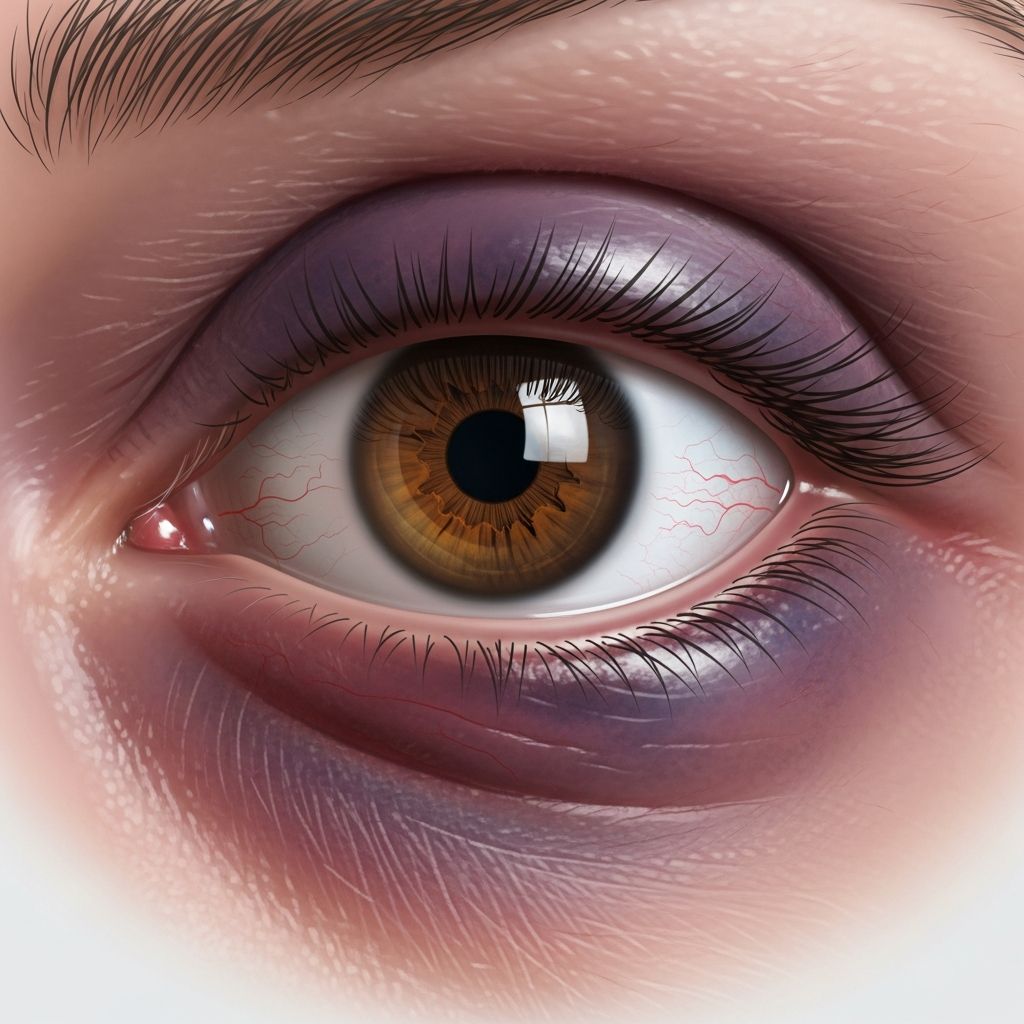
A black eye, medically termed periorbital hematoma, arises when blood accumulates under the thin skin around the eye due to damaged blood vessels. This common injury often results from facial trauma but can signal underlying issues, making prompt recognition and care essential for healing and complication prevention.
What Triggers a Black Eye?
Trauma remains the primary culprit behind most black eyes, occurring when blunt force impacts the face. Punches, accidental falls, sports collisions, or even walking into objects can rupture delicate capillaries beneath the skin, leading to blood leakage and visible bruising.
Beyond physical blows, surgical procedures contribute significantly. Cosmetic enhancements, nasal operations, or dental work may cause postoperative bruising resembling a black eye. Sinus infections can also provoke inflammation and discoloration in the periorbital area.
Rarer origins include systemic conditions like amyloidosis, lupus, or certain cancers, which weaken blood vessels. Skull fractures, particularly basal ones, may produce bilateral black eyes known as raccoon eyes, indicating potential intracranial bleeding. Spontaneous cases without trauma warrant investigation for serious disorders.
- Common trauma sources: Assaults, accidents, athletic impacts.
- Medical procedures: Facial surgeries, dental interventions.
- Infections and diseases: Sinusitis, autoimmune disorders, malignancies.
Recognizing Symptoms and Healing Progression
Initial signs include redness, tenderness, and rapid swelling around the eye socket. Within hours, the area darkens to purple or black as blood pools, potentially spreading to cheeks or eyelids. Pain varies from mild ache to sharp discomfort, often worsening with touch.
As healing advances, colors shift predictably: deep blue to green, then yellow over 1-3 weeks. Additional symptoms like blurred vision, headaches, or dizziness may accompany severe cases. Allergic shiners mimic black eyes but stem from nasal congestion, causing dark circles without true bruising.
| Healing Stage | Timeline | Appearance | Associated Sensations |
|---|---|---|---|
| Acute | 0-48 hours | Red to purple swelling | Pain, tenderness |
| Subacute | 2-7 days | Blue-black to green | Decreasing swelling |
| Resolution | 7-14+ days | Yellow fading to normal | Minimal discomfort |
This progression reflects the body’s breakdown of hemoglobin in trapped blood, with full resolution typically in two weeks for minor injuries.
Home Remedies for Effective Management
Self-care forms the cornerstone of black eye treatment, focusing on minimizing swelling, easing pain, and accelerating reabsorption of blood. Start immediately post-injury for optimal results.
Cold Therapy in the First Phase
Apply a cold compress—such as ice wrapped in cloth or frozen vegetables—for 10-20 minutes hourly during the first 24-48 hours. This constricts vessels, curbs bleeding, and limits hematoma size. Avoid direct ice contact to prevent skin damage.
Transition to Warm Compresses
After 48 hours, switch to warm (not hot) compresses several times daily. Heat boosts circulation, aiding bruise resolution and reducing residual stiffness. Combine with gentle orbital massage, steering clear of the eyeball.
Pain Management and Supportive Measures
Over-the-counter analgesics like acetaminophen or ibuprofen alleviate discomfort; avoid aspirin due to its blood-thinning effects exacerbating bruising. Elevate the head during rest to drain fluids, and refrain from strenuous activities.
Related Stories



Nutritional aids show promise: vitamin C bolsters vessel integrity, pineapple enzymes combat inflammation, and bilberry antioxidants may fade discoloration faster, though evidence remains preliminary.
- Rest the eye and protect from further trauma.
- Stay hydrated to support tissue repair.
- Consider arnica or hirudoid cream topically, per some studies.
Critical Warning Signs: When to Seek Professional Help
Not all black eyes heal uneventfully; certain symptoms demand urgent evaluation to rule out fractures, orbital damage, or neurological threats.
Head to the emergency department if:
- Vision changes: double sight, loss, or blurriness persist.
- Severe headache, nausea, or unequal pupils suggest concussion.
- Blood appears on the eye surface, nose, or ears.
- Inability to move the eye or fluid leakage occurs.
- Swelling impedes eyelid closure or breathing.
Post-surgery black eyes or those arising spontaneously require ophthalmologist review promptly.
Prevention Tactics for Active Lifestyles
Minimize risks through protective eyewear in sports, helmets during cycling, and caution in high-risk environments. Childproof homes reduce accidental falls, while awareness during altercations prevents assaults.
For surgical patients, follow preoperative instructions and postoperative care to curb bruising. Managing allergies and sinus issues via antihistamines or decongestants avoids shiners.
Potential Complications and Long-Term Outlook
Untreated severe black eyes risk infection, corneal abrasion from swelling, or vision-impairing hematomas. Rare orbital fractures may necessitate imaging and surgery. Most resolve without sequelae, restoring normal appearance and function.
Persistent discoloration beyond three weeks merits specialist consultation for underlying vascular or coagulopathy issues.
Frequently Asked Questions (FAQs)
How long does a black eye last?
Typically 1-2 weeks, with color changes marking progress. Severe cases may extend to three weeks.
Can I wear makeup over a black eye?
Wait until swelling subsides; use hypoallergenic products gently to avoid irritation.
Is a black eye always from a punch?
No, falls, sports, surgery, or illnesses can cause it.
Should I pop a black eye?
Never; this risks infection and worsens damage.
What accelerates black eye healing?
Cold then warm compresses, elevation, and rest prove most effective.
Expert Insights on Black Eye Recovery
Ophthalmologists emphasize early intervention: cold therapy within the golden hour post-injury halves swelling. Imaging like CT scans aids if trauma history suggests fracture. For recurrent cases, blood tests screen clotting disorders.
Pediatric considerations differ; children under five with black eyes need evaluation for non-accidental injury. Athletes benefit from baseline eye exams pre-season.
References
- Black Eye: Causes, Symptoms, Treatment, and Prevention — Doctronic. 2023. https://www.doctronic.ai/blog/black-eye-causes-symptoms-treatment-and-prevention-526528/
- How to treat your BLACK EYE at home (… and when to see a doctor) — YouTube (Doctor O’Donovan). 2023. https://www.youtube.com/watch?v=YVVGSXRJbdg
- Black Eye Causes & Treatment — Cleveland Clinic. 2024-02-01. https://my.clevelandclinic.org/health/diseases/black-eye
- Black eye (periorbital haematoma) – treatment and causes — healthdirect.gov.au. 2024. https://www.healthdirect.gov.au/black-eye
- Black eye: First aid — Mayo Clinic. 2023-10-15. https://www.mayoclinic.org/first-aid/first-aid-black-eye/basics/art-20056675
- Black eye — NHS.uk. 2024-01-20. https://www.nhs.uk/conditions/black-eye/
- Is My Black Eye a Serious Injury? — Pacific Eye Care. 2023. https://www.pacificeyecare.net/is-my-black-eye-a-serious-injury/
Similar Articles








Read full bio of Sneha Tete