Bleeding: 3 Types, Causes, And Practical Management
Comprehensive guide to recognizing, managing, and preventing different types of bleeding for better health outcomes.
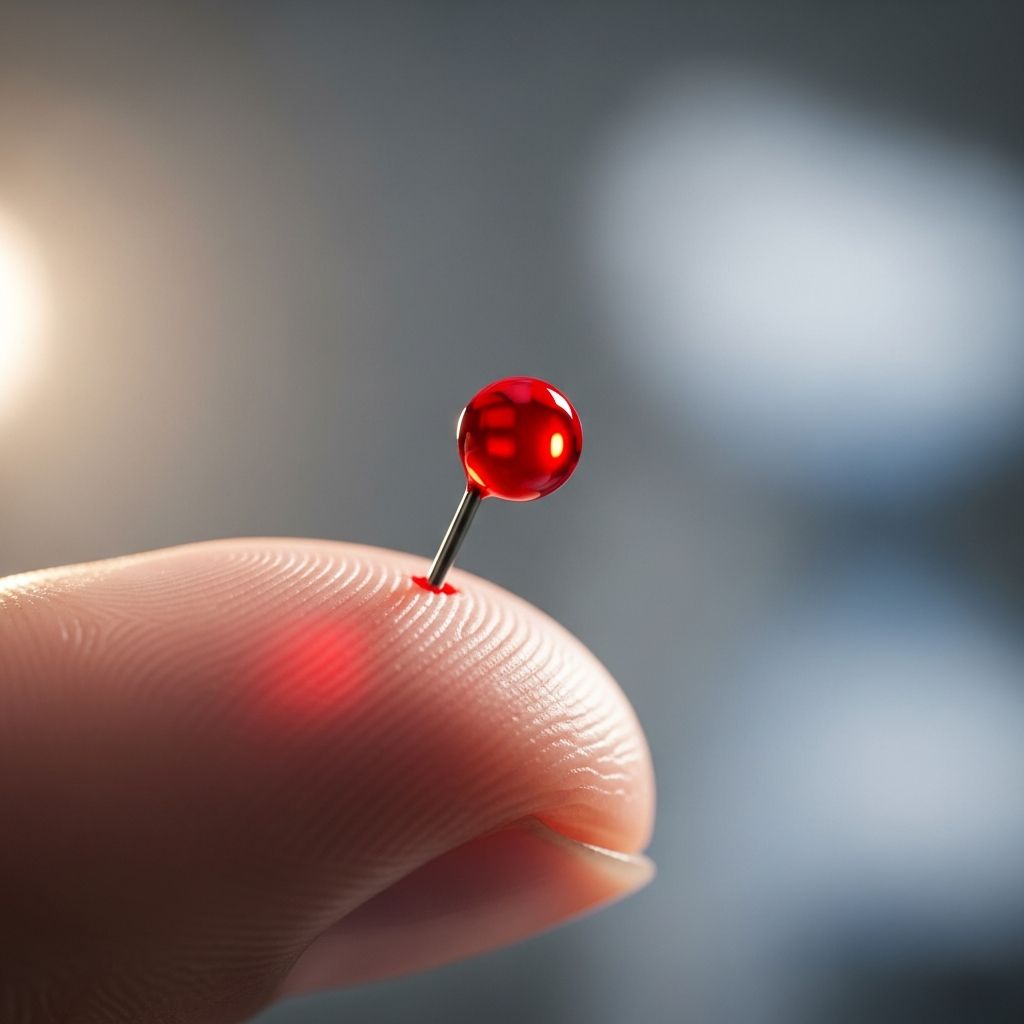
Bleeding occurs when blood escapes from the circulatory system due to damaged blood vessels. It ranges from minor surface wounds to life-threatening internal hemorrhages that demand immediate intervention. Recognizing the type and severity of bleeding is crucial for effective response and treatment.
Fundamentals of Blood and Clotting
The human body maintains hemostasis through a complex interplay of platelets, clotting factors, and vascular integrity. Platelets aggregate at injury sites to form plugs, while coagulation factors create fibrin meshes to stabilize clots. Disruptions in this process, such as low platelet counts or factor deficiencies, lead to excessive bleeding.
When vessels are intact, blood flows smoothly. Trauma, disease, or medications can compromise this, resulting in hemorrhage. Understanding these basics empowers individuals to respond appropriately to bleeding incidents.
Types of Bleeding by Vessel Involvement
Bleeding is classified by the affected vessel: arterial, venous, or capillary. Each type presents distinct characteristics influencing management strategies.
- Arterial Bleeding: Bright red blood spurts rhythmically due to high pressure. Often from major arteries, it poses high risk of rapid blood loss.
- Venous Bleeding: Darker red, steady flow from lower-pressure veins. Common in deeper wounds but less forceful than arterial.
- Capillary Bleeding: Slow ooze from surface capillaries, typically minor and self-limiting, seen in scrapes.
These distinctions guide first aid: direct pressure suffices for capillary and venous, while arterial may require tourniquets.
Surface vs. Internal Bleeding: Key Differences
External bleeding is visible and accessible for immediate care, whereas internal bleeding accumulates within body cavities, often undetected until symptoms like shock emerge.
| Type | Characteristics | Common Sites | Urgency |
|---|---|---|---|
| External | Visible blood flow | Skin, mucous membranes | Moderate to high |
| Internal | Hidden; signs include pain, swelling | Abdomen, chest, joints | Critical |
Surface bleeding from skin suggests platelet or vessel issues, while deep tissue bleeding indicates coagulation defects.
Common Causes Across Body Systems
Bleeding arises from trauma, medical conditions, or medications. Trauma includes cuts, fractures, or punctures. Medical causes span clotting disorders, vessel fragility, and organ diseases.
Trauma-Related Bleeding
Injuries from accidents, falls, or violence damage vessels directly. High-impact events like car crashes can cause both external and internal hemorrhages.
Clotting and Platelet Disorders
Thrombocytopenia reduces platelet numbers, impairing plug formation. Inherited conditions like hemophilia or von Willebrand disease affect factors VIII or vWF. Acquired issues stem from medications (anticoagulants) or infections.
Gastrointestinal Sources
GI bleeding affects upper (esophagus, stomach) or lower (colon) tracts. Causes include ulcers, varices from liver disease, diverticulitis, and polyps. Symptoms: black tarry stools (melena) or bright red blood (hematochezia).
- Upper GI: Vomiting blood (hematemesis), often from peptic ulcers or esophageal tears.
- Lower GI: Rectal bleeding from IBD, hemorrhoids, or cancers.
Other Internal Sites
Abdominal bleeding from ruptured organs (spleen, liver) or aneurysms. Thoracic from trauma or aortic issues. Gynecological: heavy menses or postpartum.
Related Stories



Recognizing Warning Signs
External bleeding is obvious; internal requires vigilance for indirect cues like dizziness, rapid pulse, pale skin, or abdominal distension. In coagulopathies, watch for petechiae (tiny spots), purpura (bruises), or joint swelling.
Severe signs: hypotension, tachycardia, shock. GI-specific: fatigue from anemia, bloody vomit/stool.
Initial Assessment and First Aid
Ensure safety, then assess: Is it arterial? Apply firm pressure with clean cloth for 5-10 minutes. Elevate limb if possible. For uncontrolled external bleeding, use tourniquet as last resort.
Internal suspected? Do not induce vomiting; position comfortably and seek emergency services immediately. Avoid food/drink.
- Check responsiveness and ABCs (airway, breathing, circulation).
- Control visible bleeding.
- Monitor for shock: keep warm, legs elevated.
- Call emergency if heavy or internal.
Medical Diagnosis Approaches
History probes bleeding patterns, family history, medications. Exam checks vital signs, petechiae, joint bleeds. Labs: CBC for platelets/hemoglobin, PT/INR/aPTT for coagulation, smear for abnormalities.
Imaging: Ultrasound/CT for internal bleeds, endoscopy for GI. Specialized tests like aggregometry for platelet function.
Interpreting Lab Results
| Test | Normal Range | Abnormal Indicates |
|---|---|---|
| Platelet Count | 150-450 x 10^9/L | Thrombocytopenia (<150) |
| PT/INR | 11-13.5s / 0.8-1.2 | Factor deficiency, liver disease |
| aPTT | 25-35s | Hemophilia, inhibitors |
Prolonged times with low platelets suggest DIC; D-dimer confirms.
Treatment Strategies by Severity
Mild: Pressure, topical agents. Moderate: Address cause, e.g., vitamin K for deficiency. Severe: Hospitalization with transfusions, factor replacement, surgery.
Emergency Interventions
IV fluids for hypovolemia, blood products (plasma, platelets, cryoprecipitate). Endoscopy cauterizes GI bleeds; embolization blocks vessels.
Long-Term Management
For disorders: Prophylactic factors, antifibrinolytics. Lifestyle: Avoid NSAIDs, trauma.
Special Populations and Risks
Children: Higher infection-related risks like HUS. Pregnant: Postpartum hemorrhage from uterine atony. Elderly: Anticoagulant use heightens falls’ danger. Liver disease impairs factor synthesis.
Prevention Tips for Everyday Safety
- Wear protective gear during activities.
- Manage chronic conditions (e.g., hypertension).
- Regular check-ups for clotting risks.
- Avoid unmonitored supplements affecting coagulation.
Frequently Asked Questions (FAQs)
What should I do for a deep cut that’s spurting blood?
Apply direct pressure; if uncontrolled after 10 minutes, use tourniquet and seek emergency care immediately.
How do I know if bleeding is internal?
Look for pain, swelling, dizziness, or drop in blood pressure without visible wounds. Call 911 promptly.
Can medications cause excessive bleeding?
Yes, anticoagulants like warfarin or aspirin inhibit clotting. Consult doctors before starting.
Is nosebleed serious?
Usually not, pinch nostrils 10 minutes. Recurrent or heavy suggests vessel issues; see ENT.
When to worry about blood in stool?
Any bright red or black stool warrants medical evaluation, especially with anemia symptoms.
References
References
- Excessive Bleeding – Hematology and Oncology — Merck Manual Professional Edition. 2023. https://www.merckmanuals.com/professional/hematology-and-oncology/hemostasis/excessive-bleeding
- Internal Bleeding Signs, Symptoms & Treatment — Cleveland Clinic. 2023-10-27. https://my.clevelandclinic.org/health/diseases/internal-bleeding
- Gastrointestinal bleeding – Symptoms and causes — Mayo Clinic. 2023-09-14. https://www.mayoclinic.org/diseases-conditions/gastrointestinal-bleeding/symptoms-causes/syc-20372729
- Hemorrhage /bleeding, Causes, Signs and Symptoms, Diagnosis — YouTube (Medical Video). 2023. https://www.youtube.com/watch?v=BRGKeupsR3I
- Hemorrhage: What It Is, Causes, Symptoms, Treatment & Types — Cleveland Clinic. 2023-11-27. https://my.clevelandclinic.org/health/diseases/hemorrhage
- Types of bleeding: Differences and how to treat them — Medical News Today. 2023. https://www.medicalnewstoday.com/articles/types-of-bleeding
Similar Articles








Read full bio of medha deb