BMI: 4 Better Alternatives And What Your Number Means
Discover what BMI reveals about your health, how to calculate it accurately, and why it's just one piece of the wellness puzzle.
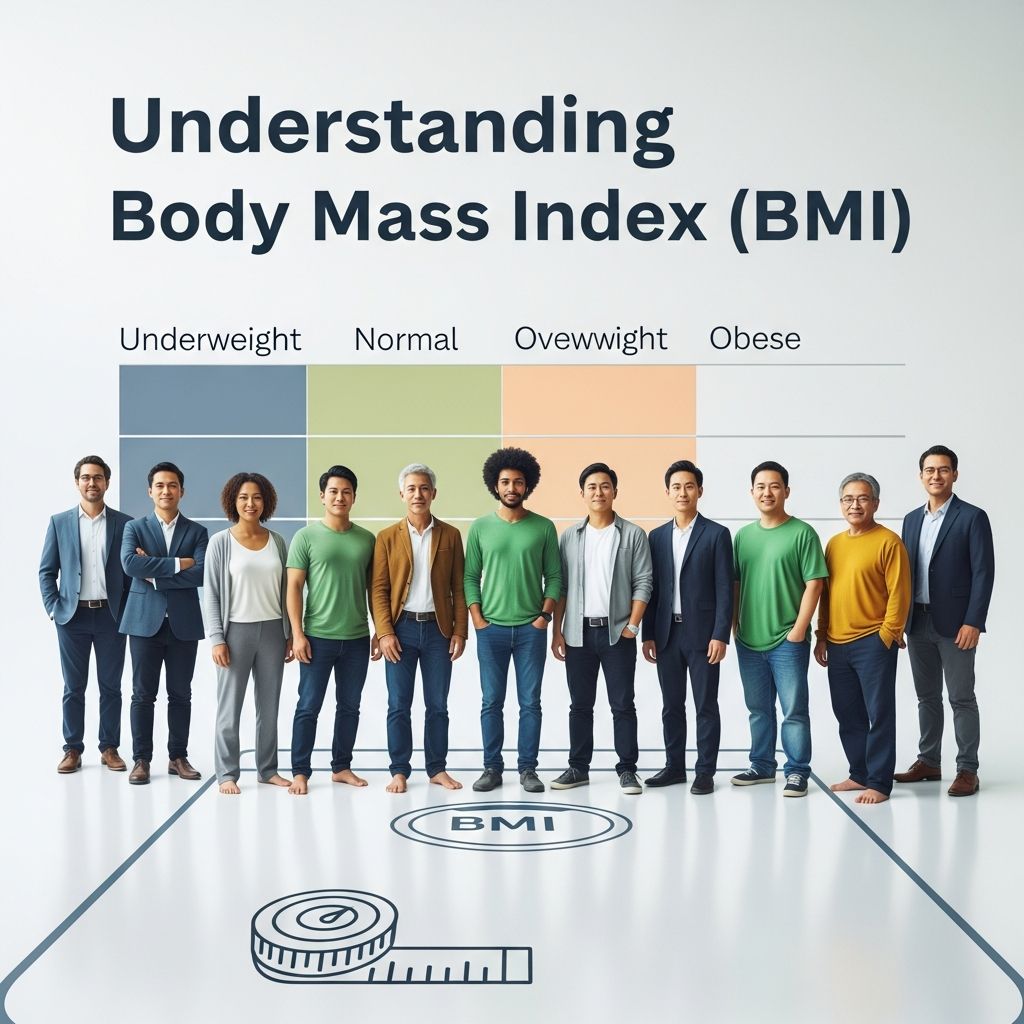
Body Mass Index (BMI) serves as a widely used screening tool that estimates body fat levels based on an individual’s height and weight. Healthcare professionals rely on it to quickly categorize weight status and flag potential health risks associated with excess or insufficient body fat.
The Science Behind BMI Calculation
At its core, BMI is derived from a straightforward mathematical formula: weight in kilograms divided by the square of height in meters (kg/m²). This metric system approach provides a standardized value applicable across populations.
For those using imperial measurements, the formula adjusts to: weight in pounds multiplied by 703, then divided by height in inches squared. Consider an example: a person weighing 120 pounds and standing 63 inches tall yields a BMI of 21.3 using (120 × 703) ÷ (63 × 63).
| Measurement System | Formula | Example Calculation |
|---|---|---|
| Metric | Weight (kg) / [Height (m)]² | 70 kg / (1.75 m)² = 22.9 |
| Imperial | [Weight (lbs) × 703] / [Height (in)]² | (154 lbs × 703) / (65 in)² = 25.6 |
These calculations offer an immediate snapshot, making BMI accessible without specialized equipment.
Standard BMI Categories for Adults
Health organizations universally classify adult BMI (ages 20 and older) into ranges that indicate potential weight-related health risks. A BMI under 18.5 signals underweight status, 18.5–24.9 denotes normal weight, 25.0–29.9 indicates overweight, and 30.0 or higher points to obesity.
Obesity is further subdivided: Class I (30.0–34.9, high risk), Class II (35.0–39.9, very high risk), and Class III (40.0+, extremely high risk).
| BMI Range (kg/m²) | Classification | Health Risk Level |
|---|---|---|
| < 18.5 | Underweight | Increased |
| 18.5–24.9 | Normal | Least |
| 25.0–29.9 | Overweight | Increased |
| 30.0–34.9 | Obese Class I | High |
| 35.0–39.9 | Obese Class II | Very High |
| ≥ 40.0 | Obese Class III | Extremely High |
These thresholds apply similarly to men and women, though individual factors like muscle mass can influence interpretation.
Health Implications of Your BMI Reading
A BMI in the normal range typically correlates with the lowest risk for conditions like heart disease, type 2 diabetes, stroke, and certain cancers. Excess weight (overweight or obese) elevates these risks due to higher body fat accumulation, particularly around organs.
- Underweight risks: Malnutrition, weakened immunity, osteoporosis, and fertility issues.
- Overweight risks: Hypertension, high cholesterol, sleep apnea, and joint problems.
- Obesity risks: Cardiovascular disease, type 2 diabetes, gallstones, and increased cancer incidence.
Conversely, adequate body fat supports essential functions like hormone production, insulation, and organ protection.
Why BMI Isn’t the Whole Story
While convenient, BMI has notable limitations. It does not differentiate between fat and muscle, potentially misclassifying athletes or muscular individuals as overweight or obese. Older adults may appear healthier by BMI despite higher fat percentages due to muscle loss (sarcopenia).
BMI overlooks fat distribution—visceral fat around the abdomen poses greater dangers than subcutaneous fat elsewhere. Ethnic variations also affect accuracy; some Asian populations face elevated risks at lower BMI levels.
Providers combine BMI with other assessments for a comprehensive view, including blood tests like lipid panels or metabolic profiles for those in higher categories.
Related Stories



Superior Alternatives to BMI
Modern metrics offer refined body composition insights. Waist circumference measures abdominal fat: over 40 inches for men or 35 inches for women signals heightened risk.
- Waist-to-hip ratio: Divide waist by hip measurement; ideal is below 0.9 for men and 0.85 for women per WHO guidelines.
- Body Roundness Index (BRI): Uses height and waist to predict abdominal fat and mortality risk more effectively than BMI in early studies.
- Relative Fat Mass (RFM): Incorporates height, waist, and gender for potentially superior body fat percentage estimates.
Advanced options like DEXA scans or bioelectrical impedance provide direct fat measurements but require equipment.
Practical Steps After Calculating Your BMI
If your BMI falls outside normal, consult a healthcare provider. They may recommend lifestyle changes, such as balanced nutrition and regular exercise, tailored to your profile.
For underweight individuals, focus on nutrient-dense foods to build healthy mass. Overweight or obese readings warrant monitoring for comorbidities via tests like blood glucose or cholesterol checks.
BMI Considerations for Children and Teens
Adult BMI does not apply to youth; instead, use age- and sex-specific percentiles from growth charts. Tools from the NIH adjust for developmental stages.
Frequently Asked Questions (FAQs)
What is a healthy BMI for adults?
A BMI of 18.5 to 24.9 kg/m² is considered normal for most adults, indicating the lowest risk for weight-related health issues.
Can I calculate BMI without a scale or tape measure?
Online calculators from reputable sources like the NIH or American Heart Association simplify the process using self-reported height and weight.
Does BMI account for age or gender?
Standard adult BMI does not; separate charts exist for children/teens. Gender influences body fat but not the core formula.
Is BMI reliable for athletes?
No, as it overestimates fat in muscular people. Pair it with body fat percentage tests for accuracy.
How often should I check my BMI?
Monitor during routine health visits or if weight changes significantly, but prioritize overall wellness metrics.
Empowering Your Health Journey with BMI
BMI provides a valuable starting point for health discussions, but true wellness encompasses diet, activity, genetics, and more. Use it alongside professional guidance to make informed decisions.
References
- Body Mass Index (BMI) — Cleveland Clinic. 2023-10-25. https://my.clevelandclinic.org/health/articles/9464-body-mass-index-bmi
- Body Mass Index (BMI) Calculator — American Cancer Society. 2024-01-15. https://www.cancer.org/cancer/risk-prevention/diet-physical-activity/body-weight-and-cancer-risk/body-mass-index-bmi-calculator.html
- Body Mass Index (BMI) Calculator — Texas Heart Institute. 2023-05-12. https://www.texasheart.org/heart-health/heart-information-center/topics/body-mass-index-bmi-calculator/
- What Is BMI, and How Do You Calculate It? — GoodRx. 2024-08-20. https://www.goodrx.com/health-topic/weight/what-is-bmi-healthy-range
- BMI in Adults — American Heart Association. 2023-11-08. https://www.heart.org/en/healthy-living/healthy-eating/losing-weight/bmi-in-adults
- BMI Calculator — Heart Foundation. 2024-02-14. https://www.heartfoundation.org.au/bmi-calculator
- Body Mass Index (BMI) Calculator — Diabetes Canada. 2023-09-30. https://www.diabetes.ca/resources/tools-resources/body-mass-index-(bmi)-calculator
Similar Articles








Read full bio of Sneha Tete