Understanding Brain Tumors: Diagnosis, Treatment, and Care
Comprehensive guide to brain tumors: symptoms, diagnosis, treatment options, and expert care.
What Is a Brain Tumor?
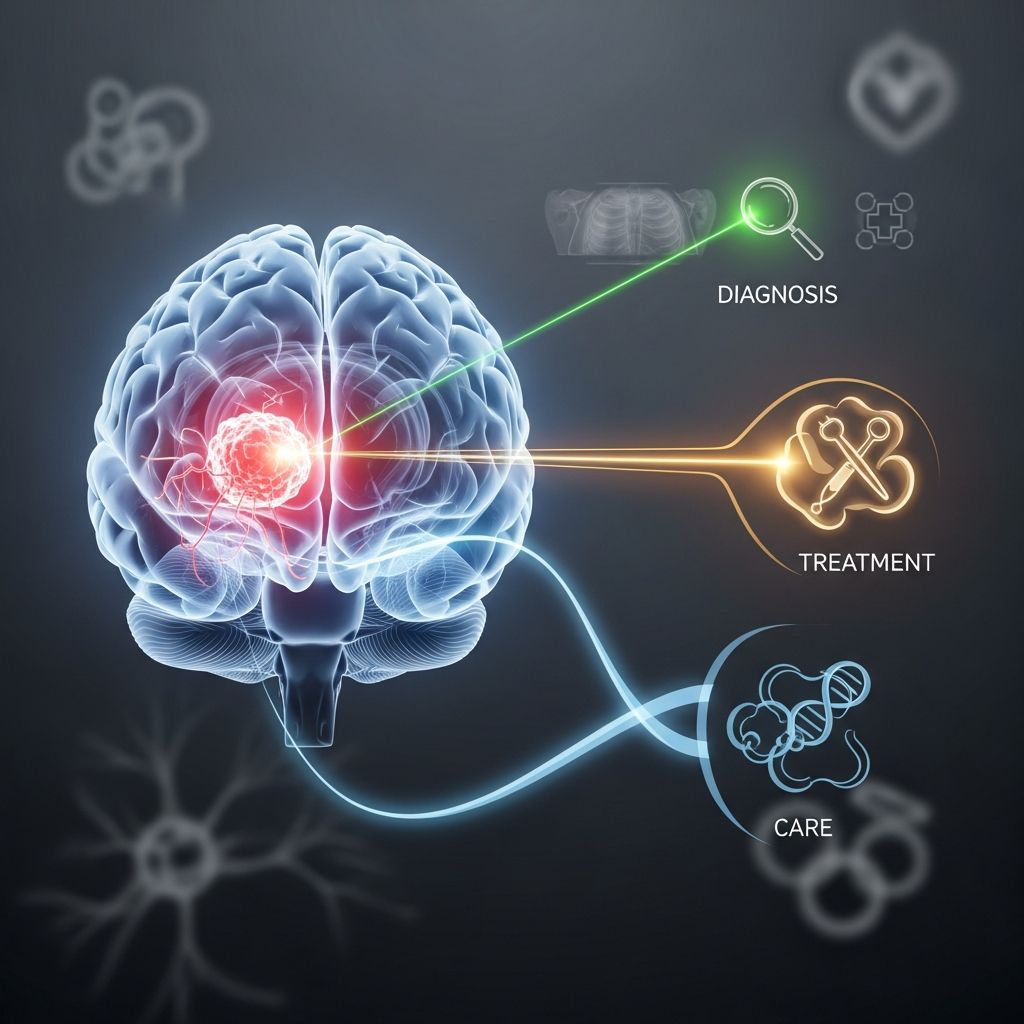
A brain tumor is an abnormal growth of cells within the brain or the central spinal canal. These tumors can be benign (non-cancerous) or malignant (cancerous). Brain tumors can arise from brain tissue itself or from other parts of the body that spread to the brain (metastatic tumors).
Types of Brain Tumors
- Gliomas: Tumors that form within the brain tissue. These include astrocytomas, oligodendrogliomas, and glioblastomas.
- Meningiomas: Tumors that develop in the meninges, the protective layers surrounding the brain.
- Metastatic Tumors: Cancers that originate elsewhere in the body and spread to the brain, such as lung, breast, or melanoma cancers.
- Pituitary Adenomas: Tumors that arise in the pituitary gland.
- Medulloblastomas: Tumors that typically occur in children and originate in the cerebellum.
Symptoms of Brain Tumors
The symptoms of a brain tumor depend on its size, location, and rate of growth. Common symptoms include:
- Headaches, especially in the morning
- Seizures
- Nausea and vomiting
- Changes in vision or hearing
- Difficulty with balance or coordination
- Personality or behavior changes
- Memory problems
- Weakness or numbness in the arms or legs
Diagnosis of Brain Tumors
Diagnosing a brain tumor involves a combination of clinical evaluation, imaging studies, and sometimes biopsy. The process typically includes:
- Neurological Examination: Assessment of cognitive function, motor skills, and sensory abilities.
- Imaging Studies: MRI and CT scans are used to visualize the brain and identify tumors.
- Biopsy: A sample of the tumor tissue is taken for pathological analysis to determine the type and grade of the tumor.
- Second Opinions: Seeking a second opinion on pathology can clarify or change a diagnosis, affecting prognosis and therapy.
Treatment Options for Brain Tumors
Treatment for brain tumors is highly individualized and depends on the type, location, and grade of the tumor. Common treatment options include:
- Surgery: Removal of the tumor, if possible, to relieve symptoms and improve outcomes.
- Radiation Therapy: Use of high-energy rays to kill tumor cells or shrink the tumor.
- Chemotherapy: Use of drugs to kill cancer cells or stop their growth.
- Targeted Therapy: Drugs that target specific molecules involved in tumor growth.
- Immunotherapy: Boosting the body’s immune system to fight cancer.
Multidisciplinary Approach to Brain Tumor Care
At leading medical centers like Johns Hopkins, brain tumor care is provided by a multidisciplinary team that includes:
- Neuro-oncologists
- Radiation oncologists
- Neurosurgeons
- Medical oncologists
- Pathologists
- Neurologists
- Rehabilitation specialists
This team approach ensures comprehensive care, from diagnosis through treatment and follow-up.
First Steps After a Brain Tumor Diagnosis
Receiving a brain tumor diagnosis can be overwhelming. The first steps include:
- Seeking a second opinion to confirm the diagnosis and treatment plan.
- Consulting with a multidisciplinary team of specialists.
- Understanding the type and grade of the tumor.
- Discussing treatment options and potential outcomes with your healthcare team.
- Preparing for surgery, if recommended, and understanding the recovery process.
Related Stories



What to Expect After Treatment
After treatment, patients may experience a range of physical, emotional, and cognitive changes. Common expectations include:
- Recovery from surgery, which may involve physical therapy and rehabilitation.
- Monitoring for recurrence through regular follow-up appointments and imaging studies.
- Managing side effects of treatment, such as fatigue, cognitive changes, or emotional distress.
- Participating in support groups or counseling to address emotional and psychological needs.
Why Choose Johns Hopkins for Brain Tumor Care?
Johns Hopkins is recognized for its expertise in brain tumor diagnosis and treatment. Key reasons to choose Johns Hopkins include:
- Access to a multidisciplinary team of specialists.
- State-of-the-art imaging and treatment technologies.
- Participation in clinical trials and research studies.
- Comprehensive support services for patients and families.
- Close collaboration with the National Institutes of Health (NIH).
Frequently Asked Questions (FAQs)
Q: What are the first steps for someone who has been diagnosed with a brain tumor?
A: Seek a second opinion, consult with a multidisciplinary team, understand the type and grade of the tumor, discuss treatment options, and prepare for surgery if recommended.
Q: What do you do if you can’t immediately see your doctor?
A: Contact a specialized brain tumor center for an expedited evaluation. Provide your MRI report, diagnosis, and contact information for a timely review.
Q: What are the main types of brain tumors?
A: The main types include gliomas, meningiomas, metastatic tumors, pituitary adenomas, and medulloblastomas.
Q: What should a patient expect after treatment?
A: Recovery may involve physical therapy, monitoring for recurrence, managing side effects, and participating in support groups.
Q: Why should a person with a brain tumor come to Johns Hopkins?
A: Johns Hopkins offers a multidisciplinary team, advanced technologies, clinical trials, comprehensive support services, and collaboration with the NIH.
References
- Johns Hopkins Medicine: Brain Tumor — Johns Hopkins Medicine. http://www.hopkinsmedicine.org/health/conditions-and-diseases/brain-tumor
- Johns Hopkins Comprehensive Brain Tumor Center — Johns Hopkins Medicine. https://www.youtube.com/watch?v=Zi-cfX7LgBE
- Brain Tumors: Frequently Asked Questions | Jon Weingart, M.D. — Johns Hopkins Medicine. https://www.youtube.com/watch?v=LIVDhFeaAUM
- Brain Tumors and Brain Pathology — Johns Hopkins Pathology. https://pathology.jhu.edu/brain-tumor/
Similar Articles








Read full bio of medha deb