Understanding Burns: Classification, Treatment, and Recovery
Comprehensive guide to burn injuries: types, symptoms, treatment options, and recovery strategies.
Understanding Burns: A Comprehensive Guide
Burn injuries are among the most common types of tissue damage affecting people of all ages. A burn occurs when skin and underlying tissues are damaged by heat, chemicals, electricity, or radiation. Understanding the types of burns, their severity, and appropriate treatment options is crucial for managing these injuries effectively and promoting optimal healing and recovery.
Burns can range from minor injuries that heal quickly to severe wounds requiring extensive medical intervention and long-term rehabilitation. The severity of a burn depends on several factors, including the temperature of the heat source, the duration of contact, the location of the burn on the body, and the individual’s age and overall health status.
What Are Burns?
A burn is a type of injury to skin and other tissues caused by heat, flames, hot liquids, steam, chemicals, electricity, or radiation exposure. Burns damage the protective barrier of the skin, leaving the body vulnerable to infection and fluid loss. The skin serves as the body’s first line of defense against infection and helps regulate body temperature, making burn injuries particularly serious when they affect large areas of the body.
Burns can be categorized by their depth, which determines the extent of tissue damage and the appropriate treatment approach. Superficial burns affect only the outer layer of skin, while deeper burns penetrate through multiple layers of skin and underlying tissues.
Burn Classification and Depth
Burns are classified into four degrees based on the depth of tissue damage and the layers of skin affected. Each classification requires different treatment approaches and has varying recovery timelines.
First-Degree Burns
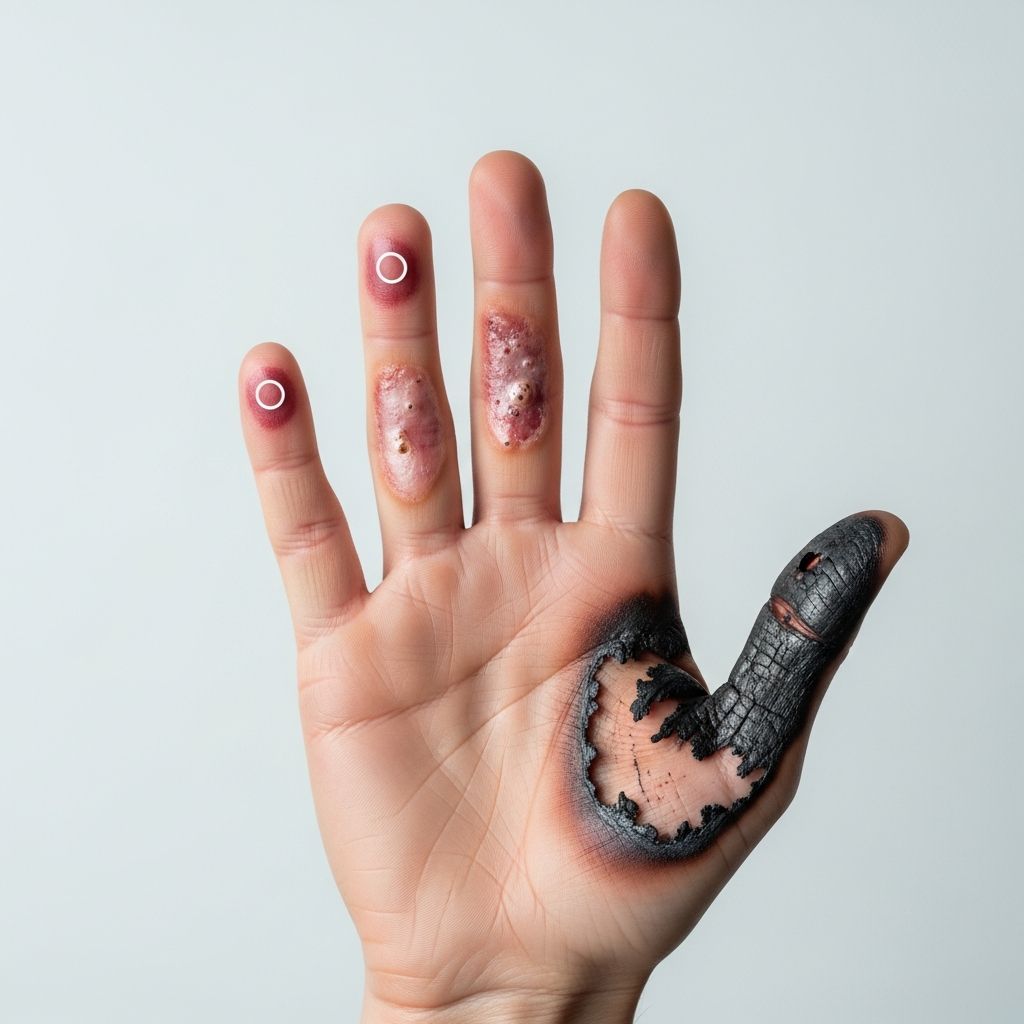
First-degree burns, also called superficial burns, affect only the epidermis, the outermost layer of skin. These burns appear red and may feel warm to the touch. Common examples include mild sunburns. First-degree burns typically cause mild to moderate pain and swelling but do not result in blistering or permanent scarring. The skin usually heals within a few days to a week without medical intervention. Treatment focuses on cooling the area and providing pain relief through over-the-counter analgesics and moisturizing lotions.
Second-Degree Burns
Second-degree burns, or partial-thickness burns, extend through the epidermis into the dermis, the second layer of skin. These burns appear blistered, red, and swollen and typically cause moderate to severe pain. The blisters form as fluid accumulates between the burned and unburned layers of skin. Second-degree burns require careful wound care to prevent infection and may take two to three weeks to heal. Depending on the size and location, some second-degree burns may benefit from specialized medical treatment to optimize healing and minimize scarring.
Third-Degree Burns
Third-degree burns, or full-thickness burns, penetrate through all layers of the skin and into the underlying subcutaneous tissue. The burned area may appear white, charred, or leathery. Paradoxically, third-degree burns may feel painless or numb because the nerve endings have been destroyed. These burns always require professional medical treatment and often necessitate skin grafting to promote healing and restore function. Third-degree burns carry significant risk for infection, fluid loss, and scarring and may require hospitalization and extensive rehabilitation.
Related Stories



Fourth-Degree Burns
Fourth-degree burns extend beyond the skin into underlying muscles, tendons, bones, and other deep structures. These are the most severe burns and result in complete loss of feeling in the affected area. Fourth-degree burns are life-threatening injuries that almost always require emergency medical care, surgical intervention, and prolonged hospitalization. Recovery from fourth-degree burns is complex and may involve multiple surgical procedures, significant rehabilitation, and permanent functional limitations.
Causes of Burns
Burns can result from various sources and situations. Thermal burns from flames, hot liquids, steam, and contact with hot surfaces are the most common type. Scalding injuries from hot water or beverages frequently affect young children and elderly individuals. Flash burns occur from exposure to intense heat and light from explosions or fires. Chemical burns result from contact with corrosive substances such as strong acids or alkalis. Electrical burns occur when electric current passes through the body. Radiation burns can result from sun exposure, tanning beds, or medical radiation therapy. Understanding the cause of the burn helps guide appropriate treatment and identifies potential complications specific to that injury type.
Symptoms and Signs of Burns
The symptoms of a burn vary depending on its depth and size. First-degree burns present with redness, mild swelling, and pain without blistering. Second-degree burns display blistering, significant redness, swelling, and pain that may be severe. Third-degree and fourth-degree burns may appear white, charred, or leathery with little or no pain due to nerve damage.
Large burns affecting more than 10 percent of the body surface area may cause systemic symptoms including shock, characterized by low blood pressure, rapid heart rate, and confusion. Smoke inhalation from fires can damage the respiratory tract and lungs, causing difficulty breathing and coughing. Patients with large burns may experience dehydration due to fluid loss through the damaged skin barrier.
Emergency Treatment and First Aid
Immediate first aid can significantly impact burn outcomes. The first priority is to stop the burning process by removing the person from the heat source. For thermal burns, cool the area with running water for 10 to 20 minutes, but avoid ice, which can cause additional tissue damage. Remove any jewelry, tight clothing, or restrictive items from the burned area before swelling develops.
Cover the burn with a clean, dry cloth to prevent contamination and reduce pain from air exposure. For chemical burns, rinse the area with large amounts of water for at least 15 to 20 minutes. Electrical burns require careful attention to the person’s airway, breathing, and circulation. Always call emergency services for burns affecting the face, hands, feet, joints, or genitals, or for any burn covering more than 3 percent of the body surface area in children or more than 10 percent in adults.
Medical Evaluation and Diagnosis
Healthcare providers assess burns using several methods to determine severity and guide treatment. The percentage of body surface area affected is calculated using standardized charts called the Rule of Nines, which divides the body into sections representing percentages of total body surface area. This calculation helps determine fluid replacement needs and whether transfer to a specialized burn center is necessary.
The healthcare team evaluates the burn depth, location, and extent and assesses for any associated injuries or complications. Blood tests, imaging studies, and inhalation injury assessments may be performed for severe burns. Patients with significant burns require hospitalization and management by a specialized burn care team.
Treatment Options for Burns
Treatment varies based on burn severity and classification. Minor burns can typically be managed at home with topical ointments, pain medication, and appropriate wound dressing changes. Second-degree burns may require more intensive wound care and may benefit from specialized dressing products that promote healing while minimizing scarring.
Significant burns require hospitalization and professional wound management. Healthcare providers clean the burn wound, remove dead tissue through a process called debridement, and apply specialized dressings that promote healing. Pain management is a critical component of burn treatment, often requiring opioid medications and non-pharmacologic approaches.
Severe burns, particularly third-degree and fourth-degree burns, require skin grafting to replace damaged skin and promote healing. Autografts, using the patient’s own skin harvested from unburned areas, are the gold standard for skin replacement. When insufficient healthy skin is available, temporary skin substitutes or alografts from donor skin may be used to cover the wound temporarily.
Pain Management in Burn Injuries
Burn pain can be extremely severe and challenging to control. Pain medications, including opioids for moderate to severe pain, over-the-counter analgesics such as acetaminophen and ibuprofen, and antidepressants prescribed for chronic pain, are commonly used. Healthcare providers work with patients to develop individualized pain management plans that balance effective pain control with medication safety considerations.
Non-pharmacologic pain relief approaches enhance medication effectiveness and include deep breathing exercises, meditation, yoga, visualization techniques, and gentle exercises. Psychological support and counseling help patients cope with pain and its emotional impacts. A multidisciplinary approach combining medications, physical therapies, and psychological support provides the most effective pain management for burn patients.
Infection Prevention and Wound Care
Infection is a serious complication of burn injuries. Patients should monitor their burn wounds for signs of infection, including increased swelling, warmth, redness, pus drainage, fever, or worsening pain. Regular wound cleansing with gentle soap and water, application of prescribed topical antibiotics or antimicrobial dressings, and frequent dressing changes help prevent infection.
Keeping the wound clean and dry is essential. Patients should avoid exposing the burn to contamination and should follow their healthcare provider’s instructions regarding bathing and wound care. Proper hygiene and infection prevention measures are critical during the initial healing phase and throughout the recovery process.
Recovery and Rehabilitation
Recovery from burns is a long-term process that extends well beyond initial wound healing. Physical therapy helps patients regain strength and range of motion and prevents contractures, which are permanent shortening of muscles or tendons that can limit movement. Occupational therapy assists patients in regaining ability to perform daily activities.
Psychological support and counseling address emotional trauma, anxiety, depression, and adjustment to changes in appearance or function that may result from serious burns. Burn psychologists and mental health professionals help patients and families cope with the psychological impacts of burn injury and recovery.
Scar management is an important component of long-term recovery. Scars from burns gradually fade and improve over months and years. Compression garments, silicone products, and topical treatments may help improve scar appearance. Some patients benefit from additional interventions such as laser therapy or surgical scar revision as scars mature.
Burn Reconstruction and Aesthetic Outcomes
Severe burns often result in significant scarring and functional limitations that may require reconstructive surgery. Reconstructive procedures draw on techniques from plastic and reconstructive surgery to restore form and function to burned areas. Burn reconstruction addresses the complex needs of patients with defects caused by burn injury, utilizing multiple surgical approaches tailored to the location and extent of the burn and the individual patient’s goals.
Head and neck burns present particular reconstructive challenges because these areas are highly visible and complex functionally. Burn surgeons and plastic surgeons work together to develop comprehensive reconstructive strategies that restore appearance while maintaining essential functions such as breathing, swallowing, and facial expression. Reconstruction often occurs in multiple stages over months or years as tissues heal and mature.
Prevention of Burn Injuries
Preventing burn injuries is far preferable to treating them. The following measures reduce burn risk: maintaining working smoke detectors throughout the home, developing and practicing a home fire escape plan, keeping hot water heater temperatures at 120 degrees Fahrenheit or lower, using caution when handling hot liquids and cooking, keeping flammable materials away from heat sources, supervising children closely around cooking areas and other fire hazards, and wearing appropriate protective equipment when handling chemicals or working with electricity. Burn prevention education for children, adults, and occupational groups helps reduce the incidence and severity of burn injuries.
When to Seek Medical Care
Seek immediate medical attention for burns affecting the face, hands, feet, genitals, or joints; burns covering more than 3 percent of body surface area in children or more than 10 percent in adults; third-degree or fourth-degree burns; circumferential burns encircling a limb or the trunk; burns caused by chemicals or electricity; or any burn in infants, young children, or elderly individuals. Additionally, seek medical evaluation if a burn is not healing as expected, shows signs of infection, or is causing significant pain or functional limitations.
Frequently Asked Questions About Burns
Q: How long does it take for a burn to heal?
A: Healing time depends on burn depth and size. First-degree burns typically heal within a few days to a week. Second-degree burns usually take two to three weeks. Third-degree and fourth-degree burns require weeks to months of healing and may require skin grafting and prolonged rehabilitation.
Q: Will my burn scar?
A: First-degree burns typically do not scar. Some second-degree burns may leave minimal scarring, while third-degree and fourth-degree burns almost always result in significant scarring. Scar appearance improves over time, and various treatments can help minimize scar visibility and improve function.
Q: What should I do for a minor burn at home?
A: Cool the burn with running water for 10 to 20 minutes, apply an over-the-counter antibiotic ointment, cover it with a clean bandage, and take pain relievers as needed. Monitor the burn for signs of infection and seek medical attention if it is not healing properly.
Q: Can burns be prevented?
A: Many burns can be prevented through safety measures including smoke detector maintenance, fire safety planning, careful handling of hot liquids and cooking, safe chemical storage, and electrical safety. Burn prevention education is particularly important for children and high-risk groups.
Q: What are the complications of serious burns?
A: Serious burns can lead to infections, fluid loss and dehydration, shock, respiratory complications from smoke inhalation, permanent scarring, contractures affecting movement, and significant psychological trauma. Long-term complications may include functional limitations and emotional challenges requiring ongoing support and rehabilitation.
References
- Comprehensive Management of Head and Neck Burn Injuries — Johns Hopkins University, Department of Plastic and Reconstructive Surgery. 2021-01-01. https://pure.johnshopkins.edu/en/publications/comprehensive-management-of-head-and-neck-burn-injuries-from-resu
- Understanding Burns and Managing Burn Pain — Johns Hopkins Medicine, University School of Nursing. 2022-12-12. https://www.youtube.com/watch?v=yKasPzL2uDQ
- JHU BURN MED: Burn Management Tools — Johns Hopkins Medicine Burn Center. 2011. https://burn.med.jhmi.edu
- Severe Burns: A Family Guide to Medical and Emotional Recovery — Johns Hopkins Press Health Books. https://www.hopkinsmedicine.org/
Similar Articles








Read full bio of Sneha Tete