Understanding Cardiac Dysrhythmia: Causes, Symptoms & Treatment
Learn about irregular heartbeats, their causes, symptoms, and effective treatment options available.
Understanding Cardiac Dysrhythmia: An Overview
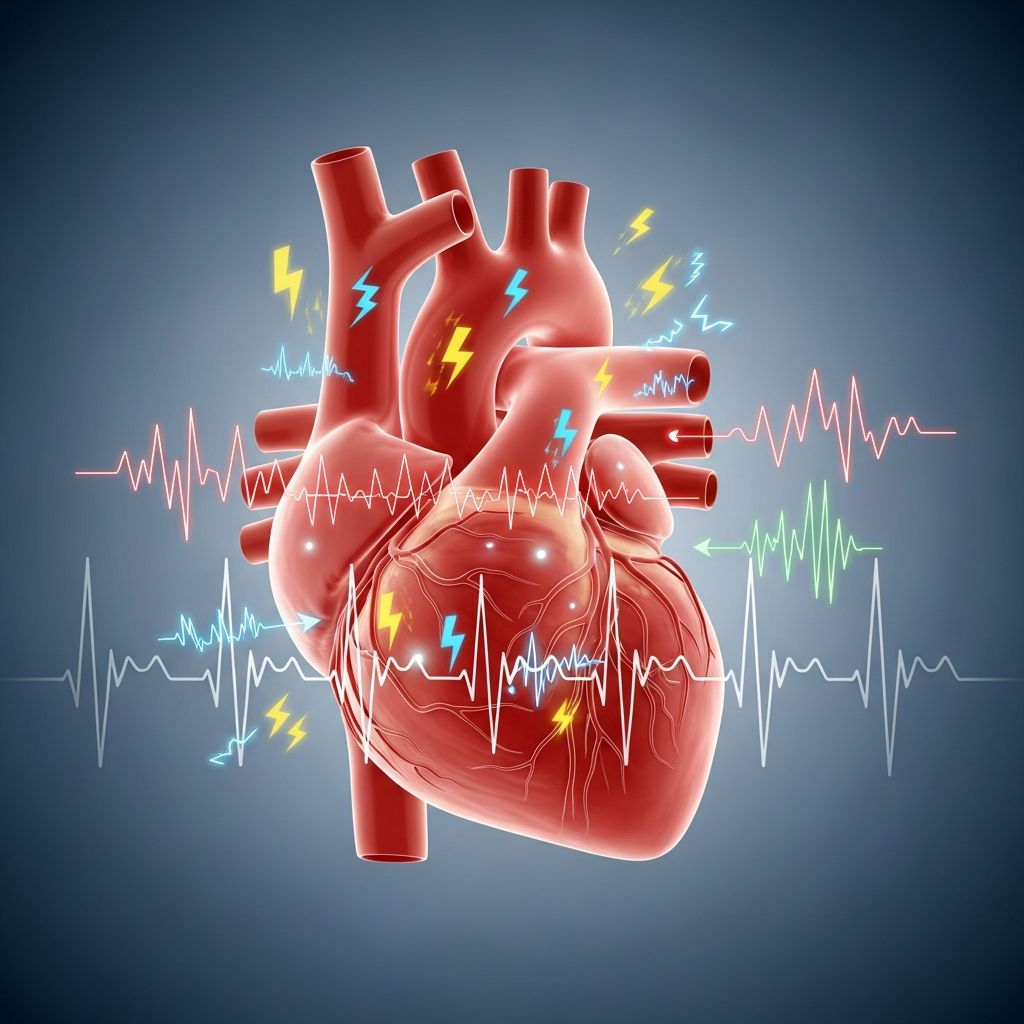
A cardiac dysrhythmia, also known as an arrhythmia, is a condition in which your heart beats irregularly or abnormally. When you experience this condition, your heart might beat too rapidly (tachycardia), too slowly (bradycardia), or in an erratic pattern that disrupts normal blood flow throughout your body. While many people describe the sensation of their heart “skipping a beat” as something that happens during moments of excitement or surprise, an actual dysrhythmia is a medical concern that requires professional evaluation and care.
The heart’s rhythm is controlled by an intricate electrical system. When this system functions properly, your heart maintains a steady, regular beat that efficiently pumps blood to your entire body. However, when something disrupts this electrical pathway, the result is a dysrhythmia. Some dysrhythmias are completely harmless and may never cause you problems, while others can be serious and life-threatening if left untreated. The key is understanding what type of dysrhythmia you have and receiving appropriate medical guidance.
How Common Are Dysrhythmias?
Dysrhythmias are among the most common cardiac conditions affecting millions of people worldwide. They can occur at any age, though some types are more prevalent in older individuals. Some people experience occasional episodes, while others deal with chronic dysrhythmias that require ongoing management. The prevalence of certain types, such as atrial fibrillation, has been increasing in recent decades, making awareness and early detection increasingly important for public health.
Common Triggers and Risk Factors
Understanding what causes dysrhythmias is essential for prevention and management. Usually, some sort of trigger disrupts the heart’s rate or rhythm, leading to a dysrhythmia. The most common triggers include:
- Stimulants such as caffeine, nicotine, and certain recreational drugs
- Excessive alcohol consumption or sudden alcohol withdrawal
- Extreme emotional stress or anxiety
- High fever or acute illness
- Vigorous exercise, particularly in untrained individuals
- Sleep deprivation and fatigue
- Hormonal changes during menstruation or menopause
Beyond these triggers, certain medical conditions can significantly raise your risk of developing a dysrhythmia. Chronic conditions such as high blood pressure, heart valve disease, chronic obstructive pulmonary disease (COPD), and sleep apnea create an environment where dysrhythmias are more likely to develop. Additionally, previous heart attacks, heart failure, and other structural heart problems increase your susceptibility. Sleep-disordered breathing has emerged as a particularly important risk factor, as research shows strong associations between this condition and cardiac arrhythmogenesis, with mechanisms including autonomic nervous system fluctuations and recurrent hypoxia.
Types of Dysrhythmias
Dysrhythmias can originate in different areas of the heart, and they’re classified based on their location and characteristics. Understanding these distinctions helps healthcare providers determine the appropriate treatment approach.
Supraventricular Arrhythmias
Supraventricular arrhythmias start in the upper chambers of your heart, known as the atria. These include:
- Atrial fibrillation: rapid, irregular beating in the atria
- Atrial flutter: organized but rapid beating in the atria
- Paroxysmal supraventricular tachycardia: recurrent episodes of rapid heart rate
- Wolff-Parkinson-White syndrome: an extra electrical pathway in the heart
Ventricular Arrhythmias
Ventricular arrhythmias originate in the lower chambers of your heart, known as the ventricles. These are generally more serious and include:
Related Stories



- Ventricular tachycardia: rapid beating of the ventricles
- Ventricular fibrillation: chaotic, ineffective quivering of the ventricles
- Premature ventricular contractions: occasional extra beats from the ventricles
Other Arrhythmias
Some dysrhythmias, such as bradyarrhythmias and junctional arrhythmias, start in your heart’s electrical conduction system. Bradyarrhythmias are characterized by an abnormally slow heart rate, while junctional arrhythmias originate in the atrioventricular node.
Recognizing Symptoms of Dysrhythmia
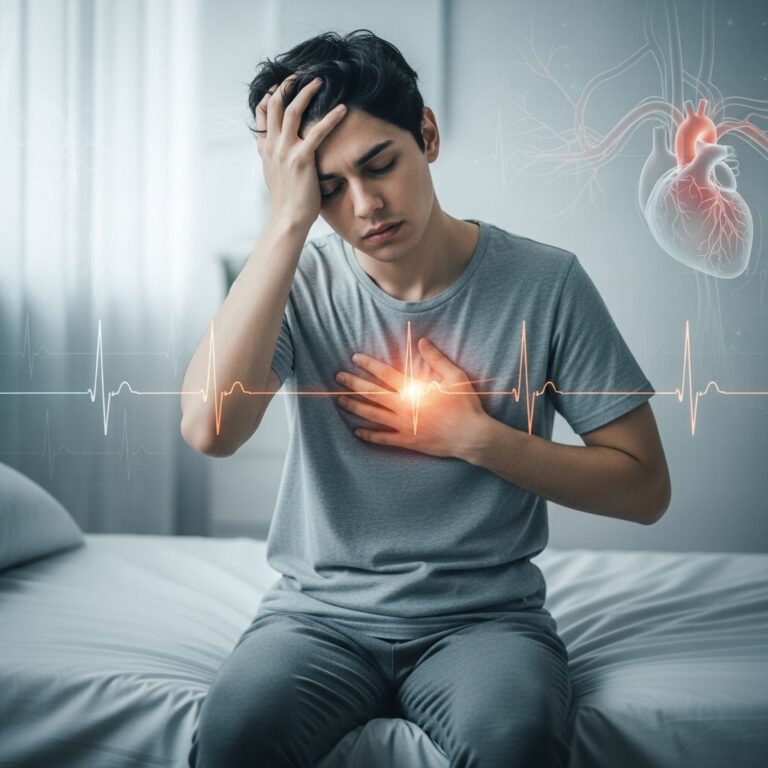
One important aspect of dysrhythmias is that they may be “silent” and not cause any symptoms at all. Your healthcare provider can detect an irregular heartbeat during a routine exam by taking your pulse, listening to your heart with a stethoscope, or running diagnostic tests. However, when symptoms do occur, they may include:
- Heart palpitations or a sensation that your heart is racing, fluttering, or pounding
- Chest pain or pressure
- Shortness of breath
- Dizziness or lightheadedness
- Fainting or syncope
- Fatigue or weakness
- Sweating or anxiety
The severity and type of symptoms experienced can vary widely depending on the specific dysrhythmia, its duration, and your overall health status. Some people describe feeling as though their heart “skipped a beat,” while others experience a continuous rapid or irregular sensation. It’s important to note that the presence or absence of symptoms doesn’t necessarily indicate the seriousness of the condition.
Diagnostic Approaches
When you visit your healthcare provider with concerns about an irregular heartbeat, they’ll conduct a thorough evaluation. During your initial appointment, your provider will take time to get to know you and understand your concerns. They’ll ask important questions about your medical history, family history of heart disease, current medications, and lifestyle factors.
During the physical examination, your provider will check your pulse and listen carefully to your heart with a stethoscope. They may note irregular rhythms, murmurs, or other abnormal sounds. Blood tests will be ordered to check for conditions that could contribute to dysrhythmias.
To confirm the presence of a dysrhythmia and identify its cause, your provider may recommend various diagnostic tests:
- Electrocardiogram (ECG): Records the electrical activity of your heart and can reveal irregular rhythms
- Holter monitor: A portable device worn for 24-48 hours that continuously records your heart’s rhythm
- Event monitor: A portable device that records your heart rhythm when you activate it during symptoms
- Echocardiogram: Uses ultrasound to create images of your heart’s structure and function
- Stress test: Monitors your heart rhythm during physical exertion
- Electrophysiology study: An invasive procedure that maps your heart’s electrical system
- Chest X-ray: Can reveal structural heart problems
Treatment Options for Dysrhythmias
Treatment for dysrhythmia depends on several factors, including the type of arrhythmia you have, how severe it is, your overall health status, and your symptoms. Interestingly, sometimes no treatment is needed at all. Your healthcare provider will discuss your specific situation and recommend an appropriate treatment plan tailored to your condition.
Lifestyle Modifications
Making positive lifestyle changes can significantly improve dysrhythmia symptoms and reduce the frequency of episodes:
- Reducing or eliminating caffeine, nicotine, and alcohol consumption
- Managing stress through relaxation techniques, meditation, or counseling
- Getting adequate sleep and establishing a consistent sleep schedule
- Engaging in regular, moderate physical exercise
- Maintaining a healthy weight
- Eating a heart-healthy diet low in sodium and rich in fruits and vegetables
- Managing underlying conditions like high blood pressure and diabetes
Your care team is here to support you throughout these lifestyle changes. Many healthcare facilities can connect you with support groups, counselors, nutritionists, and other resources to help you succeed.
Medications
Your provider may prescribe various medications to manage dysrhythmia, including:
- Antiarrhythmic drugs: Work to normalize your heart rhythm
- Beta-blockers: Slow your heart rate and reduce blood pressure
- Calcium channel blockers: Reduce heart rate and promote relaxation of blood vessels
- Anticoagulants (blood thinners): Reduce the risk of blood clots
- Medications for underlying conditions: Treating high blood pressure, heart disease, or thyroid problems can often improve dysrhythmia
It’s important to note that finding the best medication or treatment combination can take time. Your provider will monitor your response and adjust your treatment plan as needed.
Invasive Procedures and Devices
Sometimes, you may need more advanced treatments to manage or stop dysrhythmias. Your care team will discuss recommended options with you:
- Cardioversion: Uses electrical energy to reset your heart’s rhythm
- Ablation therapy: Uses heat or cold energy to eliminate the tissue causing the abnormal rhythm
- Pacemakers: Implantable devices that regulate slow heart rhythms
- Implantable cardioverter defibrillators (ICDs): Devices that monitor heart rhythm and deliver shocks when needed
- Biventricular pacemakers: Help coordinate contractions of both ventricles
- Cardiac resynchronization therapy (CRT): Helps the heart pump more efficiently
- Heart surgery: May be necessary in certain cases
Recovery and Long-Term Management
Recovery varies depending on the type of treatment you receive. Some abnormal heart rhythms come and go and may not require ongoing treatment, while you may need to manage other types for the rest of your life. Medications or implantable devices may require weeks or even months of recovery and adjustment.
You’ll have follow-up appointments scheduled to ensure your dysrhythmia stays under control. These appointments are essential for monitoring your condition, adjusting medications if needed, and ensuring your implanted devices (if applicable) are functioning properly. Remote monitoring technology now allows healthcare providers to check certain devices without requiring in-person visits, making management more convenient.
When to Seek Emergency Care
While many dysrhythmias are not immediately life-threatening, some symptoms warrant immediate emergency medical attention. Seek emergency care if you experience:
- Severe chest pain
- Fainting or loss of consciousness
- Severe shortness of breath
- Rapid heart rate lasting more than a few minutes with severe symptoms
Frequently Asked Questions
Q: Can dysrhythmias be cured?
A: Some dysrhythmias can be cured with procedures like ablation or surgery, while others require ongoing management with medications or devices. Your healthcare provider can discuss what’s possible for your specific condition.
Q: Are all dysrhythmias dangerous?
A: No, not all dysrhythmias are dangerous. Some are completely harmless, while others require treatment. A healthcare provider can assess whether your dysrhythmia needs treatment.
Q: Can I exercise if I have a dysrhythmia?
A: In most cases, yes. Regular, moderate exercise is actually beneficial for heart health. However, ask your healthcare provider about appropriate exercise levels for your specific condition.
Q: Can stress cause dysrhythmias?
A: Yes, extreme emotional stress can trigger dysrhythmias in susceptible individuals. Managing stress through relaxation techniques and counseling can help reduce episodes.
Q: Will I need a pacemaker or defibrillator?
A: Not all dysrhythmias require devices. Your healthcare provider will determine if an implantable device is appropriate based on your specific condition and risk factors.
References
- Overview of Cardiac Dysrhythmia — Cleveland Clinic. 2022-05-09. https://my.clevelandclinic.org/health/articles/23008-dysrhythmia
- Arrhythmia: Symptoms & Treatment — Cleveland Clinic. 2023-03-20. https://my.clevelandclinic.org/health/diseases/16749-arrhythmia
- AHA Statement Offers Guidance on Sleep-Disordered Breathing and Cardiac Arrhythmias in Adults — American Heart Association. 2024. https://consultqd.clevelandclinic.org/aha-statement-offers-guidance-on-sleep-disordered-breathing-and-cardiac-arrhythmias-in-adults
- Arrhythmia Treatment at Cleveland Clinic — Cleveland Clinic. 2025. https://my.clevelandclinic.org/services/arrhythmia-treatment
- Ventricular Tachycardia: Symptoms & Treatment — Cleveland Clinic. 2025-08-13. https://my.clevelandclinic.org/health/diseases/17616-ventricular-tachycardia
- Management of Arrhythmias — Cleveland Clinic Abu Dhabi. 2025. https://www.clevelandclinicabudhabi.ae/en/health-hub/health-resource/diseases-and-conditions/management-of-arrhythmias
Similar Articles








Read full bio of Sneha Tete