Cellulitis Around The Eye: 5 Causes, Symptoms, Treatments
Learn about periorbital and orbital cellulitis: causes, symptoms, diagnosis, and urgent treatments to safeguard your vision.
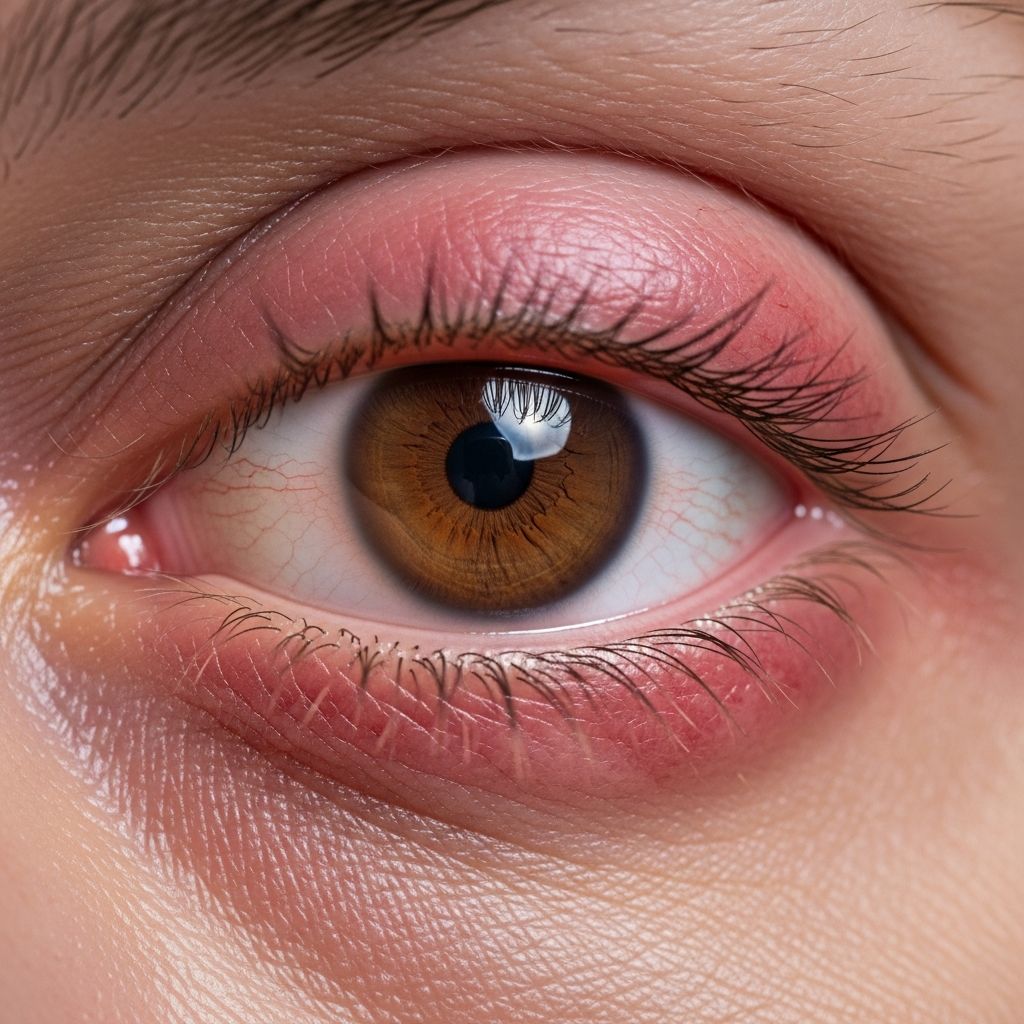
Cellulitis around the eye represents a range of bacterial infections affecting the soft tissues near or within the eye socket. These conditions demand immediate attention due to their potential to threaten vision and overall health. Periorbital cellulitis, also known as preseptal cellulitis, involves superficial layers ahead of the orbital septum, while orbital cellulitis penetrates deeper structures behind it. Distinguishing between them is crucial for appropriate care.
Anatomy Basics: What Makes the Eye Vulnerable?
The eye sits within the orbit, a bony cavity protected by the orbital septum—a thin membrane dividing superficial eyelid tissues from deeper orbital contents like fat, muscles, and the optic nerve. Infections anterior to this septum stay localized to eyelids and surrounding skin, causing swelling but sparing eye function. Posterior infections, however, inflame critical structures, leading to motility issues, bulging, and vision loss.
This anatomical barrier explains symptom severity differences. The thin ethmoid sinus bone adjacent to the orbit allows sinus infections to breach easily, making them a primary culprit. Facial veins lacking valves further enable bacterial spread from distant sites.
Primary Causes and Risk Factors
Bacterial invasions trigger these infections through various pathways. Common origins include:
- Sinus infections: Ethmoid sinusitis tops the list, especially for orbital cases, as bacteria erode the lamina papyracea.
- Trauma or injuries: Cuts, punctures, or blunt force to eyelids or face introduce skin flora like Staphylococcus aureus or Streptococcus pyogenes.
- Insect or animal bites: These deliver pathogens directly into tissues.
- Upper respiratory or dental issues: Contiguous spread from nearby infections.
- Hematogenous dissemination: Rare bloodborne spread from remote infections.
Children under 7 face higher risks, often from sinusitis post-vaccination era shifts reduced Haemophilus influenzae but elevated Streptococcus pneumoniae. Adults with diabetes, immunosuppression, or sinus chronicity encounter elevated dangers.
Recognizing Symptoms: Periorbital vs. Orbital
Early detection hinges on symptom profiles. Periorbital cellulitis manifests with eyelid erythema, warmth, tenderness, and marked swelling, occasionally fever. Patients struggle to open eyes but retain normal vision, eye movements, and no proptosis.
Orbital cellulitis escalates dramatically:
| Symptom | Periorbital | Orbital |
|---|---|---|
| Eyelid swelling/redness | Present | Present, severe |
| Fever/malaise | Mild/occasional | Common |
| Proptosis (bulging eye) | Absent | Present |
| Pain on eye movement | Absent | Present |
| Decreased vision/motility | Absent | Present |
| Chemosis/conjunctival injection | Rare | Common |
These distinctions guide urgency; orbital signs signal emergency.
How Doctors Diagnose Eye Cellulitis
Diagnosis begins with history—recent sinusitis, trauma, or bites—and exam. Periorbital cases show preserved ocular function; orbital reveal restrictions, afferent pupillary defects, or optic neuropathy hints.
Imaging proves pivotal: Contrast CT orbits/sinuses detects abscesses, sinus opacification, or subperiosteal collections with >50% volume or >500mm³ often needing drainage. MRI aids soft tissue delineation or intracranial extension suspicion. Bloodwork, including CBC for leukocytosis, and cultures from blood or pus refine pathogen targeting.
Treatment Strategies: From Antibiotics to Surgery
Inpatient IV antibiotics form the cornerstone, covering Streptococcus, Staphylococcus, and anaerobes. Common regimens: vancomycin + ceftriaxone or piperacillin-tazobactam, adjusted by cultures. Outpatient oral therapy suits mild periorbital cases post-improvement.
Related Stories



Surgical intervention arises for orbital complications:
- Abscess drainage if vision/motility compromised.
- Sinus procedures for persistent ethmoiditis.
- Foreign body removal.
Supportive measures include warm compresses, elevation, and analgesia. Monitor closely; 90% respond to antibiotics alone, but delays risk cavernous sinus thrombosis or meningitis.
Potential Complications and Long-Term Effects
Untreated progression invites disasters: orbital apex syndrome, blindness, intracranial abscesses, or sepsis. Even treated, scarring, motility deficits, or optic atrophy linger. Children risk amblyopia from prolonged swelling.
Rare necrotizing fasciitis extensions prove life-threatening, demanding aggressive debridement.
Prevention Tips for Everyday Protection
Proactive steps mitigate risks:
- Prompt sinusitis treatment.
- Clean facial wounds meticulously.
- Use insect repellents.
- Maintain vaccinations, especially Hib.
- Manage chronic conditions like diabetes.
Seek care for eyelid redness/swelling persisting >24 hours.
When to Rush to the Emergency Room
Immediate ER visit warranted for:
- Vision changes or double vision.
- Severe pain or proptosis.
- High fever or lethargy.
- Swelling impeding eye opening with motility issues.
Frequently Asked Questions (FAQs)
Is periorbital cellulitis contagious?
No, it’s a localized bacterial invasion, not person-to-person spread. Address underlying causes to prevent.
How long does recovery take?
Periorbital: 7-10 days with antibiotics. Orbital: 2-4 weeks, longer if surgery needed.
Can home remedies cure it?
No—antibiotics essential. Warm compresses aid symptomatically but never replace medical care.
What’s the difference from a stye?
Styes are localized gland infections; cellulitis spreads broadly with systemic signs.
Does it recur often?
Rare with proper treatment, but chronic sinusitis elevates risk.
This comprehensive guide empowers informed decisions. Consult ophthalmologists for personalized advice.
References
- Preseptal and Orbital Cellulitis — Merck Manuals Professional Edition. 2023. https://www.merckmanuals.com/professional/eye-disorders/orbital-diseases/preseptal-and-orbital-cellulitis
- Periorbital Cellulitis — StatPearls, NCBI Bookshelf, National Library of Medicine. 2023-11-12. https://www.ncbi.nlm.nih.gov/books/NBK470408/
- Orbital Cellulitis: Causes, Symptoms & Treatment — Cleveland Clinic. 2023-05-24. https://my.clevelandclinic.org/health/diseases/24499-orbital-cellulitis
Similar Articles








Read full bio of Sneha Tete