Chronic Pain: 5 Key Types And Effective Treatments
Explore the nature, origins, effects, and strategies for managing persistent pain that endures beyond normal healing periods.
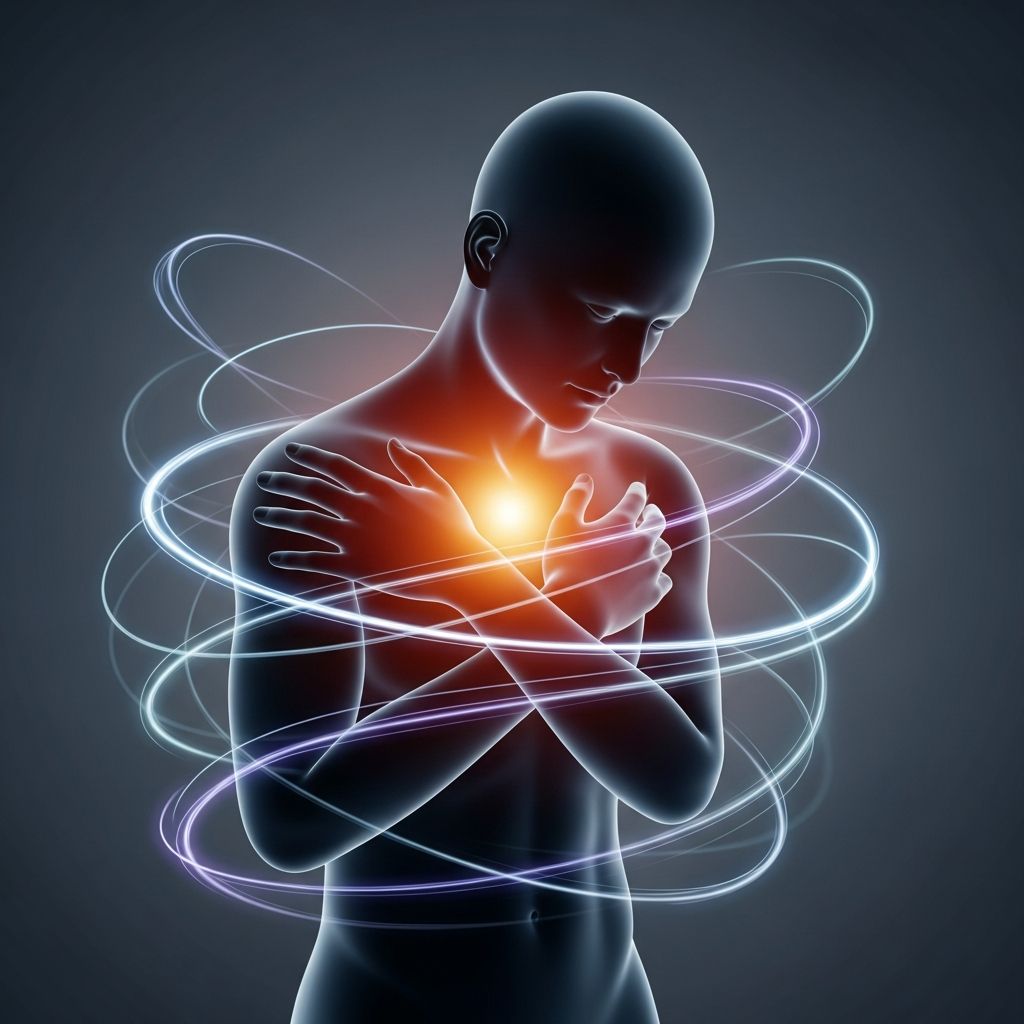
Chronic pain represents a persistent sensory and emotional experience that extends well beyond the expected healing time from an injury, infection, or illness, typically lasting more than three months. It affects millions worldwide, influencing physical function, emotional well-being, and overall quality of life by creating a cycle where pain signals continue even after the initial cause resolves.
Defining Persistent Discomfort
Medical professionals classify pain as chronic when it endures for three to six months or recurs frequently, distinguishing it from acute pain that serves as a short-term alert to bodily harm. This ongoing condition can manifest as a constant ache or intermittent sharp sensations, often involving changes in the nervous system that amplify pain signals. The International Association for the Study of Pain emphasizes that chronic pain encompasses both sensory and emotional components, even without ongoing tissue damage.
Common Categories of Long-Term Pain
Persistent pain falls into several categories based on its underlying mechanisms, helping clinicians tailor interventions effectively.
- Nociceptive pain: Arises from tissue damage or inflammation, such as in osteoarthritis or postoperative recovery.
- Neuropathic pain: Stems from nerve damage or dysfunction, seen in conditions like diabetic neuropathy or multiple sclerosis.
- Musculoskeletal pain: Involves bones, muscles, and joints, commonly presenting as lower back pain or fibromyalgia.
- Inflammatory pain: Triggered by immune responses in autoimmune diseases like rheumatoid arthritis.
- Psychogenic pain: Influenced by emotional factors, such as tension headaches, though always intertwined with physical elements.
Many individuals experience overlapping types, complicating diagnosis and management.
Origins and Risk Factors
Chronic pain often evolves from unresolved acute episodes due to factors like inadequate early treatment, leading to neuroplastic changes where the nervous system becomes hypersensitive. Common triggers include injuries, surgeries, infections, or chronic diseases such as arthritis, cancer, or spinal issues. Environmental stressors, mood disorders, and genetic predispositions can exacerbate it, with over two-thirds of sufferers also facing depression or anxiety.
| Pain Type | Examples | Primary Causes |
|---|---|---|
| Nociceptive | Arthritis, sprains | Tissue injury/inflammation |
| Neuropathic | Peripheral neuropathy, migraines | Nerve damage/dysfunction |
| Musculoskeletal | Back pain, fibromyalgia | Muscle/joint strain |
| Inflammatory | Rheumatoid arthritis, gout | Immune activation |
Recognizing the Signs
Symptoms extend beyond physical sensations, impacting holistic health. Individuals often report burning, throbbing, sharp, or dull aches that vary in intensity and location, accompanied by fatigue, sleep disturbances, mood alterations, and reduced mobility. These effects can trigger a stress response, further perpetuating the pain cycle.
- Fatigue and low energy levels
- Insomnia or poor sleep quality
- Irritability, anxiety, or depression
- Decreased appetite or concentration
- Limited physical activity tolerance
Diagnostic Approaches
Diagnosing chronic pain requires a multifaceted evaluation since it is subjective and multifactorial. Providers conduct thorough histories, physical exams, and may order imaging, blood tests, or nerve studies to rule out underlying conditions. Tools like pain scales and questionnaires assess severity and impact, guiding personalized plans.
Related Stories



Comprehensive Treatment Strategies
Managing chronic pain demands a multidisciplinary approach, combining pharmacological, physical, psychological, and interventional methods to alleviate symptoms and restore function.
Medications
Options range from over-the-counter analgesics to prescription opioids, antidepressants, or anticonvulsants targeting nerve pain. Non-opioid alternatives like acetaminophen or NSAIDs address inflammation effectively.
Physical and Rehabilitative Therapies
Exercise programs, physiotherapy, and modalities like heat/cold therapy strengthen muscles and improve mobility. Techniques such as transcutaneous electrical nerve stimulation (TENS) provide non-invasive relief.
Psychological Interventions
Cognitive behavioral therapy (CBT) and mindfulness-based stress reduction help reframe pain perception, reducing emotional burden. Support groups foster coping skills.
Interventional Procedures
For refractory cases, nerve blocks, epidural injections, or spinal cord stimulators offer targeted relief by interrupting pain signals.
Lifestyle Modifications
Regular activity, balanced nutrition, adequate sleep, and stress management form the foundation of long-term control.
Self-Care Techniques for Daily Relief
Empowering individuals with practical tools enhances treatment efficacy.
- Movement routines: Gentle yoga or walking to maintain flexibility without overload.
- Relaxation practices: Deep breathing, progressive muscle relaxation, or meditation.
- Sleep hygiene: Consistent schedules and comfortable environments.
- Dietary adjustments: Anti-inflammatory foods like omega-3s and antioxidants.
- Pacing activities: Alternating rest and exertion to avoid flares.
Tracking symptoms in a journal aids in identifying triggers and progress.
When to Seek Professional Help
Consult a healthcare provider if pain intensifies, limits daily tasks, or coincides with new symptoms like unexplained weight loss or neurological changes. Early intervention prevents escalation and comorbidities.
Impact on Mental and Social Well-Being
Beyond physical toll, chronic pain strains relationships, work performance, and self-esteem. It heightens risks for isolation and mental health disorders, underscoring the need for holistic care that addresses emotional needs.
Emerging Research and Future Directions
Ongoing studies explore neuromodulation, regenerative therapies, and personalized medicine based on genetic profiles to offer more precise solutions. Multidisciplinary pain clinics demonstrate superior outcomes in complex cases.
Frequently Asked Questions (FAQs)
What distinguishes chronic pain from acute pain?
Acute pain is short-term and protective, resolving with healing, while chronic pain persists beyond three months, often without clear ongoing damage.
Can chronic pain be cured completely?
Complete elimination isn’t always possible, but effective management significantly reduces symptoms and improves life quality for most.
Are opioids safe for long-term chronic pain management?
Opioids carry risks like dependency; they are used cautiously alongside non-drug therapies under specialist supervision.
How does exercise help with persistent pain?
Targeted exercise releases endorphins, strengthens supporting structures, and breaks the inactivity-pain cycle.
Is chronic pain linked to mental health issues?
Yes, it often coexists with anxiety and depression, benefiting from integrated psychological support.
Chronic pain challenges resilience but responds well to proactive, evidence-based strategies. Collaborating with healthcare teams empowers better outcomes.
References
- Chronic Pain Causes, Symptoms, and Treatments — UPMC. 2023. https://www.upmc.com/services/pain-management/conditions/chronic-pain
- About Chronic Pain — Stanford Medicine. 2024. https://med.stanford.edu/pain/about/chronic-pain.html
- Chronic Pain — MedlinePlus (U.S. National Library of Medicine). 2025-02-01. https://medlineplus.gov/chronicpain.html
- Chronic Pain – StatPearls — NCBI Bookshelf (National Center for Biotechnology Information). 2024-10-15. https://www.ncbi.nlm.nih.gov/books/NBK553030/
- Chronic Pain: What It Is, Symptoms, Treatment & Management — Cleveland Clinic. 2024. https://my.clevelandclinic.org/health/diseases/4798-chronic-pain
- Chronic Pain — International Association for the Study of Pain (IASP). 2023. https://www.iasp-pain.org/resources/topics/chronic-pain/
Similar Articles








Read full bio of medha deb