Understanding Your Circadian Rhythm: Body’s Natural 24-Hour Clock
Learn how your body's internal 24-hour clock regulates sleep, hormones, and overall health.
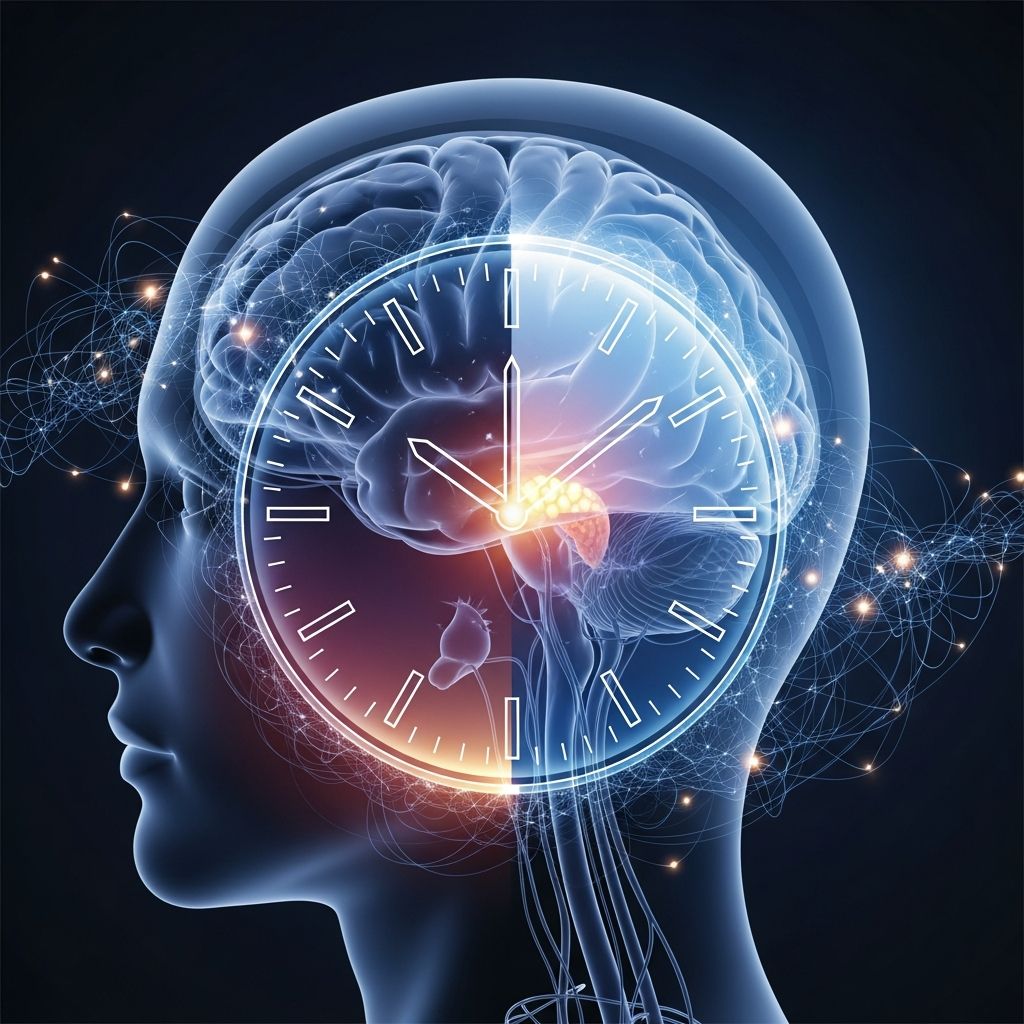
Your circadian rhythm is your body’s natural 24-hour clock that keeps your body operating on a healthy wake-sleep cycle. This internal timing system affects much more than just when you feel sleepy—it influences hormones, digestion, body temperature, and numerous other physiological processes throughout your body. Think of it as a tiny conductor inside your body, orchestrating a 24-hour symphony of biological processes. The word “circadian” comes from Latin, meaning “around or approximately” (circa) “a day” (diem), perfectly describing this roughly 24-hour cycle that governs your body’s operations.
What Is a Circadian Rhythm?
Your circadian rhythm is the pattern your body follows based on a 24-hour day—it’s essentially the name given to your body’s internal clock. This rhythm tells your body when to sleep and when to wake up, and it coordinates the physical and mental systems throughout your body to function optimally at different times of the day.
Most people’s circadian rhythms are automatic, operating without conscious effort. However, certain factors like light exposure can significantly affect how well your internal clock stays synchronized with your environment. Your circadian rhythm ensures that your body’s processes perform at their peak during the times when you need them most, whether that’s increased energy during the day or enhanced restoration during sleep.
How Your Circadian Rhythm Works
Your circadian rhythm connects to an internal clock located in your brain, specifically in a tiny cluster of cells known as the suprachiasmatic nucleus (SCN). The SCN is situated in a part of your brain called the hypothalamus. Throughout the day, internal clock genes in the SCN send signals to control activity throughout your body, coordinating everything from hormone release to digestive function.
The SCN is highly sensitive to light, which is why circadian rhythms closely relate to day and night cycles. Light influences the signals that the SCN uses to coordinate circadian rhythms in your body, making it the most powerful regulator of your internal clock. This light sensitivity is one reason why maintaining regular exposure to natural light during the day and minimizing light exposure at night is so important for circadian health.
The Role of Hormones and Digestion
Your circadian rhythm coordinates with your endocrine system to control hormones like cortisol, which regulates energy expenditure and helps you wake up in the morning. Your digestive system also operates on a circadian schedule, creating proteins to match the timing of your meals. This synchronized timing ensures that your body is prepared to digest food efficiently when you eat and that your energy levels peak when you need them most.
Development of Your Circadian Rhythm Across Your Lifespan
In Newborns and Infants
Newborns typically don’t develop a circadian rhythm until they’re a few months old. That’s why their sleep patterns tend to be erratic in those first few days, weeks, and months. A baby’s circadian rhythm begins to develop as they experience changes to their bodies and adapt to their new environment, gradually synchronizing with the 24-hour light-dark cycle.
In Adults
If adults practice healthy habits, they should have a consistent circadian rhythm. If you follow a regular schedule and get seven to nine hours of sleep at night, your bedtime and wake time should remain stable. This consistency is key to maintaining optimal health and preventing circadian disruptions.
Related Stories



In Older Adults
People over the age of 60 may notice their circadian rhythm changing as they get older. You may go to bed earlier and wake up earlier, too. This is a typical part of aging and reflects changes in how the brain regulates the sleep-wake cycle. Understanding these age-related changes can help older adults adapt their schedules and sleep habits accordingly.
Factors That Influence Your Circadian Rhythm
Light and dark have the biggest effect on your circadian rhythm, but many other things can influence it. Understanding these factors can help you maintain a healthy internal clock:
- Light exposure: Natural and artificial light signals your brain about the time of day
- Physical activity: Exercise timing affects your circadian rhythm
- Sleep schedule: Regular sleep and wake times reinforce your rhythm
- Meal timing: When you eat influences hormonal signals
- Hormone levels: Melatonin, cortisol, and other hormones follow circadian patterns
- Social activities: Social cues and interactions affect your rhythm
- Temperature: Environmental temperature influences circadian timing
Signs of Circadian Rhythm Disruption
Sometimes, changes to your circadian rhythm can be a sign of a more serious health condition. Recognizing the symptoms of circadian disruption is important for addressing problems early. Common signs include difficulty falling asleep or staying asleep, waking up too early, excessive daytime sleepiness, and difficulty concentrating during the day.
Short-Term Health Effects of Circadian Disruption
Short-term circadian rhythm disruptions may result in immediate symptoms that typically resolve once your rhythm is restored:
- Daytime fatigue and low energy
- Difficulty concentrating and poor focus
- Irritability and mood changes
- Reduced reaction time and impaired coordination
- Temporary sleep disturbances
Long-Term Health Consequences
Maintaining your circadian rhythm is very important to your health. If you experience a circadian rhythm disruption and can’t get an adequate amount of sleep, you may develop certain long-term health issues. Circadian rhythm disruptions can lead to long-term health conditions in many different body systems, including your:
- Cardiovascular system: Increased risk of hypertension and heart disease
- Metabolic system: Higher risk of obesity and type 2 diabetes
- Mental health: Increased susceptibility to depression and anxiety
- Cognitive function: Memory problems and reduced mental performance
- Immune system: Weakened immunity and increased susceptibility to infections
- Gastrointestinal system: Digestive issues and metabolic dysfunction
Types of Circadian Rhythm Disorders
Circadian rhythm sleep disorders impact the timing of your sleep-wake cycle. The key feature of these disorders is a continuous or occasional disruption of sleep patterns that results from either a malfunction in the “internal body clock” or a mismatch between the “internal body clock” and the external environment. Several specific types of circadian rhythm disorders exist:
Advanced Sleep Phase Syndrome
Also known as “morning lark syndrome,” this disorder causes people to naturally fall asleep and wake up much earlier than desired, creating conflicts with typical work and social schedules.
Delayed Sleep Phase Syndrome
Known as “night owl syndrome,” this condition causes people to naturally fall asleep and wake up much later than desired, making it difficult to maintain conventional sleep schedules.
Shift Work Sleep Disorder
This disorder occurs when there’s misalignment between the internal rhythm and the environment, as seen in shift workers. Emerging data show associations with cancer, metabolic dysfunction, and alterations of mood and cognition due to prolonged shift work schedules.
Jet Lag
Frequent air travelers experience this condition, which feels like a constant state of jet lag. This is considered a normal consequence of traveling across time zones by airplane and can last between two days and two weeks, depending on the time difference crossed.
Managing and Resetting Your Circadian Rhythm
To reset your circadian rhythm, your body needs to follow a healthy 24-hour schedule. While there’s no magic bullet for fixing circadian problems, there are several evidence-based management techniques available:
Sleep Hygiene
Sleep hygiene is fundamental and emphasizes maintaining a consistent daily sleep schedule and avoiding known sleep disruptors several hours before bedtime, including alcohol, caffeine, and device screens. Going to bed and waking up at the same time every day helps anchor your circadian rhythm.
Light Therapy
Phototherapy with specific attention to the timing, intensity, and duration of light exposure can help reset your circadian rhythm. Morning light exposure helps advance your rhythm, while evening light exposure can delay it, depending on your needs.
Melatonin Supplementation
Melatonin supplements can help support circadian alignment, particularly when taken at appropriate times. The timing and dosage are important for effectiveness.
Chronotherapy
Chronotherapy is a progressive advancement or delay (1-2 hours per day) of sleep time depending on the type and severity of the disorder. This therapy requires firm commitment from both the patient and caregiver, as it can take weeks to be effective.
Re-entrainment Techniques
These techniques help synchronize your internal clock with external time cues, including structured daily routines and environmental adjustments.
Practical Tips for Maintaining a Healthy Circadian Rhythm
Use the following evidence-based strategies to stay on track with your circadian rhythm:
- Maintain a consistent sleep schedule, going to bed and waking at the same time daily
- Get exposure to natural sunlight early in the day
- Limit screen time at least one hour before bed
- Avoid caffeine after mid-afternoon
- Exercise regularly, but not close to bedtime
- Keep your bedroom cool, dark, and quiet
- Avoid large meals close to bedtime
- Create a relaxing bedtime routine
- Get regular physical activity during the day
- Minimize exposure to artificial light in the evening
When to See a Healthcare Provider
There are many reasons you may want to speak to your healthcare provider about an issue with your circadian rhythm. If any of the following affect you for a long period of time, make a call to your provider’s office:
- Persistent difficulty falling asleep or staying asleep
- Chronic daytime fatigue or excessive sleepiness
- Difficulty concentrating or memory problems
- Mood disturbances or emotional changes
- Symptoms interfering with work or daily functioning
- Sleep problems lasting more than a few weeks
- Suspected circadian rhythm disorder symptoms
Frequently Asked Questions
Q: What time should I go to bed to maintain a healthy circadian rhythm?
A: The best time to go to bed depends on your individual needs and schedule. Most adults benefit from consistent sleep timing of 7-9 hours nightly. The key is consistency—going to bed and waking at the same time daily, even on weekends, helps maintain a healthy rhythm.
Q: Can my circadian rhythm be permanently changed?
A: Yes, your circadian rhythm can be adjusted through consistent behavioral changes and light exposure modifications. However, some people may have a naturally earlier or later rhythm (chronotype) that persists. Working with your natural tendencies while making necessary adjustments is often most effective.
Q: How long does it take to reset my circadian rhythm?
A: The time needed to reset your circadian rhythm varies depending on the cause and severity of disruption. Jet lag typically lasts 2-14 days, while other adjustments may take several weeks of consistent adherence to new sleep schedules.
Q: Does exercise help regulate circadian rhythm?
A: Yes, regular physical activity helps regulate your circadian rhythm. However, timing matters—exercising in the morning or early afternoon promotes better sleep, while vigorous exercise close to bedtime may interfere with sleep onset.
Q: Can light therapy really help with circadian disorders?
A: Yes, light therapy is an evidence-based treatment for many circadian rhythm disorders. The key is using appropriate timing, intensity, and duration of light exposure. A healthcare provider can help determine the best light therapy approach for your specific condition.
Q: Is it normal for my circadian rhythm to change as I age?
A: Yes, it’s completely normal for your circadian rhythm to shift as you age. Many people over 60 experience earlier sleep and wake times. Understanding these age-related changes can help you adapt your schedule and sleep habits appropriately.
References
- Circadian Rhythm — Cleveland Clinic. 2024-03-15. https://my.clevelandclinic.org/health/articles/circadian-rhythm
- Circadian Rhythm Disorders: Symptoms, Treatment & Types — Cleveland Clinic. 2024-01-23. https://my.clevelandclinic.org/health/diseases/12115-circadian-rhythm-disorders
- Circadian Rhythm Research Earned the 2017 Nobel Prize. What’s the Upshot for the Sleep Disorders Field? — Cleveland Clinic Consult QD. https://consultqd.clevelandclinic.org/circadian-rhythm-research-earned-the-2017-nobel-prize
- Unique Sleep and Circadian Rhythm Dysfunction — National Center for Biology Information (NCBI). https://pmc.ncbi.nlm.nih.gov/articles/PMC8179975/
- How Age Affects Your Circadian Rhythm — Sleep Foundation. https://www.sleepfoundation.org/circadian-rhythm/how-age-affects-your-circadian-rhythm
- Avoiding Sleep Disruptions as we Spring Forward — Cleveland Clinic Newsroom. 2025-02-24. https://newsroom.clevelandclinic.org/2025/02/24/avoiding-sleep-disruptions-as-we-spring-forward
Similar Articles








Read full bio of Sneha Tete