Understanding Coloboma: Types, Symptoms, and Management
Comprehensive guide to congenital eye coloboma, its effects on vision, and treatment options.
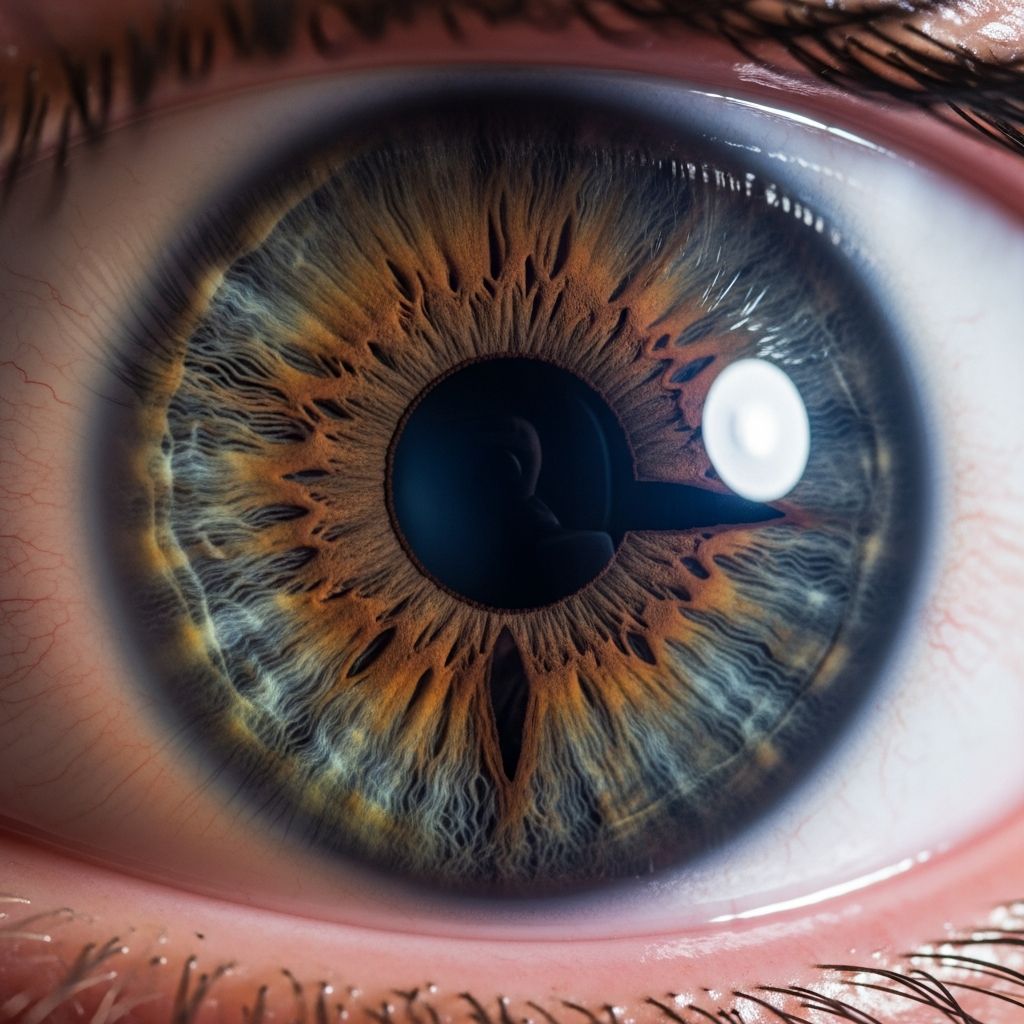
Coloboma represents a significant but often misunderstood congenital eye condition that affects individuals from birth. The term itself originates from Greek, meaning ‘curtailed’ or ‘unfinished,’ which aptly describes the nature of this disorder. When specific portions of eye tissue fail to develop properly during gestation, gaps or holes form in the eye’s structures, potentially compromising visual function. This condition requires careful monitoring and management throughout a person’s life, as the severity and location of the missing tissue determine its impact on vision and overall eye health.
The Developmental Basis of Coloboma
During fetal development, the eye undergoes a complex series of transformations to form a complete, functional visual organ. Coloboma occurs when the embryonal fissure—a critical developmental pathway in the eye—fails to close properly during gestation. This incomplete closure results in areas where tissue is absent, creating structural defects that can affect multiple parts of the eye. The condition can develop sporadically, appearing without family history, or it may be inherited through genetic pathways.
The severity of coloboma varies considerably among individuals. In some cases, the defect remains subtle, affecting only minor portions of iris tissue with minimal functional consequences. In other instances, the missing tissue encompasses larger areas, potentially involving the retina, choroid, optic nerve, and lens, which can lead to more pronounced visual difficulties.
Classification: Understanding Different Types of Coloboma
Medical professionals recognize multiple classifications of coloboma based on which eye structures are affected. Each type presents distinct characteristics and visual implications, ranging from cosmetic concerns to serious vision-threatening complications.
Iris Coloboma
Iris coloboma affects the colored portion of the eye, resulting in an irregular pupil shape. The most distinctive feature is a keyhole-shaped or cat-eye appearance in the affected iris. This occurs because part of the iris tissue fails to develop completely, creating a visible gap. While iris colobomas are the most externally apparent type, they typically have limited impact on visual function. The primary concern associated with iris coloboma is photophobia—increased sensitivity to light—which can cause discomfort in bright environments. Most individuals with isolated iris colobomas maintain relatively normal vision and experience minimal vision loss.
Uveal Coloboma
The uvea comprises three interconnected structures: the iris, choroid, and ciliary body. When coloboma affects this middle layer of the eye, it results in uveal coloboma. This type is often most cosmetically apparent because it can affect the iris, making it the most visually noticeable form of the condition. Uveal colobomas present significant challenges because the missing tissue in the choroid disrupts the eye’s ability to supply blood and nutrients to critical structures, particularly the retina.
Retinal Coloboma
Retinal colobomas involve gaps in the retina itself, the light-sensitive tissue responsible for capturing visual information. These colobomas pose more serious threats to vision compared to iris defects. When the coloboma affects the macula—the central region of the retina responsible for detailed vision—significant central vision loss can result. Depending on the location and extent of the retinal defect, individuals may experience reduced peripheral vision, scotomas (blind spots), or even total vision loss in the affected eye.
Optic Nerve Coloboma
The optic nerve serves as the critical communication pathway between the eye and brain, transmitting visual signals that enable sight. When coloboma affects the optic nerve head—where the nerve connects to the eye—serious vision problems typically result. Optic nerve colobomas often produce reduced vision or partial vision loss, and in severe cases may cause blindness in the affected eye. Additionally, optic nerve colobomas increase the risk of secondary complications such as glaucoma, a condition characterized by elevated intraocular pressure that damages the optic nerve.
Related Stories



Recognizing Symptoms and Clinical Presentations
Coloboma symptoms vary dramatically depending on which eye structures are affected and the extent of tissue involvement. While some individuals experience no noticeable symptoms, others face significant visual challenges that impact daily functioning.
Immediate and Observable Signs
The most obvious manifestation is a structural eye abnormality detected at birth or during early childhood. Parents or pediatricians may notice an unusually shaped pupil, a visibly small eyeball, or involuntary eye movements. The characteristic keyhole-shaped pupil associated with iris colobomas represents the most recognizable sign of this condition.
Vision-Related Symptoms
When coloboma involves the retina or optic nerve, various vision-related symptoms may emerge:
- Light sensitivity (photophobia): Particularly common in iris colobomas, this causes discomfort and functional difficulties in bright light.
- Low or reduced vision: When substantial portions of the retina and choroid are involved, visual acuity decreases significantly.
- Reduced peripheral vision: Colobomas affecting the peripheral retina limit the side-to-side visual field.
- Blind spots: Scotomas or gaps in the visual field occur when colobomas create non-functional areas within the retina.
- Depth perception difficulties: Certain colobomas impair the eye’s ability to judge distances and spatial relationships.
- Nystagmus: Involuntary eye movements may develop, particularly when both eyes have central vision involvement.
Late-Emerging Symptoms
Some coloboma symptoms do not become apparent immediately at birth. Vision problems may only surface when the child begins school and demands on visual processing increase. Parents might not notice reduced vision in one eye if the other eye compensates adequately, leading to delayed diagnosis.
Associated Complications and Secondary Conditions
Beyond the primary structural defect, coloboma can predispose individuals to several serious eye conditions that require preventive monitoring and intervention.
Retinal Detachment
Among the most significant complications, retinal detachment occurs when the retina separates from underlying tissues. Colobomas involving the retina substantially increase this risk. A detached retina represents a medical emergency requiring prompt surgical intervention. Untreated retinal detachment leads to permanent vision loss or blindness in the affected eye. Modern surgical techniques, particularly pars plana vitrectomy, have improved outcomes for managing coloboma-related retinal detachments.
Amblyopia (Lazy Eye)
When coloboma causes significant vision reduction in one eye, the brain may suppress visual signals from that eye, preferentially processing information from the stronger eye. This phenomenon, called amblyopia, leads to permanently impaired vision development in the affected eye if not addressed during critical developmental years.
Strabismus (Eye Misalignment)
Individuals with colobomas, particularly those with more severe vision loss, frequently develop strabismus—a condition where the eyes do not align properly. The eyes may turn inward, outward, upward, or downward relative to each other, affecting binocular vision and depth perception.
Glaucoma
Certain coloboma types, especially optic nerve colobomas, increase susceptibility to glaucoma. This condition involves elevated intraocular pressure that progressively damages the optic nerve, potentially leading to irreversible vision loss.
Additional Complications
Colobomas may also increase vulnerability to other eye conditions including cataracts (clouding of the lens), choroidal neovascular membranes, and serous macular detachments. Some severe cases may develop orbital cysts at the coloboma margins.
Diagnostic Approaches and Clinical Evaluation
Accurate diagnosis of coloboma typically involves comprehensive eye examination by an ophthalmologist. Visual inspection often reveals the characteristic keyhole-shaped pupil in iris colobomas. For colobomas affecting internal structures, imaging studies become essential.
Optical coherence tomography (OCT) provides detailed cross-sectional images of retinal structures, revealing the precise extent of retinal colobomas and associated complications. Dilated eye examinations allow visualization of optic nerve and fundus colobomas. In some cases, additional imaging may be recommended to identify associated systemic conditions, as coloboma can occur as part of genetic syndromes or systemic disorders.
Management and Treatment Strategies
While coloboma represents a permanent structural abnormality without a cure, various management approaches help maximize visual function and prevent complications.
Refractive Correction
Many individuals with colobomas benefit from eyeglasses or contact lenses that correct refractive errors, improving visual clarity and reducing strain. Even modest improvements in optical focus can significantly enhance functional vision, particularly in patients with reduced vision due to coloboma-related defects.
Surgical Interventions
Surgery becomes necessary when coloboma-related complications develop. Retinal detachment requires vitrectomy, a procedure removing the vitreous gel and reattaching the retina. Cataracts associated with colobomas may be surgically removed. In some cases, newer surgical techniques attempt to close optic pits or stabilize structures affected by coloboma-related traction.
Vision Therapy and Rehabilitation
Specialized vision therapy helps individuals develop compensatory strategies and skills for functioning with vision loss. This therapeutic approach proves particularly valuable for children, optimizing visual development during critical periods and reducing amblyopia risk.
Low Vision Aids and Assistive Devices
For individuals experiencing significant vision loss, various low vision aids enhance functional capabilities:
- Magnifiers for reading and detailed tasks
- Specialized lighting to reduce glare and photophobia
- Screen readers and magnification software for digital devices
- Tinted lenses to manage light sensitivity
- Mobility aids and navigation assistance
Regular Monitoring
Individuals with coloboma require periodic eye examinations to monitor for complications, particularly retinal detachment risk. Early detection of secondary conditions enables timely intervention, potentially preserving or improving vision outcomes.
Living with Coloboma: Practical Considerations
The impact of coloboma on daily life varies considerably based on severity and type. Those with isolated iris colobomas may experience primarily cosmetic concerns and light sensitivity, while others face substantial vision loss requiring significant adaptations.
Children diagnosed with coloboma benefit from early intervention services, educational accommodations, and psychological support. Adults may require workplace modifications, assistive technology, and ongoing eye care management. Support groups and patient advocacy organizations provide valuable resources for individuals and families navigating life with this condition.
Frequently Asked Questions
Can coloboma be prevented?
No, coloboma cannot be prevented as it results from developmental factors during fetal formation. However, genetic counseling may be beneficial for families with inherited forms of coloboma considering future pregnancies.
Is coloboma present at birth?
Yes, coloboma is a congenital condition present from birth, though symptoms may not become apparent until later in childhood or even adulthood.
Does coloboma affect both eyes?
Coloboma can affect one eye (unilateral) or both eyes (bilateral), with unilateral cases being more common. When bilateral, the severity may be symmetric or asymmetric.
Will coloboma worsen over time?
The structural coloboma itself does not typically progress, though secondary complications like retinal detachment may develop unexpectedly, requiring prompt treatment.
Can coloboma cause complete blindness?
While coloboma involving the central retina or optic nerve can cause severe vision loss or blindness in the affected eye, many individuals maintain functional vision with appropriate management.
References
- A Closer Look at Coloboma and How it Affects Vision — University of Utah Health. 2024-08. https://healthcare.utah.edu/healthfeed/2024/08/closer-look-coloboma-and-how-it-affects-vision
- Coloboma — American Optometric Association. https://www.aoa.org/healthy-eyes/eye-and-vision-conditions/coloboma
- Eye Colobomas: A Comprehensive Overview — LumiLab. 2025-02-03. https://lumilab.com.au/2025/02/03/eye-colobomas-a-comprehensive-overview-ophthalmology-optometry-information-guide/
- Ocular coloboma—a comprehensive review for the clinician — National Center for Biotechnology Information. https://pmc.ncbi.nlm.nih.gov/articles/PMC8302742/
Similar Articles








Read full bio of Sneha Tete