Common STIs: 8 Key Facts On Symptoms, Testing, Treatment
Learn about the most prevalent sexually transmitted infections, their symptoms, risks, and prevention strategies to protect your health effectively.
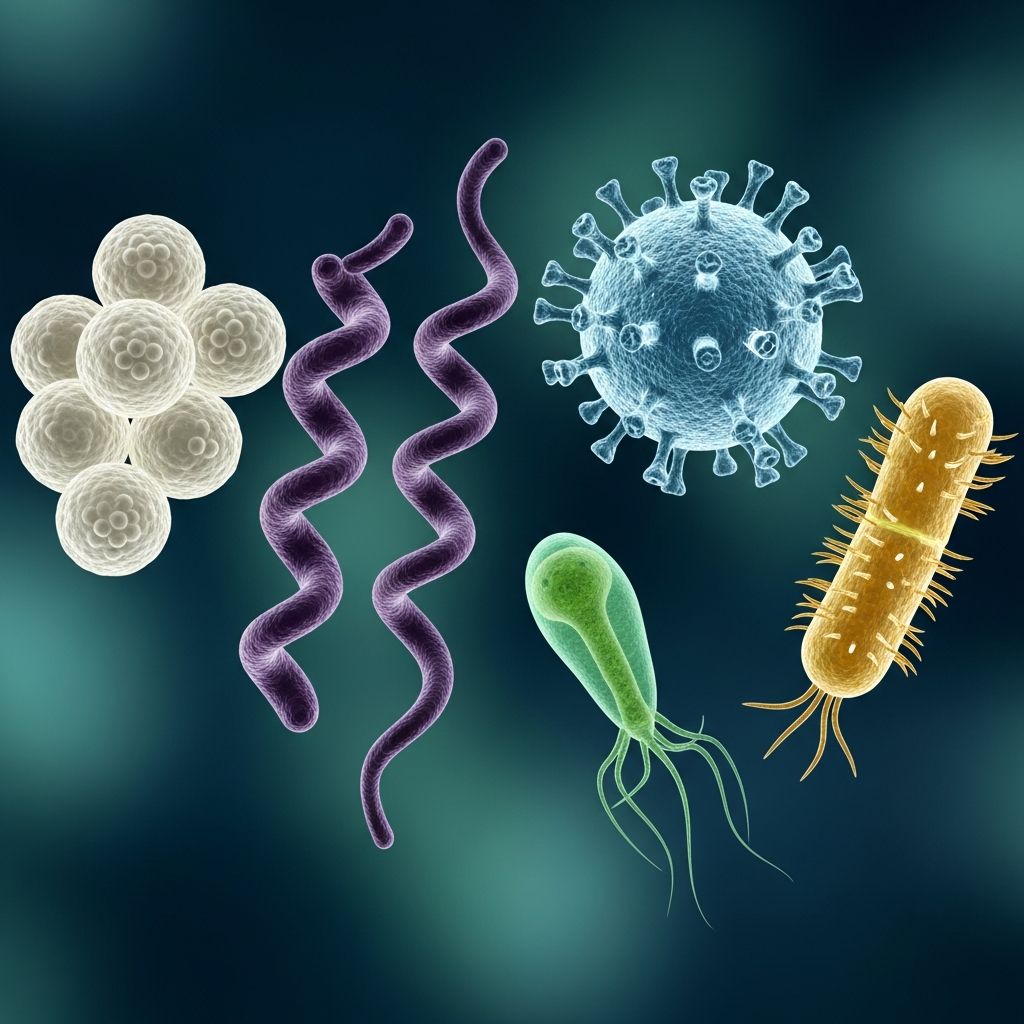
Sexually transmitted infections (STIs) represent a significant public health challenge, affecting millions worldwide through intimate contact. These infections, caused by bacteria, viruses, or parasites, often present with subtle or no symptoms initially, allowing them to spread undetected. Early detection through routine screening is crucial for effective management and preventing long-term complications like infertility, chronic pain, or certain cancers.
Why STIs Matter Today
STIs transcend demographics, impacting sexually active individuals regardless of age, gender, or orientation. Many infections remain asymptomatic, leading to unintended transmission during unprotected sex, oral-genital contact, or sharing of contaminated needles. According to health authorities, common STIs include chlamydia, gonorrhea, syphilis, trichomoniasis, HPV, herpes, hepatitis B, and HIV. Awareness empowers proactive steps like condom use and vaccination to reduce incidence rates.
Recognizing Symptoms Across Genders
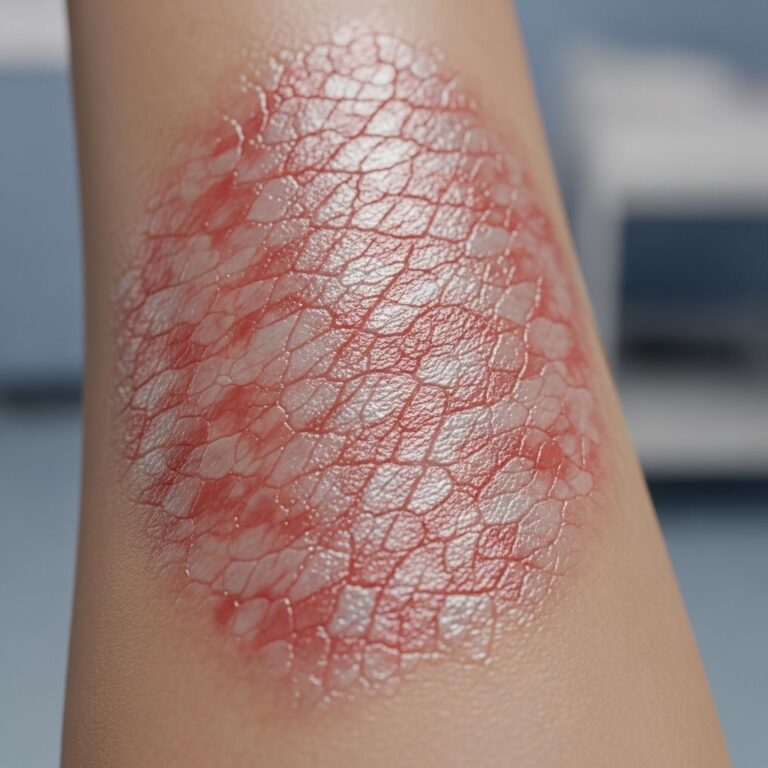
Symptoms vary by infection and individual, but common signs include genital discharge, pain during urination, sores, itching, or systemic issues like fever. Women might experience abnormal vaginal bleeding or pelvic pain, while men often report penile discharge or testicular discomfort. Both genders can develop rashes, swollen lymph nodes, or anal symptoms from receptive activities.
- Unusual discharge: From penis or vagina, often colored or odorous.
- Painful urination: Burning sensation known as dysuria.
- Skin changes: Blisters, warts, ulcers, or rashes on genitals, mouth, or anus.
- Other signs: Itching, abdominal pain, fever, or fatigue.
Symptoms may emerge days to years post-exposure, emphasizing regular testing.
Chlamydia: The Silent Bacterial Threat
Chlamydia, caused by Chlamydia trachomatis, tops the list of reported bacterial STIs due to its asymptomatic nature in up to 70% of cases. In women, it leads to vaginal discharge, pelvic pain, or bleeding between periods; untreated, it risks pelvic inflammatory disease (PID) and infertility. Men face urethral discharge, burning urination, or epididymitis—testicular inflammation.
Transmission occurs via vaginal, anal, or oral sex. Diagnosis involves urine tests or swabs, with antibiotics like azithromycin curing most cases promptly. Partners must be treated to prevent reinfection.
Gonorrhea: Rising Antibiotic Resistance
Gonorrhea, from Neisseria gonorrhoeae, mimics chlamydia but progresses faster if ignored. Symptoms include thick discharge, severe dysuria, and rectal pain. Women may have pelvic pain; men, swollen testicles. Disseminated forms cause joint pain or skin lesions.
Testing uses nucleic acid amplification tests (NAATs). Dual therapy with ceftriaxone and doxycycline combats resistance. Untreated, it causes PID, infertility, or increased HIV risk.
Syphilis: A Multi-Stage Deceiver
Syphilis, bacterial Treponema pallidum, unfolds in stages. Primary: painless chancre sore. Secondary: rash, fever, mucous patches. Latent: hidden. Tertiary: organ damage like neurosyphilis.
Blood tests confirm diagnosis; penicillin injections cure early stages. Pregnant individuals risk congenital syphilis, preventable by screening.
Related Stories



Viral Infections: Herpes and HPV
Genital herpes (HSV-2, sometimes HSV-1) causes recurrent blisters, itching, and flu-like symptoms on first outbreak. Antivirals like acyclovir reduce severity but don’t cure.
HPV, with 100+ strains, sparks warts (low-risk) or cancers (high-risk like types 16/18). Gardasil vaccine prevents major strains; warts treated topically.
Parasitic and Other Infections
Trichomoniasis
This protozoan infection yields frothy discharge, itching, and odor, especially in women. Men often asymptomatic. Metronidazole clears it effectively.
Hepatitis B
Viral liver assault via fluids: fatigue, jaundice. Vaccine prevents; antivirals manage chronic cases.
HIV: From Acute to Chronic
Progresses from flu-like acute retroviral syndrome to AIDS without antiretrovirals. PrEP prevents; testing vital.
Diagnosis and Testing Methods
Routine STI panels use NAATs for bacteria/parasites, serology for syphilis/HIV, cultures for gonorrhea. Self-tests exist for HIV; annual screening recommended for at-risk groups.
| Infection | Primary Test | Sample Type |
|---|---|---|
| Chlamydia/Gonorrhea | NAAT | Urine/swab |
| Syphilis | RPR/VDRL | Blood |
| Herpes | PCR/swab | Lesion |
| HIV | Antibody/antigen | Blood/oral |
| HPV | Pap smear/DNA | Cervical |
Treatment Approaches
Bacterial STIs (chlamydia, gonorrhea, syphilis, trich) respond to antibiotics; complete courses prevent resistance. Viral ones (herpes, HIV, hep B) use antivirals for symptom control or viral suppression. Partner notification and treatment (expedited partner therapy) curb spread.
Prevention: Your Best Defense
- Barrier methods: Condoms/dental dams reduce risk by 80-90%.
- Vaccines: HPV (9-45 years), Hep B (all ages).
- PrEP/PEP: For HIV prevention.
- Monogamy/testing: Mutual screening before new partners.
- Avoid sharing: Needles, razors.
Abstinence eliminates risk; open communication fosters safer choices.
STIs in Special Populations
Pregnant women risk fetal transmission; routine prenatal screening detects syphilis, HIV, hep B. MSM face higher gonorrhea/chlamydia rates; transgender individuals need inclusive care. Adolescents benefit from school-based education.
Long-Term Complications
Untreated STIs cause infertility (PID in women, epididymitis in men), ectopic pregnancy, chronic pelvic pain, neuropathy (syphilis), cancers (HPV), liver cirrhosis (hep B), and AIDS (HIV).
Frequently Asked Questions (FAQs)
Can STIs be transmitted non-sexually?
Rarely; most require mucosal contact. HPV/herpes can skin-spread.
Do condoms prevent all STIs?
Highly effective against fluid-transmitted but less for skin-contact like herpes/HPV.
How often should I test?
Annually if active; more for multiple partners or HIV risk.
Can I have an STI without symptoms?
Yes, up to 90% for some like chlamydia.
Are STIs curable?
Bacterial: yes; viral: manageable lifelong.
Seeking Care and Reducing Stigma
Confidential clinics, telehealth, and free testing normalize check-ups. Stigma delays care; education promotes empathy. Empower yourself: test regularly, vaccinate, protect partners.
References
- Most Common Sexually Transmitted Infections and Diseases — Baptist Health. 2023. https://www.baptisthealth.com/blog/healthy-living/most-common-sexually-transmitted-infections-and-diseases
- Sexually transmitted diseases (STDs) – Symptoms and causes — Mayo Clinic. 2024-01-15. https://www.mayoclinic.org/diseases-conditions/sexually-transmitted-diseases-stds/symptoms-causes/syc-20351240
- Sexually Transmitted Infections – StatPearls — NCBI Bookshelf. 2023-11-03. https://www.ncbi.nlm.nih.gov/books/NBK560808/
- Sexually Transmitted Infections | STIs | Venereal Disease — MedlinePlus. 2024. https://medlineplus.gov/sexuallytransmittedinfections.html
- Pictures and Facts About STDs — WebMD. 2023. https://www.webmd.com/sexual-conditions/ss/slideshow-std-pictures-and-facts
- About Sexually Transmitted Infections (STIs) — CDC. 2024-09-04. https://www.cdc.gov/sti/about/index.html
Similar Articles








Read full bio of Sneha Tete