Understanding Conception: How Pregnancy Begins
Learn how conception works, from ovulation to implantation and pregnancy.
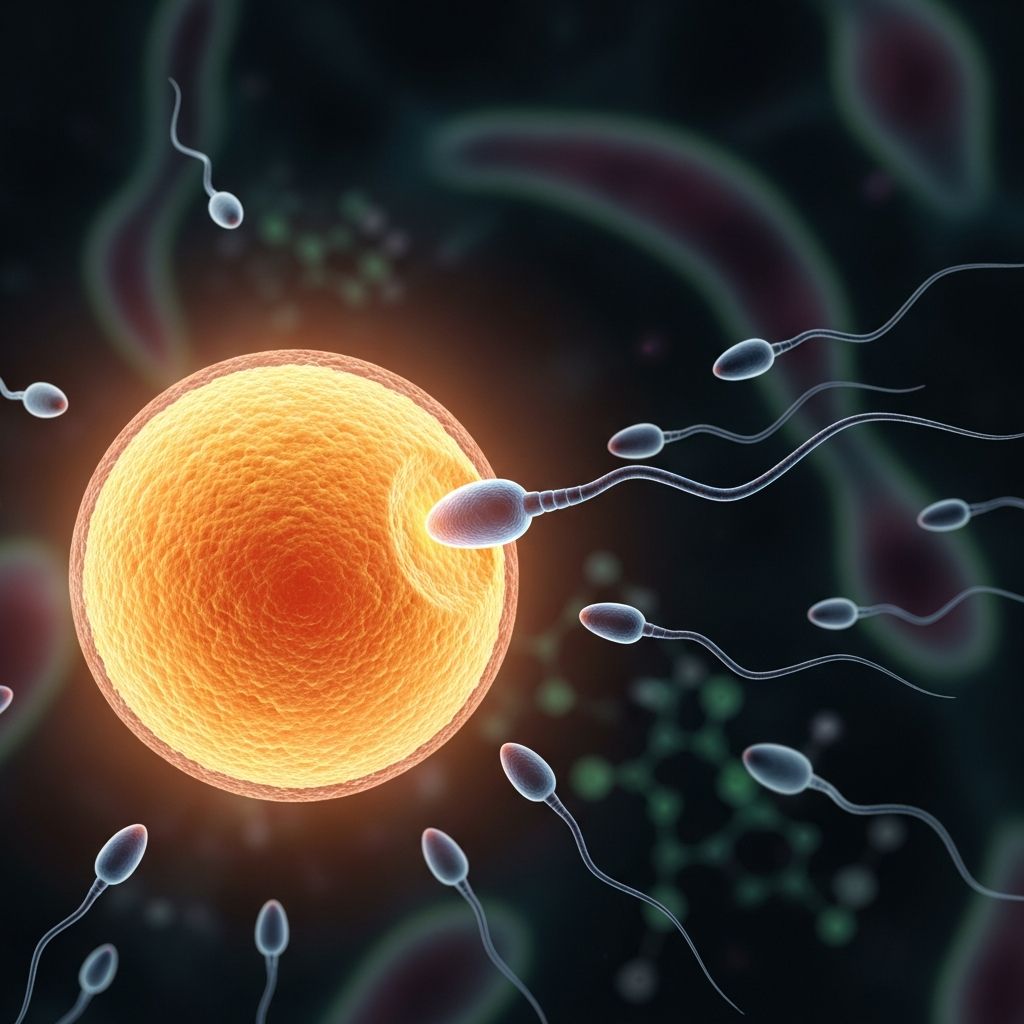
Conception is the biological process by which pregnancy begins. It involves the meeting of a sperm cell from a male and an egg cell (ovum) from a female, resulting in the creation of a new life. While conception might seem like a single event, it is actually a complex series of biological processes that unfold over several days. Understanding how conception works can help you better comprehend your own reproductive health and make informed decisions about family planning.
What Is Conception?
Conception occurs when a sperm cell successfully fertilizes an egg cell. This process typically happens in the fallopian tube, a narrow passageway connecting the ovary to the uterus. Once fertilization occurs, the resulting embryo begins its journey toward the uterus, where it will implant and develop into a fetus over the next nine months. The entire conception process involves precise timing and coordination of biological events within a woman’s reproductive system.
For conception to occur, several conditions must be met: a viable egg must be released during ovulation, sperm must be present in the reproductive tract, and the fertilized egg must successfully travel to and implant in the uterus. Without all these elements working together, pregnancy cannot begin.
The Role of Ovulation
Ovulation is the release of a mature egg from the ovary, and it is the first critical step in the conception process. During each menstrual cycle, the pituitary gland releases follicle-stimulating hormone (FSH), which triggers the ovaries to produce follicles containing eggs. As these follicles develop, they produce the hormone estrogen, which causes the uterine lining to thicken in preparation for potential pregnancy.
When estrogen levels reach a peak, the pituitary gland releases a surge of luteinizing hormone (LH), triggering ovulation. This is when a mature egg is released from the ovary into the fallopian tube. Ovulation typically occurs approximately 14 days before the start of the next menstrual period, though this can vary depending on individual cycle lengths.
The released egg remains viable for approximately 12 to 24 hours. During this brief window, if sperm is present in the fallopian tube, fertilization can occur. The egg travels slowly down the fallopian tube, guided by tiny hair-like structures called cilia, while waiting for potential fertilization.
Fertilization: When Sperm Meets Egg
Fertilization occurs when a single sperm cell penetrates and fuses with the egg cell. This is a highly selective process—of the millions of sperm released during ejaculation, only a few hundred reach the fallopian tube, and typically only one successfully fertilizes the egg.
When sperm enters the reproductive tract, it must navigate through the cervical mucus, which becomes thinner and more receptive during the fertile window. The sperm cell uses its tail to propel itself upward through the uterus and into the fallopian tubes. This journey can take several hours.
Once sperm reaches the egg, it must penetrate the egg’s outer layers. The sperm’s head contains enzymes that help break down the egg’s protective membrane. When a sperm successfully penetrates the egg, the egg’s outer layer immediately changes to prevent other sperm from entering. At this moment, fertilization is complete, and a new genetic combination is created, combining 23 chromosomes from each parent for a total of 46 chromosomes.
Related Stories



Development After Fertilization
Following fertilization, rapid cellular changes begin. The fertilized egg, now called a zygote, begins dividing as it moves down the fallopian tube. This division process, called cleavage, continues over several days as the zygote becomes a morula (a cluster of 16 cells) and then a blastocyst (a hollow sphere of about 100 cells).
During this time, the blastocyst produces chemical signals that prevent the mother’s immune system from recognizing it as a foreign invader. These same chemical signals begin transforming the uterine lining (endometrium) to prepare it for pregnancy. The endometrium thickens, blood vessels extend, and the cervical opening is sealed with a protective plug.
Implantation: The Crucial Step
Implantation occurs approximately 6 to 12 days after fertilization, when the blastocyst embeds itself into the thickened uterine lining. This is a critical stage because if implantation does not occur successfully, pregnancy cannot continue.
During implantation, the blastocyst’s cells organize into two distinct clusters. One cluster will develop into the embryo itself, while the other will merge with the mother’s tissue to form the placenta. The placenta is the remarkable organ that will provide oxygen and nutrients to the developing fetus throughout pregnancy.
The early placental cells begin producing human chorionic gonadotropin (hCG), a hormone that signals the ovary to stop releasing eggs and to continue producing progesterone. Progesterone is essential for maintaining the thick uterine lining and preventing menstruation, which would otherwise terminate the pregnancy. This hormone, combined with estrogen, sustains the pregnancy throughout the first trimester and beyond.
Early Signs of Pregnancy
Once implantation is complete and hCG levels begin rising, a woman may experience various physical changes signaling that pregnancy has begun. These early signs can include:
- Missed period
- Breast tenderness or swelling
- Nausea or morning sickness
- Fatigue and increased need for sleep
- Mild cramping or backaches
- Food cravings or aversions
- Mood changes due to hormonal fluctuations
- Frequent urination
A blood test measuring hCG levels or a home pregnancy test can confirm pregnancy as early as 8-10 days after ovulation, though testing is most accurate after a missed period. Healthcare providers typically date pregnancy from the first day of the last menstrual period, even though conception usually occurs about two weeks later.
Factors Affecting Conception
Several factors can influence whether conception occurs successfully. Understanding these factors can help you optimize your chances of becoming pregnant:
- Timing: Sexual intercourse during the five days leading up to and including ovulation provides the best chance for conception
- Age: Female fertility peaks in the late teens and early twenties and gradually declines with age
- Reproductive health: Conditions affecting ovulation or sperm production can impact fertility
- Overall health: Proper nutrition, exercise, stress management, and avoiding harmful substances support reproductive function
- Medications: Certain medications can affect fertility in both men and women
- Lifestyle factors: Smoking, excessive alcohol use, and drug use can negatively impact conception
Assisted Reproductive Technologies
For couples experiencing infertility or those with specific medical conditions, assisted reproductive technologies (ART) offer alternatives to natural conception. These medical procedures involve manipulating eggs, sperm, or embryos outside the body to facilitate pregnancy. While the specific steps may differ from natural conception, the fundamental biological requirements—viable sperm and egg—remain the same.
Common ART procedures include in vitro fertilization (IVF), where eggs are retrieved and fertilized outside the body before being placed back into the uterus, and intrauterine insemination (IUI), where specially prepared sperm is placed directly into the uterus. These technologies have helped millions of couples achieve pregnancy and are continuously advancing to improve success rates and accessibility.
After Conception: The First Trimester
Once conception and implantation are complete, the embryo enters a period of rapid development. The embryonic stage lasts approximately eight weeks from fertilization. During this time, the three primary germ layers form—the ectoderm (which becomes the nervous system and skin), the mesoderm (which becomes the heart, bones, and muscles), and the endoderm (which becomes the lungs and digestive system).
By the end of the first trimester (around 13 weeks of gestation), the embryo has become a fetus with recognizable human features. The heart has formed and is beating, basic organ systems are established, and the fetus is approximately three inches long. Throughout this period, the mother’s body continues producing hormones that support pregnancy and protect the developing life within her.
When to Contact Your Healthcare Provider
Once you suspect you are pregnant or have confirmed pregnancy through testing, it is important to schedule an appointment with your healthcare provider. Early prenatal care is essential for monitoring your health and your baby’s development. Your provider will:
- Confirm your pregnancy through blood tests or ultrasound
- Calculate your due date based on your last menstrual period
- Review your medical history and family history
- Discuss prenatal screening and diagnostic testing options
- Provide guidance on nutrition, exercise, and lifestyle modifications
- Monitor for any potential complications
Understanding your pregnancy options, including prenatal testing, is an important part of informed decision-making. Resources like AI-based educational tools can help you access accurate information about genetic screening and testing options at any time, complementing the guidance your healthcare provider offers.
Frequently Asked Questions
How long does conception take?
Conception is not a single moment but a process that unfolds over several days. Ovulation occurs approximately 14 days into a 28-day cycle, sperm can survive for up to five days, fertilization occurs within hours to a day after the egg is released, and implantation occurs 6-12 days after fertilization. Therefore, the complete process from ovulation to implantation can take up to 2-3 weeks.
Can you feel conception happening?
Most women do not feel the moment of conception or fertilization. Implantation, which occurs a week or so after fertilization, may cause minor cramping or spotting in some women, but this is not always noticeable. Early pregnancy symptoms typically don’t appear until hCG hormone levels rise sufficiently, which is usually after a missed period.
What is the difference between conception and pregnancy?
Conception is the fertilization of an egg by sperm, while pregnancy is the state of carrying a developing embryo or fetus. Pregnancy officially begins with implantation, when the fertilized egg embeds in the uterine lining. Some sources define pregnancy from the last menstrual period for dating purposes, even though conception typically occurs about two weeks later.
How can I increase my chances of conception?
You can increase your chances of conception by tracking your ovulation cycle, having regular intercourse during your fertile window (the five days before and the day of ovulation), maintaining a healthy weight, managing stress, avoiding smoking and excessive alcohol, taking prenatal vitamins with folic acid, and seeking medical evaluation if you have been trying to conceive for more than a year without success.
What happens if the egg is not fertilized?
If the egg is not fertilized within its 12-24 hour viability window, it breaks down and is reabsorbed by the body. Without fertilization, progesterone levels drop, signaling the uterus to shed its lining. This shedding results in menstruation, and the cycle begins again.
Is it possible to become pregnant without ovulation?
No, ovulation is absolutely essential for natural conception. Ovulation releases the egg necessary for fertilization. Some medical conditions or hormonal imbalances can prevent ovulation, leading to infertility. In these cases, assisted reproductive technologies may be necessary to achieve pregnancy.
References
- Cleveland Clinic creates chatbot to help patients understand prenatal genetic testing options — Lerner Research Institute, Cleveland Clinic. 2024-06-12. https://www.lerner.ccf.org/news/article/?title=Cleveland+Clinic+creates+chatbot+to+help+patients+understand+prenatal+genetic+testing+options
- Pregnancy: Gestation, Trimesters & What To Expect — Cleveland Clinic. 2024-04-11. https://my.clevelandclinic.org/health/articles/pregnancy
- Fetal Development: Week-by-Week Stages of Pregnancy — Cleveland Clinic. 2024-03-19. https://my.clevelandclinic.org/health/articles/7247-fetal-development-stages-of-growth
- Infertility: A practical framework — Cleveland Clinic Journal of Medicine, Lycktr R, Falcone T, et al. 2019. DOI: 10.3949/ccjm.86a.18068. https://pubmed.ncbi.nlm.nih.gov/31291181/
- Pregnancy and gestation — EBSCO Research Starters. 2024. https://www.ebsco.com/research-starters/health-and-medicine/pregnancy-and-gestation
- Fetal development: The first trimester — Mayo Clinic. 2024. https://www.mayoclinic.org/healthy-lifestyle/pregnancy-week-by-week/in-depth/prenatal-care/art-20045302
- Infertility: A practical framework — Cleveland Clinic Journal of Medicine. 2019. https://www.ccjm.org/content/86/7/473
Similar Articles








Read full bio of medha deb