Understanding COPD Causes and Risk Factors
Discover the primary and secondary causes of COPD and identify your risk factors.
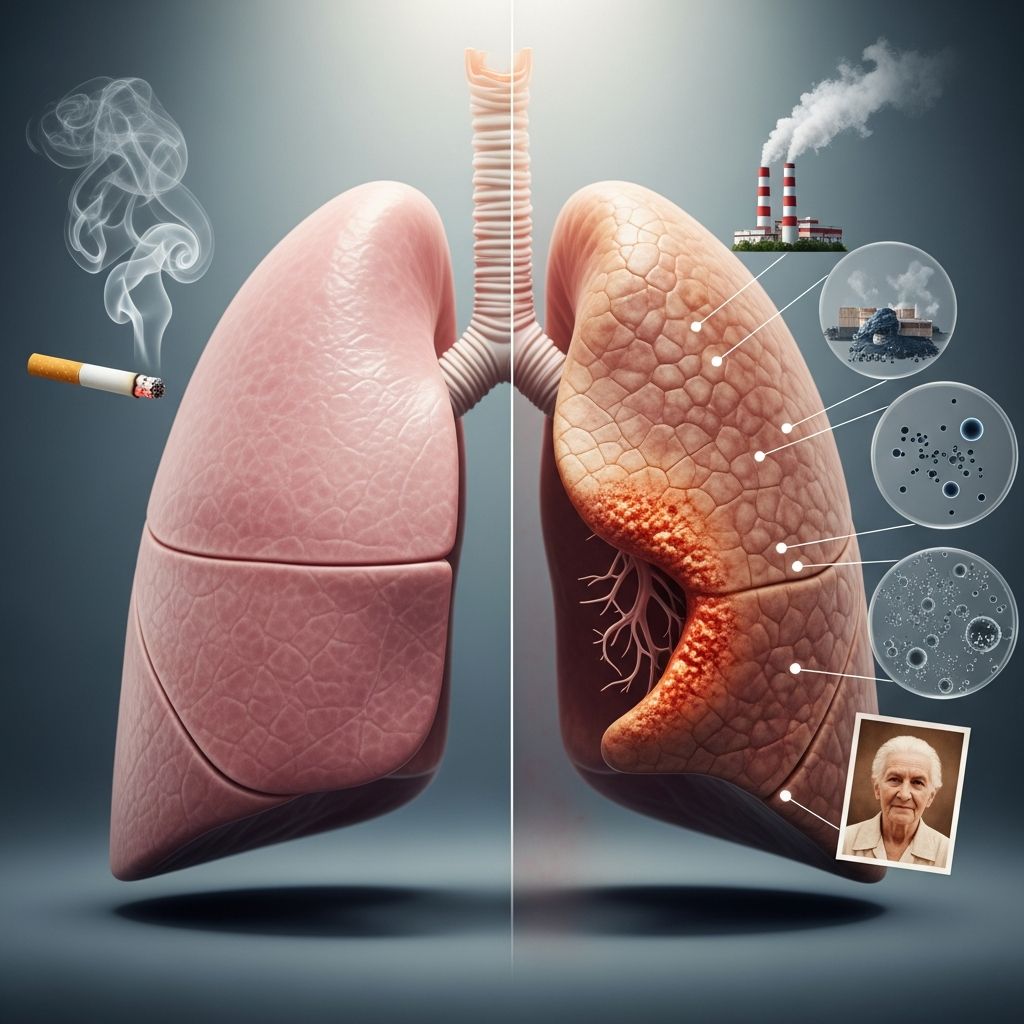
Chronic obstructive pulmonary disease (COPD) is a serious lung condition characterized by airflow limitation that develops gradually over time. Understanding what causes COPD is essential for prevention, early diagnosis, and effective management. While many people associate COPD primarily with smoking, the reality is more complex—multiple factors can contribute to the development of this progressive disease. This comprehensive guide explores the primary causes of COPD, secondary risk factors, and what you need to know about your personal risk.
What Causes COPD?
COPD develops due to damage and inflammation in the airways, typically resulting from prolonged exposure to harmful particles or gases. The condition encompasses both emphysema and chronic bronchitis, and people with COPD often have features of both diseases. The damage that leads to COPD occurs gradually, but once established, the condition typically progresses over years or decades, with some individuals experiencing faster deterioration.
Smoking: The Primary Cause
Cigarette smoking remains the leading cause of COPD worldwide. In high-income countries, tobacco smoking accounts for over 70% of COPD cases. Long-term cigarette smoking causes prolonged irritation and inflammation in the lungs, triggering a cascade of damaging processes.
When you smoke, irritants cause an inflammatory response in which neutrophils and macrophages are recruited and release multiple inflammatory mediators. These oxidants and excess proteases lead to the destruction of air sacs, the tiny structures in your lungs responsible for gas exchange. The protease-mediated destruction of elastin causes a loss of elastic recoil, resulting in airway collapse during exhalation—a hallmark of emphysema.
It’s important to note that not everyone who smokes develops COPD. Other factors, including genetic susceptibility and the intensity and duration of exposure, influence whether a person develops the disease. Additionally, one in four people living with COPD never smoked, indicating that smoking, while the most common cause, is not the only pathway to COPD.
Besides cigarettes, other forms of smoking also increase COPD risk, including:
- Cigar smoke
- Pipe smoke
- Marijuana smoke
- Secondhand smoke from others’ cigarettes
Environmental and Occupational Exposures
Beyond smoking, environmental and occupational exposures represent significant COPD risk factors. In the developing world, COPD often occurs in people exposed to fumes from burning fuel for cooking and heating in homes with poor airflow. This type of indoor air pollution from biomass fuels—including wood, animal dung, and crop residue—creates chronic exposure to harmful smoke.
Occupational exposure is another critical cause of COPD. Long-term workplace exposure to chemical fumes, vapors, dusts, and smoke can irritate and cause swelling in the lungs. Workers in certain industries face higher risks, particularly those in manufacturing, construction, and chemical handling. Even modest exposures over decades can accumulate to cause significant lung damage.
General air pollution also contributes to COPD development. Chronic exposure to outdoor air pollution, combined with other risk factors, can increase your likelihood of developing COPD. People living in areas with high pollution levels or those with prolonged exposure are at elevated risk.
Alpha-1 Antitrypsin Deficiency
While less common than smoking-related COPD, alpha-1 antitrypsin (AAT) deficiency is a genetic cause of COPD affecting approximately 1% of people with the disease. This rare genetic condition involves a gene mutation passed down through families that reduces levels of a protective protein in the body.
Related Stories



Alpha-1 antitrypsin is made in the liver and released into the bloodstream to protect the lungs from damage caused by smoke, fumes, and dust. When AAT levels are low, the lungs lack this crucial protection, making them vulnerable to protease-mediated damage. Unlike smoking-related emphysema, which typically involves the upper lobes, AAT deficiency primarily involves the lower lobes.
AAT deficiency should be suspected in COPD patients who present with liver damage, as the misfolded mutated protein can accumulate in the liver causing additional complications. People with AAT deficiency typically:
- Have a family history of COPD
- Develop symptoms at a younger age than smokers with COPD
- May develop liver disease along with lung disease
- May have never smoked or have minimal smoking exposure
Additional Risk Factors for COPD
Beyond the primary causes, several other factors increase your likelihood of developing COPD:
Asthma History
Having asthma is a recognized risk factor for COPD. The combination of asthma and smoking significantly increases COPD risk beyond either factor alone. Childhood asthma, in particular, may predispose individuals to COPD development later in life.
Early Life Events
Your lung development in childhood can influence COPD risk in adulthood. Several early-life factors increase vulnerability:
- Poor growth in utero (in the womb)
- Prematurity at birth
- Frequent or severe respiratory infections in childhood that prevent maximum lung growth
Age
COPD risk increases with age, particularly after age 40, as lung function naturally declines with aging. However, COPD can develop at any age, especially in people with significant risk factors.
Genetics Beyond AAT Deficiency
Beyond AAT deficiency, other genetic factors may make certain people who smoke more likely to develop COPD. These genetic susceptibilities remain an area of active research, and scientists continue to identify gene variations that influence COPD risk.
Socioeconomic Factors
People living in poverty and rural areas are more likely to develop COPD. Reasons for this increased risk include greater exposures to indoor and outdoor pollutants, occupational exposures, and limited access to healthcare and preventive services.
How COPD Develops
COPD develops through several biological mechanisms that narrow the airways and impair lung function. According to the World Health Organization, several processes can cause this narrowing:
- Destruction of lung parts: Emphysema involves destruction of the alveoli (air sacs) where gas exchange occurs
- Mucus blockage: Excessive mucus production can clog the airways, particularly in chronic bronchitis
- Airway inflammation and swelling: The airway lining becomes inflamed and swollen, further narrowing the passages
These processes typically result from a combination of risk factors rather than a single cause. The disease progresses gradually, often over many years, before symptoms become noticeable. Some people may have lung damage without yet experiencing COPD symptoms, though their lungs don’t work as well as they used to.
COPD Causes by Geographic Region
The primary cause of COPD varies significantly between developed and developing nations. In developed countries like the United States, tobacco smoking is the main cause of COPD. In low- and middle-income countries, however, the picture is different. Tobacco smoking accounts for only 30–40% of COPD cases in these regions, while household air pollution from biomass fuel burning becomes a major risk factor due to traditional cooking and heating methods in homes with inadequate ventilation.
Frequently Asked Questions
Q: Can you get COPD without ever smoking?
A: Yes, absolutely. While smoking is the most common cause, one in four people with COPD never smoked. Non-smokers can develop COPD through occupational exposure, environmental pollution, genetic factors like AAT deficiency, or exposure to indoor air pollution from biomass fuel burning.
Q: Is COPD hereditary?
A: COPD is not hereditary in most cases, but alpha-1 antitrypsin deficiency, which causes COPD, is genetic and runs in families. Additionally, other genetic factors may make some people more susceptible to developing COPD when exposed to risk factors like smoking.
Q: How long does it take to develop COPD from smoking?
A: COPD develops gradually over time, typically after years or decades of exposure. The more years you smoke and the more packs you smoke daily, the greater your risk. However, the timeline varies among individuals based on genetic factors and smoking intensity.
Q: Can secondhand smoke cause COPD?
A: Yes, people who breathe in large amounts of secondhand smoke are at risk of COPD. Prolonged exposure to others’ smoke in homes, workplaces, or public spaces can cause the same lung damage as active smoking, though the risk is typically lower.
Q: What is the relationship between asthma and COPD?
A: Asthma is a recognized risk factor for developing COPD. The combination of asthma and smoking significantly increases COPD risk. Some people may transition from asthma to COPD over time, though asthma and COPD are distinct conditions.
Q: Are there occupations with higher COPD risk?
A: Yes, workers with long-term exposure to chemical fumes, smoke, vapors, and dusts have higher COPD risk. Industries such as manufacturing, construction, mining, and chemical handling pose particular occupational exposure risks.
References
- Chronic Obstructive Pulmonary Disease — National Center for Biotechnology Information (NCBI) Bookshelf. 2024. https://www.ncbi.nlm.nih.gov/books/NBK559281/
- COPD – Symptoms and Causes — Mayo Clinic. 2024. https://www.mayoclinic.org/diseases-conditions/copd/symptoms-causes/syc-20353679
- Chronic Obstructive Pulmonary Disease (COPD) — World Health Organization. 2023. https://www.who.int/news-room/fact-sheets/detail/chronic-obstructive-pulmonary-disease-(copd)
- COPD Causes and Risk Factors — American Lung Association. 2024. https://www.lung.org/lung-health-diseases/lung-disease-lookup/copd/what-causes-copd
- Chronic Obstructive Pulmonary Disease (COPD) Causes — Healthgrades. 2024. https://resources.healthgrades.com/right-care/copd/what-causes-copd
Similar Articles








Read full bio of Sneha Tete