Understanding Cystitis: Bladder Inflammation Explained
Discover the causes, symptoms, treatments, and prevention strategies for cystitis, a common bladder condition often linked to urinary tract infections.
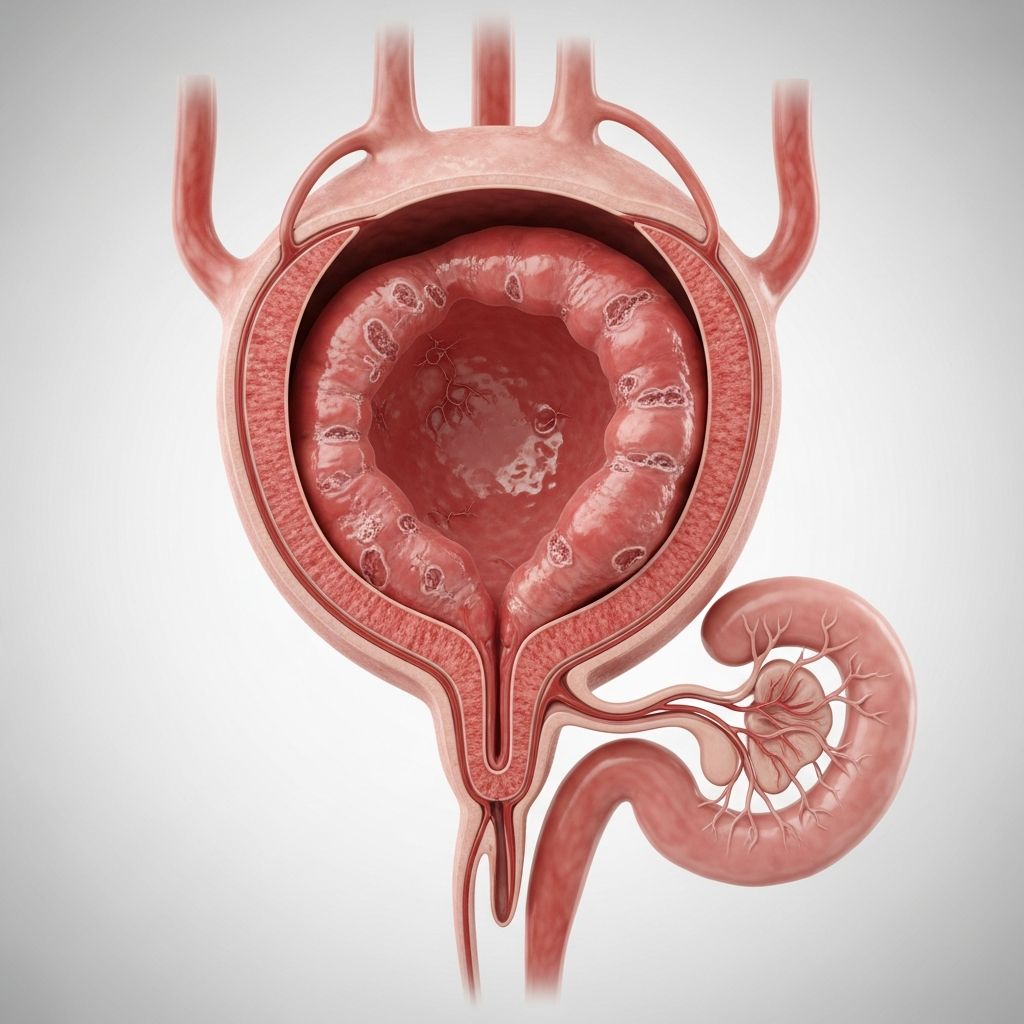
Cystitis refers to inflammation of the bladder, most frequently resulting from a bacterial infection known as a urinary tract infection (UTI). This condition primarily affects the lower urinary tract, causing discomfort that can disrupt daily life, though it is treatable with proper medical intervention.
The Anatomy of the Urinary System and Cystitis Role
The urinary system comprises kidneys, ureters, bladder, and urethra. The bladder stores urine until expulsion via the urethra. Cystitis targets the bladder lining, leading to swelling and irritation. Bacteria, often *Escherichia coli* from the bowel, ascend through the urethra to trigger this inflammation.
In females, the shorter urethra heightens susceptibility, as bacteria travel more easily from nearby areas like the rectum. While more prevalent in women, men, children, and older adults can also develop it, particularly with complicating factors.
Recognizing Common Symptoms of Cystitis
Identifying cystitis early prevents complications. Key indicators include:
- A persistent, intense urge to urinate, even with minimal urine output.
- Burning or sharp pain during urination, termed dysuria.
- Frequent trips to the bathroom, often producing small volumes.
- Cloudy, strong-smelling, or blood-tinged urine.
- Lower abdominal or pelvic discomfort, sometimes with pressure above the pubic bone.
- Mild fever or general unease in some cases.
These symptoms typically emerge suddenly and intensify if untreated. Blood in urine, or hematuria, signals potential severity, warranting prompt evaluation.
Primary Causes: Bacterial vs. Non-Bacterial Origins
Bacterial cystitis dominates, with *E. coli* responsible for most cases. Bacteria proliferate in the bladder, adhering to its walls and inciting immune response. Sexual activity, poor hygiene, or dehydration can facilitate entry.
Noninfectious forms arise from irritants like certain medications, radiation therapy, chemicals in hygiene products, or prolonged catheter use. Interstitial cystitis, a chronic variant, involves persistent inflammation without clear infection.
Risk Factors That Increase Vulnerability
Several elements elevate cystitis likelihood:
- Sex:** Active individuals, especially women, face higher risk post-intercourse due to bacterial displacement.
- Birth Control Methods: Diaphragms or spermicides alter vaginal flora, promoting bacterial growth.
- Pregnancy and Menopause: Hormonal shifts weaken protective barriers.
- Medical Conditions: Diabetes impairs immunity; enlarged prostate or stones obstruct urine flow.
- Catheters: Long-term use introduces infection risks.
| Group | Prevalence | Key Reasons |
|---|---|---|
| Adult Women | High | Shorter urethra, proximity to anus |
| Men | Lower | Longer urethra, but prostate issues |
| Children | Moderate | Hygiene challenges, anatomical factors |
| Pregnant Women | Elevated | Hormonal changes, urinary stasis |
| Older Adults | Increasing | Catheter use, weakened immunity |
This table highlights demographic vulnerabilities based on anatomical and physiological differences.
Distinguishing Cystitis from Other UTIs
Not all UTIs are cystitis. Lower UTIs involve bladder and urethra; upper ones affect kidneys (pyelonephritis). Cystitis lacks high fever, chills, nausea, or flank pain typical of kidney infections. Persistent symptoms beyond 3 days or worsening signs demand medical review to rule out ascent.
Related Stories



| Aspect | Cystitis (Lower UTI) | Kidney Infection (Upper UTI) |
|---|---|---|
| Location | Bladder | Kidneys |
| Main Symptoms | Burning urination, frequency, pelvic pain | High fever, back pain, vomiting |
| Fever Level | Low or absent | Over 101°F |
| Severity | Usually manageable at home | Requires urgent care |
Diagnosis: Tests and Evaluations
Healthcare providers start with history and physical exam, focusing on symptoms and risk factors. Urinalysis detects white blood cells, bacteria, or blood. Urine culture identifies specific pathogens for targeted therapy. Imaging or cystoscopy may follow for recurrent cases or complications.
Seek care if symptoms last over 3 days, include fever, or involve back pain.
Treatment Options for Effective Relief
Antibiotics form the cornerstone for bacterial cystitis, typically lasting 3-7 days. Common choices include nitrofurantoin or trimethoprim-sulfamethoxazole, selected per culture results. Pain relievers like phenazopyridine ease burning; hydration flushes bacteria.
Non-bacterial cases may need irritant removal or anti-inflammatory drugs. Recurrent infections prompt low-dose prophylaxis or lifestyle adjustments.
Prevention Strategies for Bladder Health
Proactive measures reduce recurrence:
- Hydration: Drink ample water to dilute urine and promote flushing.
- Hygiene: Wipe front-to-back; urinate post-sex.
- Avoid Irritants: Limit caffeine, alcohol, spicy foods.
- Cranberry Products: Some evidence supports preventing bacterial adhesion.
- Clothing: Opt for cotton underwear; avoid tight synthetics.
When to Seek Immediate Medical Help
Consult a doctor urgently for high fever, severe pain, vomiting, or symptoms in children/pregnant individuals. Untreated cystitis risks kidney involvement, sepsis in vulnerable groups.
Frequently Asked Questions (FAQs)
What is the fastest way to cure cystitis?
Antibiotics prescribed by a doctor provide quickest relief, often within 24-48 hours, alongside increased fluids and pain management.
Can cystitis resolve without antibiotics?
Mild cases may self-resolve in women, but antibiotics prevent complications; always consult a professional.
Is cystitis contagious?
No, it does not spread person-to-person, though bacteria originate from one’s own flora.
How does cystitis differ in men?
Men experience it less but often with prostate involvement, requiring longer treatment.
Can diet influence cystitis risk?
Yes, reducing bladder irritants like citrus or carbonated drinks helps prevention.
Living with Recurrent Cystitis: Long-Term Management
For frequent sufferers, track triggers via diary. Specialists may recommend vaginal estrogen post-menopause or D-mannose supplements. Regular check-ups monitor underlying issues like stones or diabetes.
Empowerment through knowledge fosters better outcomes. Cystitis, while common, need not dominate life with vigilant care.
References
- Cystitis – symptoms and treatment — Healthdirect (Australian Government). 2023. https://www.healthdirect.gov.au/cystitis
- Cystitis – Symptoms and causes — Mayo Clinic. 2023-10-20. https://www.mayoclinic.org/diseases-conditions/cystitis/symptoms-causes/syc-20371306
- Bladder Infection (UTI) in Adults — National Institute of Diabetes and Digestive and Kidney Diseases (NIDDK). 2024-05-30. https://www.niddk.nih.gov/health-information/urologic-diseases/bladder-infection-uti-in-adults
- Cystitis vs UTI? Signs It’s More Than a Bladder Infection — Southeast Kidney. 2023. https://www.southeastkidney.com/kidney-health/cystitis-vs-uti-bladder-infection/
- Bladder infection: Causes, treatments, and remedies — Medical News Today. 2023-08-15. https://www.medicalnewstoday.com/articles/316271
- Urinary Tract Infection Basics — Centers for Disease Control and Prevention (CDC). 2024. https://www.cdc.gov/uti/about/index.html
- Urinary tract infections (UTIs) — National Health Service (NHS). 2023-11-01. https://www.nhs.uk/conditions/urinary-tract-infections-utis/
Similar Articles








Read full bio of Sneha Tete