Understanding Depression: A Comprehensive Mental Health Guide
Explore the symptoms, causes, and evidence-based treatment options for depression.

What Is Depression?
Depression, formally known as major depressive disorder or clinical depression, represents a significant mental health condition characterized by persistent emotional and physical symptoms that interfere with daily functioning. Unlike temporary sadness or disappointment, depression involves a prolonged state of low mood and diminished interest in activities that typically bring pleasure. This condition affects how individuals think, feel, and behave, creating a pervasive sense of hopelessness that can extend to questioning life’s worth.
The distinction between normal sadness and clinical depression is crucial for understanding this condition. Many people experience periods of feeling down or discouraged, which is a natural part of the human experience. However, depression transcends these temporary emotional fluctuations, manifesting as a more serious and sustained mental health challenge that often requires professional intervention. It is not a sign of weakness, nor can individuals simply overcome it through willpower alone.
Recognizing Depression Symptoms
Depression presents through a wide spectrum of emotional, behavioral, and physical symptoms that vary in intensity and duration among individuals. Understanding these manifestations helps individuals and their loved ones identify when professional help may be necessary.
Emotional and Cognitive Symptoms
- Persistent feelings of sadness, emptiness, or hopelessness
- Irritability, anger, or frustration over minor inconveniences
- Diminished interest or pleasure in hobbies, sports, or intimate activities
- Reduced ability to concentrate, make decisions, or retain information
- Excessive feelings of guilt, worthlessness, or self-blame
- Recurrent thoughts about death or suicide
Physical and Behavioral Symptoms
- Disrupted sleep patterns, including insomnia or hypersomnia
- Significant fatigue or loss of energy affecting daily activities
- Changes in appetite resulting in weight loss or gain
- Observable slowing of speech, thought processes, or physical movements
- Anxiety, agitation, or restlessness
- Unexplained physical aches and pain
- Social withdrawal and preference for isolation
- Increased reliance on alcohol or substances
A clinical diagnosis of major depressive disorder requires that individuals experience a depressed mood or loss of interest in activities persisting for at least two weeks, alongside at least five of these symptoms that noticeably decrease their functional capacity.
The Multifaceted Causes of Depression
Depression rarely emerges from a single cause. Instead, mental health experts recognize that a complex interaction of biological, psychological, environmental, and social factors contributes to depression’s development. This multifactorial model helps explain why depression affects different people in different ways and why treatment approaches must be individualized.
Biological and Genetic Foundations
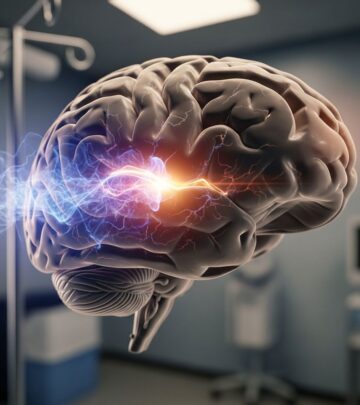
The brain’s biochemistry plays a fundamental role in depression’s etiology. Neurotransmitters, which are naturally occurring chemical messengers in the brain, regulate essential functions including mood, sleep patterns, and appetite. Disruptions in neurotransmitter function, particularly involving serotonin, significantly influence depression development. Modern research demonstrates that changes in how these neurotransmitters function and interact with neural circuits responsible for mood regulation represent core biological mechanisms underlying depression.
Related Stories



Physical changes within the brain itself may also contribute to depressive symptoms, though researchers continue investigating the exact significance of these variations. Additionally, hormonal fluctuations across the lifespan trigger depression in vulnerable individuals. Pregnancy, postpartum periods, menopause, and thyroid disorders all involve hormonal changes that can precipitate or exacerbate depressive episodes. Women experience higher rates of depression, partly attributed to these biological hormonal transitions.
Genetics creates a hereditary predisposition toward depression. Individuals with family members who have experienced depression face elevated risk themselves. Scientists actively work to identify specific genes involved in depression susceptibility, though this remains an ongoing research endeavor.
Life Circumstances and Environmental Factors
Life experiences profoundly shape depression risk. Traumatic events experienced during childhood can alter how the brain responds to fear and stress, potentially leading to depression later in life. Similarly, major adverse life events including unemployment, bereavement, relationship dissolution, financial difficulties, and the death of loved ones significantly increase depression vulnerability. Living circumstances affect mental health—limited access to fundamental resources such as housing, food, and healthcare creates stress that contributes to depression.
Social support systems substantially influence depression development and recovery. A lack of meaningful social connections and social isolation independently increase depression risk. Conversely, strong relationships and community engagement provide protective factors against depression.
Psychological and Personality Factors
How individuals think and respond to challenges influences depression susceptibility. Persistent negative thought patterns, low self-esteem, excessive self-criticism, and pessimistic outlooks create vulnerability to depression. Problematic coping mechanisms—particularly avoidance behaviors and substance use—intensify depression risk. When individuals encounter stressors without healthy coping strategies, depression becomes more likely to develop and persist.
Comorbid Conditions
Depression frequently coexists with other medical and mental health conditions. Chronic illnesses including diabetes, heart disease, cancer, and thyroid disorders occur alongside depression, potentially worsening both conditions. Similarly, anxiety disorders, attention-deficit hyperactivity disorder (ADHD), panic disorder, and sleep disturbances increase depression risk. The relationship between depression and these conditions often becomes reciprocal—depression worsens the underlying condition while the condition intensifies depressive symptoms.
Treatment Approaches and Recovery Pathways
Encouragingly, effective treatments for depression exist, and most individuals experience significant improvement with appropriate intervention. Treatment plans should be personalized based on symptom severity, individual preferences, and available resources.
Psychological Interventions
Psychotherapy represents a cornerstone of depression treatment, often serving as the first-line intervention, particularly for mild depression. Several evidence-based psychological approaches demonstrate effectiveness:
- Cognitive Behavioral Therapy (CBT): This structured approach helps individuals identify and modify negative thinking patterns associated with depression. CBT teaches practical coping strategies and typically involves a limited number of sessions tailored to individual needs.
- Behavioral Activation: This approach encourages engagement in meaningful activities and social interactions to combat depression’s isolating effects.
- Interpersonal Psychotherapy: This method addresses relationship dynamics and life circumstances contributing to depression.
- Problem-Solving Therapy: This technique develops practical solutions to life challenges fueling depression.
Psychological treatments can be delivered through traditional in-person sessions, online platforms, or self-help resources including manuals, websites, and applications. This flexibility increases accessibility for individuals facing barriers to traditional therapy.
Medication Options
Antidepressant medications effectively alleviate depressive symptoms for many individuals. Selective serotonin reuptake inhibitors (SSRIs), such as fluoxetine, represent commonly prescribed medications that work by increasing serotonin availability in the brain. Healthcare providers should carefully consider medication’s potential side effects, individual preferences, and treatment availability when selecting antidepressants.
Important considerations regarding medication use include that antidepressants are not appropriate for treating childhood depression and should be used cautiously in adolescents due to safety concerns. For moderate to severe depression, combining medication with psychological treatment often produces superior outcomes compared to either approach alone.
Lifestyle and Self-Care Strategies
Alongside professional treatment, lifestyle modifications significantly support depression recovery. Improving sleep hygiene, establishing regular exercise routines, and addressing underlying health conditions constitute important first steps in managing depression. These changes enhance overall well-being and may reduce symptom severity.
Special Considerations and Risk Groups
Certain populations face heightened depression vulnerability requiring tailored approaches. Women experience higher depression rates partly due to biological hormonal changes throughout reproductive years. Older adults, particularly men, face elevated suicide risk when depressed. Individuals with trauma histories, substance use disorders, or chronic health conditions require integrated treatment addressing multiple conditions simultaneously.
When to Seek Professional Help
Individuals experiencing persistent depressive symptoms lasting beyond two weeks should consult healthcare professionals. Immediate professional intervention becomes critical when individuals experience suicidal thoughts or exhibit concerning behavioral changes. Friends and family members noticing significant mood changes, withdrawal, or mentions of death should encourage their loved ones to seek professional evaluation.
Conclusion: Hope and Recovery
Depression represents a treatable condition despite its significant impact on quality of life. Understanding depression’s complex causes helps remove shame and self-blame while highlighting that depression is not an individual failure. With appropriate professional support—whether through psychological treatment, medication, lifestyle changes, or combinations thereof—most people with depression experience meaningful improvement and renewed engagement with life.
References
- Depression (Major Depressive Disorder) — Symptoms and Causes — Mayo Clinic. 2024. https://www.mayoclinic.org/diseases-conditions/depression/symptoms-causes/syc-20356007
- Depression — MedlinePlus, National Library of Medicine. 2024. https://medlineplus.gov/depression.html
- Depressive Disorder (Depression) — Fact Sheet — World Health Organization. 2024. https://www.who.int/news-room/fact-sheets/detail/depression
- Major Depressive Disorder — National Alliance on Mental Illness. June 2025. https://www.nami.org/types-of-conditions/depression/
- Depression in Adults — Overview — National Health Service (NHS). 2024. https://www.nhs.uk/mental-health/conditions/depression-in-adults/overview/
- Depression — National Institute of Mental Health (NIMH). 2024. https://www.nimh.nih.gov/health/topics/depression
- Mental Health Conditions: Depression and Anxiety — Centers for Disease Control and Prevention (CDC). 2024. https://www.cdc.gov/tobacco/campaign/tips/diseases/depression-anxiety.html
Similar Articles








Read full bio of Sneha Tete