Understanding Diabetes Jargon: 27 Essential Terms Explained
Demystifying diabetes terminology: A comprehensive guide to medical terms, treatments, and complications for better management.
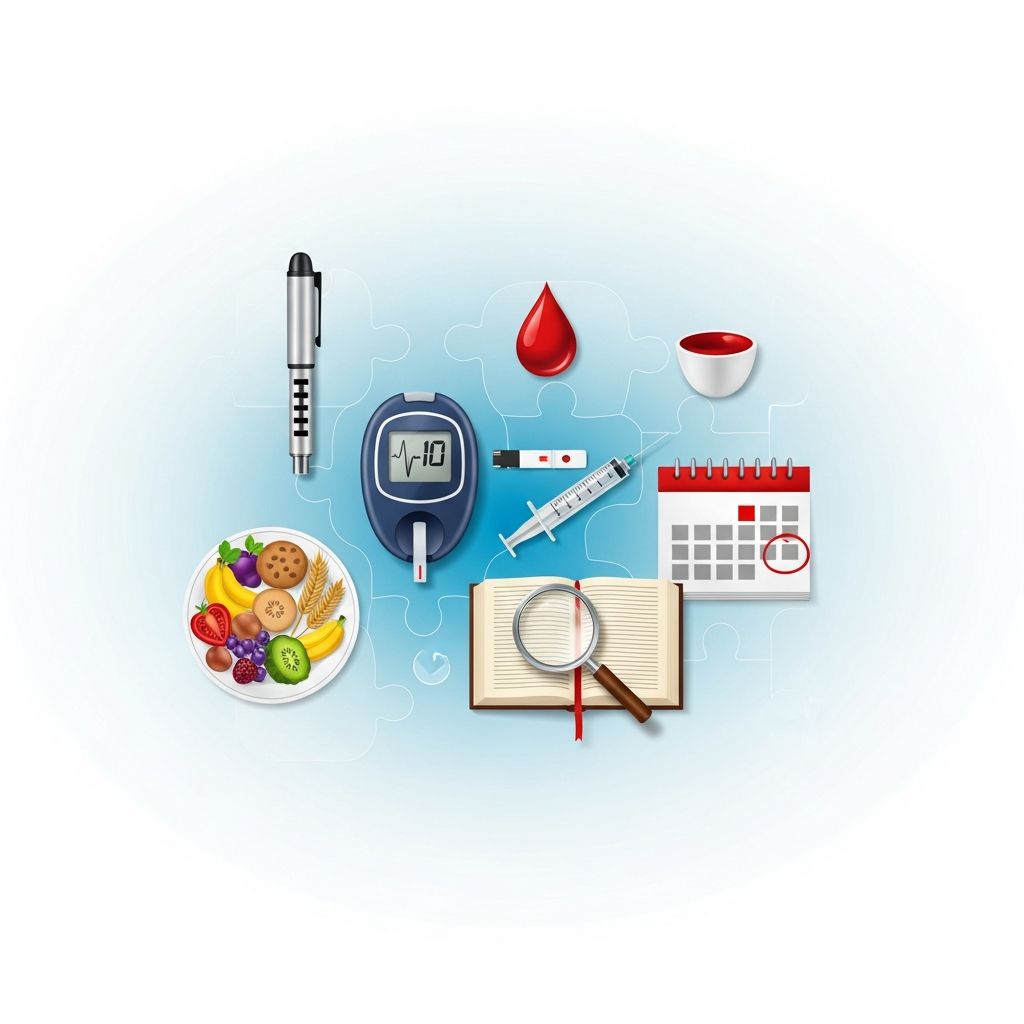
When discussing diabetes with healthcare professionals, unfamiliar terms can feel overwhelming. This guide breaks down essential diabetes jargon into clear explanations, covering blood sugar states, treatments, complications, and monitoring tools to help you manage your condition confidently.
Hyperglycaemia
**Hyperglycaemia** refers to a state of high blood sugar (high blood glucose), a hallmark of diabetes if unmanaged. It occurs when the body lacks sufficient insulin or cannot use it effectively, leading to elevated glucose levels in the bloodstream. Persistent hyperglycaemia damages blood vessels, nerves, and organs over time, contributing to complications like heart disease and kidney failure.
Symptoms include frequent urination, excessive thirst, blurred vision, and fatigue. Management involves lifestyle changes, medications, or insulin to lower glucose levels. Regular monitoring helps prevent long-term issues.
Hypoglycaemia
**Hypoglycaemia** is a potentially dangerous state of low blood sugar (low blood glucose), often a side-effect of diabetes treatments like insulin or sulfonylureas. Blood glucose below 4 mmol/L can cause shakiness, sweating, confusion, seizures, or unconsciousness if untreated.
Common triggers include skipped meals, excessive exercise, or too much insulin. Immediate treatment uses quick-acting carbohydrates like glucose tablets, sugary drinks, or sweets. Severe cases may require glucagon injections or emergency care. People without diabetes rarely experience hypos, but those on insulin must be vigilant.
Basal Bolus
**Basal bolus** is an injectable insulin regime mimicking natural insulin production.
Basal insulins
(e.g., long-acting types like glargine or detemir) provide steady background coverage for 12-24 hours, once or twice daily.Bolus doses
use rapid-acting insulins (e.g., aspart or lispro) before meals to cover food intake and correct highs.This flexible approach suits type 1 diabetes and some type 2 cases, allowing better control via carb counting. Insulin pens or pumps deliver precise doses.
Blood Glucose Meter
A
blood glucose meter
(glucometer) uses test strips to estimate blood sugar levels from a finger-prick sample. Results in mmol/L guide insulin dosing, meals, and activity. Modern meters offer app connectivity for tracking trends.Testing frequency varies: multiple times daily for insulin users, less for others. Accuracy depends on proper technique and strip storage.
BM
**BM** is an outdated abbreviation for ‘blood monitoring’ from paper strip tests estimating sugar levels. Though replaced by meters, some still refer to readings as ‘BMs’ or ‘blood sugar’ interchangeably.
Blood Sugar Level
**Blood sugar level** measures glucose content in mmol/L, crucial for diagnosis (e.g., ≥11 mmol/L random for diabetes) and monitoring. Targets vary: 4-7 mmol/L fasting, <8.5 mmol/L post-meal for most adults.
Blood Sugar Targets
**Blood sugar targets** are personalized ranges agreed with your doctor, e.g., 4-7 mmol/L before meals, <9 mmol/L after, to minimize complications while avoiding hypos. Factors include age, pregnancy, and comorbidities.
Carbohydrate ‘Carb’ Counting
**Carb counting** tracks food carbohydrate intake to predict insulin needs, empowering precise management. One gram of carb raises blood glucose by ~3-5 mmol/L in adults; apps and labels aid calculation.
Benefits include flexible eating and stable levels. Education from dietitians is key for accuracy.
Diabetic Ketoacidosis (DKA)
**Diabetic ketoacidosis (DKA)** is a life-threatening type 1 complication (rare in type 2) from insulin deficiency. The body breaks down fat, producing toxic
ketones
, acidifying blood and disrupting pH. Symptoms: nausea, rapid breathing, fruity breath, confusion.Related Stories



Hospital treatment includes IV fluids, insulin, and electrolytes. Prevention: adequate insulin, illness management.
Diabetic Nephropathy
**Diabetic nephropathy** is kidney damage from prolonged high blood sugar, leading to protein in urine (albuminuria), reduced function, and potential dialysis. Early screening via urine tests and blood pressure control prevents progression.
Diabetic Neuropathy
**Diabetic neuropathy** encompasses nerve damage from chronic hyperglycaemia, causing pain, tingling, or numbness, especially in extremities. Severe cases risk foot ulcers and amputations. Management: glucose control, pain relief, foot care.
Diabetic Retinopathy
**Diabetic retinopathy** damages eye blood vessels from high sugar, risking vision loss via leakage, swelling (maculopathy), or abnormal growth. Annual screening detects changes early; laser or injections treat.
Diabetologist/Endocrinologist
A
diabetologist
orendocrinologist
specializes in diabetes and hormonal disorders, overseeing complex cases, adjusting therapies, and coordinating care.Glucose
**Glucose**, the body’s primary energy sugar, is measured via meters using test strips. Sources: carbs broken down in digestion.
HbA1c
**HbA1c** (glycated haemoglobin) blood test reflects average blood glucose over 2-3 months. <48 mmol/mol (6.5%) indicates good control; used for diagnosis and review.
| HbA1c (mmol/mol) | % Equivalent | Interpretation |
|---|---|---|
| <48 | <6.5 | Good control |
| 48-53 | 6.5-7.0 | Adequate |
| >53 | >7.0 | Poor; review needed |
Impaired Glucose Tolerance/Pre-diabetes
**Impaired glucose tolerance** or
pre-diabetes
features elevated blood sugar below type 2 diabetes threshold (e.g., 7.8-11.0 mmol/L 2-hour OGTT), raising future diabetes risk. Lifestyle intervention can reverse it.Insulin
**Insulin**, a pancreatic hormone, enables glucose uptake into cells. Deficiency causes type 1 diabetes; resistance typifies type 2.
Insulin Pen
An
insulin pen
delivers variable doses precisely, in strengths like U100/U200. Prefilled or reusable, it’s portable and user-friendly.Insulin Pump
An
insulin pump
provides continuous subcutaneous insulin via a cannula, with basal rates and meal boluses programmed. Suits variable lifestyles; reduces hypos.Ketosis
**Ketosis** builds ketones from fat breakdown during insulin shortage, common in type 1 illness or under-dosing. Urine/blood tests detect; treat cause promptly.
Ketotic Coma (Diabetic Coma)
**Ketotic coma** results from severe ketosis toxicity causing unconsciousness and potential death without urgent insulin/fluids.
Pancreas
The
pancreas
produces insulin in beta cells and glucagon in alpha cells, regulating glucose.Peripheral Neuropathy
**Peripheral neuropathy** affects extremities’ nerves from sustained high glucose, causing progressive pain/loss of sensation. Daily foot checks prevent ulcers.
Rapid-Acting Insulin
**Rapid-acting insulin** (e.g., Humalog) spikes quickly post-meal, mimicking natural response for bolus dosing.
Type 1 Diabetes
**Type 1 diabetes** stems from autoimmune beta-cell destruction, causing absolute insulin deficiency. Onset often childhood; lifelong insulin required.
Type 2 Diabetes
**Type 2 diabetes** involves insulin resistance and gradual beta-cell failure from prolonged hyperglycaemia. Lifestyle, tablets, then insulin manage it; linked to obesity/age.
Quick-Acting Carbohydrate
**Quick-acting carbohydrates** (15g portions: juice, tablets, sweets) rapidly raise low blood sugar. Follow with complex carbs to sustain levels.
Frequently Asked Questions (FAQs)
What is the difference between type 1 and type 2 diabetes?
Type 1 is autoimmune insulin deficiency; type 2 is resistance with relative deficiency. Both cause hyperglycaemia but differ in treatment onset.
How do I treat a hypo?
Consume 15g quick carbs (glucose tabs/juice), recheck in 15 mins, repeat if needed. Severe: glucagon/ambulance.
What does HbA1c tell me?
Average glucose over 3 months; target <48 mmol/mol for most.
Can non-diabetics get hypos?
Rarely, from medications/alcohol; mainly diabetes treatments cause it.
Why carb count?
Matches insulin to intake for stable levels and flexibility.
References
- Understanding diabetes jargon — Patient.info. 2023. https://patient.info/features/diabetes/understanding-diabetes-jargon
- Diabetes Mellitus: Causes, Symptoms, and Treatment — Patient.info. 2024-01-02. https://patient.info/doctor/endocrine-disorders/diabetes-mellitus-pro
- What is diabetes? — Diabetes UK. 2024. https://www.diabetes.org.uk/about-diabetes
Similar Articles








Read full bio of Sneha Tete