Understanding Diabulimia: Causes, Symptoms, and Treatment
Learn about diabulimia, a serious eating disorder affecting type 1 diabetes patients.
What is Diabulimia?
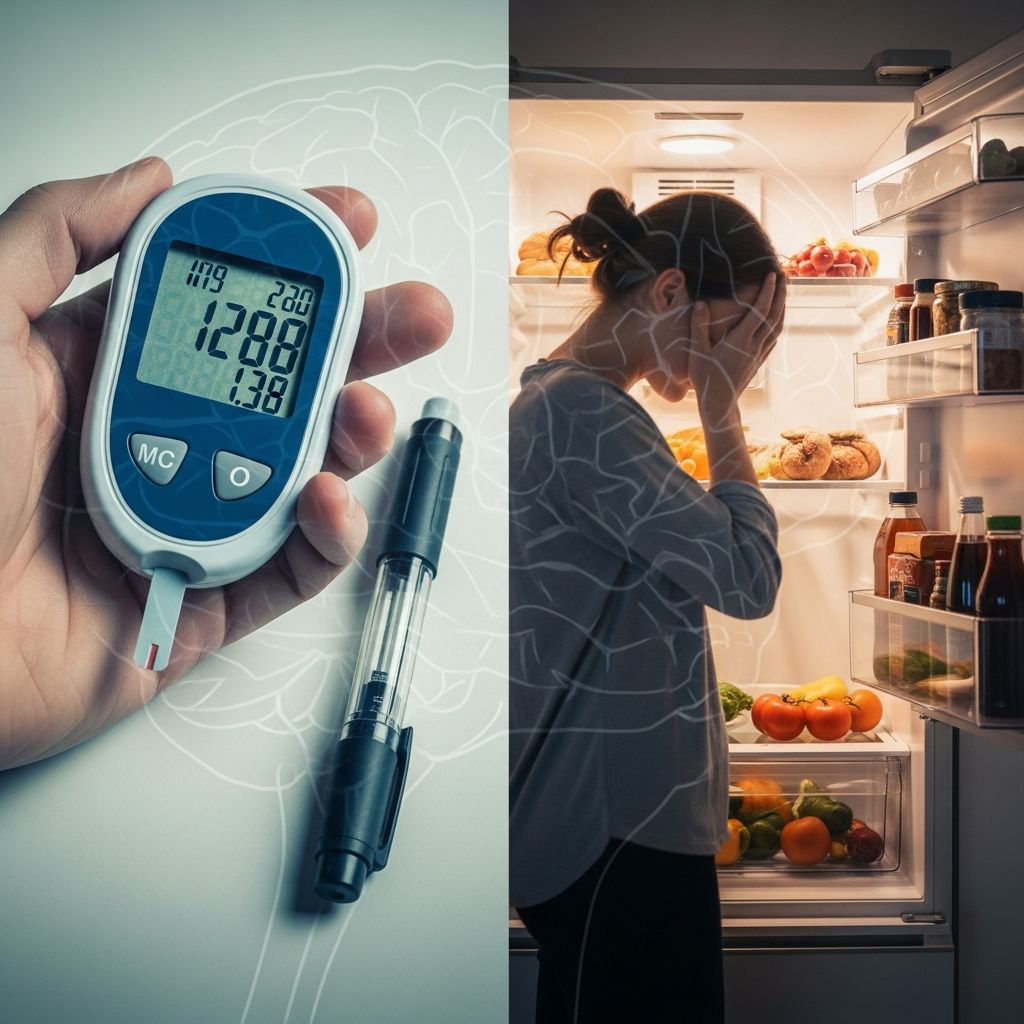
Diabulimia is a serious and potentially life-threatening eating disorder that affects individuals with type 1 diabetes. Also known clinically as ED-DMT1 (eating disorder with type 1 diabetes mellitus) or T1ED (type 1 eating disorder) in the United Kingdom, diabulimia involves the intentional manipulation or restriction of insulin dosage for the purpose of weight loss or weight control. This condition represents a dangerous combination of an eating disorder and diabetes management, creating unique health risks that distinguish it from other eating disorders.
The term “diabulimia” describes a range of disordered eating behaviors in people with type 1 diabetes. While some individuals may occasionally omit insulin doses, others engage in more chronic and severe patterns of insulin restriction, sometimes accompanied by binge eating or severe food restriction. Unlike other eating disorders that affect the general population, diabulimia is specific to those managing type 1 diabetes, making it a unique dual diagnosis requiring specialized understanding and treatment.
Types and Patterns of Diabulimia
Diabulimia can manifest in several distinct patterns, each presenting its own challenges and health consequences. Understanding these variations helps identify the condition more effectively in individuals who may be struggling.
- Binge-and-restrict pattern: Some individuals engage in binge eating while simultaneously restricting their insulin intake, similar to bulimia behaviors but using insulin restriction as the primary “purging” mechanism.
- Restrictive pattern: Others may significantly restrict both food intake and insulin dosage, resembling anorexia nervosa but with the added component of insulin manipulation.
- General restriction pattern: A broader category exists where individuals restrict insulin regardless of their food consumption amount.
- Occasional versus chronic: While some people occasionally omit insulin doses, others develop chronic patterns of severe insulin restriction that become habitual behaviors.
Warning Signs and Early Indicators
Recognizing the warning signs of diabulimia is crucial for early intervention and treatment. Both physical and behavioral indicators can help identify someone struggling with this condition.
Physical Warning Signs
- Significant and unexplained weight loss or weight fluctuations
- Constant or excessive fatigue and weakness
- Frequent episodes of diabetic ketoacidosis (DKA)
- Persistently high blood glucose levels, often unexplained
- Increased thirst (polydipsia) and frequent urination (polyuria)
- Blurred vision or other vision changes
- Frequent infections, including urinary tract infections, yeast infections, or skin infections
- Rapid or irregular heartbeat
- Nausea or vomiting
- Dry skin or brittle hair
Behavioral and Emotional Warning Signs
- Obsessive preoccupation with weight loss, dieting, or calorie counting
- Secretive or unusual behaviors around insulin administration
- Body image concerns and distorted body image perception
- Intense fear of weight gain
- Obsessive reading of food labels
- Social isolation and withdrawal from daily activities
- Avoidance of medical appointments or healthcare providers
- Guilt, shame, anxiety, and depression
- Falsified blood sugar records or inconsistent diabetes management
Symptoms of Diabulimia
The symptoms of diabulimia progress through different timeframes, from immediate short-term effects to serious long-term complications. Understanding this progression helps recognize the severity of the condition at different stages.
Short-Term Symptoms
When diabulimia first develops or during acute episodes, individuals typically experience:
Related Stories



- Frequent and excessive urination and thirst
- Excessive hunger (polyphagia)
- High blood glucose levels, often exceeding 600 mg/dL or 33 mmol/L
- Extreme weakness and fatigue
- Inability to concentrate or focus
- Large amounts of glucose in urine (glycosuria)
- Electrolyte disturbances
- Severe ketonuria (ketones in urine)
Medium-Term Symptoms
As diabulimia persists without treatment, additional complications emerge, including all short-term symptoms plus:
- Muscle atrophy (loss of muscle tissue)
- Severe weight loss
- Gastroesophageal reflux disease (GERD) and indigestion
- Moderate to severe dehydration
- High cholesterol levels
- Hemoglobin A1c levels of 9.0 or higher
- Protein in urine (proteinuria)
- Delayed puberty in young people
- Menstrual irregularities or cessation (amenorrhea)
Long-Term Complications
Without proper treatment, diabulimia can result in severe, often irreversible damage to multiple organ systems:
- Severe kidney damage potentially requiring kidney transplantation
- Retinal damage and vision problems, including blindness (retinopathy)
- Severe nerve damage in hands and feet (peripheral neuropathy)
- Heart disease and cardiovascular complications
- Stroke
- Osteoporosis and weakened bones
- Gastroparesis (delayed stomach emptying)
- Death
Causes and Risk Factors
Diabulimia develops through a complex interplay of psychological, social, and biological factors. Understanding these causes helps explain why individuals with type 1 diabetes may develop this disorder.
Psychological Factors
- Distorted body image and intense dissatisfaction with appearance
- Extreme fear of weight gain
- History of eating disorders or disordered eating patterns
- Co-occurring mental health conditions such as depression and anxiety
- Low self-esteem and perfectionism
Diabetes-Specific Factors
- Weight gain associated with insulin injections, creating motivation for insulin restriction
- The demanding nature of diabetes management contributing to psychological stress
- Discovery that insulin restriction leads to weight loss
- Difficulty accepting the diabetes diagnosis
Social and Environmental Factors
- Societal pressure and cultural emphasis on thinness
- Influence from peers or media promoting unrealistic body standards
- Family history of eating disorders or diabetes
- Social isolation and lack of supportive relationships
Medical Complications and Effects
The medical consequences of diabulimia are severe and can be life-threatening. Chronic insulin restriction causes dangerous physiological changes throughout the body.
Acute Complications
Diabetic ketoacidosis (DKA) is one of the most dangerous acute complications of diabulimia. When insulin is restricted, the body cannot properly regulate blood glucose. Excess ketones accumulate in the bloodstream, making it dangerously acidic. DKA causes severe dehydration, confusion, fruity-smelling breath, nausea, and respiratory distress, and can result in critical damage to the liver and kidneys or even death.
Effects on Body Systems
| Body System | Potential Complications |
|---|---|
| Immune System | Reduced function, frequent bacterial and yeast infections |
| Cardiovascular | Irregular heart rate, heart disease, increased stroke risk |
| Renal System | Kidney disease, kidney failure, need for transplantation |
| Hepatic System | Liver damage, particularly during DKA episodes |
| Endocrine/Reproductive | Menstrual irregularities, delayed puberty, infertility risk |
| Nervous System | Peripheral neuropathy, pain, tingling, numbness |
| Visual System | Retinal damage, vision impairment, blindness |
| Musculoskeletal | Muscle tissue loss, osteoporosis, weakened bones |
Emotional and Psychological Characteristics
Beyond the physical symptoms, individuals with diabulimia experience significant emotional and psychological distress. These psychological features are integral to the disorder and must be addressed in treatment.
People with diabulimia are often preoccupied with weight and may act secretively regarding their insulin use. Emotionally, they frequently experience intense fear of weight gain, guilt about their behaviors, shame, anxiety, and depression. Many suffer from a distorted body image, viewing themselves as overweight even when significantly underweight. Social isolation is common, as individuals withdraw from friends and family to hide their disordered behaviors. This isolation, combined with the physical effects of the condition, often impairs daily functioning and negatively impacts academic and work performance.
Treatment Approaches
Effective treatment for diabulimia requires a comprehensive, multidisciplinary approach addressing both the eating disorder and diabetes management. Treatment typically involves collaboration between mental health professionals, physicians, and diabetes specialists.
Professional Care Team
- Psychiatrist or psychologist: To address the underlying eating disorder, body image issues, and co-occurring mental health conditions
- Registered Dietitian: Specializing in both eating disorders and diabetes management to develop appropriate nutrition plans
- Endocrinologist: To manage diabetes and monitor blood glucose control and complications
- Primary Care Physician: To monitor overall health and screen for organ damage
Therapeutic Interventions
- Cognitive behavioral therapy (CBT) to address distorted thoughts about weight and body image
- Dialectical behavior therapy (DBT) for emotion regulation and coping strategies
- Family-based therapy, particularly for adolescents
- Medical nutrition therapy tailored to diabetes and eating disorder needs
- Insulin education and diabetes management support
- Regular medical monitoring and laboratory testing
Screening and Identification
Healthcare providers should screen for diabulimia in individuals with type 1 diabetes who present with multiple hospitalizations for DKA or hyperglycemia. Screening should include assessment of eating behaviors, body image concerns, mental health symptoms, and insulin adherence patterns. Honest communication between patients and healthcare providers is essential for identifying and treating this condition early.
Frequently Asked Questions
Q: Who is at risk for developing diabulimia?
A: While diabulimia can affect individuals of all ages, races, and genders, it most commonly affects adolescents and young adults with type 1 diabetes, particularly those with a personal or family history of eating disorders. Those experiencing body image dissatisfaction or weight gain after starting insulin therapy are at higher risk.
Q: How is diabulimia different from other eating disorders?
A: Diabulimia is unique because it specifically affects people with type 1 diabetes and involves insulin manipulation as the purging mechanism. This creates distinct physiological consequences related to blood glucose regulation that other eating disorders do not produce.
Q: Can diabulimia be cured?
A: With proper, comprehensive treatment addressing both the eating disorder and diabetes management, individuals can achieve recovery and establish healthy relationships with food, insulin, and their bodies. Early intervention generally leads to better outcomes.
Q: What should I do if I suspect someone has diabulimia?
A: Approach them with compassion and concern, encourage them to speak with their healthcare provider or diabetes care team, and offer support throughout their treatment process. Professional help from specialized eating disorder and diabetes professionals is essential.
Q: Are the complications of diabulimia reversible?
A: While some short-term effects may resolve with proper treatment, many complications including kidney damage, nerve damage, and vision problems can be irreversible. This underscores the importance of early diagnosis and intervention.
Q: How does insulin restriction lead to weight loss in diabulimia?
A: Without sufficient insulin, the body cannot properly utilize glucose for energy. This leads to rapid breakdown of muscle and fat tissue, resulting in significant weight loss. However, this weight loss comes at the cost of severe medical damage.
References
- Diabulimia: Warning Signs, Symptoms, Causes, and Treatment — The Recovery Village. Accessed January 2026. https://www.therecoveryvillage.com/mental-health/diabulimia/
- Diabulimia — Wikipedia. Accessed January 2026. https://en.wikipedia.org/wiki/Diabulimia
- Diabulimia, a Type I diabetes mellitus-specific eating disorder — National Institutes of Health (NIH). Accessed January 2026. https://pmc.ncbi.nlm.nih.gov/articles/PMC5396822/
- What is Diabulimia? Signs, Symptoms & Treatments — Renfrew Center. Accessed January 2026. https://renfrewcenter.com/services/diabulimia/
- Diabulimia Symptoms & Treatment — Eating Recovery Center. Accessed January 2026. https://www.eatingrecoverycenter.com/conditions/diabulimia
- What is Diabulimia? — National Alliance for Eating Disorders. Accessed January 2026. https://www.allianceforeatingdisorders.com/what-is-diabulimia/
Similar Articles








Read full bio of medha deb