Understanding Different Types of Brain Attack
Learn about ischemic and hemorrhagic strokes: causes, symptoms, and emergency response.
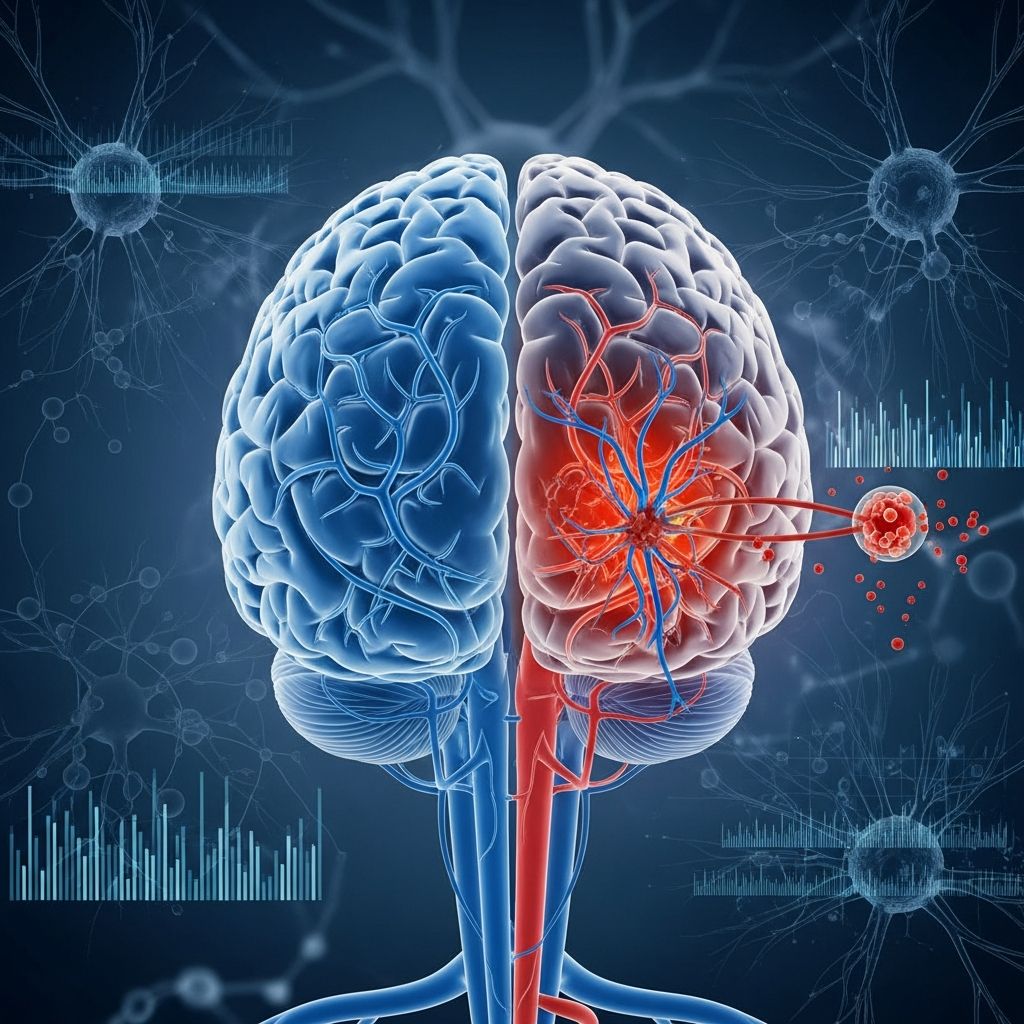
A brain attack, commonly known as a stroke, occurs when blood supply to the brain is suddenly blocked, depriving brain cells of oxygen and nutrients. This is a medical emergency that can result in permanent brain damage or death if not treated promptly. The term “brain attack” emphasizes the urgency and sudden nature of this condition, similar to a heart attack. According to medical professionals, stroke is the second leading cause of death worldwide, and understanding its different types is crucial for recognition and immediate intervention.
What Happens During a Stroke
During a stroke, brain cells begin to die when they are deprived of oxygen. This process can occur in minutes, making immediate medical attention essential. The brain is particularly vulnerable to ischemic insult due to its high metabolic activity and large concentrations of glutamate, a neurotransmitter that can become toxic during oxygen deprivation. When blood flow is interrupted, a cascade of harmful cellular events begins, including the accumulation of excess calcium, generation of damaging free radicals, and the release of toxic substances that damage nerve cells.
Types of Brain Attacks
There are two primary types of strokes, each requiring different treatment approaches and carrying distinct risks and consequences.
Ischemic Stroke
Ischemic strokes account for approximately 87% of all strokes and occur when a blood clot or blockage obstructs blood flow to the brain. This blockage can develop in two ways: through thrombosis (a clot forming directly in a cerebral blood vessel) or through embolism (a clot traveling from another part of the body, often the heart or atherosclerotic plaques in the carotid artery). The most common sources of emboli include the heart in patients with atrial fibrillation or other heart conditions, and atherosclerotic plaques in large arteries like the carotid artery and aortic arch.
During an ischemic stroke, the area of the brain supplied by the blocked artery receives insufficient blood flow, leading to a region of damaged tissue called an infarction. The severity and extent of damage depend on the location of the blockage, the size of the affected blood vessel, and how quickly blood flow is restored. Treatment focuses on dissolving the clot using thrombolytic medications, with alteplase being the most commonly used drug for this purpose.
Hemorrhagic Stroke
Hemorrhagic strokes occur when a blood vessel in the brain ruptures, causing bleeding into the brain tissue or surrounding areas. This type of stroke accounts for approximately 13% of all strokes but is often more severe, with higher mortality rates. Hemorrhagic strokes can result from high blood pressure, aneurysms, arteriovenous malformations, or bleeding disorders. The bleeding itself causes damage to brain tissue, and the accumulation of blood can increase intracranial pressure, further damaging surrounding brain cells. Treatment focuses on controlling the bleeding and managing intracranial pressure rather than dissolving clots.
Risk Factors and Causes of Stroke
Multiple factors contribute to stroke risk, ranging from clearly established causal factors to probable contributors. Understanding these risk factors enables individuals to take preventive measures and healthcare providers to identify high-risk patients.
Major Causal Risk Factors
Several conditions have strong causal relationships with stroke risk. Hypertension, or high blood pressure, stands as one of the most significant modifiable risk factors, as it damages blood vessel walls and promotes atherosclerosis. Carotid stenosis, a narrowing of the carotid arteries caused by atherosclerotic plaque buildup, significantly increases stroke risk through embolic mechanisms. Atrial fibrillation, an irregular heart rhythm, creates conditions favorable for blood clot formation within the heart chambers, which can then travel to the brain. Ischemic cardiomyopathy and other cardiac conditions that weaken the heart’s pumping ability also substantially increase stroke risk.
Related Stories



Probable Contributing Factors
Beyond the major causal factors, several conditions have probable associations with increased stroke risk. These include hyperhomocysteinemia, an elevated level of the amino acid homocysteine in the blood; patent foramen ovale, a heart defect that allows blood clots to bypass the lungs; and obstructive sleep apnea, which causes repeated oxygen deprivation. Additionally, elevated body mass index and obesity contribute to stroke risk through various mechanisms, including increased blood pressure, inflammation, and metabolic dysfunction.
Recognizing Stroke Symptoms
Rapid recognition of stroke symptoms is critical, as treatment effectiveness often depends on how quickly medical intervention begins. The acronym FAST helps identify common stroke symptoms:
- Face: Drooping on one side, uneven smile, or facial weakness
- Arm: Weakness or numbness in one arm, difficulty raising arm
- Speech: Difficulty speaking, slurred speech, or difficulty understanding speech
- Time: Note the time symptoms began and call emergency services immediately
Additional symptoms may include sudden vision problems, lack of coordination, difficulty with balance, severe headache, and confusion or difficulty understanding. Notably, strokes can occur outside the brain, presenting unusual symptoms. A stroke in the eye, known as central retinal artery occlusion (CRAO), typically causes sudden, painless loss of vision in one eye. Strokes in the spinal cord can present with back pain, aching legs, incontinence, paralysis, weakness, and loss of pain sensation or temperature perception.
The Window for Treatment
The “golden window” for stroke treatment is typically within 4.5 hours of symptom onset. For ischemic strokes, thrombolytic therapy with alteplase (a clot-dissolving medication) can restore blood flow and minimize brain damage if administered within this timeframe. Research demonstrates that patients with central retinal artery occlusion treated with alteplase within 4.5 hours may achieve as much as a 50% recovery rate. For hemorrhagic strokes, rapid hospitalization is necessary to manage bleeding and control intracranial pressure.
Mechanisms of Brain Damage During Stroke
The brain undergoes complex molecular and cellular changes during ischemia. Beyond the immediate deprivation of oxygen and glucose, several damaging processes occur. Excess calcium accumulation damages cellular structures, and the generation of reactive oxygen species (free radicals) causes oxidative stress and cellular injury. The brain’s limited antioxidant defenses make it particularly vulnerable to this radical-mediated damage.
At the tissue level, high concentrations of extracellular glutamate trigger cortical spreading depolarization, a high-energy consuming phenomenon characterized by massive depolarization of neurons and astrocytes and drastic disruption of ionic gradients. This wave of depolarization propagates across the brain tissue, expanding the area of damage. Additionally, inflammatory responses involving cytokine production and leukocyte infiltration contribute to secondary brain damage hours to days after the initial stroke.
Long-Term Effects and Complications
Stroke can have lasting effects on brain function and overall health. A single strategic stroke can cause dementia by damaging brain regions critical for cognition, while multiple strokes can cause stepwise cognitive deterioration through cumulative brain damage known as multi-infarct dementia. Most vascular cognitive impairment results from small white matter lesions called leukoaraiosis that interrupt neural pathways involved in cognition. Notably, Alzheimer’s disease and cerebrovascular diseases coexist in up to 60% of cases, complicating diagnosis and treatment.
Stroke Prevention Through Lifestyle Modification
Physical activity significantly reduces stroke risk. Research demonstrates that men engaging in higher levels of physical activity have lower stroke incidence rates compared to sedentary individuals. Specific activities including walking, stair climbing, and recreational sports each contribute to stroke risk reduction. Regular physical activity helps control blood pressure, maintains healthy weight, improves cholesterol levels, and enhances cardiovascular function.
Special Considerations: Strokes Outside the Brain
While most strokes occur in the brain, they can affect other critical structures. Central retinal artery occlusion, though not fatal, can result in permanent vision loss if untreated. Importantly, CRAO serves as a strong predictor of future heart attacks, strokes, or death, making immediate screening for cardiovascular risk factors essential. Spinal strokes are rare but dangerous conditions that may result from blood clots in arteries supplying the spine or occur during medical procedures when blood pressure drops significantly.
Emergency Response and Treatment
Upon suspicion of stroke, immediate emergency medical attention is essential. Hospital evaluation typically includes imaging studies to determine stroke type, blood tests, and cardiac assessment. For ischemic strokes, thrombolytic therapy or mechanical thrombectomy may be employed to restore blood flow. For hemorrhagic strokes, treatment focuses on controlling bleeding, managing blood pressure, and reducing intracranial pressure. Rehabilitation services, including physical therapy, speech therapy, and occupational therapy, support recovery and adaptation following stroke.
Frequently Asked Questions
Q: How much time do I have to get to the emergency room after a stroke?
A: The critical window for stroke treatment is typically within 4.5 hours of symptom onset, though some newer interventions may extend this window. Every minute counts, so call emergency services immediately if you suspect a stroke.
Q: Can a stroke occur outside the brain?
A: Yes, strokes can occur in the eye (causing sudden vision loss) or in the spinal cord (causing back pain, leg weakness, and incontinence). These are rare but serious and require immediate medical attention.
Q: What is the difference between a stroke and a TIA?
A: A transient ischemic attack (TIA) or “mini-stroke” has the same symptoms as a stroke but resolves completely within 24 hours. However, a TIA is a warning sign of future stroke risk and requires immediate medical evaluation.
Q: Can lifestyle changes reduce stroke risk?
A: Yes, regular physical activity, maintaining healthy weight, controlling blood pressure and cholesterol, managing diabetes, avoiding smoking, and limiting alcohol consumption significantly reduce stroke risk.
Q: What should I do if I suspect someone is having a stroke?
A: Call emergency services immediately. Note the time symptoms began, note any facial drooping, arm weakness, or speech difficulty, and keep the person calm while waiting for medical professionals.
References
- The Science of Stroke: Mechanisms in Search of Treatments — National Center for Biotechnology Information (NCBI). 2010-10-15. https://pmc.ncbi.nlm.nih.gov/articles/PMC2957363/
- The Brain Isn’t the Only Place a Stroke Can Occur — American Heart Association. 2023-05-22. https://www.heart.org/en/news/2023/05/22/the-brain-isnt-the-only-place-a-stroke-can-occur
- Physical Activity and Stroke Incidence: The Harvard Alumni Health Study — American Heart Association Journal. 1999-10-01. https://www.ahajournals.org/doi/abs/10.1161/01.STR.29.10.2049
- Hypertension, Ischemic Stroke and Transient Ischemic Attack — Springer Publishing. 2024-01-15. https://doi.org/10.1007/978-3-031-64928-8_9
- Stroke (Brain Attack): Information and Resources — Brigham and Women’s Hospital Health Library. 2024-06-10. https://healthlibrary.brighamandwomens.org/library/Wellness/InjuriesEmergencies/85,P00249
- Stroke Overview and Management — American Brain Foundation. 2024-05-20. https://www.americanbrainfoundation.org/diseases/stroke/
Similar Articles








Read full bio of medha deb