Understanding Digestive Disorders: Prevention and Wellness
Comprehensive guide to digestive health: Recognize symptoms, understand conditions, and maintain wellness.
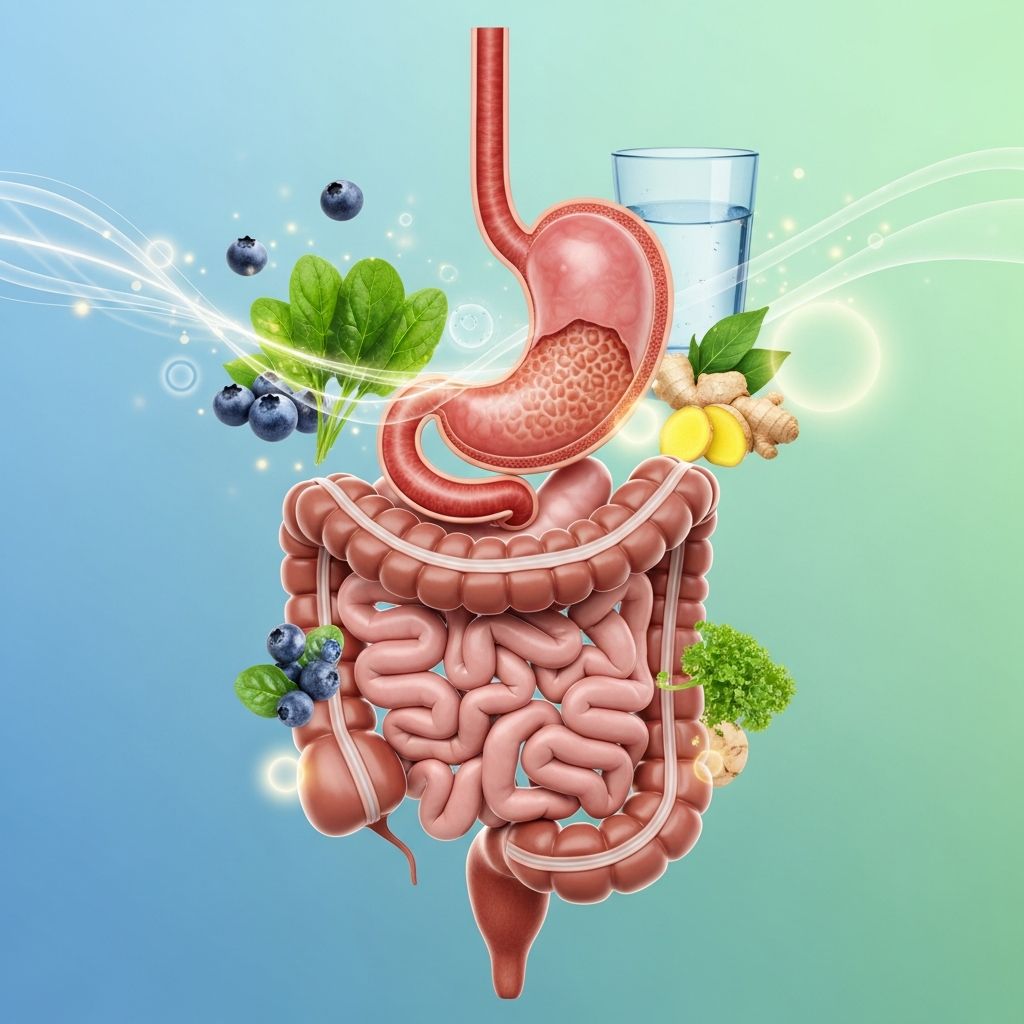
Understanding Digestive Disorders: A Comprehensive Wellness Guide
The digestive system plays a vital role in maintaining overall health by breaking down food, absorbing nutrients, and eliminating waste. When digestive disorders occur, they can significantly impact quality of life and daily functioning. Understanding these conditions, recognizing their symptoms, and implementing preventive measures are essential steps toward maintaining optimal digestive wellness. This comprehensive guide explores the most common digestive disorders, their symptoms, diagnostic approaches, and practical prevention strategies.
What Are Digestive Disorders?
Digestive disorders, also known as gastrointestinal (GI) disorders, encompass a wide range of conditions affecting the digestive system, including the esophagus, stomach, small intestine, large intestine, liver, pancreas, and gallbladder. These disorders can vary significantly in severity and duration. Some digestive conditions are acute, developing suddenly and lasting for a short period, while others are chronic, persisting over months or years and requiring ongoing management. Common digestive disorders range from occasional heartburn and constipation to more serious conditions like inflammatory bowel disease and liver dysfunction.
Common Types of Digestive Disorders
Gastroesophageal Reflux Disease (GERD)
GERD is one of the most prevalent digestive disorders, affecting millions of people worldwide. It occurs when stomach acid frequently flows back into the esophagus, causing irritation and discomfort. Symptoms include chronic heartburn, regurgitation, chest pain, and difficulty swallowing. Many individuals experience occasional acid indigestion that can be managed with lifestyle modifications and over-the-counter antacids.
Peptic Ulcers
Peptic ulcers are open sores that develop in the lining of the stomach or small intestine. They can result from Helicobacter pylori bacterial infections or prolonged use of nonsteroidal anti-inflammatory drugs (NSAIDs). Symptoms include abdominal pain, bloating, heartburn, and in severe cases, gastrointestinal bleeding.
Inflammatory Bowel Disease (IBD)
IBD encompasses chronic inflammatory conditions, including Crohn’s disease and ulcerative colitis. These autoimmune disorders cause inflammation throughout the digestive tract, leading to symptoms such as chronic diarrhea, abdominal pain, weight loss, and rectal bleeding. IBD can significantly impact daily activities and require specialized medical management.
Irritable Bowel Syndrome (IBS)
IBS is a functional disorder affecting the large intestine, characterized by symptoms including abdominal pain, bloating, diarrhea, and constipation. Unlike IBD, IBS does not cause inflammation or damage to the digestive tract. It is one of the most common digestive disorders, particularly affecting adults.
Celiac Disease
Celiac disease is an autoimmune disorder triggered by consuming gluten, a protein found in wheat, barley, and rye. The immune response damages the small intestine lining, preventing nutrient absorption. Symptoms include digestive issues, fatigue, dermatitis, and in children, failure to thrive.
Liver Disease and Cirrhosis
Liver disorders affect one of the body’s most vital organs, responsible for detoxification, nutrient processing, and bile production. Chronic liver disease and cirrhosis can result from prolonged alcohol use, viral hepatitis, or fatty liver disease, potentially leading to severe complications affecting overall health.
Chronic Pancreatitis
This condition involves long-term inflammation of the pancreas, often resulting from alcohol abuse, gallstones, or genetic factors. It impairs the pancreas’s ability to produce digestive enzymes and regulate blood sugar, leading to malabsorption and diabetes.
Recognizing Digestive Disorder Symptoms
Symptoms of digestive disorders vary depending on the specific condition, but common warning signs include:
Related Stories



– Persistent heartburn or acid reflux- Abdominal pain or cramping- Chronic diarrhea or constipation- Bloating and gas- Nausea and vomiting- Loss of appetite or unexplained weight loss- Rectal bleeding or blood in stool- Difficulty swallowing- Fatigue and weakness
If symptoms persist for more than two weeks or significantly impact daily functioning, consulting with a healthcare provider is essential for proper evaluation and diagnosis.
Diagnostic Techniques for Digestive Disorders
Modern medicine offers several advanced diagnostic techniques to identify and assess digestive disorders. These include:
Imaging Techniques
Computed Tomography Enterography (CTE) provides detailed examination of the small bowel and helps assess the severity of conditions like Crohn’s disease. Magnetic Resonance Enterography (MRE) offers similar benefits without radiation exposure and can identify strictures, obstructions, fistulas, and abscesses. Magnetic Resonance Cholangiopancreatography (MRCP) is a non-invasive alternative to traditional endoscopic procedures, useful for identifying pancreatic and biliary malignancies, pancreatic cysts, and chronic pancreatitis.
Endoscopic Procedures
Upper GI endoscopy allows direct visualization of the esophagus, stomach, and upper small intestine to identify tumors, infections, and other abnormalities. Colonoscopy examines the large intestine and rectum. Capsule endoscopy uses a swallowable camera to visualize the small bowel. These procedures enable both diagnosis and therapeutic intervention when necessary.
Additional Diagnostic Methods
Defecography uses magnetic resonance imaging to assess patients with chronic constipation, fecal incontinence, or rectal prolapse. Clinical assessments and severity scoring systems help measure disease progression and quality-of-life impact.
Medical Treatments for Digestive Disorders
Antacids and Acid Suppressants
For occasional heartburn, over-the-counter antacids containing basic salts neutralize stomach acid on contact. For persistent symptoms, healthcare providers may prescribe proton pump inhibitors (PPIs) like Nexium, Prevacid, or Prilosec, which reduce acid production by shutting down acid-secreting pumps in stomach cells. PPIs are effective for treating heartburn, ulcers, and excess stomach acid, and evidence suggests they may inhibit Helicobacter pylori bacteria.
Histamine2 Blockers (H2 Blockers)
H2 blockers like Tagamet and Zantac reduce stomach acid production by blocking histamine signals. While they work within an hour, they last approximately 12 hours, compared to PPIs which take longer but provide up to 24 hours of relief.
Promotility Agents
For GERD symptoms related to slow gastric emptying, promotility agents like metoclopramide stimulate muscle contractions in the upper digestive tract, speeding food movement and reducing acid reflux.
Prevention and Lifestyle Modifications
Dietary Strategies
Maintaining digestive wellness begins with informed dietary choices. Eating smaller, more frequent meals reduces stress on the digestive system and helps prevent symptoms. Avoiding trigger foods—particularly spicy, fatty, or acidic foods—can minimize discomfort. Increasing fiber intake gradually supports healthy bowel function, while staying adequately hydrated aids digestion and nutrient absorption.
Behavioral Habits
Remaining upright for at least 30 minutes after eating helps prevent acid reflux. Reducing caffeine and alcohol consumption minimizes stomach irritation, as alcohol can increase side effects of GI medications. Managing stress through relaxation techniques, regular exercise, and adequate sleep supports overall digestive function, as stress directly impacts gut health and can exacerbate symptoms.
Medications and Supplements
Avoiding unnecessary NSAID use reduces ulcer risk. When these medications are necessary, taking them with food or combining them with acid suppressants provides protection. Always inform healthcare providers about all medications and supplements being taken, as certain drugs interact with GI medications.
When to Seek Medical Attention
Consulting a healthcare provider is important when experiencing:
– Persistent heartburn lasting more than two weeks- Severe or worsening abdominal pain- Unexplained weight loss- Blood in stool or vomit- Chronic diarrhea or constipation- Difficulty swallowing- Signs of malnutrition
Early intervention can prevent complications and improve treatment outcomes.
The Multidisciplinary Approach to Digestive Health
Managing digestive disorders effectively often requires collaboration among multiple healthcare professionals. Gastroenterologists specialize in digestive system conditions, while nurse practitioners, physician assistants, nutritionists, and dietitians provide complementary expertise. Primary care doctors coordinate overall care, radiologists perform advanced imaging, and surgeons address conditions requiring surgical intervention. Integrative medicine practitioners may also contribute holistic approaches addressing stress, chronic pain, and autoimmune components of digestive conditions.
Living with Chronic Digestive Conditions
For individuals with chronic digestive disorders like Crohn’s disease, ulcerative colitis, or IBS, developing effective management strategies is crucial. This includes maintaining consistent medication compliance, keeping detailed symptom logs, identifying personal triggers, and maintaining regular follow-up appointments. Many individuals benefit from support groups connecting them with others managing similar conditions, providing practical advice and emotional support.
Frequently Asked Questions
Q: What is the difference between acute and chronic digestive disorders?
A: Acute digestive disorders develop suddenly and typically resolve within a short period, such as food poisoning or temporary gastroenteritis. Chronic digestive disorders persist over months or years, requiring ongoing management and significantly impacting quality of life.
Q: Can digestive disorders be prevented?
A: While some digestive disorders have genetic or autoimmune components beyond prevention, many can be significantly reduced through healthy dietary choices, stress management, limiting alcohol consumption, avoiding unnecessary NSAIDs, and maintaining regular physical activity.
Q: How are digestive disorders diagnosed?
A: Diagnosis involves clinical assessments, patient history, and advanced imaging techniques like CTE, MRE, and MRCP, as well as endoscopic procedures such as colonoscopy and upper GI endoscopy, depending on symptoms and suspected conditions.
Q: Are over-the-counter medications effective for digestive disorders?
A: Over-the-counter antacids effectively treat occasional heartburn and acid indigestion. However, persistent symptoms require prescription medications like PPIs or H2 blockers, which should only be used under healthcare provider guidance.
Q: What should I avoid if I have GERD?
A: People with GERD should limit caffeine, alcohol, spicy and fatty foods, and large meals. Remaining upright after eating and avoiding meals close to bedtime also helps manage symptoms.
Q: Can probiotics help with digestive health?
A: While research on probiotics is ongoing, some evidence suggests they may help certain digestive conditions. However, effectiveness varies among individuals, and probiotics should complement, not replace, prescribed treatments.
Q: How does stress affect digestive health?
A: Stress directly impacts digestive function by affecting muscle contractions, acid production, and beneficial bacteria balance. Managing stress through relaxation techniques, exercise, and adequate sleep supports better digestive wellness.
References
- Techniques for Digestive System Disorders — National Center for Biotechnology Information (NCBI). 2024. https://www.ncbi.nlm.nih.gov/books/NBK593676/
- Gastrointestinal Medications — Johns Hopkins Lupus Center. 2024. https://www.hopkinslupus.org/lupus-treatment/common-medications-conditions/gastrointestinal-medications/
Similar Articles








Read full bio of medha deb