Understanding the Digestive System: Function, Anatomy & Health
Learn how your digestive system breaks down food, absorbs nutrients, and maintains overall health.
What Is the Digestive System?
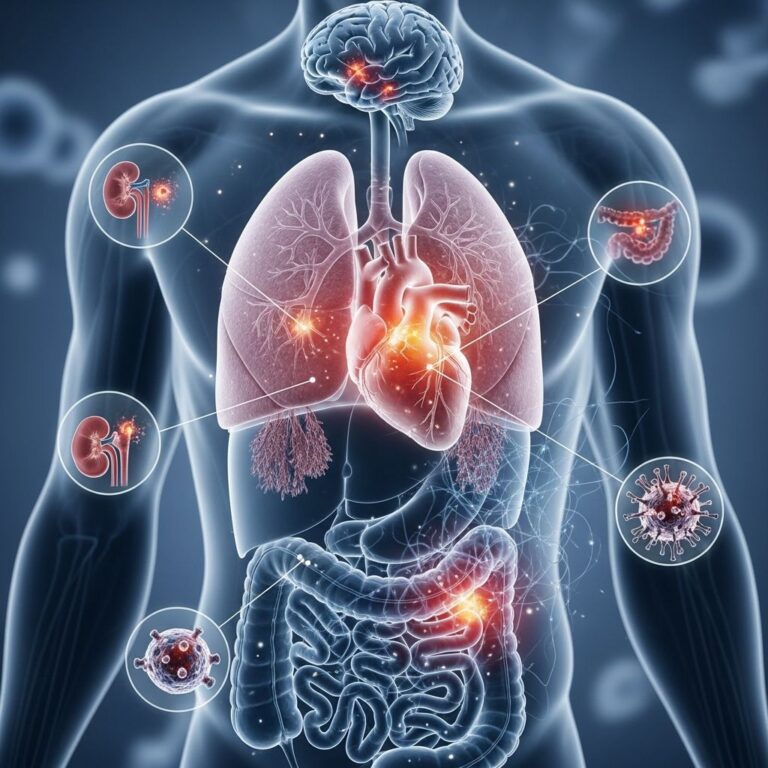
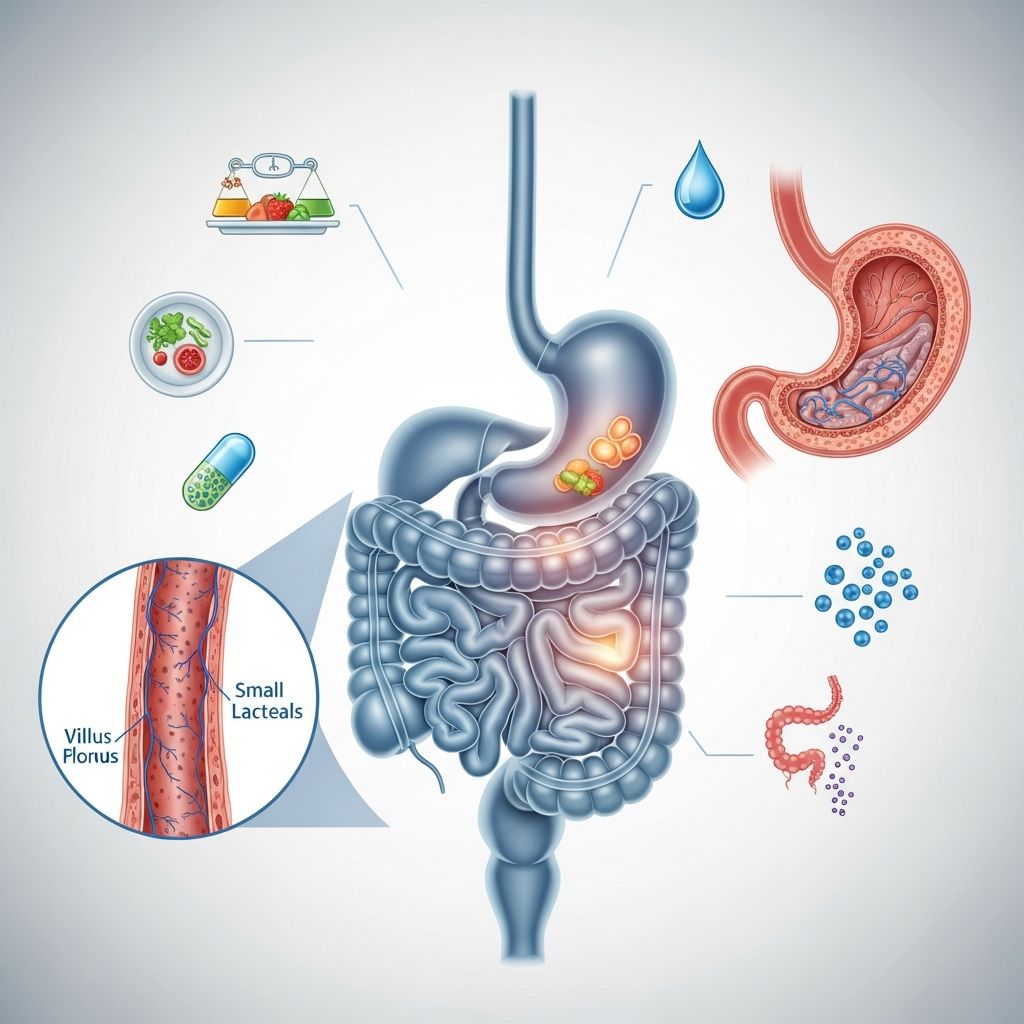
Your digestive system is a sophisticated group of organs working together to break down food and liquids you consume into nutrients your body needs to stay healthy. Every day, your digestive system churns what you eat and drink into essential nutrients required for energy, growth, and cellular repair. The digestive process is complex and involves multiple steps as food travels through various organs. Understanding how your digestive system works can help you maintain its health and recognize when medical attention may be necessary.
The digestive system serves two primary functions: it breaks down and absorbs nutrients from food and liquids, and it manages food waste by converting it into stool (poop) that leaves your body. This intricate process involves coordination between your gastrointestinal tract and biliary tract, along with support from accessory organs like your pancreas and liver.
Main Parts of Your Digestive System
Your digestive system consists of two major components: your gastrointestinal (GI) tract and your biliary tract. Each plays a critical role in breaking down food and delivering essential nutrients to your body.
The Gastrointestinal (GI) Tract
Your GI tract is a long tube that runs from your mouth to your anus. If you could stretch it out, it would measure approximately 30 feet (9 meters). However, it’s much more compact in your body because your intestines—the longest parts of the tract—coil up in your lower abdomen under your stomach. This remarkable organ system includes several distinct sections, each with specialized functions in the digestive process:
- Mouth: Where digestion begins as saliva breaks down food mechanically and chemically
- Esophagus: A muscular tube that transports food from your mouth to your stomach
- Stomach: A J-shaped organ that produces acids and enzymes to further break down food
- Small Intestine: Where most nutrient absorption occurs, divided into three sections: duodenum, jejunum, and ileum
- Large Intestine: Also called the colon, where water and salts are absorbed and waste becomes solid stool
- Rectum and Anus: The final sections where stool is stored and expelled from your body
The Biliary Tract
Located in your upper abdomen, the biliary tract supports digestion by delivering bile and enzymes that help your small intestine break down food. This system includes your liver, gallbladder, and pancreas. These organs work in tandem with your small intestine to ensure efficient digestion and nutrient absorption. The liver produces bile, which is stored in the gallbladder and released into the small intestine to help break down fats. The pancreas provides digestive enzymes and regulates blood sugar levels.
How the Digestive Process Works
Digestion is a multi-step process that transforms food into absorbable nutrients and waste. Understanding each stage helps you appreciate the complexity of your digestive system.
Stage 1: The Mouth
Digestion begins in your mouth, where saliva from your salivary glands begins breaking down food both mechanically through chewing and chemically through enzymes. This initial process prepares food for its journey through your esophagus.
Stage 2: The Esophagus and Stomach
Once you swallow, food travels down your esophagus and enters your stomach. Your stomach is a muscular organ that contracts and produces powerful acids and enzymes. These substances break down food into a semi-solid paste called chyme, which is then gradually released into your small intestine for further processing.
Related Stories



Stage 3: The Small Intestine
The small intestine is where the majority of nutrient absorption occurs. More than 90% of the nutrients and water your body receives from food comes from the digestive process driven by your small intestine. This 22-foot-long muscular tube contains three sections:
- Duodenum: The first 10-inch section that receives food from your stomach and produces digestive juices and enzymes. Your gallbladder delivers bile, and your pancreas delivers digestive enzymes here to help break down food.
- Jejunum: An 8-foot section with many blood vessels, giving it a dark red appearance. This section uses involuntary muscle movements called peristalsis to churn and mix food with digestive juices.
- Ileum: The longest final section where most nutrient absorption occurs. Food can spend up to six hours in the small intestine as it systematically breaks down and absorbs vitamins, minerals, carbohydrates, fats, and proteins.
Stage 4: The Large Intestine
The large intestine receives liquid food waste after your small intestine completes its work. Your large intestine absorbs water and salts from the liquid waste, transforming it into solid stool. Your large intestine includes the cecum, colon, rectum, and anus. The colon has five parts that work to process food waste and move it to your rectum, where it’s stored until you’re ready to expel it.
Key Organs in Digestion
Several organs play crucial supporting roles in digestion, even though they’re not part of the main GI tract:
The Stomach
Your stomach is a vital digestive organ with three main functions: it stores food, mixes food with digestive juices, and gradually empties its contents into the small intestine. The stomach produces hydrochloric acid and enzymes that break down proteins and fats, preparing them for absorption in the small intestine.
The Liver
Your liver produces bile, a substance essential for breaking down fats. The liver also detoxifies waste products and processes nutrients absorbed from the small intestine before they enter your bloodstream.
The Pancreas
The pancreas produces digestive enzymes that help break down carbohydrates, proteins, and fats in your small intestine. It also regulates blood sugar levels through insulin production, supporting overall metabolic health.
The Gallbladder
The gallbladder stores bile produced by your liver and releases it into your small intestine when you eat fatty foods, helping with fat digestion and absorption.
Common Digestive Disorders and Conditions
Many different conditions and disorders can disrupt your digestive system. Some are acute, meaning they resolve relatively quickly with treatment. Others may be long-term chronic illnesses requiring ongoing management. Some serious diseases affecting the digestive system can be life-threatening.
Acute Conditions
Acute digestive conditions typically don’t last long and often resolve with appropriate treatment. Common acute conditions include gastroenteritis (stomach flu), food poisoning, and temporary constipation or diarrhea.
Chronic Conditions
Chronic digestive disorders persist over time and may require long-term management. These include:
- Colitis: Inflammation of the colon that causes diarrhea, rectal bleeding, abdominal cramps, and urgency
- Ulcerative Colitis: A type of inflammatory bowel disease affecting the colon and rectum
- Crohn’s Disease: An inflammatory condition that can affect any part of the GI tract
- Celiac Disease: An autoimmune condition triggered by gluten consumption that damages the small intestine
- Irritable Bowel Syndrome (IBS): A functional disorder causing abdominal pain, diarrhea, and constipation
- Gastroesophageal Reflux Disease (GERD): A condition where stomach acid frequently backs up into the esophagus
Serious Conditions
Some digestive system diseases are serious and potentially life-threatening. These include colon cancer, esophageal cancer, and liver cancer. Regular screening and early detection are crucial for better outcomes.
Maintaining Digestive Health
Taking care of your overall digestive health is the best way to prevent problems and maintain optimal function. Here are evidence-based suggestions for supporting your digestive system:
- Eat a balanced diet rich in fiber, fruits, vegetables, and whole grains
- Stay well-hydrated by drinking adequate water throughout the day
- Limit processed foods, excessive sugar, and high-fat items
- Exercise regularly to promote healthy digestion and bowel function
- Manage stress through meditation, yoga, or other relaxation techniques
- Avoid smoking and limit alcohol consumption
- Eat slowly and chew food thoroughly before swallowing
- Get regular screening tests, especially as you age
- Maintain a healthy weight to reduce digestive strain
- Take prescribed medications as directed by your healthcare provider
When to Seek Medical Care
While occasional digestive discomfort is normal, certain symptoms warrant professional medical attention. If you experience persistent abdominal pain, unexplained weight loss, chronic diarrhea or constipation, blood in your stool, or difficulty swallowing, schedule an appointment with your healthcare provider. These symptoms could indicate underlying conditions requiring diagnosis and treatment.
Frequently Asked Questions
Q: How long does food take to pass through your digestive system?
A: The complete digestive process typically takes 24 to 72 hours, depending on individual factors and the type of food consumed. Food can spend up to six hours in your small intestine alone as nutrients are extracted.
Q: What is peristalsis?
A: Peristalsis is an involuntary muscle movement in your digestive system that propels food through your GI tract. These wave-like contractions help move food from your mouth through your esophagus, stomach, small intestine, and large intestine.
Q: Why is my small intestine called “small” if it’s 22 feet long?
A: The small intestine is named “small” because of its narrow diameter, not its length. The large intestine, while shorter, has a much larger diameter, which is why it’s called “large.”
Q: Can digestive problems affect overall health?
A: Yes, digestive problems can significantly impact your overall health. Poor nutrient absorption can lead to deficiencies affecting energy, immunity, bone health, and other vital functions. Chronic digestive issues should be addressed with a healthcare provider.
Q: How important is fiber for digestive health?
A: Fiber is essential for digestive health. It helps regulate bowel movements, supports healthy bacteria in your gut, and promotes proper function of your large intestine. Most adults should consume 25-35 grams of fiber daily.
Q: What role does bacteria play in digestion?
A: Your gut contains beneficial bacteria that help break down certain foods, produce essential vitamins, and support immune function. A healthy gut microbiome is important for overall digestive health and general wellness.
References
- What Is the Digestive System? — Cleveland Clinic. 2024. https://my.clevelandclinic.org/health/body/7041-digestive-system
- Small Intestine: Function, Parts, Length & Location — Cleveland Clinic. 2024. https://my.clevelandclinic.org/health/body/22135-small-intestine
- Large Intestine & Colon: Function, Anatomy & Location — Cleveland Clinic. 2024. https://my.clevelandclinic.org/health/body/22134-colon-large-intestine
- Stomach: Anatomy, Function, Diagram, Parts Of, Structure — Cleveland Clinic. 2024. https://my.clevelandclinic.org/health/body/21758-stomach
- Gastrointestinal Diseases: Symptoms, Treatment & Causes — Cleveland Clinic. 2024. https://my.clevelandclinic.org/health/articles/7040-gastrointestinal-diseases
Similar Articles








Read full bio of Sneha Tete