Understanding Dissociative Disorders: Types, Symptoms, Causes & Treatment
Comprehensive guide on dissociative disorders including symptoms, causes, diagnosis, and treatments.
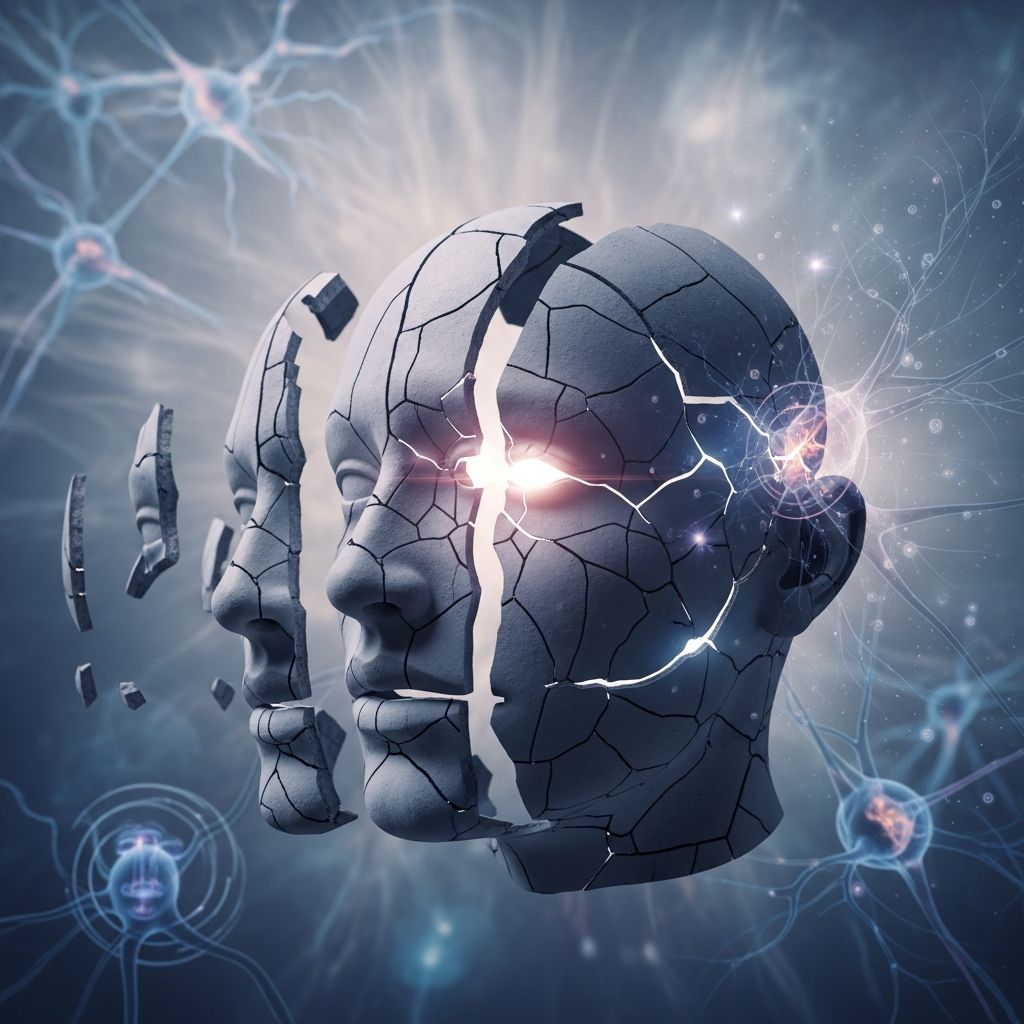
Overview of Dissociative Disorders
Dissociative disorders are a group of mental health conditions characterized by a disconnection or disruption in a person’s normal integration of consciousness, memory, identity, emotion, perception, body representation, motor control, and behavior. These disorders often manifest as feelings of detachment from reality, oneself, or memory loss, and are considered to develop typically in response to traumatic or stressful events. Though rare, affecting about 2% of people in the United States, they can significantly impair daily functioning and distress those affected.
Types of Dissociative Disorders
The American Psychiatric Association classifies three primary types of dissociative disorders:
- Dissociative Identity Disorder (DID): Formerly known as multiple personality disorder, DID involves the presence of two or more distinct identities or personality states that alternately control the individual’s behavior, often accompanied by gaps in memory.
- Dissociative Amnesia: Characterized by an inability to recall important personal information, usually related to a traumatic or stressful event, that is too extensive to be explained by ordinary forgetfulness.
- Depersonalization-Derealization Disorder: Marked by persistent feelings of detachment from one’s own body or mind (depersonalization) or a sense that one’s surroundings are unreal or distorted (derealization).
Dissociative Identity Disorder (DID)
What is DID?
DID is a complex psychological condition where an individual exhibits two or more distinct identities or personality states, often developed as a coping mechanism to deal with severe trauma, most frequently during childhood. Each identity, called an alter, may have its own name, personal history, and characteristics. These alters control the person’s behavior at different times, and memory gaps are common due to amnesia between identities.
Symptoms of DID include:
- Presence of two or more distinct identities or personality states.
- Memory gaps or amnesia about personal information and everyday events.
- Sudden shifts in mood and behaviors inconsistent with the individual’s usual personality.
- Depersonalization and derealization experiences.
- Physical symptoms such as unexplained pain or phantom sensations.
- Hearing voices or internal conversations between identities.
Risk Factors and Causes
DID is strongly linked with severe, ongoing trauma during early development, especially in childhood abuse or neglect. The dissociation serves as an escape from overwhelming stress or pain.
Complications
People with DID have a significantly increased risk of self-harm and suicide. Studies show that over 70% of those diagnosed attempt suicide or engage in self-injurious behavior.
Dissociative Amnesia
Description:
Dissociative amnesia involves episodes where an individual cannot recall important autobiographical information, typically following a traumatic or stressful event. This memory loss is not due to ordinary forgetting or medical conditions. It may range from localized amnesia for a specific event to more generalized amnesia affecting the individual’s entire life history.
Symptoms:
- Inability to remember personal information, such as name, events, or addresses.
- Confusion or distress about memory gaps.
- In some cases, dissociative fugue – wandering or traveling away from home with an inability to recall one’s identity.
Causes
This disorder often follows traumatic experiences such as abuse, combat, natural disasters, or other significant stressors, serving as an unconscious coping mechanism to block out memories that cause distress.
Related Stories



Depersonalization-Derealization Disorder
Definition:
This disorder is characterized by persistent or recurrent episodes where an individual experiences detachment from their body or mental processes (depersonalization) or a feeling that the external world is strange or unreal (derealization). Unlike normal transient episodes of such feelings, in this disorder these experiences are prolonged and cause significant distress or functional impairment.
Symptoms:
- Feeling as though one is an outside observer of one’s thoughts, feelings, or body.
- A sense of unreality or dreamlike perception of surroundings.
- Emotional or physical numbing or detachment.
- Difficulty focusing or functioning due to altered perceptions.
Prevalence and Triggers
It affects approximately 1–2% of the population, often starting in adolescence or early adulthood. Stressful or traumatic events may trigger episodes, which tend to fluctuate or recur over time.
Causes and Risk Factors of Dissociative Disorders
Dissociative disorders typically develop as a reaction to severe trauma, often during childhood. This trauma may include physical, sexual, or emotional abuse, neglect, or experiencing combat or disaster. Dissociation acts as a psychological defense to help individuals endure painful events by disconnecting from reality or their sense of self.
Other factors contributing to dissociative disorders include:
- Severe acute or chronic stress.
- Genetic and neurobiological predispositions.
- Environmental factors impacting brain development and emotional regulation.
Symptoms Common Across Dissociative Disorders
While symptoms vary by specific disorder, common features include:
- Memory disturbances: Loss of memory for personal information or experiences.
- Identity disruption: Feeling detached from oneself, changes in identity or multiple identities.
- Depersonalization and derealization: Experiencing unreality or detachment sensations.
- Emotional numbness or detachment.
- Cognitive difficulties: Trouble concentrating, focusing, or organizing thoughts.
- Distress and impairment: Symptoms cause significant problems in social, occupational, or other important areas of functioning.
Diagnosis
Diagnosis of dissociative disorders involves comprehensive clinical evaluation by a mental health professional using detailed patient interviews and diagnostic criteria as outlined in the Diagnostic and Statistical Manual of Mental Disorders, Fifth Edition (DSM-5). Important elements include:
- Assessment of trauma history and symptom patterns.
- Exclusion of medical causes and substance use.
- Collateral information from family or close associates to verify memory gaps or behavior changes.
Treatment Options
Though dissociative disorders are complex, they are treatable primarily through psychotherapy. The goals of treatment focus on reducing symptoms, integrating identity states, improving coping strategies, and addressing trauma.
Psychotherapy
- Cognitive Behavioral Therapy (CBT): Helps patients develop healthy thought patterns and coping mechanisms.
- Dialectical Behavior Therapy (DBT): Effective for emotion regulation and managing self-harm behaviors often found in DID.
- Trauma-focused therapies: Approaches like Eye Movement Desensitization and Reprocessing (EMDR) to process traumatic memories.
- Integration therapy: Specific to DID, aimed at blending multiple identities into a cohesive self.
Medications
There is no medication specifically for dissociative disorders, but drugs may be prescribed to alleviate associated symptoms such as depression, anxiety, or mood instability.
Supportive Treatments
- Group therapy providing social support.
- Education and support for family and caregivers.
- Stress management and lifestyle modifications.
Prognosis
With proper treatment, many individuals with dissociative disorders can experience significant symptom relief and improved quality of life. Early intervention improves the likelihood of better outcomes. However, untreated dissociative disorders may lead to chronic difficulties, including persistent dissociation, impaired functioning, and increased risk of self-harm.
Frequently Asked Questions (FAQs)
Q: Can dissociative disorders be cured?
A: While many symptoms of dissociative disorders can be managed effectively with therapy, there is no simple cure. Ongoing treatment helps reduce symptoms and improve functioning.
Q: Are dissociative disorders the same as schizophrenia?
A: No. Dissociative disorders involve disruptions in memory and identity, but do not include hallucinations or delusions characteristic of schizophrenia.
Q: What should I do if I suspect I or a loved one has a dissociative disorder?
A: Seek evaluation from a qualified mental health professional experienced in dissociative disorders for accurate diagnosis and appropriate treatment planning.
Q: Are children affected by dissociative disorders?
A: Yes, dissociative symptoms can develop in children, especially when they experience severe trauma or neglect. Early diagnosis and intervention are crucial.
Q: How common are dissociative disorders?
A: Dissociative disorders are relatively rare, affecting about 2% of people, though prevalence may be underestimated due to underdiagnosis.
References
- Dissociative Disorders — Cleveland Clinic. 2023-01-30. https://my.clevelandclinic.org/health/diseases/17749-dissociative-disorders
- Diagnostic and Statistical Manual of Mental Disorders: DSM-5 — American Psychiatric Association. 2013. https://my.clevelandclinic.org/health/articles/24291-diagnostic-and-statistical-manual-dsm-5
- Dissociative Identity Disorder: Symptoms and Treatment — Cleveland Clinic. 2023-02-10. https://my.clevelandclinic.org/health/diseases/9792-dissociative-identity-disorder-multiple-personality-disorder
- Dissociative Amnesia: What It Is, Symptoms & Treatment — Cleveland Clinic. 2023-03-05. https://my.clevelandclinic.org/health/diseases/9789-dissociative-amnesia
- Depersonalization-Derealization Disorder — Cleveland Clinic. 2023-02-17. https://my.clevelandclinic.org/health/diseases/9791-depersonalization-derealization-disorder
Similar Articles








Read full bio of Sneha Tete