Undefined Dyshidrotic Eczema: Signs, Triggers, Relief
Explore the causes, symptoms, and effective strategies for managing dyshidrotic eczema, a common blistering skin condition affecting hands and feet.
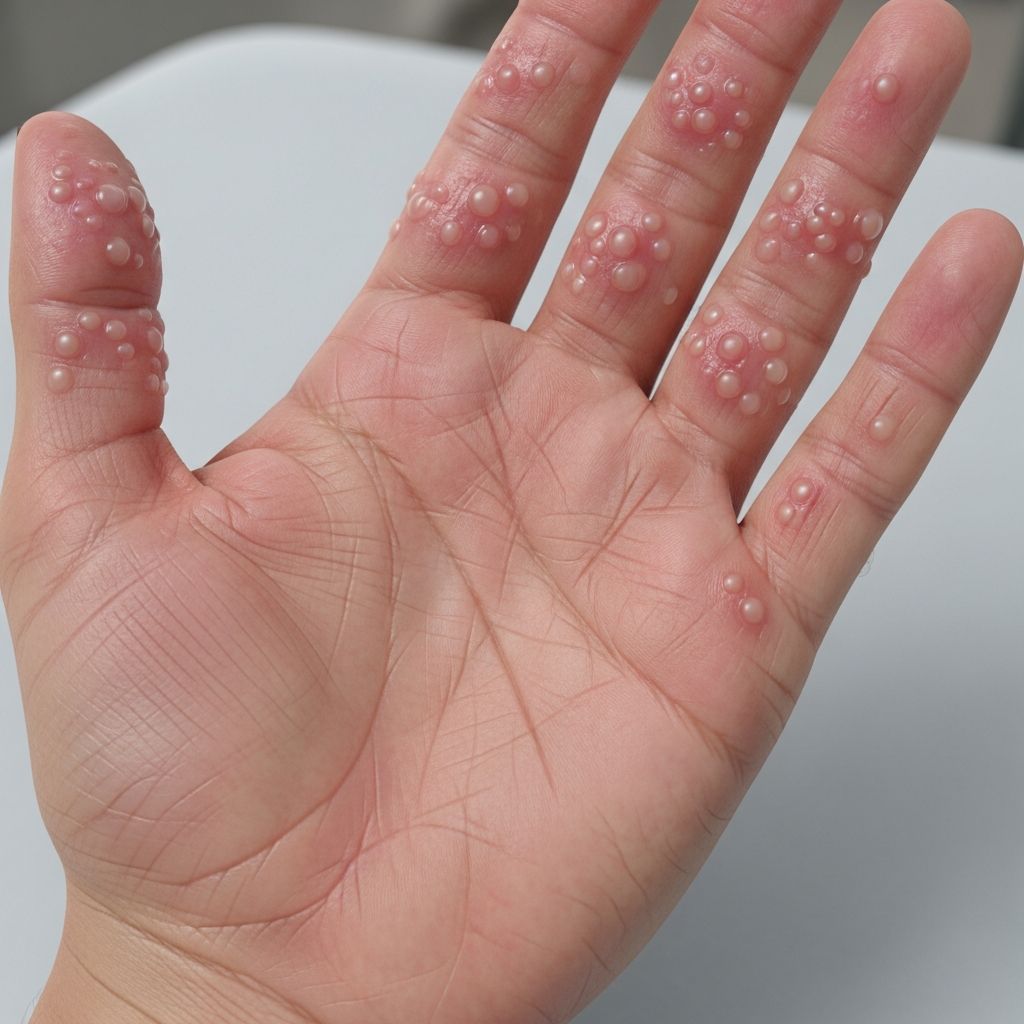
Dyshidrotic eczema, also known as pompholyx or dyshidrosis, is a persistent skin disorder characterized by small, intensely itchy blisters primarily on the hands and feet. This condition disrupts daily activities due to discomfort and visible changes, affecting millions worldwide, particularly adults aged 20 to 40.
Recognizing the Signs and Progression
The hallmark of dyshidrotic eczema is the abrupt onset of deep-seated, fluid-filled vesicles that resemble tapioca pudding on physical exam. These blisters typically cluster on the palms, soles, sides of fingers, and toes, causing significant itching and burning before they fully develop.
- Sudden intense itching on palms, finger sides, or soles
- Small, clear blisters (1-2 mm) that may merge into larger bullae in severe cases
- Redness, swelling, and burning sensations around affected areas
- Dry, cracked, peeling skin as blisters resolve, often leading to fissures
- Nail changes like thickening, ridging, or discoloration in recurrent cases
Symptoms usually peak within days and last 2-4 weeks per flare-up, with skin becoming tender and prone to secondary bacterial infections if cracked. Unlike other eczemas, it spares larger body areas, focusing on palms and soles.
Potential Triggers and Risk Factors
While the precise etiology remains unclear, dyshidrotic eczema arises from a mix of genetic predisposition, immune overactivity, and environmental triggers. It often coexists with atopic dermatitis or runs in families, suggesting hereditary links.
| Category | Common Triggers | Examples |
|---|---|---|
| Allergens | Metals, seasonal pollen | Nickel, chromium, hay fever |
| Irritants | Chemicals, moisture | Laundry detergents, frequent hand washing |
| Lifestyle | Stress, habits | Emotional stress, smoking, sweaty palms |
| Environmental | Weather, seasons | Hot/humid conditions, dry climates |
| Medical | Drugs, infections | Aspirin, IVIG, athlete’s foot |
Occupations involving wet work, like healthcare or food service, heighten risk due to prolonged moisture exposure. Women and those with hyperhidrosis face higher incidence.
How It’s Diagnosed
Diagnosis relies on clinical presentation, as no single test confirms dyshidrotic eczema. Dermatologists assess vesicle morphology, distribution, and history of flares. Patch testing identifies allergens like nickel in 20-30% of cases.
- Physical exam for characteristic “tapioca” vesicles
- Rule out infections (bacterial, fungal) via swab or biopsy if needed
- Differential includes contact dermatitis, scabies, or bullous pemphigoid
Biopsy, showing spongiosis (epidermal edema), is rare unless response to treatment falters. Family history and atopy strengthen suspicion.
Treatment Approaches for Relief
Management combines trigger avoidance, symptom control, and skin barrier repair. Mild cases respond to home care, while severe or infected flares require medical intervention.
Home-Based Strategies
- Moisturize frequently with thick, fragrance-free emollients like petroleum jelly to seal cracks
- Apply cool compresses or soaks with potassium permanganate to dry blisters and reduce itching
- Use over-the-counter hydrocortisone (1%) sparingly for inflammation
- Avoid scratching; trim nails to prevent infection
Medical Therapies
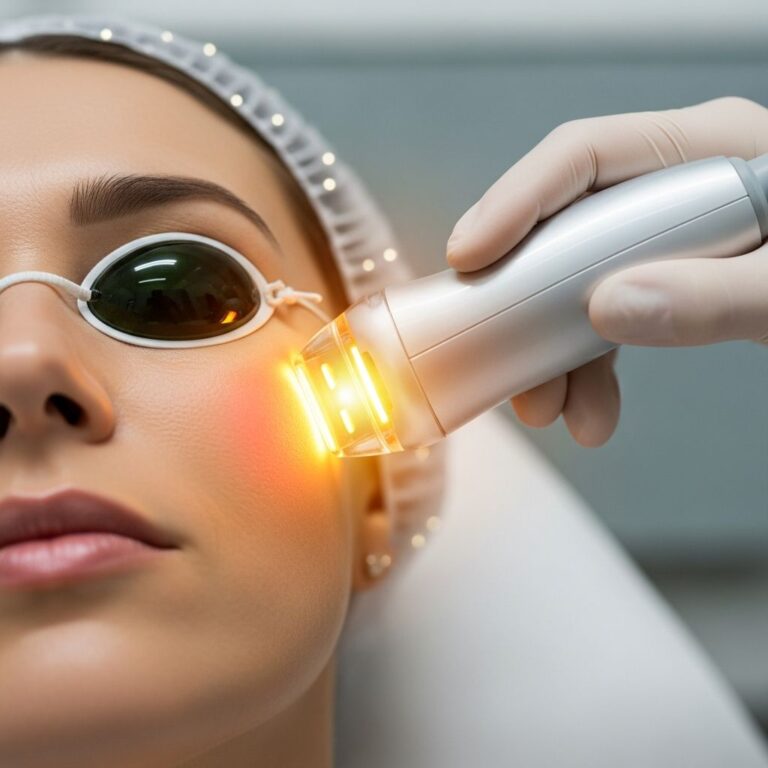
For persistent flares, topical corticosteroids (medium to high potency) like clobetasol reduce inflammation effectively. Calcineurin inhibitors (tacrolimus) suit sensitive areas.
- Phototherapy (UVB or PUVA) for recalcitrant cases
- Oral steroids or immunosuppressants (methotrexate, cyclosporine) in severe, widespread disease
- Antibiotics if secondary infection present (e.g., pus, fever)
- Botulinum toxin injections for hyperhidrosis-related triggers
Related Stories



Recent studies emphasize early intervention to prevent chronicity, with dupilumab showing promise in atopic-linked cases.
Preventing Flare-Ups
Proactive steps minimize recurrences, which affect up to 50% of patients chronically.
- Wear cotton gloves under vinyl for wet tasks; use barrier creams
- Identify allergens via patch testing and avoid (e.g., nickel-free jewelry)
- Manage stress through mindfulness, exercise, or therapy
- Keep skin dry: use antiperspirants on palms/feet, avoid hot humid environments
- Quit smoking and monitor medications with dermatologist input
Consistent moisturizing post-washing preserves the skin barrier, reducing vulnerability.
Impact on Daily Life and Mental Health
Beyond physical symptoms, dyshidrotic eczema impairs hand function, work, and social confidence—shaking hands becomes daunting. Chronic flares link to anxiety and depression, underscoring holistic care.
Support groups via organizations like the National Eczema Association offer coping strategies. Tracking flares in a journal aids trigger identification.
FAQs
Is dyshidrotic eczema contagious?
No, it is not infectious and cannot spread person-to-person.
Can diet influence dyshidrotic eczema?
Some report flares from food allergens, but evidence is limited; consult a specialist for testing.
How long do blisters last?
Typically 3-4 weeks per episode, with skin peeling afterward.
Does it affect children?
Rarely; most common in young adults.
Can it lead to permanent skin changes?
Repeated flares may cause thickening or nail dystrophy, but early treatment mitigates this.
References
- Dyshidrotic Eczema: Symptoms, Causes, Treatment — National Eczema Association. 2023. https://nationaleczema.org/types-of-eczema/dyshidrotic-eczema/
- Dyshidrotic Eczema – Causes, Symptoms, Treatment — Mount Sinai Health System. 2024. https://www.mountsinai.org/care/dermatology/services/eczema/dyshidrotic
- Dyshidrotic Eczema: Symptoms, Causes & Treatment — Bioderma. 2023. https://www.bioderma.us/en/expert-advice/normal-dry-to-atopic-skin/dyshidrotic-eczema.html
- Dyshidrotic Eczema: A Common Cause of Palmar Dermatitis — PMC (NCBI). 2020-10-15. https://pmc.ncbi.nlm.nih.gov/articles/PMC7647841/
- Dyshidrotic Eczema (Dyshidrosis) — Cleveland Clinic. 2024. https://my.clevelandclinic.org/health/diseases/17728-dyshidrotic-eczema
Similar Articles








Read full bio of medha deb