Understanding Enzymes: Role in Digestion, Liver Function & Health
Learn how enzymes work in your body, their role in digestion, liver function, and what enzyme levels reveal about your health.
What Are Enzymes?
Enzymes are specialized proteins that play a crucial role in virtually every biological process within your body. These remarkable molecular machines act as catalysts, speeding up chemical reactions that would otherwise occur far too slowly to sustain life. Without enzymes, the chemical reactions necessary for digestion, energy production, and cellular repair would take years to complete—making it impossible for your body to function properly.
At their core, enzymes are biological catalysts that accelerate metabolic processes. They work by lowering the activation energy required for chemical reactions, making these reactions happen at least one million times faster than they would naturally. This extraordinary efficiency is what allows your body to break down food, produce energy, build new tissues, and eliminate waste at the speeds necessary for survival and optimal health.
How Enzymes Work: Structure and Function
Understanding how enzymes function requires knowledge of their unique structure. Each enzyme has a specialized region called an active site—a three-dimensional pocket with a distinctive shape that is critical to the enzyme’s function. This active site is where the magic of enzymatic catalysis actually happens.
For an enzyme to perform its job, it must interact with a substrate—the substance the enzyme works on. Think of this relationship like a lock and key: the substrate must have a complementary shape that allows it to fit precisely into the enzyme’s active site. When the substrate and enzyme fit together correctly, a chemical reaction occurs, transforming the substrate into a product. If the shapes don’t match, the enzyme cannot perform its function, no matter how much substrate is present.
Enzymes are highly sensitive to their environment. They require specific conditions—including appropriate temperature, pH level, and ionic strength—to maintain their proper shape and function effectively. When environmental conditions are not optimal, enzymes can undergo conformational changes, altering their three-dimensional structure. When this happens, the substrate no longer fits properly into the active site, and the enzyme becomes inactive or ineffective. This is why maintaining proper body temperature and pH balance is essential for optimal enzyme function.
The Role of Enzymes in Digestion
One of the most important functions of enzymes is their role in the digestive process. Your digestive system produces multiple specialized enzymes designed to break down different components of food into smaller molecules that your body can absorb and utilize.
Digestive Enzymes Include:
Amylase breaks down carbohydrates into simpler sugars. Lipase breaks down fats into fatty acids and glycerol. Protease breaks down proteins into amino acids. These enzymes work together in a coordinated sequence throughout your digestive tract, beginning in your mouth with saliva and continuing through your stomach and small intestine. The coordinated action of these digestive enzymes ensures that nutrients from food are properly broken down and become available for absorption.
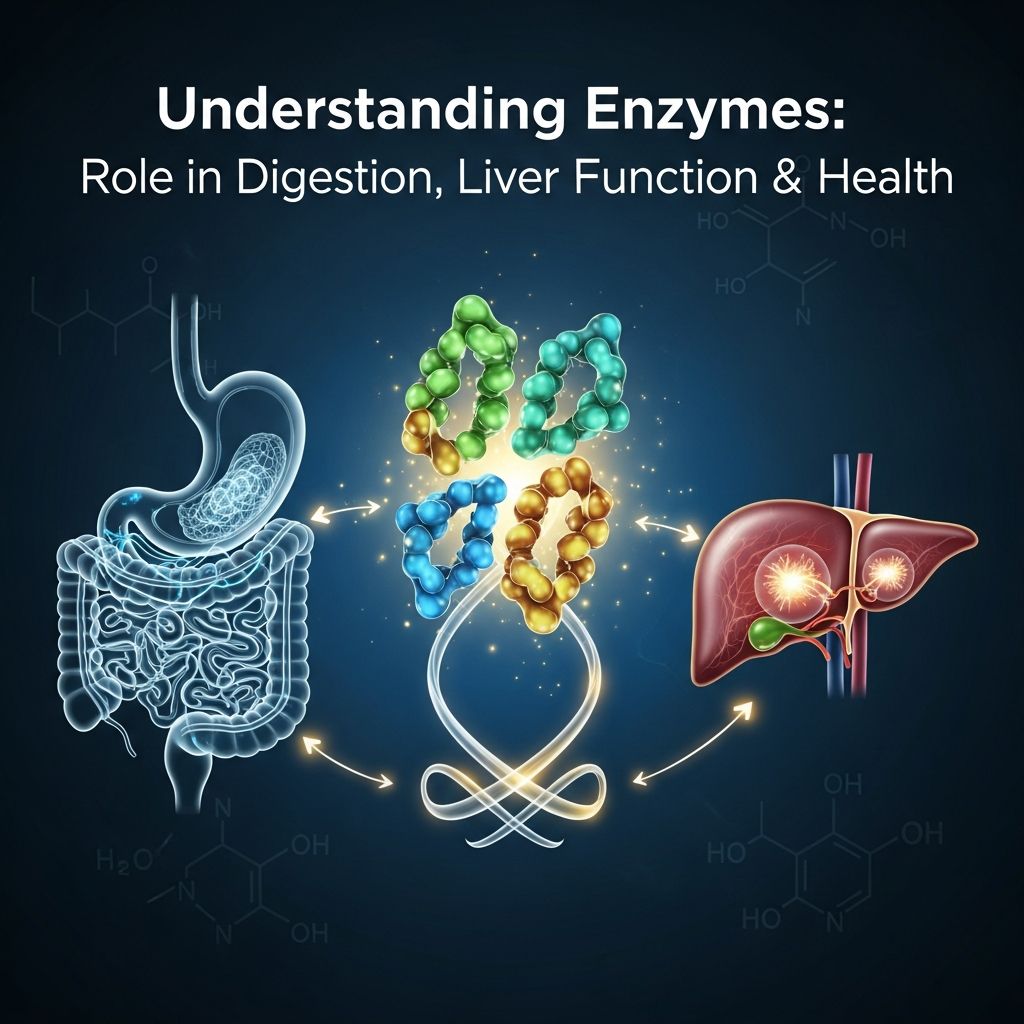
Your pancreas plays a vital role in digestion by producing digestive enzymes that are released into the small intestine. The liver also contributes to digestion by producing bile, which helps emulsify fats, making them easier for lipase enzymes to break down. This intricate system ensures that food is efficiently processed so your body can extract maximum nutrition.
Related Stories



Enzymes and Liver Function
The liver is one of your body’s most important organs, performing over 500 different functions, many of which depend heavily on enzymes. Liver enzymes are critical for metabolizing drugs, breaking down toxins, and processing nutrients absorbed from food.
Elevated liver enzymes can indicate various health problems. The most common causes of liver enzyme elevation include alcohol toxicity, medication overdose, and fatty liver disease. When liver cells are damaged or stressed, they release enzymes into the bloodstream, which can be detected through blood tests. Healthcare providers use liver enzyme tests to screen for and investigate potential liver problems.
Key liver enzymes include:
Alanine aminotransferase (ALT) and aspartate aminotransferase (AST) are typically elevated in hepatocellular injury. Alkaline phosphatase and gamma-glutamyl transferase (GGT) are typically elevated in cholestatic disorders. Understanding the pattern of enzyme elevation helps doctors determine whether liver damage is due to cholestasis or hepatocellular injury, which guides appropriate treatment decisions.
Enzymes and Metabolism
Metabolism—the set of all chemical reactions occurring in your body—depends entirely on enzymes. These proteins regulate how quickly your body burns calories, how it stores energy, and how it synthesizes new molecules needed for growth and repair.
Enzymes control metabolic rate by regulating the speed of chemical reactions involved in breaking down nutrients and producing energy. Some enzymes accelerate energy-producing reactions, while others regulate storage of excess energy as fat or glycogen. This metabolic regulation is essential for maintaining a healthy weight and ensuring your body has adequate energy for all its functions.
Pancreatic Enzymes and Their Functions
The pancreas is a specialized gland that produces powerful digestive enzymes. These pancreatic enzymes are released into the small intestine, where they continue the work of breaking down food that began in the mouth and stomach. The pancreas also produces bicarbonate, which neutralizes stomach acid and creates the optimal pH environment for pancreatic enzymes to function effectively.
When the pancreas is damaged or diseased, it may not produce adequate enzymes, leading to digestive problems and nutrient malabsorption. Pancreatitis, pancreatic cancer, and cystic fibrosis can all interfere with pancreatic enzyme production, requiring medical intervention or enzyme replacement therapy.
Enzyme Tests and Blood Work
Healthcare providers use enzyme tests to assess your health and detect diseases. When cells are damaged or stressed, they release their contents—including enzymes—into the bloodstream. By measuring specific enzymes in your blood, doctors can identify which tissues are damaged and determine the severity of the problem.
Common enzyme tests include:
Liver enzyme tests measure ALT, AST, alkaline phosphatase, and GGT to assess liver health. Cardiac enzyme tests measure troponin, myoglobin, and creatine kinase-MB to detect heart damage. Pancreatic enzyme tests measure amylase and lipase to assess pancreatic function. Blood tests can also reveal elevated levels of enzymes from muscle, bone, or other tissues when those tissues are damaged or stressed.
Cardiac Enzymes and Heart Health
Cardiac enzymes are particularly important biomarkers for assessing heart health. When your heart experiences damage or stress due to lack of oxygen, it releases cardiac enzymes into the bloodstream. These enzyme markers can indicate acute coronary syndrome, myocardial ischemia, or injury to the heart muscle. Elevated cardiac enzyme levels following chest pain and other symptoms can help confirm a heart attack diagnosis and guide treatment decisions.
Troponin is considered the most specific cardiac enzyme for detecting heart muscle injury. When troponin levels are elevated, it indicates that heart muscle damage has occurred. This makes troponin measurement invaluable in emergency departments for rapidly identifying patients experiencing heart attacks.
Enzymes in the Gut Microbiome
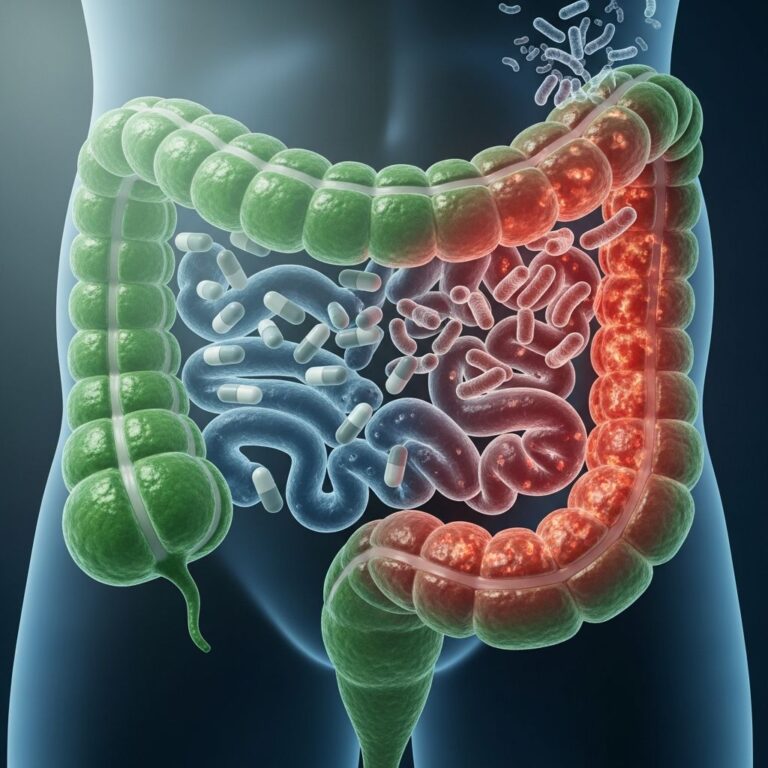
Your gut microbiome—the trillions of bacteria living in your digestive tract—produces essential enzymes that your own body cannot make. These microbial enzymes synthesize important vitamins including B1, B9, B12, and K. Without these bacteria and their enzymes, you would be unable to produce or absorb these critical nutrients.
Recent research has identified specific microbial enzymes involved in metabolizing dietary compounds. Cleveland Clinic researchers identified two key enzymes—phenylpyruvate:ferredoxin oxidoreductase (PPFOR) and phenylpyruvate decarboxylase (PPDC)—that gut microbes use to process dietary protein. These enzymes convert the amino acid phenylalanine into phenylacetic acid, the precursor to phenylacetylglutamine (PAG), a compound linked to heart disease risk. Understanding how gut bacterial enzymes metabolize dietary components is opening new avenues for preventing cardiovascular disease through targeted therapeutic approaches.
Factors Affecting Enzyme Function
Several factors can impair enzyme function and affect your health. Temperature changes can denature enzymes, causing them to lose their shape and function. pH changes in your body can similarly disable enzymes by altering their structure. Certain medications and toxins can inhibit or block enzyme activity. Nutritional deficiencies, particularly in cofactors like vitamins and minerals that enzymes require to function, can reduce enzyme efficiency.
Age also affects enzyme production and function. As you age, your body produces fewer enzymes and existing enzymes may function less efficiently. This contributes to reduced digestive capacity, slower metabolism, and increased susceptibility to disease.
When Enzyme Levels Are Abnormal
Both excessively high and abnormally low enzyme levels can indicate health problems. Elevated enzyme levels typically suggest tissue damage or stress in a specific organ. For example, elevated liver enzymes might indicate hepatitis, cirrhosis, or medication toxicity. Elevated pancreatic enzymes could indicate pancreatitis. Elevated cardiac enzymes indicate heart attack or heart stress.
Low enzyme levels can be equally concerning. Insufficient digestive enzymes lead to malabsorption and nutritional deficiencies. Low pancreatic enzyme production causes digestive problems. Some genetic conditions result in absent or non-functional enzymes, causing serious metabolic disorders.
All persistent elevations in enzyme levels require methodical evaluation. There are no trivial enzyme elevations. Even asymptomatic individuals with abnormal enzyme levels need appropriate workup and monitoring to prevent serious complications.
Enzyme Replacement and Therapy
When your body cannot produce adequate enzymes, medical interventions may be necessary. Enzyme replacement therapy involves taking supplemental enzymes to replace those your body cannot produce. Patients with pancreatic insufficiency may take pancreatic enzyme supplements with meals to improve digestion. Individuals with genetic enzyme deficiencies may receive enzyme replacement medications designed to substitute for the missing enzyme.
For some conditions affecting liver enzyme levels, such as hepatitis C, antiviral medications have revolutionized treatment. Direct-acting antiviral drugs now achieve sustained viral response and presumed cure in more than 95% of hepatitis C cases, correcting the underlying cause of elevated liver enzymes.
Lifestyle Factors and Enzyme Health
You can support optimal enzyme function through lifestyle choices. Maintaining a healthy diet rich in vitamins, minerals, and cofactors that enzymes require ensures your enzymes can function properly. Regular exercise supports metabolic enzyme function and cardiovascular health. Managing stress and getting adequate sleep help maintain hormonal balance and enzyme regulation. Limiting alcohol protects your liver and its enzymes from damage. Avoiding toxins and unnecessary medications reduces the burden on your body’s detoxification enzymes.
Frequently Asked Questions (FAQs)
Q: What exactly do enzymes do in my body?
A: Enzymes are proteins that speed up chemical reactions in your body by at least one million times. They’re essential for digestion, energy production, detoxification, and virtually every other biological process.
Q: Why is it important that enzymes have the right shape?
A: Enzymes work like a lock and key—their active site must have the precise shape to fit with the substrate. If the enzyme’s shape changes due to temperature, pH, or other factors, it can no longer function properly.
Q: What does it mean if my liver enzyme levels are elevated?
A: Elevated liver enzymes typically indicate that liver cells are damaged or stressed. Common causes include alcohol use, medication side effects, viral hepatitis, or fatty liver disease. Your doctor will investigate the underlying cause.
Q: Can I take digestive enzyme supplements if I have digestion problems?
A: Enzyme supplements may help with digestion, particularly for people with pancreatic insufficiency or certain digestive disorders. Consult your healthcare provider to determine if supplements are appropriate for your situation.
Q: What do cardiac enzymes tell doctors about my heart?
A: Elevated cardiac enzymes in your blood indicate that heart muscle cells have been damaged, typically from a heart attack or severe heart stress. This helps doctors confirm heart damage and assess severity.
Q: How do gut bacteria enzymes affect my health?
A: Your gut microbiome produces enzymes that synthesize essential vitamins like B12 and K that your body cannot make independently. Bacterial enzymes also metabolize dietary compounds, some of which may affect cardiovascular health.
Q: Are enzyme tests necessary if I don’t have symptoms?
A: Even asymptomatic enzyme elevations should be investigated. Persistent abnormal enzyme levels can indicate developing disease that requires treatment, even without obvious symptoms.
Q: Can age affect my enzyme production?
A: Yes, as you age, your body produces fewer enzymes and existing enzymes may function less efficiently. This can affect digestion, metabolism, and disease susceptibility.
References
- Cleveland Clinic researchers identify key enzymes in gut microbiome that produce compound linked to heart disease — Cleveland Clinic Lerner Research Institute. 2022-12-21. https://www.lerner.ccf.org/news/article/?title=Cleveland+Clinic+researchers+identify+key+enzymes+in+gut+microbiome+that+produce+compound+linked+to+heart+disease
- Liver enzymes: No trivial elevations, even if asymptomatic — Cleveland Clinic Journal of Medicine. 2018-08-01. https://www.ccjm.org/content/85/8/612
- Cardiac Enzymes (Biomarkers): Types & What They Do — Cleveland Clinic. https://my.clevelandclinic.org/health/articles/22115-cardiac-enzymes-cardiac-biomarkers
- Digestive Enzymes 101: Why They’re Important — Cleveland Clinic. https://health.clevelandclinic.org/digestive-enzymes-101-why-theyre-important
- What Is Your Gut Microbiome? — Cleveland Clinic. https://my.clevelandclinic.org/health/body/25201-gut-microbiome
- What Are Proteins? Definition, Types & Examples — Cleveland Clinic. https://my.clevelandclinic.org/health/body/proteins
Similar Articles








Read full bio of medha deb