Understanding Eye Floaters: Causes, Symptoms, and Treatment Options
Learn what causes eye floaters, when to seek medical care, and effective treatment options.
Understanding Eye Floaters: What You Need to Know
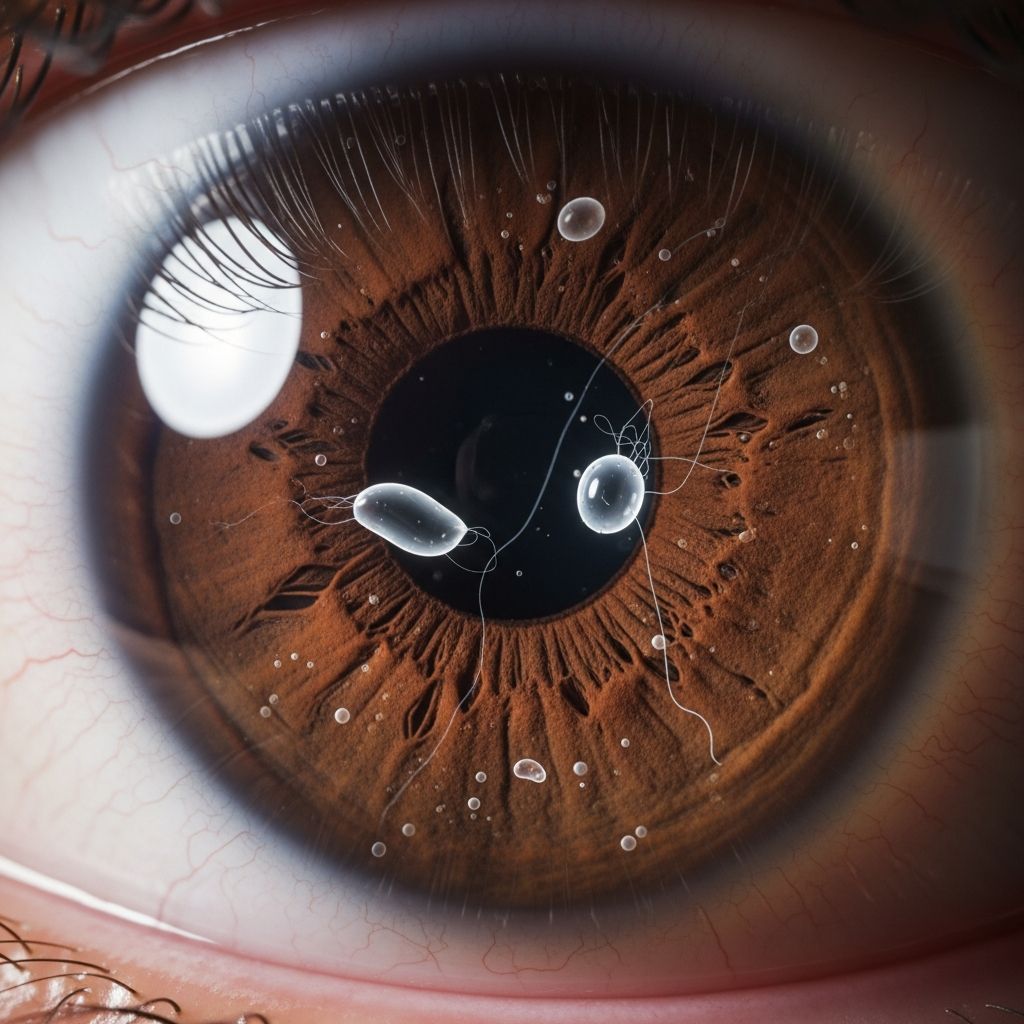
Eye floaters are small specks or spots that drift across your field of vision. These tiny particles cast shadows on the retina, creating the appearance of floating debris in your visual field. While floaters can be annoying and sometimes alarming, understanding their causes and knowing when to seek medical attention can help you manage this common eye condition effectively.
What Are Eye Floaters?
Eye floaters appear as small dots, lines, or cobweb-like shapes that seem to move as you move your eyes. They drift slowly across your visual field and become more noticeable when you look at a bright background, such as a clear sky or white wall. Most people experience floaters at some point in their lives, and while they can be bothersome, they are typically harmless.
Floaters occur within the vitreous humor, the clear gel-like substance that fills the center of the eye. As light enters the eye, it passes through this gel before reaching the retina at the back of the eye. When particles or clumps form within the vitreous, they cast shadows on the retina, which your brain interprets as floaters in your vision.
Common Causes of Eye Floaters
Understanding what causes floaters can help you determine whether your symptoms are benign or require professional evaluation.
Age-Related Changes
The most common cause of floaters is age-related changes in the vitreous humor. As you age, the gel inside your eye becomes more liquid, and microscopic fibers within the gel tend to clump together. This natural deterioration process typically begins around age 60 and becomes increasingly common as people grow older. These age-related floaters are usually harmless and do not require treatment.
Posterior Vitreous Detachment
Posterior vitreous detachment (PVD) occurs when the vitreous gel separates from the back wall of the eye. This condition can cause a sudden increase in floaters and is particularly common in people over 50 years old. While PVD can be alarming, it is often benign; however, it can sometimes lead to more serious eye conditions, making professional evaluation important.
Eye Inflammation and Infection
Floaters can develop as a symptom of uveitis, an inflammation of the eye’s middle layer that may result from infection or autoimmune disease. Additionally, other forms of eye inflammation can cause floaters to appear suddenly or increase in number.
Bleeding in the Eye
Eye injuries or trauma can cause blood vessels to leak into the vitreous humor, resulting in sudden floaters. Similarly, conditions affecting blood vessels in the eye can lead to bleeding and subsequent floater development.
Nearsightedness
People with myopia (nearsightedness) are more prone to experiencing floaters because their elongated eyes can cause the vitreous humor to pull away from the retina more readily.
Related Stories



When to Seek Emergency Care
While most floaters are harmless, certain warning signs indicate you should seek immediate medical attention. These symptoms may suggest serious eye conditions that require urgent treatment.
Warning Signs Requiring Immediate Attention
Contact your eye doctor immediately if you experience:
– A sudden shower of new floaters, particularly if they appear like pepper scattered in your vision- Frequent flashes of light, especially if they occur repeatedly over hours or days- A dark shadow or curtain-like appearance covering part of your vision- Loss of side vision or peripheral vision changes- Eye pain or soreness- Increased sensitivity to light- Any combination of floaters with these symptoms
The 24-48 Hour Rule
Recent research demonstrates that retinal tears detected within 24-48 hours of symptom onset have significantly better treatment outcomes. If you experience sudden vision changes, do not wait to see if symptoms improve on their own. Early intervention can preserve your vision and prevent serious complications.
Symptoms Associated with Eye Floaters
Beyond the floaters themselves, you may experience related symptoms that warrant professional evaluation:
– Blurriness in peripheral or central vision- Flashes of light in the eye- Vision changes or disturbances- Eye pain or discomfort- Watery eyes- Headaches associated with vision changes
Diagnostic Assessment: The STOP Method
When evaluating your symptoms, consider using the STOP method to provide your eye care provider with comprehensive information:
S – Sudden or Gradual?
Determine whether your floaters appeared suddenly or developed gradually. Sudden changes are generally more concerning than gradual ones. Note the specific date when new symptoms began.
T – Type and Pattern
Document what you are seeing. Are they floaters, flashes, or both? Do they occur together or separately? Describe their appearance and movement patterns.
O – Other Symptoms
Note any accompanying symptoms such as vision loss, eye pain, light sensitivity, or other changes in your sight.
P – Previous History
Consider your personal and family eye history, current age, and any risk factors that might predispose you to eye conditions.
Treatment Options for Eye Floaters
While no treatment can permanently eliminate floaters, several options can help reduce their visibility or address underlying conditions.
Conservative Management Approaches
Eye Exercises
Eye exercises can reduce the prominence of floaters by improving blood circulation in the eyes. These exercises involve slowly moving your eyes in circles, focusing on distant objects, or performing vertical and horizontal eye movements. Moving your eyes up and down can help shift floaters out of your direct line of vision.
Lifestyle Modifications
Several lifestyle changes can help minimize floater visibility:
– Reduce glare by adjusting lighting in your home or workplace- Wear sunglasses when outdoors to reduce bright light exposure- Take regular breaks from screen time to reduce visual stress- Maintain a well-balanced diet rich in nutrients and vitamins that support eye health- Stay physically active to reduce risk factors for chronic eye conditions- Quit smoking, as smoking affects blood circulation and may contribute to floater development
Eye Drops
Atropine eye drops, which dilate the pupil, may help make floaters less noticeable. However, these drops can cause blurry vision as a side effect. While alternative medicine eye drops are available on the market for treating floaters, there is no scientific evidence that they effectively reduce floaters. Regular lubricating eye drops may help manage eye redness or itching but do not specifically address floaters.
Medical Interventions
Laser Treatment
For mild eye floaters, your eye doctor may recommend laser treatment using a specialized laser similar to those used in LASIK procedures. The laser breaks up floaters so you see them less prominently. However, laser therapy carries risks, including potential retinal damage if the laser is aimed inaccurately. More research is needed to fully establish the safety and efficacy of this treatment option.
Vitrectomy Surgery
If floaters are so numerous that they significantly block your vision and impair your quality of life, your eye doctor may suggest vitrectomy. This surgical procedure removes the vitreous humor from your eye and replaces it with a salt solution or a bubble made of oil or gas. As your eye heals, it naturally replaces this fluid with aqueous humor.
Risks Associated with Vitrectomy
While vitrectomy can be effective for severe floaters, it carries potential complications:
– Detached retina- Torn retina- Cataract development- Glaucoma- Infection at the surgical site- Internal bleeding
Although the risk of these complications is generally low, if they do occur, they can permanently damage your vision. For this reason, vitrectomy is typically reserved for cases where floaters severely impact daily functioning.
Emerging Treatment Options
Medical research continues to advance treatment possibilities for bothersome floaters. Low-dose atropine drops are currently being investigated in clinical trials as a potential treatment option. As of 2025, modern eye care emphasizes early detection through advanced imaging, conservative management for benign cases, and prompt intervention for sight-threatening conditions.
When to Schedule a Professional Eye Examination
Understanding when to seek professional evaluation ensures appropriate care while avoiding unnecessary anxiety.
Schedule Prompt Evaluation For:
New Symptom Onset
Any new floaters or flashes, regardless of apparent severity, warrant professional assessment to establish a baseline and rule out complications.
Symptom Progression
Gradual worsening of existing symptoms over weeks or months should be evaluated to ensure no underlying pathology is developing.
Quality of Life Impact
If floaters significantly interfere with your daily activities, reading, driving, or other important functions, discuss treatment options with your eye care provider.
What to Expect During Your Examination
Comprehensive Dilated Exam
Your doctor will use special drops to widen your pupils and examine your retina thoroughly for tears, detachment, or other abnormalities.
Advanced Imaging
OCT (Optical Coherence Tomography) and other imaging technologies can detect subtle changes not visible during a standard examination.
Visual Field Testing
If retinal problems are suspected, specialized testing may evaluate your peripheral vision for areas of vision loss.
Managing Anxiety About Eye Floaters
Many people experience significant anxiety about floaters and flashes. Several strategies can help reduce worry and improve adaptation:
Education and Understanding
Learning about normal eye anatomy and the aging process can substantially reduce fear about common symptoms. Understanding that most floaters are benign provides important reassurance.
Mindfulness and Adaptation Techniques
Some patients find that meditation and focusing exercises help them adapt more quickly to benign floaters and reduce their psychological impact.
Professional Support
For severe anxiety about eye symptoms, counseling or support groups can be beneficial in developing coping strategies.
Comparing Floater Symptoms: When to Monitor vs. When to Worry
| Symptom Characteristic | Monitor and Wait | Seek Immediate Care |
|---|---|---|
| Onset | Occasional floaters you’ve had for years | Sudden shower of new floaters |
| Flashes | Mild flashes during head movement | Frequent flashes lasting hours |
| Vision Changes | Gradual changes over months | Curtain-like shadows in vision |
| Light Sensitivity | Floaters appear in bright light only | Any combination of symptoms |
Frequently Asked Questions
Q: Are eye floaters serious?
A: Most eye floaters are harmless and do not require treatment. However, a sudden increase in floaters, especially accompanied by flashes of light or vision loss, can indicate a serious condition like retinal detachment and requires immediate medical evaluation.
Q: Can floaters go away on their own?
A: Many floaters become less noticeable over time as your brain learns to ignore them. However, they typically do not completely disappear. Some floaters may settle and become less visible in your direct line of vision.
Q: What is the best treatment for bothersome floaters?
A: For mild floaters, conservative approaches like eye exercises, lighting adjustments, and screen breaks are often effective. For severe floaters affecting quality of life, vitrectomy surgery or laser treatment may be options to discuss with your eye care provider.
Q: Should I see an ophthalmologist or optometrist for floaters?
A: Choose a healthcare provider who has experience with retina problems. Ophthalmologists who specialize in retinal conditions are particularly well-suited to evaluate and treat serious floater-related conditions.
Q: How quickly should I see a doctor about new floaters?
A: If you experience a sudden increase in floaters, flashes of light, vision loss, or eye pain, seek medical attention within 24-48 hours. Early diagnosis and treatment of retinal conditions significantly improve outcomes.
Q: Can I prevent eye floaters?
A: While you cannot completely prevent age-related floaters, maintaining overall eye health through a balanced diet, regular exercise, sun protection, not smoking, and managing chronic conditions can reduce your risk of developing problematic floaters.
Q: Do floaters affect my vision permanently?
A: In most cases, floaters do not permanently affect vision quality. However, floaters associated with serious conditions like retinal detachment can cause vision loss if not treated promptly. Regular eye exams help monitor for any changes.
Key Takeaways
Eye floaters are a common phenomenon that typically result from age-related changes in the eye. While most floaters are benign and require no treatment, sudden changes in floater appearance or accompanying symptoms like flashes of light, vision loss, or eye pain demand immediate medical attention. Understanding the difference between normal floaters and warning signs enables you to seek appropriate care promptly, protecting your vision and providing peace of mind. If you have concerns about floaters or experience any alarming symptoms, schedule an appointment with an eye care professional who specializes in retinal conditions to ensure comprehensive evaluation and optimal outcomes.
References
- Eye Floaters: Causes, Symptoms, and Treatment — WebMD. 2024-11-15. https://www.webmd.com/eye-health/benign-eye-floaters
- Eye Flashes and Floaters: When to Worry vs When to Wait — Westbroward Eye Care. 2024-06-10. https://www.westbrowardeyecare.com/eye-flashes-and-floaters-when-to-worry-vs-when-to-wait
- What Are Eye Floaters? Symptoms, Causes & Treatment Options — Focus Clinics. 2024-08-20. https://www.focusclinics.com/blog/eye-floaters
- National Eye Institute — National Institutes of Health. 2024-09-12. https://www.nei.nih.gov
Similar Articles








Read full bio of Sneha Tete