Understanding Fever: Causes, Symptoms, and Treatment
Comprehensive guide to fever: Learn causes, symptoms, diagnosis, and effective management strategies.
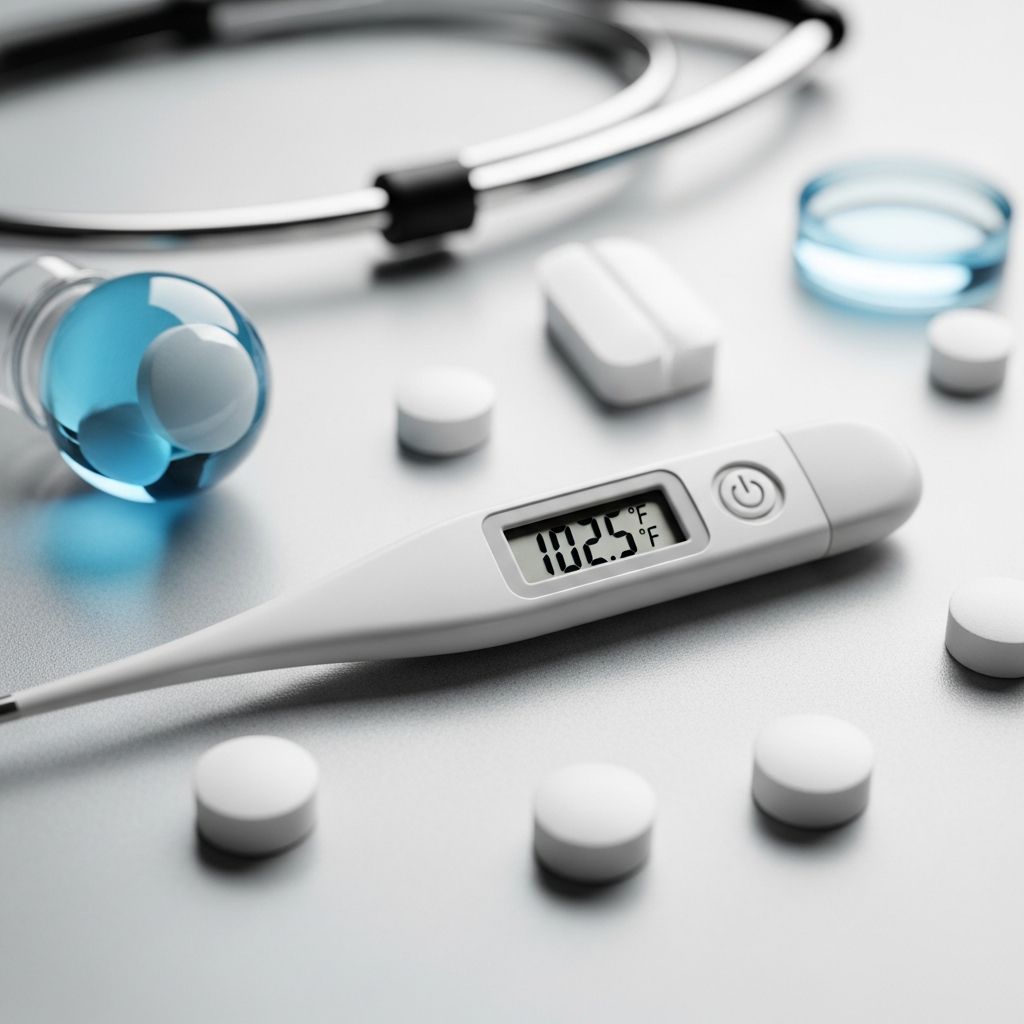
What Is Fever?
Fever is an elevated body temperature that typically occurs in response to infection or inflammation in the body. A normal body temperature for most people ranges from 97°F to 99°F (36.1°C to 37.2°C), though this can vary slightly between individuals and throughout the day. Fever is generally defined as a body temperature of 100.4°F (38°C) or higher when measured orally.
Fever is neither necessary nor specific as a marker of infection, but it commonly accompanies infection and represents the body’s natural defense mechanism. Rather than being a disease itself, fever is a symptom that indicates your body is fighting an illness or responding to some other health challenge. Understanding fever and how to respond to it appropriately is essential for effective health management.
How Does Fever Work?
Fever occurs through a complex, coordinated autonomic, neuroendocrine, and behavioral response that is adaptive and used by nearly all vertebrates. When your body detects an infection or other trigger, the immune system releases substances called pyrogens. These pyrogens signal the brain’s hypothalamus—the body’s temperature control center—to raise the set point for body temperature.
In response, your body generates heat through increased metabolic activity and muscle contractions (shivering), while reducing heat loss by constricting blood vessels and reducing sweating. This coordinated response results in the elevated body temperature we recognize as fever. The process is an important part of the immune response, as higher temperatures can help your body fight infection more effectively.
Common Causes of Fever
Fever can result from numerous different conditions and triggers. Understanding the underlying causes is important for proper treatment and management:
Infectious Causes
The most common reason for fever is infection. Bacterial infections such as strep throat, urinary tract infections, and pneumonia frequently cause fever. Viral infections, including the common cold, influenza, and COVID-19, are also major causes of fever. Additionally, fungal infections and parasitic infections can trigger fever as well.
Inflammatory and Autoimmune Conditions
Non-infectious causes include inflammatory bowel disease, rheumatoid arthritis, lupus, and other autoimmune conditions that can cause fever. Malignancy or cancer can also present with fever, particularly in certain types of leukemia and lymphoma.
Medication and Environmental Factors
Certain medications can cause fever as a side effect. Additionally, heat-related illnesses and excessive environmental heat exposure can raise body temperature. Immunizations and vaccines sometimes cause low-grade fever as part of the body’s immune response.
Fever of Unknown Origin
When fever persists for more than three weeks with temperatures of 38.3°C (100.9°F) or higher on several occasions, and the underlying cause cannot be identified despite appropriate testing, this is referred to as fever of unknown origin (FUO). Updated consensus-based recommendations incorporate epidemiologic factors such as geographic location and travel history in the diagnostic evaluation of FUO.
Related Stories



Symptoms Associated with Fever
Fever often comes with accompanying symptoms that vary depending on the underlying cause and severity of the fever:
- Chills and shivering
- Sweating and perspiration
- Headache and body aches
- Fatigue and weakness
- Loss of appetite
- Irritability or fussiness (particularly in children)
- Dehydration
The severity of accompanying symptoms does not always correlate with how high the fever is. A person might have a mild fever with severe symptoms, or a high fever with relatively mild symptoms.
When to Seek Medical Attention
While many fevers resolve on their own as the body fights off infection, certain circumstances warrant immediate medical evaluation:
Seek Immediate Care If:
- Fever exceeds 103°F (39.4°C) in adults
- Fever lasts more than 3 to 5 days in adults
- You experience severe headache, stiff neck, or confusion
- You have difficulty breathing or chest pain
- You experience severe abdominal pain
- You have signs of dehydration: extreme thirst, dry mouth, little or no urination, severe weakness or dizziness
- You have a fever following surgery or a medical procedure
- You have a compromised immune system (HIV/AIDS, on chemotherapy, taking immunosuppressants)
Special Considerations for Children and Infants
Parents and caregivers should be aware that parental attitudes and concerns about fever persist, with research showing that 56% of caregivers remain very worried about potential harm from fever in their children. However, fever itself is rarely dangerous. Seek medical attention for an infant or young child if:
- Infant under 3 months old has a rectal temperature of 100.4°F (38°C) or higher
- Child aged 3-36 months has fever lasting more than 24 hours without obvious source
- Child of any age has fever with severe symptoms including rash, difficulty breathing, or unresponsiveness
- Fever returns after being gone for 24 hours
Fever Management and Treatment
General Care Measures
Many fevers can be managed with supportive care at home:
- Stay hydrated: Drink plenty of water, broth, herbal tea, or other clear fluids
- Rest: Allow your body adequate sleep and rest to fight the infection
- Dress appropriately: Wear light clothing and use light bedding
- Monitor temperature: Check your temperature regularly but avoid excessive checking
- Use humidifiers: Maintain moist air to ease discomfort
- Eat nutritious foods: Choose easily digestible foods when appetite returns
Fever-Reducing Medications
Over-the-counter medications can help reduce fever and associated discomfort. Common options include:
- Acetaminophen (Tylenol): Safe for adults and children when dosed appropriately
- Ibuprofen (Advil, Motrin): Effective for fever and aches in older children and adults
- Aspirin: Use only in adults; avoid in children due to risk of Reye’s syndrome
It is important to follow dosing instructions carefully and avoid combining multiple fever-reducing medications. However, research shows concerning patterns in parental behavior, with 25% of caregivers giving antipyretics for temperatures below 100°F, and 85% waking their children to administer medications. Fever-reducing medication is typically recommended only when fever causes discomfort.
When Antibiotics Are Needed
Antibiotics are only effective against bacterial infections, not viral infections. Your healthcare provider will determine whether antibiotics are appropriate based on the underlying cause of fever. Taking antibiotics unnecessarily can contribute to antibiotic resistance and harmful side effects.
Special Considerations
Fever During Pregnancy
Fever or hyperthermia at any point during pregnancy should be considered a symptom requiring appropriate medical evaluation, not simply a diagnosis. Pregnant individuals with fever should contact their healthcare provider promptly, as fever during pregnancy requires careful assessment to determine the underlying cause and appropriate treatment options.
Fever in Immunocompromised Patients
Individuals with weakened immune systems, including those with HIV/AIDS, those undergoing chemotherapy, or those taking immunosuppressive medications, require more aggressive evaluation of fever even at lower temperatures. These patients should seek medical attention promptly with any fever.
Fever Following Medical Procedures
Fever developing after surgery, hospitalization, or other medical procedures may indicate a healthcare-associated infection and warrants prompt medical evaluation.
Understanding Fever Phobia
Research has identified widespread parental misconceptions about fever, termed “fever phobia.” These misconceptions persist despite efforts to educate the public. Studies show that many parents believe fever can cause dangerous complications including brain damage or death if left untreated. However, fever itself rarely causes harm; the body’s thermoregulatory mechanisms prevent fever from rising to dangerous levels. Understanding that fever is a helpful sign that the body is fighting illness can help reduce unnecessary anxiety and inappropriate treatment.
Diagnostic Evaluation
When fever persists or occurs with concerning symptoms, healthcare providers may perform various tests to identify the underlying cause:
- Blood cultures to identify bacterial infections
- Complete blood count (CBC) to assess white blood cell levels
- Urinalysis and urine culture for urinary tract infections
- Chest X-rays for suspected pneumonia or respiratory infection
- Imaging studies including CT scans or ultrasound when indicated
- Specialized testing based on clinical presentation and epidemiologic factors
Updated consensus-based recommendations suggest that initial evaluation approaches for fever of unknown origin should incorporate epidemiologic factors such as geographic location and travel history.
Frequently Asked Questions
Q: Is fever always a sign of infection?
A: No. While fever commonly accompanies infection, it can also result from inflammatory conditions, malignancy, medications, heat exposure, and other non-infectious causes. Your healthcare provider can help determine the underlying cause.
Q: What is the normal body temperature?
A: Normal body temperature typically ranges from 97°F to 99°F (36.1°C to 37.2°C). Individual temperatures vary throughout the day, with lower temperatures typically in the morning and higher temperatures in the evening.
Q: Should I always treat fever with medication?
A: Not necessarily. If fever is not causing significant discomfort, supportive care with rest and fluids may be sufficient. Fever-reducing medications are most helpful when fever causes discomfort and interferes with rest or daily functioning.
Q: Can fever cause brain damage?
A: No. Fever itself does not cause brain damage. The body’s thermoregulation mechanisms prevent fever from rising to dangerously high levels. Febrile seizures, which can occur in some children with rapid temperature increases, are generally not harmful, though they can be frightening.
Q: How long does fever typically last?
A: Most fevers from common viral infections last 3 to 5 days. However, duration varies depending on the underlying cause. Fever lasting longer than 3 to 5 days warrants medical evaluation.
Q: When should I call my doctor about fever?
A: Contact your healthcare provider if fever exceeds 103°F, lasts more than 3 to 5 days, occurs with severe symptoms, or develops in infants under 3 months, immunocompromised individuals, or following medical procedures.
References
- Fever in Pregnancy — Johns Hopkins University School of Medicine. 2018. https://pure.johnshopkins.edu/en/publications/fever
- Recommendations for Updating Fever and Inflammation of Unknown Origin From a Modified Delphi Consensus Panel — Wright, W.F., et al., Open Forum Infectious Diseases. 2024-06-10. https://pmc.ncbi.nlm.nih.gov/articles/PMC11222709/
- Fever of Unknown Origin (FUO) — Auwaerter, P.G., Johns Hopkins ABX Guide, Johns Hopkins University. 2019-06-06. https://www.hopkinsguides.com/hopkins/view/Johns_Hopkins_ABX_Guide/540224/all/Fever_of_Unknown_Origin__FUO_
- Fever Phobia Revisited: Have Parental Misconceptions About Fever Changed in 20 Years? — Johns Hopkins University Research. 1999. https://pure.johnshopkins.edu/en/publications/fever-phobia-revisited-have-parental-misconceptions-about-fever-c-4/
- The Neurologic Basis of Fever — Johns Hopkins University. https://pure.johnshopkins.edu/en/publications/the-neurologic-basis-of-fever-7
Similar Articles








Read full bio of medha deb