Understanding Fibromyalgia: Symptoms, Causes, and Treatment
Explore the causes, symptoms, and treatment options for fibromyalgia, a chronic pain disorder affecting millions worldwide.
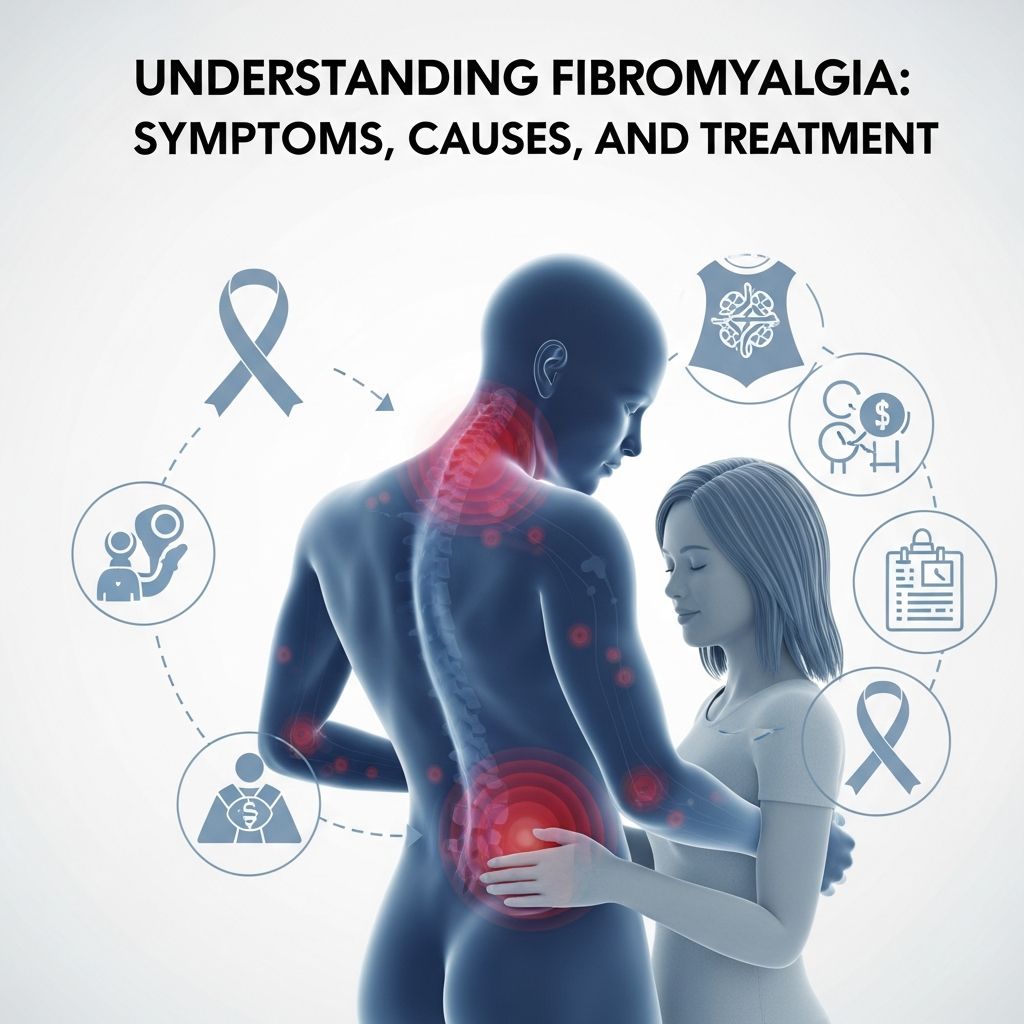
What Is Fibromyalgia?
Fibromyalgia is a chronic, generalized pain syndrome characterized by widespread musculoskeletal pain, fatigue, sleep disturbances, and cognitive difficulties. It is one of the most common chronic pain conditions, affecting millions of people worldwide. Fibromyalgia is not caused by inflammation or tissue damage, but rather by abnormalities in the way the central nervous system processes pain signals.
Prevalence and Demographics
Fibromyalgia affects approximately 5% of women and 0.5% of men in the United States, with the majority of cases occurring between the ages of 30 and 50. It is the second most common reason for visits to rheumatology clinics, after osteoarthritis. The condition is more prevalent in women, but men and children can also be affected.
Causes and Risk Factors
The exact cause of fibromyalgia remains unknown, but researchers believe it is a multifactorial disorder involving genetic, environmental, and psychological factors. Key contributors include:
- Central Nervous System Abnormalities: Abnormal sensory processing in the brain and spinal cord leads to pain amplification.
- Stress Response Dysregulation: Aberrations in the stress response systems, such as the corticotrophin-releasing hormone and locus ceruleus-norepinephrine/autonomic nervous systems, may play a role.
- Genetic Predisposition: There is evidence that fibromyalgia can run in families.
- Psychological Factors: Emotional and mood disorders, such as depression and anxiety, are common in people with fibromyalgia and may contribute to symptom expression.
Symptoms of Fibromyalgia
Fibromyalgia is characterized by a wide range of symptoms, which can vary in severity and duration. The most common symptoms include:
- Widespread Musculoskeletal Pain: Chronic pain that affects muscles, ligaments, bones, nerves, and tendons. The pain is typically described as a constant ache, sometimes dull and sometimes sharp, and is present on both sides of the body and above and below the waist.
- Fatigue: Extreme tiredness and lack of energy, often due to poor sleep quality. Many people describe this fatigue as similar to the exhaustion experienced during the flu.
- Sleep Disturbances: Insomnia, sleep apnea, restless leg syndrome, and other sleep disorders are common.
- Cognitive Difficulties: Problems with memory, concentration, and mental clarity, often referred to as “fibro fog.”
- Headaches: Migraines and tension headaches are frequent.
- Muscle Cramps and Spasms: Muscle stiffness and cramps are common.
- Numbness and Tingling: Numbness or tingling in the extremities.
- Skin Sensitivity: Increased sensitivity to touch, temperature, and other stimuli.
Diagnosis of Fibromyalgia
Diagnosing fibromyalgia can be challenging because there are no specific laboratory tests or imaging studies that can confirm the condition. Diagnosis is based on clinical criteria, including:
- Widespread Pain: Pain in multiple areas of the body for at least three months.
- Tender Points: Pain in specific tender points, such as the temples, back of the head, bottom of the neck, sternum, inside of the elbow, knees, below the buttocks, lower back, and upper back along the shoulder blades.
- Exclusion of Other Conditions: Ruling out other conditions that can cause similar symptoms, such as autoimmune diseases, thyroid disorders, and other chronic pain syndromes.
Related Stories



Impact on Quality of Life
Fibromyalgia can have a significant impact on quality of life. The chronic pain, fatigue, and cognitive difficulties can interfere with daily activities, employment, and social interactions. People with fibromyalgia often report a lower quality of life compared to those with other chronic conditions, such as rheumatoid arthritis, type 1 diabetes, and chronic obstructive pulmonary disease.
Treatment Approaches
The treatment of fibromyalgia is multifaceted and individualized, focusing on symptom management, education, cognitive behavior therapy, and complementary approaches. The goal is to reduce pain, improve function, and enhance quality of life.
Education
Providing information about fibromyalgia is an essential component of treatment. Patients should understand the range of symptoms they may experience, the prospect for symptom flares, and the need for lifestyle adaptations. Education helps patients feel validated and empowered to manage their condition.
Symptom Management
Conventional pharmacotherapy is the cornerstone of fibromyalgia treatment. Medications may be used to manage pain, fatigue, and psychological distress, as well as to improve other health issues associated with fibromyalgia, such as migraine headaches and irritable bowel syndrome.
- Antidepressants: Tricyclic antidepressants (TCAs), such as amitriptyline and doxepin, are effective in treating multiple fibromyalgia symptoms, including pain, sleep disturbance, fatigue, and depression.
- Painkillers: Over-the-counter pain relievers, such as acetaminophen, ibuprofen, and naproxen sodium, may be used to manage pain. Opioids are generally avoided due to the risk of long-term damage.
- NSAIDs: Nonsteroidal anti-inflammatory drugs (NSAIDs) may be prescribed to help with inflammation and pain, although fibromyalgia itself does not cause inflammation.
- Sleep Aids: Medications such as zolpidem and zopiclone may be used to promote restful sleep.
Cognitive Behavior Therapy (CBT)
Cognitive behavior therapy (CBT) is a psychological intervention that helps patients self-manage their disease by learning and applying a range of cognitive and behavioral techniques. CBT has been shown to reduce symptoms and improve quality of life in clinical trials. Techniques include relaxation therapy, coping skills, cognitive pain management, and eliciting social support. Support groups and self-help programs, such as the Arthritis Foundation’s Fibromyalgia Self-Help Group, can also provide valuable information and support.
Complementary Approaches
There are numerous complementary therapies that can be used to treat fibromyalgia and its associated symptoms. These include:
- Physical Therapy: Exercises to improve strength, flexibility, and endurance.
- Therapeutic Massage: Techniques to relieve muscle tension and pain.
- Myofascial Release Therapy: Manual therapy to release tension in the fascia.
- Water Therapy: Aquatic exercises to reduce pain and improve mobility.
- Exercise and Physical Activity: Regular exercise is the only treatment approach that has been tested in randomized controlled clinical trials and shown to improve fitness, self-assessment of improvement, and reduce tender point counts.
- Acupressure and Acupuncture: Techniques to relieve pain and promote relaxation.
- Application of Heat or Cold: To reduce pain and muscle tension.
- Yoga and Relaxation Exercises: To improve flexibility, reduce stress, and promote relaxation.
- Breathing Techniques: To manage pain and reduce stress.
- Aromatherapy: Use of essential oils to promote relaxation.
- Biofeedback: Techniques to help patients gain control over physiological processes.
- Herbs and Nutritional Supplements: Some patients report symptom improvement with certain herbs and supplements.
- Hypnosis: To manage pain and reduce stress.
- Osteopathic or Chiropractic Manipulation: Manual therapy to relieve pain and improve function.
Lifestyle Modifications
Lifestyle modifications are an important part of fibromyalgia management. These include:
- Healthy Sleep Habits: Going to bed and getting up at the same time every day, creating a comfortable sleep environment, and avoiding caffeine and other stimulants.
- Regular Exercise: Engaging in regular physical activity, such as walking, swimming, or yoga, to improve fitness and reduce pain.
- Stress Management: Practicing relaxation techniques, such as deep breathing, meditation, and mindfulness.
- Healthy Diet: Eating a balanced diet rich in fruits, vegetables, whole grains, and lean proteins.
- Social Support: Connecting with friends, family, and support groups to reduce feelings of isolation and improve emotional well-being.
Frequently Asked Questions (FAQs)
Q: What is the main cause of fibromyalgia?
A: The exact cause of fibromyalgia is unknown, but it is believed to involve abnormalities in the central nervous system, stress response dysregulation, genetic predisposition, and psychological factors.
Q: How is fibromyalgia diagnosed?
A: Fibromyalgia is diagnosed based on clinical criteria, including widespread pain for at least three months, pain in specific tender points, and the exclusion of other conditions that can cause similar symptoms.
Q: What are the most common symptoms of fibromyalgia?
A: The most common symptoms include widespread musculoskeletal pain, fatigue, sleep disturbances, cognitive difficulties, headaches, muscle cramps and spasms, numbness and tingling, and skin sensitivity.
Q: What are the treatment options for fibromyalgia?
A: Treatment options include education, symptom management with medications, cognitive behavior therapy, complementary approaches, and lifestyle modifications.
Q: Can fibromyalgia be cured?
A: There is no cure for fibromyalgia, but symptoms can be managed with a combination of treatments and lifestyle changes.
References
- Fibromyalgia: Treatment — Johns Hopkins Arthritis Center. 2023. https://www.hopkinsarthritis.org/arthritis-info/fibromyalgia/fibro-treatment/
- Fibromyalgia Guide — J.Flowers Health. 2023. https://jflowershealth.com/filbromyalgia-guide/
- Fibromyalgia – Overview and Clinical Manifestations — Johns Hopkins Arthritis Center. 2023. https://www.hopkinsarthritis.org/arthritis-info/fibromyalgia/
Similar Articles








Read full bio of Sneha Tete