Gender Diversity: A Practical Guide To Inclusion And Health
Explore the essentials of gender diversity, its health implications, and strategies for fostering inclusive environments in everyday life and workplaces.
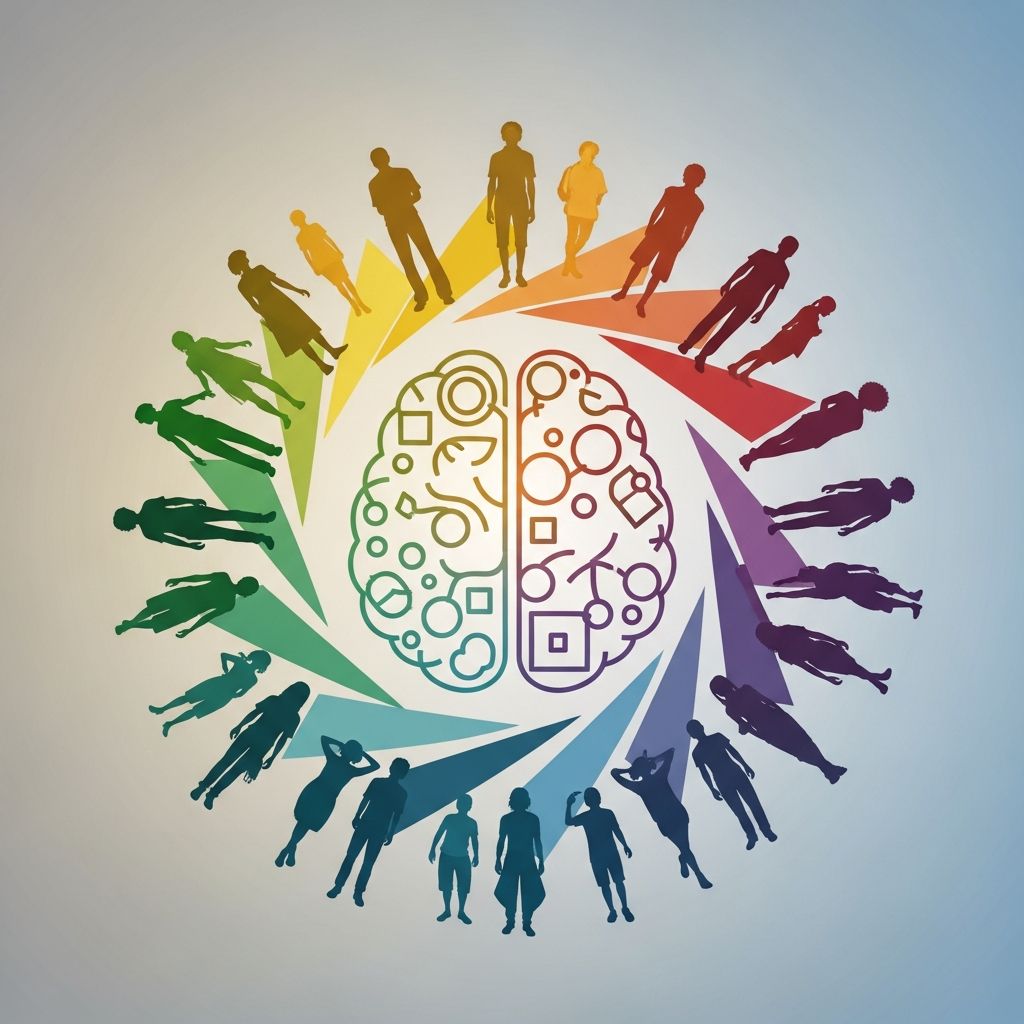
Gender diversity refers to the wide spectrum of gender identities beyond the traditional male-female binary, encompassing non-binary, transgender, genderqueer, and other expressions. Recognizing this diversity promotes mental health, social equity, and inclusive communities by validating individuals’ self-identifications and addressing unique needs.
The Spectrum of Gender Identities
Gender identity is a person’s deeply felt internal sense of their own gender, which may align with or differ from their sex assigned at birth. Common identities include:
- Cisgender: Individuals whose gender identity matches their birth-assigned sex.
- Transgender: People whose gender identity differs from their assigned sex, often seeking transition through social, medical, or legal means.
- Non-binary: Those who do not exclusively identify as male or female, possibly experiencing fluid or agender identities.
- Genderqueer or Genderfluid: Identities that reject rigid categories or shift over time.
These terms highlight that gender exists on a continuum, influenced by cultural, biological, and personal factors. Distinguishing gender from sexual orientation is crucial—gender focuses on identity, while orientation concerns attraction.
Health Considerations for Gender Diverse Individuals
Gender diverse people often face higher risks of mental health challenges due to societal stigma, discrimination, and lack of affirmation. Key health aspects include:
- Mental health support for anxiety, depression, and gender dysphoria—a distress from mismatch between body and identity.
- Access to affirming care, such as hormone therapy or surgeries, which studies show reduce suicide rates when supported appropriately.
- Preventive care tailored to lived gender, like prostate screenings for trans women or cervical checks for trans men.
Primary care providers play a vital role by using preferred names/pronouns, offering confidential discussions, and referring to specialists. Regular check-ups help monitor hormone effects on bone density, cardiovascular health, and fertility.
| Health Concern | Recommended Actions | Potential Risks if Untreated |
|---|---|---|
| Mental Health | Counseling, support groups | Increased depression, suicidality |
| Hormone Therapy | Blood tests, monitoring | Heart issues, osteoporosis |
| Sexual Health | STI testing, PrEP | HIV transmission |
Supporting Gender Diverse Youth
Young people exploring gender often need safe spaces to express themselves. Parents and educators can:
- Listen without judgment and affirm their feelings.
- Use correct pronouns and names consistently.
- Connect with youth support services for peer connections.
Schools foster inclusion through gender-neutral facilities, anti-bullying policies, and staff training. Early affirmation correlates with better academic outcomes and self-esteem.
Workplace Strategies for Gender Inclusion
Organizations benefit from gender diversity via innovation and talent retention. Effective steps include:
- Recruitment: Bias-free job ads, diverse panels, targeted outreach to underrepresented genders.
- Retention: Flexible policies, parental leave equity, mentorship programs.
- Leadership: Diversity training, inclusive performance metrics.
Integrating these creates cultures where all genders thrive equally across levels.
Building Family and Community Support
Families provide foundational affirmation. Practical tips:
- Educate on terminology and avoid assumptions.
- Advocate in medical and school settings.
- Join community groups for shared experiences.
Related Stories



Communities advance equity via policies supporting name/gender marker changes without barriers.
Frequently Asked Questions (FAQs)
What pronouns should I use?
Ask individuals their preference: he/him, she/her, they/them, or neopronouns like xe/xir. Default to they/them if unsure.
How does gender diversity impact mental health?
Social acceptance reduces dysphoria; rejection heightens risks. Affirming environments are protective.
Can children be gender diverse?
Yes, gender exploration starts early. Support exploration without pressure.
What legal changes support gender diverse people?
Many regions allow self-ID for documents; advocate for expansions.
How to make workplaces more inclusive?
Train on bias, update policies, celebrate diversity events.
Key Resources and Next Steps
Seek local LGBTQ+ centers, hotlines, and professional networks. Continuous education ensures evolving support.
References
- Manager Guide to Gender Diversity — SEA-VET. 2023. https://privatesector.sea-vet.net/images/yootheme/toolbox/Further%20Resources/H1.%20Gender%20Diversity%20Management%20Guide%20.pdf
- A Comprehensive Guide to Gender, Diversity, and Social Inclusion (GEDSI) Training — Keslio Team. 2025-04-30. https://www.keslio.com/insights/a-comprehensive-guide-to-gender-diversity-and-social-inclusion-gedsi-training
- What is Gender Diversity – A Complete Guide — Techfunnel. 2023. https://www.techfunnel.com/hr-tech/gender-diversity/
- A Guide to Sexual Orientation and Gender Diversity Terms — American Psychological Association. 2023. https://www.apa.org/ed/precollege/psychology-teacher-network/introductory-psychology/diversity-terms
- Gender Diversity Guide — PrideVMC. 2024. https://pridevmc.org/gender-diversity-guide/
Similar Articles








Read full bio of Sneha Tete