Understanding Genetic Disorders: Causes, Types, and Treatment
Learn about genetic disorders, their causes, inheritance patterns, and modern treatment approaches.
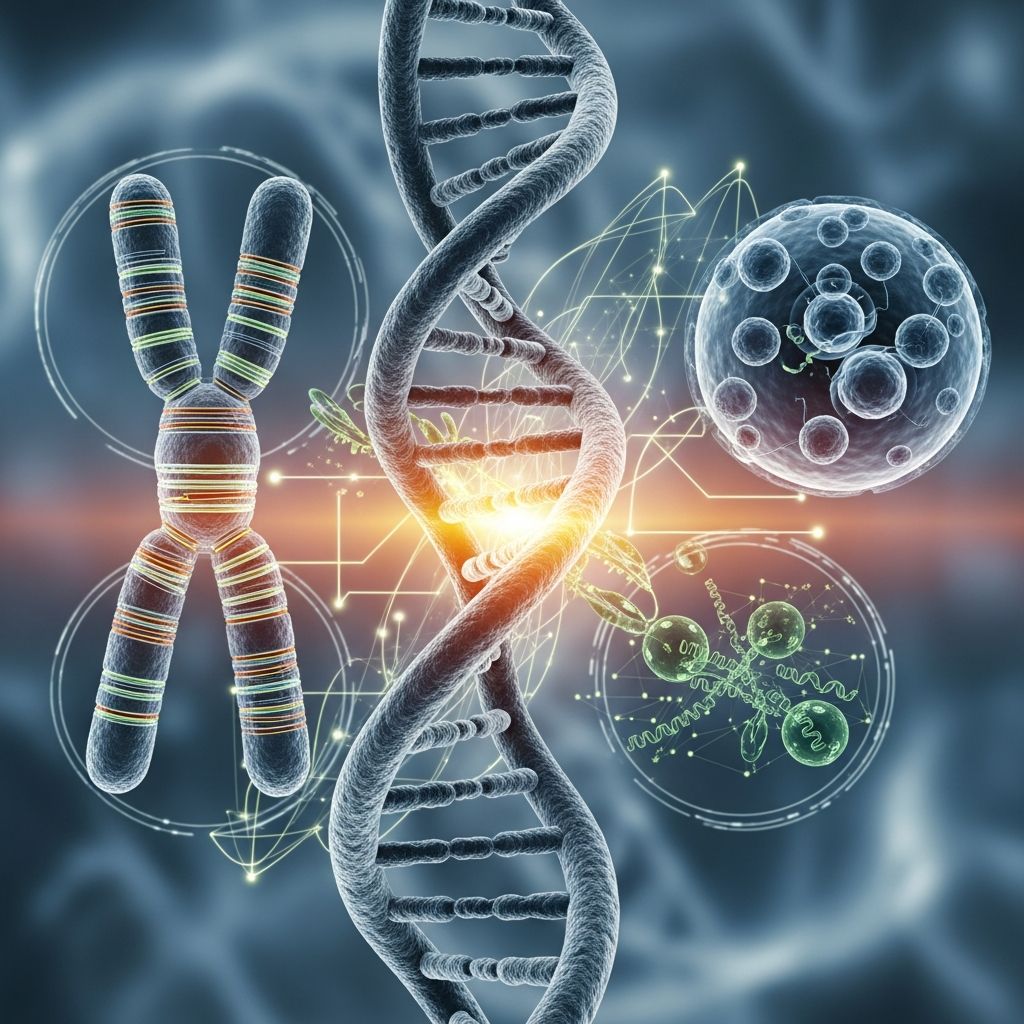
Understanding Genetic Disorders: A Comprehensive Guide
Genetic disorders are conditions caused by abnormalities in a person’s DNA or chromosomes. These inherited conditions can range from mild to severe and may affect various body systems and functions. With advances in genomic science and personalized medicine, understanding genetic disorders has become crucial for both patients and healthcare providers in developing effective prevention and treatment strategies.
What Are Genetic Disorders?
Genetic disorders result from mutations or variations in genes that disrupt normal cellular function. The human genome contains approximately 3 billion base pairs of DNA organized into 46 chromosomes. When errors occur in this genetic code, they can lead to various health conditions. These disorders can be inherited from parents, occur spontaneously during fetal development, or result from a combination of genetic and environmental factors.
The field of genetic medicine focuses on integrating our expanding knowledge of genetics and genomics into medical practice to individualize prevention, diagnosis, and treatment for each patient. This personalized approach represents a significant advancement in modern healthcare, allowing clinicians to tailor interventions based on individual genetic profiles.
Types of Genetic Disorders
Single Gene Disorders
Single gene disorders, also known as Mendelian disorders, result from mutations in a single gene. These conditions follow predictable inheritance patterns and include:
- Cystic fibrosis: An autosomal recessive disorder affecting the lungs and digestive system
- Sickle cell disease: A condition affecting hemoglobin production in red blood cells
- Hemophilia: A bleeding disorder caused by deficiency in clotting factors
- Duchenne muscular dystrophy: An X-linked disorder affecting muscle function
- Huntington’s disease: An autosomal dominant neurodegenerative condition
Chromosomal Disorders
Chromosomal disorders involve changes in the structure or number of chromosomes. Common examples include:
- Down syndrome (Trisomy 21): Presence of three copies of chromosome 21
- Turner syndrome: Missing or incomplete X chromosome in females
- Klinefelter syndrome: Extra X chromosome in males
- Patau syndrome (Trisomy 13): Presence of three copies of chromosome 13
Complex Genetic Disorders
Complex genetic disorders involve multiple genes and environmental factors. These include heart disease, diabetes, cancer, and Alzheimer’s disease. These conditions do not follow simple inheritance patterns and require comprehensive analysis of genetic and environmental contributors.
Inheritance Patterns
Understanding how genetic disorders are inherited helps predict risk and guide family planning decisions. The main inheritance patterns include:
Autosomal Dominant
In autosomal dominant inheritance, a single mutated gene from either parent can cause the disorder. Affected individuals have a 50% chance of passing the condition to each child. Examples include Marfan syndrome, achondroplasia (the most common form of dwarfism), and familial hypercholesterolemia.
Related Stories



Autosomal Recessive
Autosomal recessive disorders require mutations from both parents. Individuals who inherit one mutated gene are carriers but typically do not show symptoms. When both parents are carriers, there is a 25% chance their child will have the disorder. Examples include cystic fibrosis, sickle cell disease, and Gaucher disease.
X-Linked
X-linked disorders are caused by mutations on the X chromosome. Males, who have one X chromosome, are more frequently affected than females who have two X chromosomes. Affected males typically pass the condition to all daughters (who become carriers) but not to sons. Examples include hemophilia and color blindness.
Mitochondrial
Mitochondrial disorders result from mutations in mitochondrial DNA. These are inherited exclusively from the mother, as mitochondria come from the egg cell. Affected mothers pass the condition to all children, while affected fathers cannot pass it to any children.
Common Genetic Disorders
| Disorder | Type | Inheritance Pattern | Key Features |
|---|---|---|---|
| Cystic Fibrosis | Single Gene | Autosomal Recessive | Affects lungs and pancreas; thick mucus buildup |
| Sickle Cell Disease | Single Gene | Autosomal Recessive | Abnormal hemoglobin; pain and organ damage |
| Down Syndrome | Chromosomal | Trisomy 21 | Intellectual disability; distinctive facial features |
| Marfan Syndrome | Single Gene | Autosomal Dominant | Affects connective tissue; tall stature |
| Hemophilia | Single Gene | X-Linked Recessive | Impaired blood clotting; excessive bleeding |
| Achondroplasia | Single Gene | Autosomal Dominant | Most common dwarfism; shortened limbs |
Diagnosis of Genetic Disorders
Genetic Testing
Modern genetic testing uses advanced molecular techniques to identify genetic mutations and chromosomal abnormalities. Testing methods include:
- DNA sequencing: Examines the order of base pairs in genes
- Chromosomal analysis: Examines the structure and number of chromosomes
- Biochemical testing: Measures protein and enzyme levels to identify metabolic disorders
- Carrier screening: Identifies individuals carrying one copy of recessive gene mutations
- Prenatal testing: Screens for genetic abnormalities during pregnancy
Genetic Counseling
Genetic counselors work with individuals and families to explain inheritance patterns, discuss testing options, and help with decision-making regarding family planning. Johns Hopkins medicine provides comprehensive genetic counseling services to help patients understand their genetic risks and available management strategies.
Treatment and Management
Pharmacological Interventions
Many genetic disorders can be managed with medications that address the underlying biochemical defects. For example, enzyme replacement therapy for Gaucher disease helps restore missing enzymes and alleviate symptoms. Patients receive targeted medications designed to address their specific genetic variation, improving outcomes and quality of life.
Specialized Care
Genetic disorders often require multidisciplinary approaches involving various specialists. Comprehensive care teams address different aspects of the condition, from pulmonary function in cystic fibrosis to cardiac monitoring in Marfan syndrome. This integrated approach ensures optimal management and early detection of complications.
Lifestyle and Preventive Measures
Prevention and management strategies are tailored to individual genetic profiles. These may include dietary modifications for metabolic disorders, regular screening for disease-related complications, exercise programs adapted to physical capabilities, and psychological support for patients and families.
Advances in Genetic Medicine
The integration of genomics into medical education and practice represents a paradigm shift in healthcare. Johns Hopkins School of Medicine has developed innovative curricula such as “Genes to Society,” which teaches students how genetic variations influence disease presentation across cellular, behavioral, environmental, and societal levels. This comprehensive approach prepares future physicians to provide truly personalized medicine.
Research advances in biochemical genetics and laboratory genetics continue to expand diagnostic capabilities and treatment options. Specialized fellowship programs train physicians in complex areas such as biochemical genetic disorders and molecular cytogenetics, advancing the field and improving patient care.
Living with Genetic Disorders
Advances in treatment have significantly improved outcomes for individuals with genetic disorders. Patients and families now benefit from earlier diagnosis, targeted therapies, and comprehensive support systems. The patient experience emphasizes that genetic medicine experts can dramatically improve quality of life, enabling individuals to pursue their goals despite their genetic conditions.
Frequently Asked Questions
Q: Can genetic disorders be prevented?
A: While genetic mutations cannot be prevented, risk factors can be managed through carrier screening, genetic counseling, and prenatal testing. Lifestyle modifications can also reduce the severity of some conditions or delay onset of symptoms in complex genetic disorders.
Q: Is genetic testing accurate?
A: Modern genetic testing is highly accurate but not 100% foolproof. Testing accuracy depends on the specific test, the genetic variation being sought, and whether the condition has been thoroughly characterized in medical literature. Genetic counselors can explain the accuracy and limitations of specific tests.
Q: Can genetic disorders skip generations?
A: Some genetic disorders can appear to skip generations. This occurs when carriers of recessive mutations have children with unaffected individuals, resulting in carrier offspring who may later have affected children with an affected partner.
Q: What should I do if a genetic disorder runs in my family?
A: Consult with a genetic counselor or medical geneticist. They can assess your family history, explain your risks, recommend appropriate testing, and discuss family planning options. Early identification allows for appropriate medical management and surveillance.
Q: Are there new treatments being developed for genetic disorders?
A: Yes, ongoing research continues to develop new therapies. Gene therapy, targeted pharmaceuticals, and precision medicine approaches show promise for many genetic conditions. Clinical trials may offer access to emerging treatments for eligible patients.
References
- Department of Genetic Medicine — Johns Hopkins School of Medicine. 2024. https://e-catalogue.jhu.edu/medicine/medical-students/subjects-instruction/institute-genetic-medicine/
- The Patient Experience at Johns Hopkins Genetic Medicine — Johns Hopkins Medicine. 2024. https://www.youtube.com/watch?v=-63p4vYsDnQ
- Genes to Society: Overview — Johns Hopkins School of Medicine. 2013. https://www.youtube.com/watch?v=ma5na-y4LpQ
Similar Articles








Read full bio of medha deb