Glaucoma: 5 Key Types, Symptoms, And Treatments
Discover the silent thief of sight: Learn about glaucoma's types, risks, symptoms, and life-saving treatments to protect your vision today.
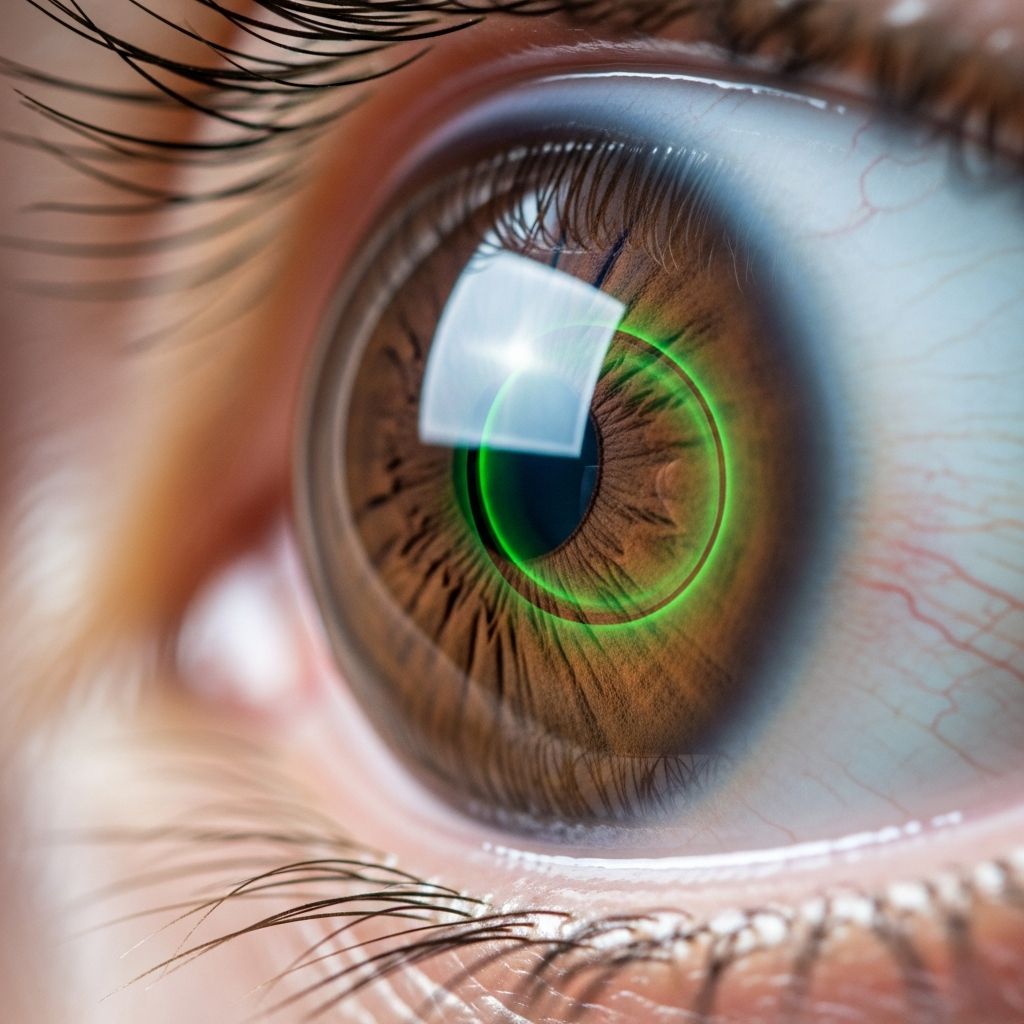
Glaucoma represents a group of eye disorders that harm the optic nerve, the crucial pathway transmitting visual signals from the eye to the brain. Often dubbed the “silent thief of sight,” it progresses without early warning signs, potentially causing permanent vision loss if undetected. Affecting millions worldwide, timely detection through routine exams is vital for management.
The Eye’s Inner Workings and Glaucoma’s Impact
Healthy eyes maintain balance with aqueous humor, a clear fluid produced in the ciliary body behind the iris. This fluid nourishes the cornea and lens while draining via the trabecular meshwork at the anterior chamber’s angle. When drainage falters, intraocular pressure (IOP) rises, compressing the optic nerve and impairing its function over time.
Not all cases stem from elevated IOP; normal-tension glaucoma damages the nerve despite standard pressure levels, highlighting other contributing vascular or structural factors.
Primary Types of Glaucoma
Glaucoma manifests in diverse forms, each with distinct mechanisms.
- Open-Angle Glaucoma: The predominant type, comprising 90% of cases. Drainage channels remain open, but inefficient outflow gradually elevates pressure. Vision loss starts peripherally and advances slowly.
- Angle-Closure Glaucoma: Occurs when the iris shifts forward, obstructing drainage abruptly. Acute episodes demand emergency care to avert rapid vision impairment.
- Normal-Tension Glaucoma: Pressure stays within normal bounds (under 21 mmHg), yet nerve damage ensues, possibly due to poor blood flow or nerve sensitivity.
- Pigmentary Glaucoma: Pigment from the iris clogs drainage during physical activity, common in nearsighted young adults.
- Congenital Glaucoma: Affects infants from developmental drainage defects, showing enlarged cloudy corneas.
Recognizing Glaucoma Symptoms by Type
Symptoms vary significantly, with most types asymptomatic initially.
| Type | Early Symptoms | Advanced Symptoms |
|---|---|---|
| Open-Angle | None | Peripheral blind spots, tunnel vision |
| Acute Angle-Closure | Severe pain, headache, nausea, blurred vision, halos around lights, red eye | Sudden vision loss |
| Normal-Tension | None or subtle blurring | Side vision loss |
| Pigmentary | Halos, exercise-induced blurring | Peripheral loss |
| Congenital (Infants) | Cloudy cornea, excessive tearing, light sensitivity | Vision impairment |
Open-angle often evades notice until late stages, while angle-closure strikes emergently. Seek immediate care for sudden symptoms to prevent irreversible harm.
Risk Factors That Heighten Vulnerability
Certain traits amplify glaucoma odds:
- Age over 60
- Family history
- African, Hispanic, or Asian ancestry
- High IOP
- Thin corneas
- Diabetes, hypertension, or heart disease
- Prolonged corticosteroid use
- Severe nearsightedness or farsightedness
Genetic links underscore family screening importance. Ethnic disparities show higher prevalence and severity in specific groups.
How Glaucoma is Diagnosed
Comprehensive exams detect glaucoma early:
- Tonometry: Measures IOP via air puff or probe.
- Ophthalmoscopy: Examines optic nerve cupping.
- Perimetry: Maps visual field defects.
- Gonioscopy: Views drainage angle.
- Pachymetry: Gauges corneal thickness.
- Optical Coherence Tomography (OCT): Scans nerve fiber layer thickness.
Annual screenings post-40, or earlier for high-risk individuals, enable proactive intervention.
Treatment Strategies to Preserve Vision
Though incurable, glaucoma is controllable. Goals: lower IOP, halt progression.
Medications
Prostaglandin analogs, beta-blockers, alpha agonists, carbonic anhydrase inhibitors, and rho kinase inhibitors reduce production or boost drainage. Compliance prevents resistance.
Related Stories



Laser Therapies
- Argon Laser Trabeculoplasty (ALT) or Selective Laser Trabeculoplasty (SLT): Enhances trabecular outflow.
- Laser Peripheral Iridotomy (LPI): Creates bypass for angle-closure.
Surgical Options
- Trabeculectomy: Forms new drainage pathway.
- Tube Shunts: Implants channel fluid.
- Minimally Invasive Glaucoma Surgery (MIGS): Low-risk implants or stents.
Treatment tailors to type, stage, and patient factors.
Lifestyle Adjustments for Glaucoma Management
Complement medical care with habits:
- Exercise moderately to lower IOP.
- Avoid neckties or positions inverting the head.
- Quit smoking.
- Follow low-sugar diet for diabetics.
- Protect eyes from injury.
Regular follow-ups monitor progression.
Glaucoma in Special Populations
Children and Congenital Forms
Rare, yet devastating, congenital glaucoma requires surgery soon after birth. Watch infants for tearing or photophobia.
Older Adults
Age heightens risk; combine with cataracts often needing integrated care.
The Importance of Regular Eye Examinations
Up to 50% of cases go undiagnosed without exams. Baseline checks at 40, biennially after, save sight.
Frequently Asked Questions (FAQs)
Can glaucoma be cured?
No, but treatments prevent further loss if started early.
Does high eye pressure mean I have glaucoma?
Not always; it’s a risk, but damage confirms diagnosis.
Is glaucoma hereditary?
Yes, family history significantly raises risk—inform relatives.
What happens if untreated?
Progressive, irreversible peripheral then central vision loss, potentially blindness.
Can lifestyle changes prevent glaucoma?
They reduce risk but don’t guarantee prevention; exams are key.
Protecting Your Sight: Take Action Now
Glaucoma’s stealth demands vigilance. Routine exams, risk awareness, and prompt symptom response safeguard vision. Consult ophthalmologists for personalized plans.
References
- Glaucoma – Symptoms and causes — Mayo Clinic. 2023-10-12. https://www.mayoclinic.org/diseases-conditions/glaucoma/symptoms-causes/syc-20372839
- What Is Glaucoma? Symptoms, Causes & Treatment — Glaucoma Research Foundation. 2024-01-15. https://glaucoma.org/understanding-glaucoma
- Glaucoma: What It Is, Symptoms, Causes, Types & Treatment — Cleveland Clinic. 2024-05-20. https://my.clevelandclinic.org/health/diseases/4212-glaucoma
- Common Causes of Glaucoma — Clarkson Eyecare. 2023-08-05. https://www.clarksoneyecare.com/eye-care-resources/common-causes-of-glaucoma
- Understanding the Causes Behind Your Glaucoma Symptoms — Refocus Eye Doctors. 2024-02-10. https://trappe.refocuseyedoctors.com/understanding-the-causes-behind-your-glaucoma-symptoms/
Similar Articles








Read full bio of medha deb